Hebe Subalpina
Hebe (Veronica) subalpina
Common names: Subalpine Hebe
Family: Plantaginaceae
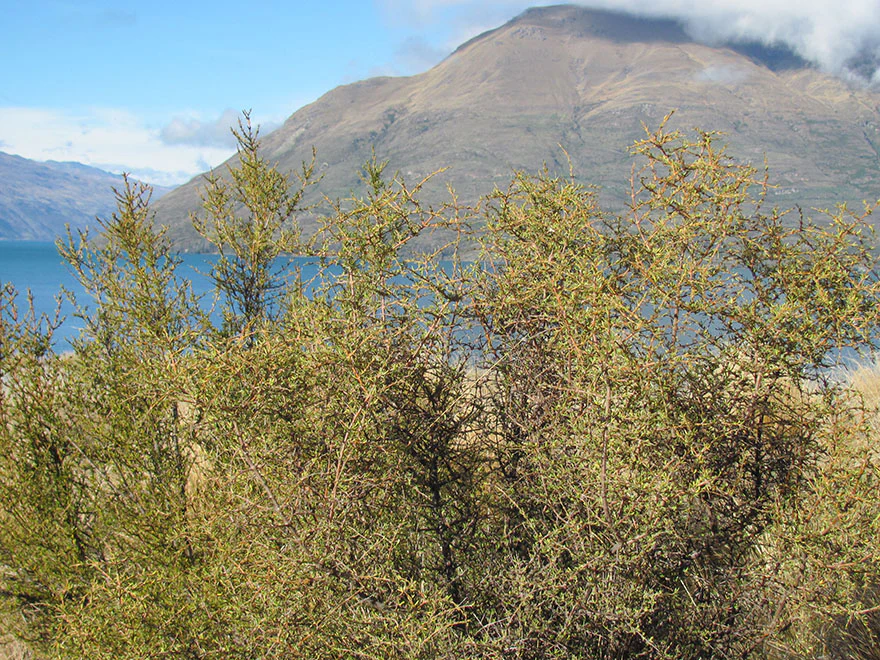
Origin: New Zealand (alpine & subalpine regions)
Plant Type: Evergreen Shrub
Overview
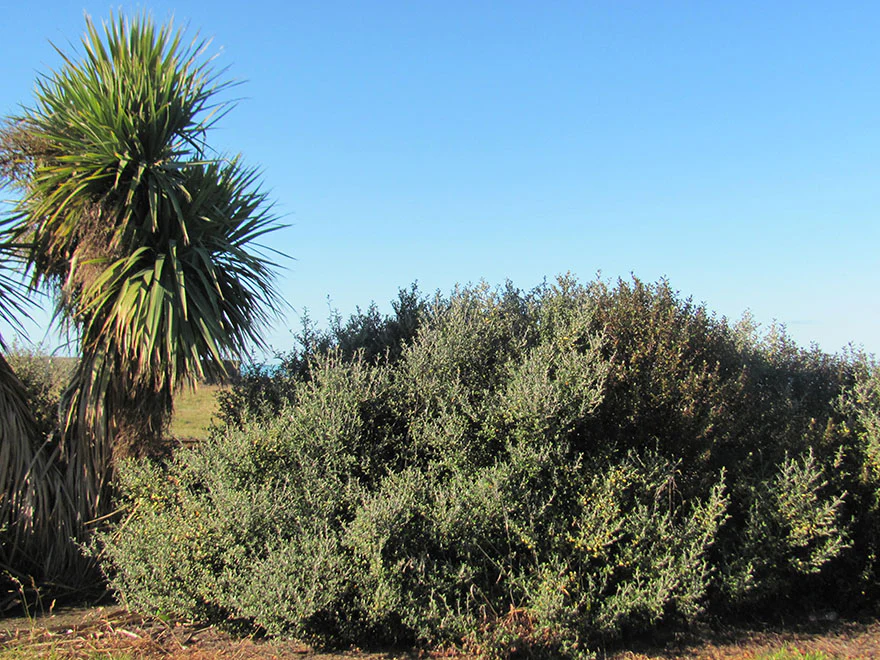
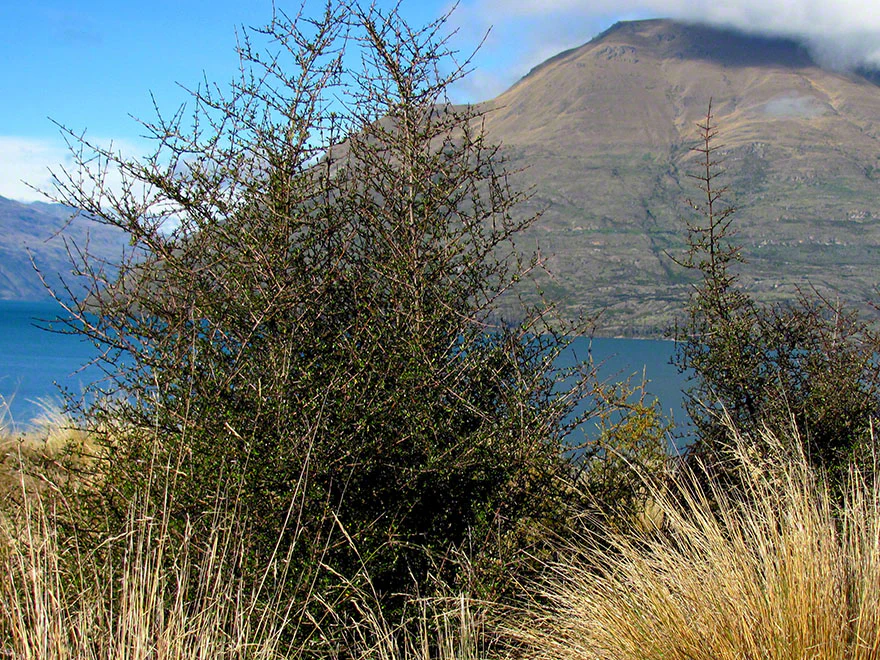
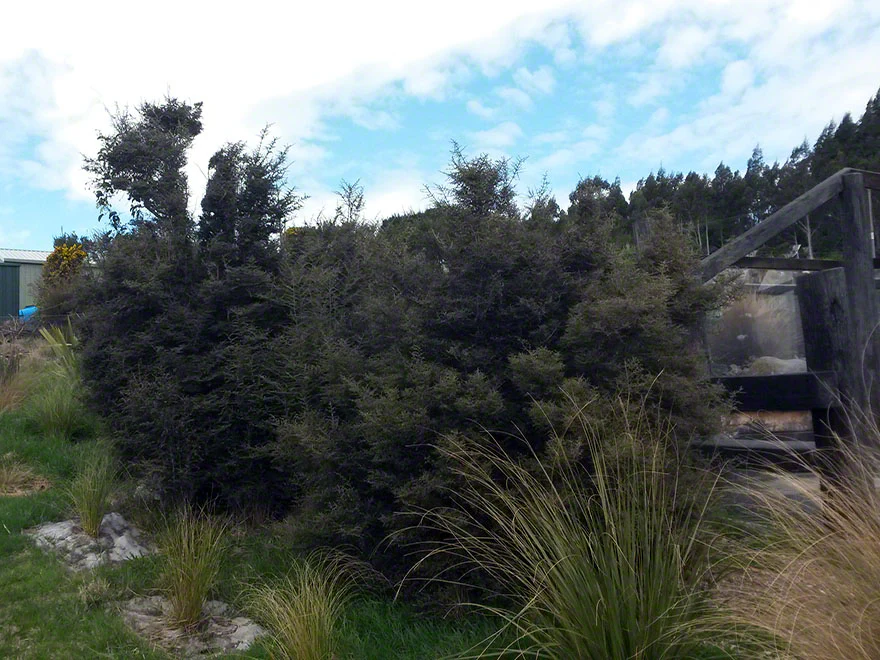
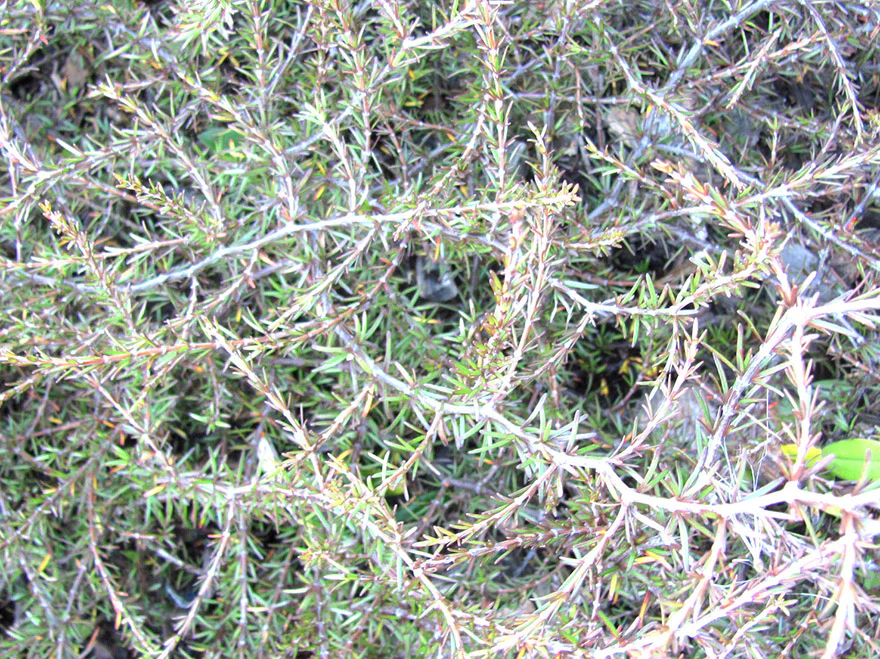
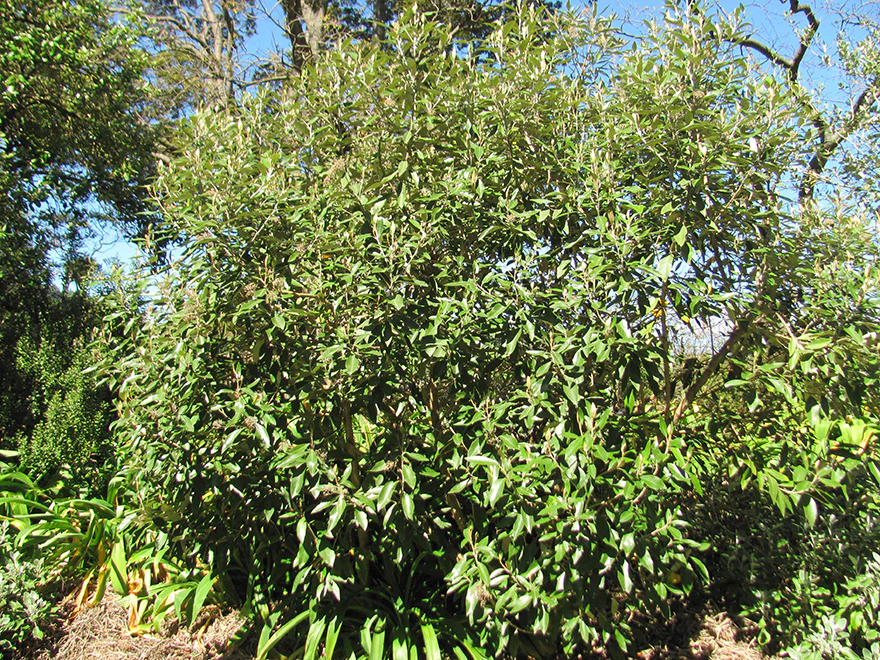
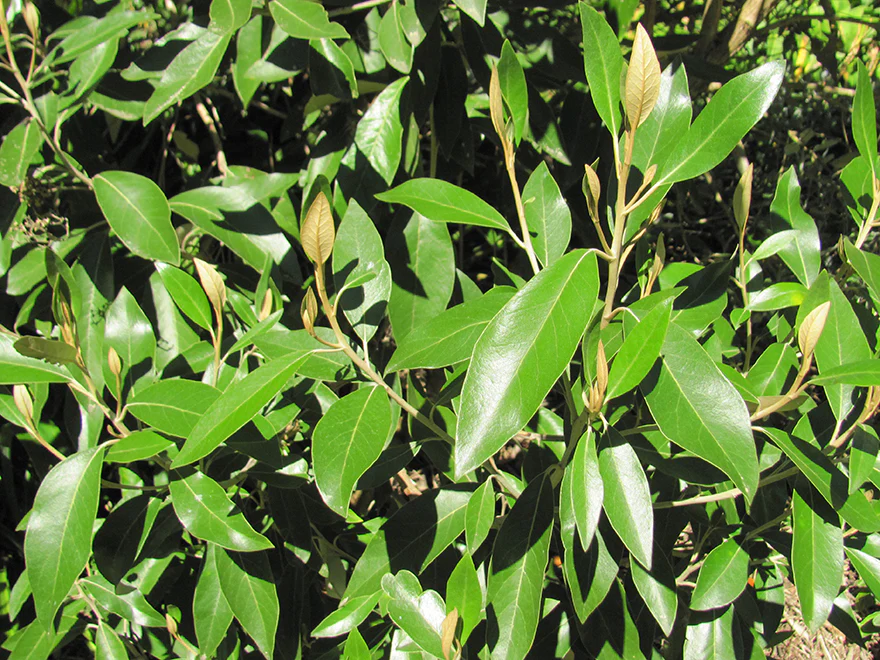
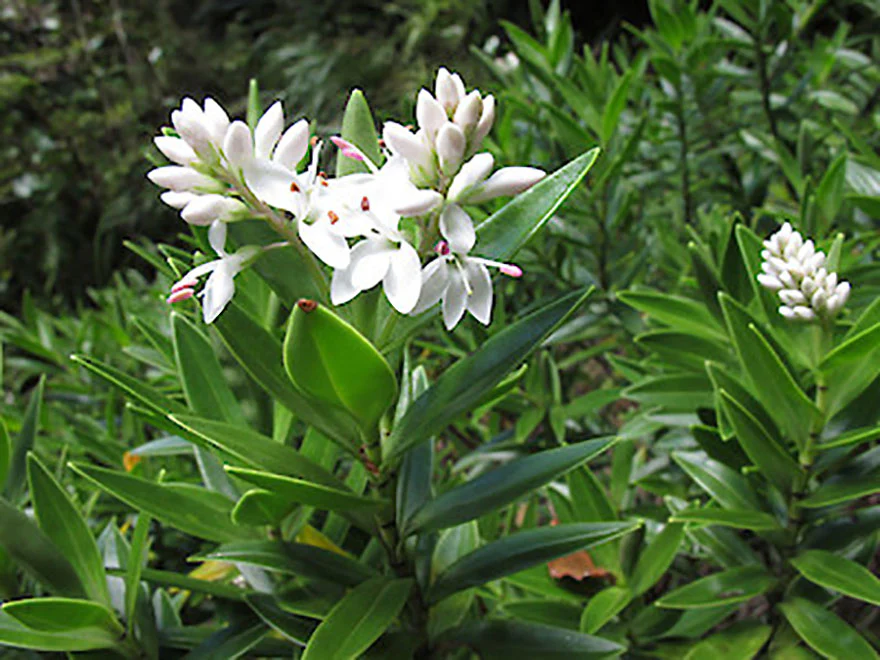
Hebe (Veronica) subalpina is a tough, bushy NZ native shrub ideally suited to harsh environments from alpine slopes to windy coastal gardens. With its narrow, spear-shaped light-green leaves and masses of bright white flowers in spring, it brings clean structure and seasonal colour to any landscape while requiring very little maintenance.
Key Features
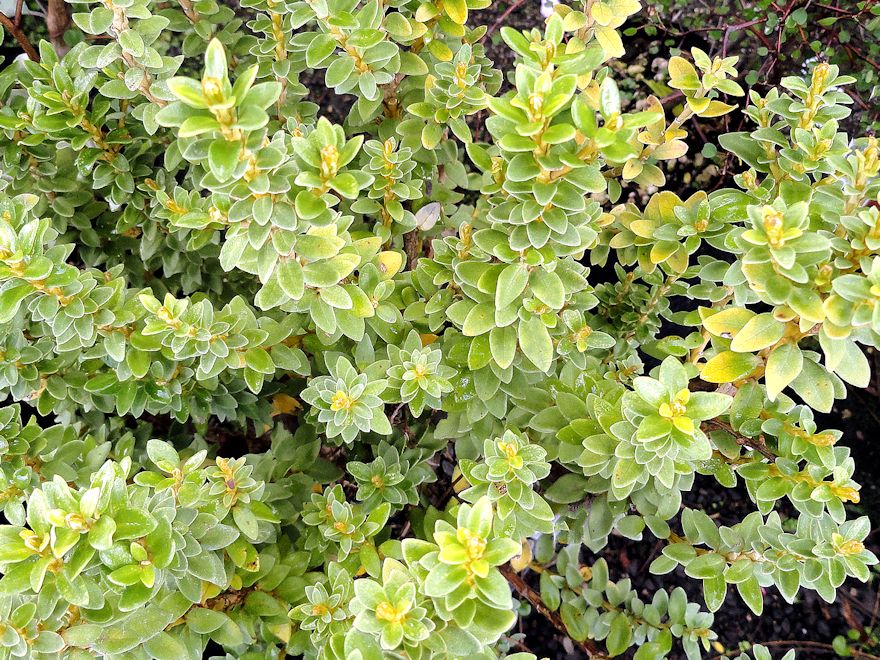
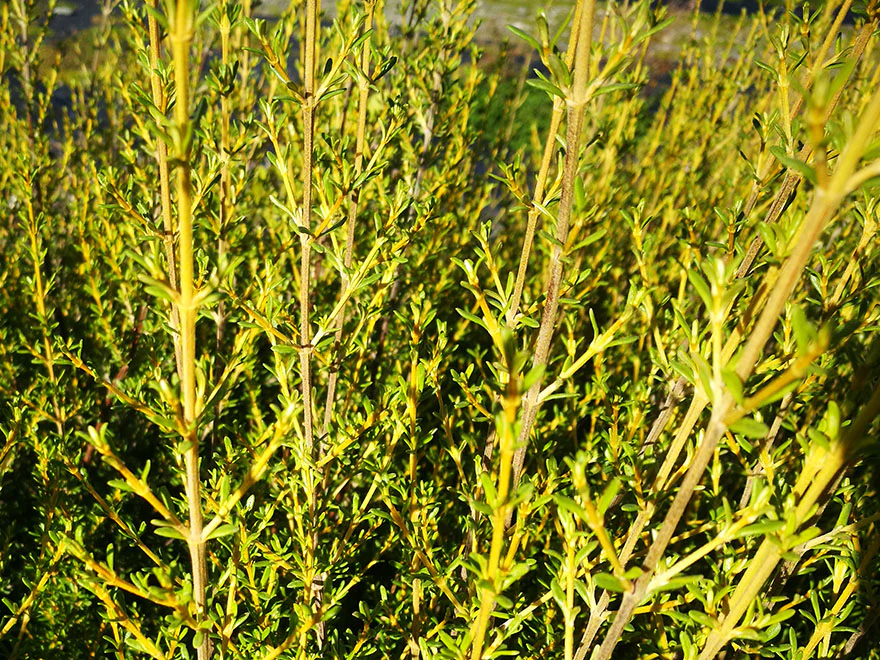
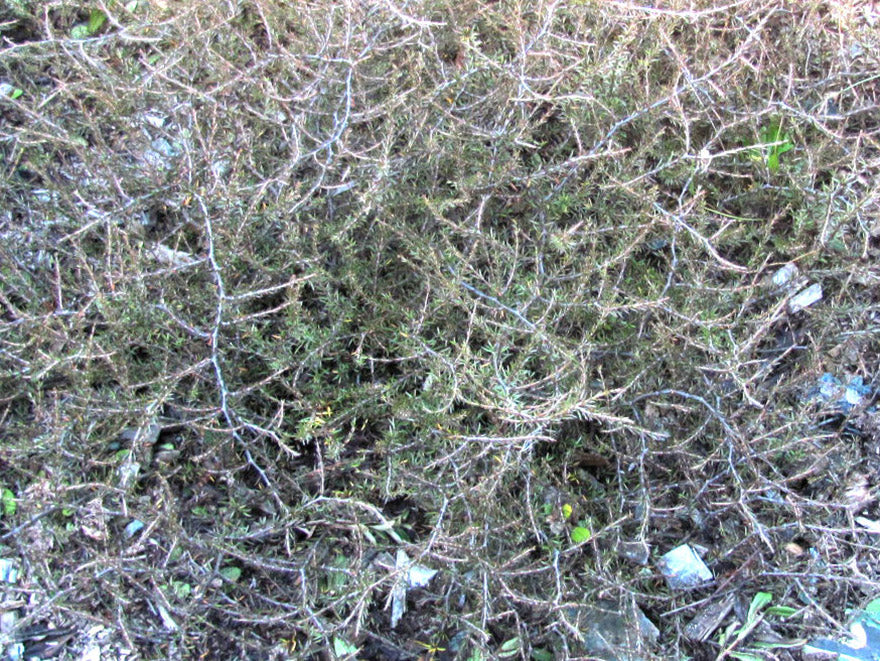
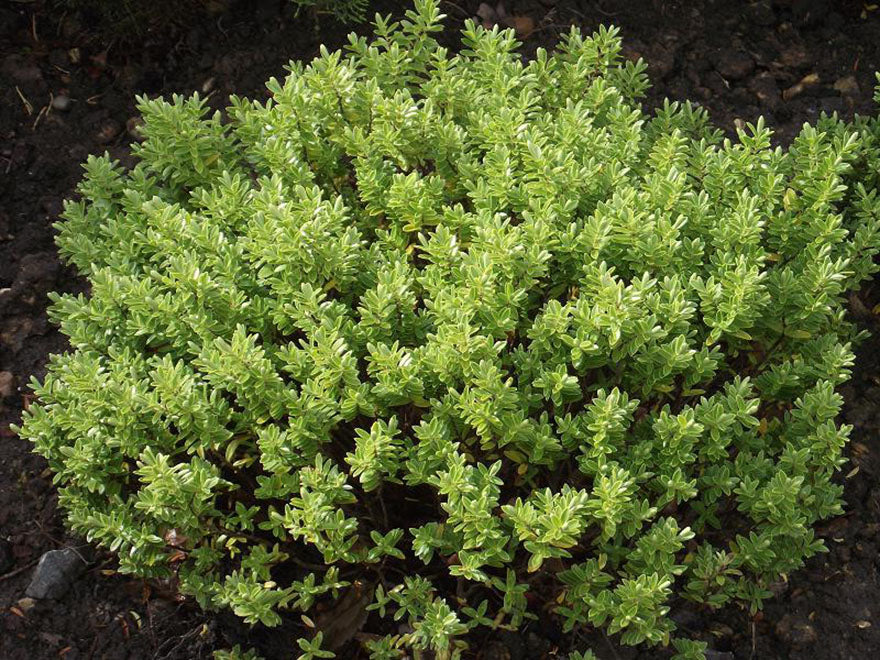
Foliage: Light-green, narrow, spear-shaped leaves carried densely along upright stems; maintains a fresh, tidy appearance year-round.
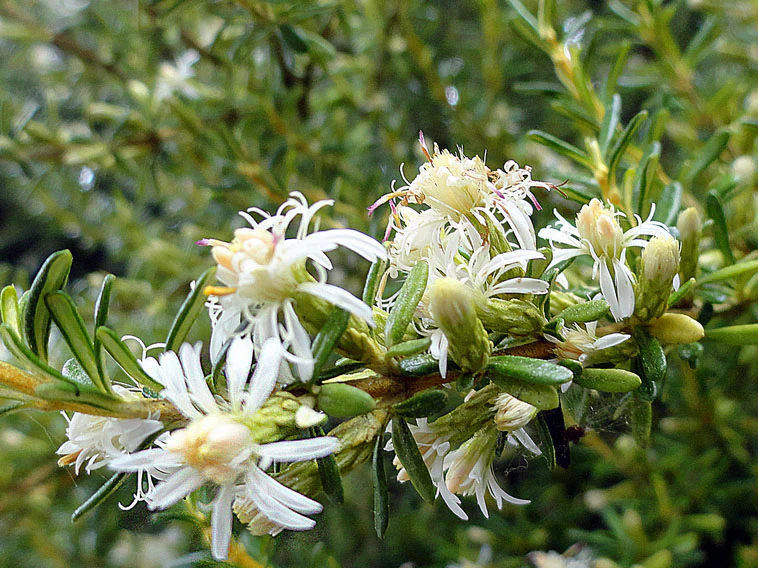
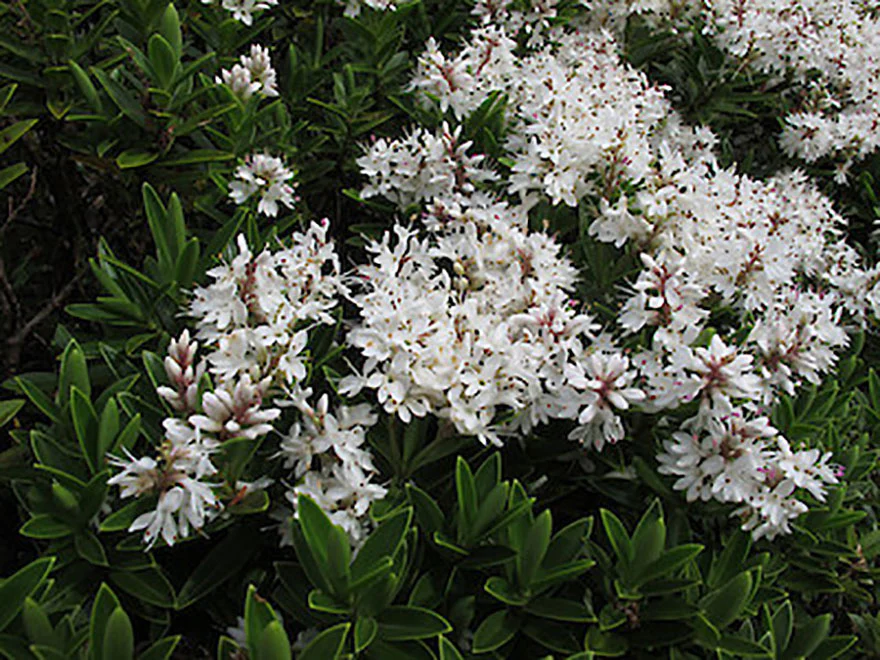
Flowers / Fruit: Abundant white flower heads in spring, creating a striking contrast against the foliage and attracting pollinators such as bees and butterflies.
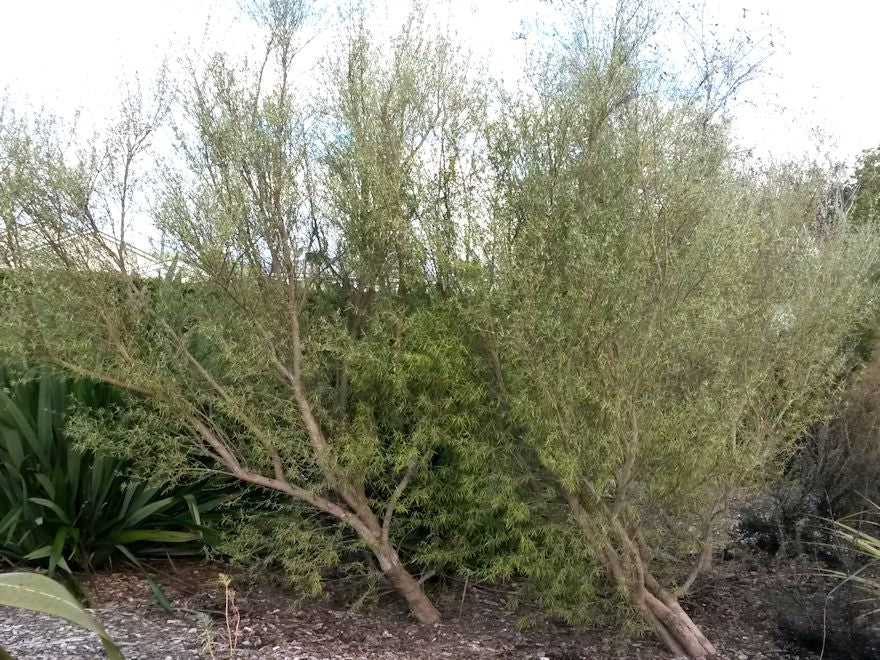
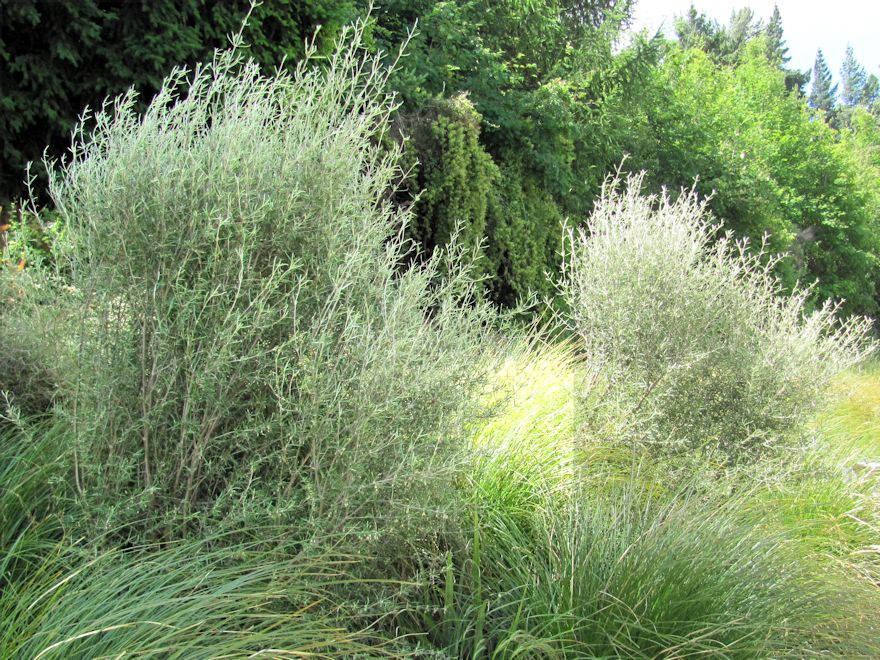
Form & Habit: Compact, bushy shrub forming a natural 1m x 1m rounded mound.
Growth Rate: Moderate.
Cultural & Ecological Value: Highly resilient—excellent for alpine, coastal, and windy sites; contributes structure and nectar value in native plantings.
Mature Size
| Attribute | Size |
|---|---|
| Height | 1 m |
| Spread | 1 m |
| Form | Bushy, rounded shrub |
Ideal Growing Conditions
| Requirement | Detail |
|---|---|
| Light | Full sun to part shade |
| Water | Low to moderate; drought-tolerant once established |
| Soil | Prefers free-draining soils; tolerates sandy, rocky, or poor ground |
| pH Range | Neutral to slightly acidic |
| Frost Tolerance | Very hardy; withstands alpine frost, wind, and coastal exposure |
Landscaping & Garden Uses
-
Excellent shrub for alpine and rock gardens
-
Performs strongly in harsh, windy, or coastal locations
-
Great structural shrub for mixed native borders
-
Mass planting for uniform texture and reliable performance
-
Combines well with grasses, flaxes, libertia, and other hardy hebes
Care & Maintenance
Pruning: Minimal pruning required; lightly trim after flowering to maintain shape if desired.
Watering: Water through establishment; low water needs once mature.
Feeding: Light spring fertiliser if soil is very poor.
Pests & Diseases: Very robust with few issues; ensure adequate drainage.
Additional Tips
-
Perfect for sites where other shrubs struggle due to wind or cold.
-
Produces its best flowering in full sun.
-
Works well in naturalistic, low-maintenance planting schemes.
Fun Fact / Botanical Insight
Alpine and subalpine hebes evolved to withstand extreme conditions—Hebe (Veronica) subalpina shows these traits clearly through its compact form, tough foliage, and impressive resilience.
Why Choose Hebe (Veronica) subalpina?
A hardy, dependable shrub that thrives in exposed sites while delivering a brilliant spring flower display and tidy year-round structure.
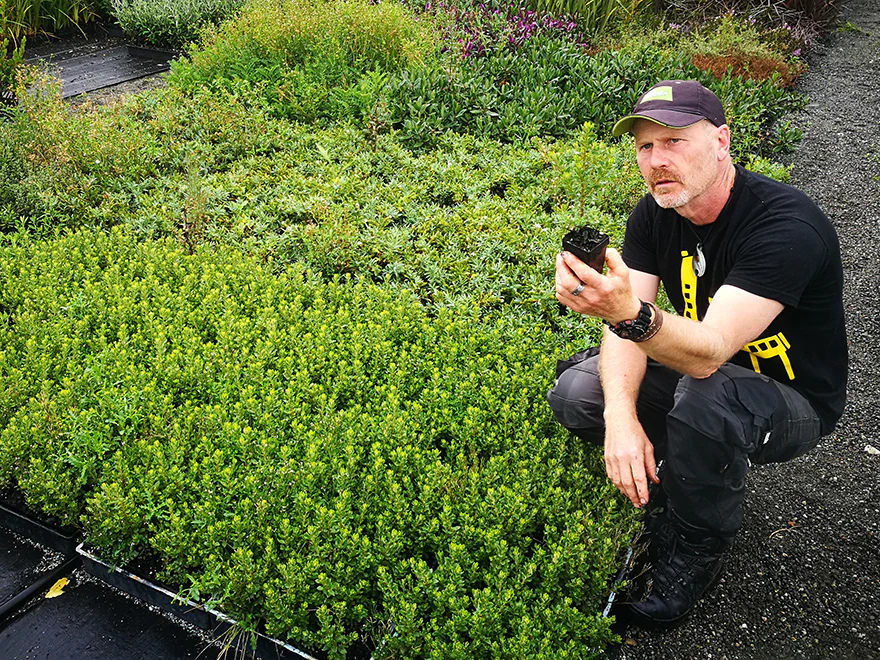
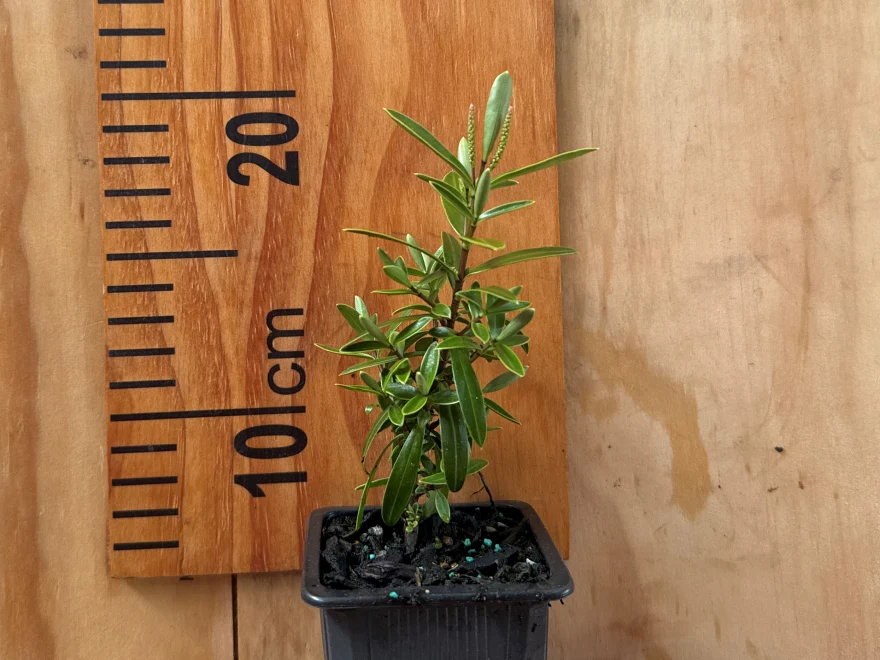
Pot Size: These are our standard size in 7cm square pots.
Product Information
Product Information
Shipping & Returns
Shipping & Returns
Description
Hebe (Veronica) subalpina
Common names: Subalpine Hebe
Family: Plantaginaceae
Origin: New Zealand (alpine & subalpine regions)
Plant Type: Evergreen Shrub
Overview
Hebe (Veronica) subalpina is a tough, bushy NZ native shrub ideally suited to harsh environments from alpine slopes to windy coastal gardens. With its narrow, spear-shaped light-green leaves and masses of bright white flowers in spring, it brings clean structure and seasonal colour to any landscape while requiring very little maintenance.
Key Features
Foliage: Light-green, narrow, spear-shaped leaves carried densely along upright stems; maintains a fresh, tidy appearance year-round.
Flowers / Fruit: Abundant white flower heads in spring, creating a striking contrast against the foliage and attracting pollinators such as bees and butterflies.
Form & Habit: Compact, bushy shrub forming a natural 1m x 1m rounded mound.
Growth Rate: Moderate.
Cultural & Ecological Value: Highly resilient—excellent for alpine, coastal, and windy sites; contributes structure and nectar value in native plantings.
Mature Size
| Attribute | Size |
|---|---|
| Height | 1 m |
| Spread | 1 m |
| Form | Bushy, rounded shrub |
Ideal Growing Conditions
| Requirement | Detail |
|---|---|
| Light | Full sun to part shade |
| Water | Low to moderate; drought-tolerant once established |
| Soil | Prefers free-draining soils; tolerates sandy, rocky, or poor ground |
| pH Range | Neutral to slightly acidic |
| Frost Tolerance | Very hardy; withstands alpine frost, wind, and coastal exposure |
Landscaping & Garden Uses
-
Excellent shrub for alpine and rock gardens
-
Performs strongly in harsh, windy, or coastal locations
-
Great structural shrub for mixed native borders
-
Mass planting for uniform texture and reliable performance
-
Combines well with grasses, flaxes, libertia, and other hardy hebes
Care & Maintenance
Pruning: Minimal pruning required; lightly trim after flowering to maintain shape if desired.
Watering: Water through establishment; low water needs once mature.
Feeding: Light spring fertiliser if soil is very poor.
Pests & Diseases: Very robust with few issues; ensure adequate drainage.
Additional Tips
-
Perfect for sites where other shrubs struggle due to wind or cold.
-
Produces its best flowering in full sun.
-
Works well in naturalistic, low-maintenance planting schemes.
Fun Fact / Botanical Insight
Alpine and subalpine hebes evolved to withstand extreme conditions—Hebe (Veronica) subalpina shows these traits clearly through its compact form, tough foliage, and impressive resilience.
Why Choose Hebe (Veronica) subalpina?
A hardy, dependable shrub that thrives in exposed sites while delivering a brilliant spring flower display and tidy year-round structure.
Pot Size: These are our standard size in 7cm square pots.