Olearia dartonii
Olearia dartonii (Olearia dartonii)
Common Names: Leatherwood Daisy Bush
Family: Asteraceae
Origin: New Zealand
Plant Type: Evergreen Shrub
Overview:
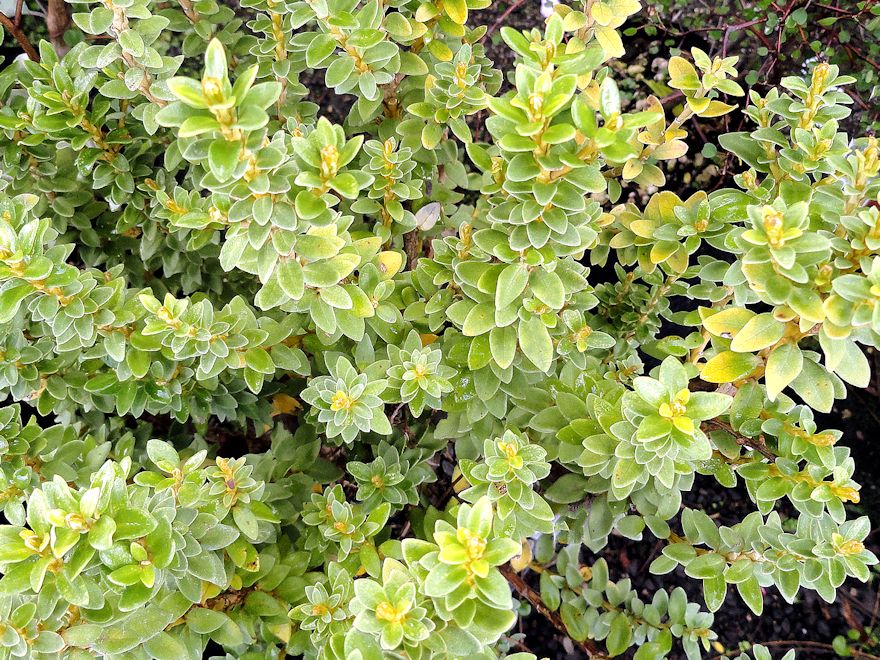
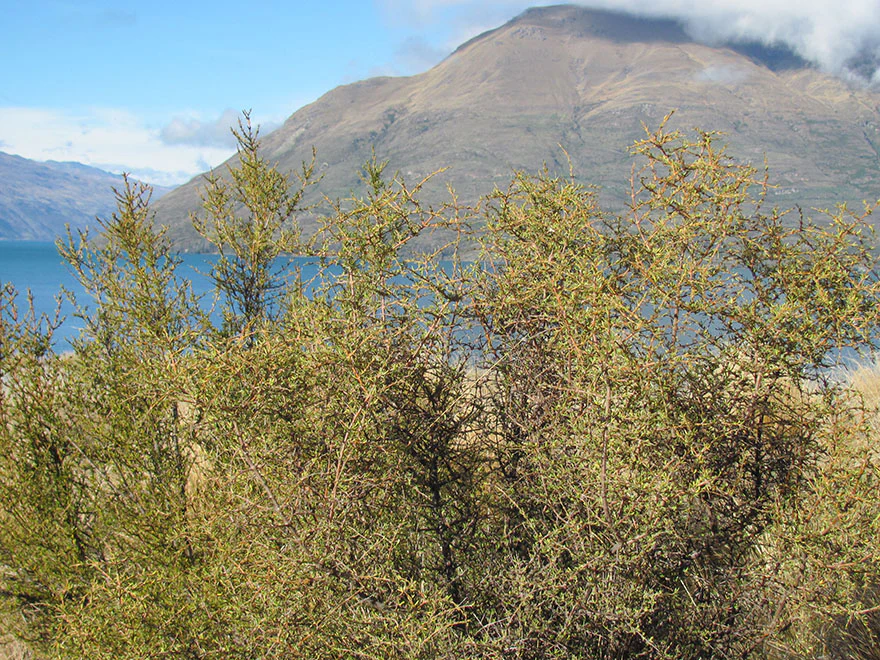
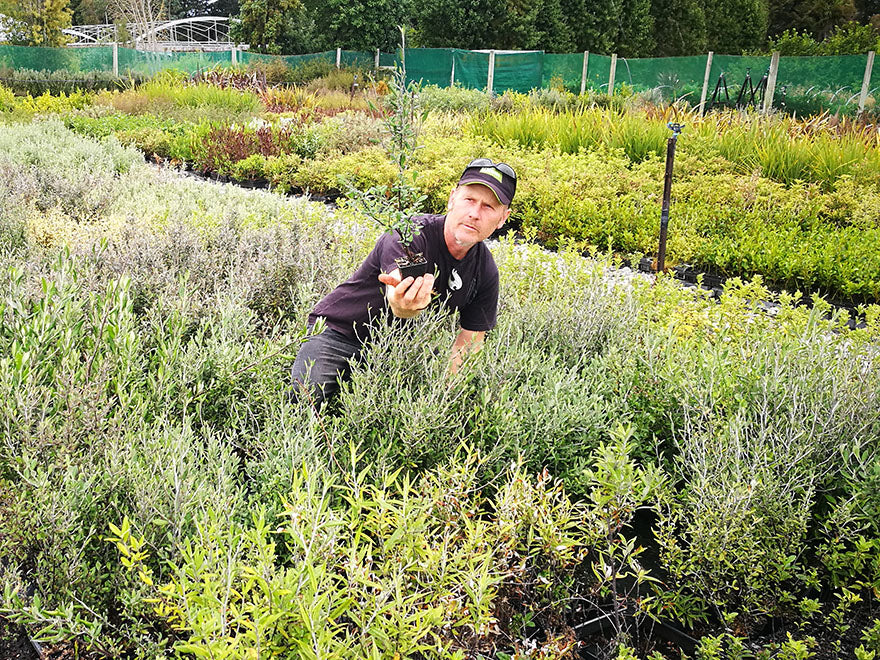
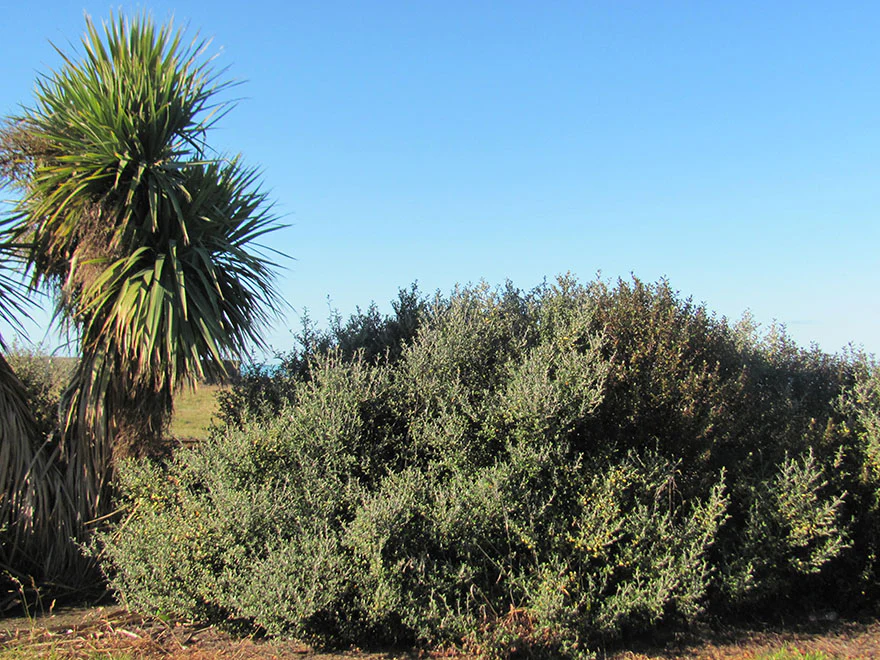
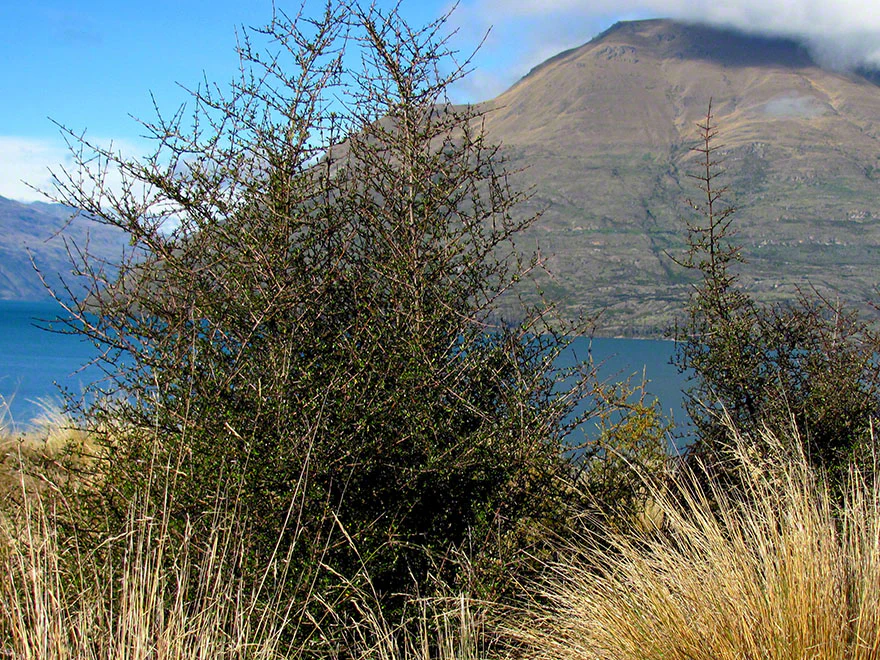
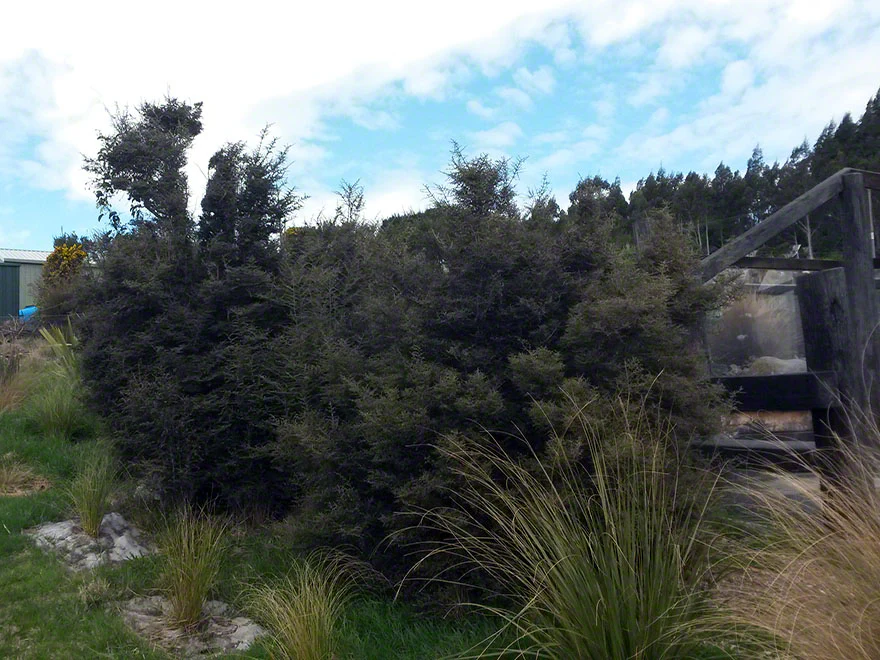
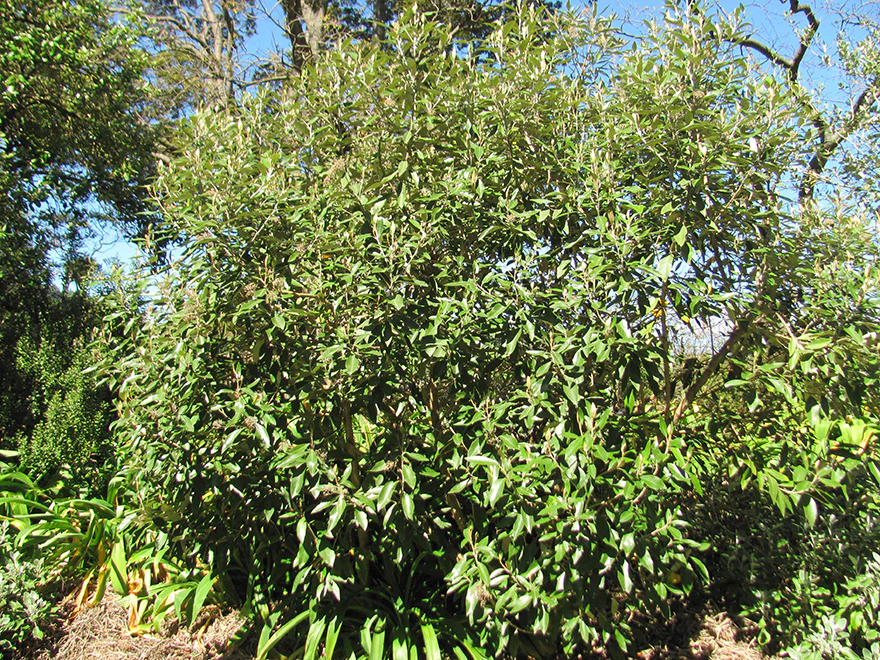
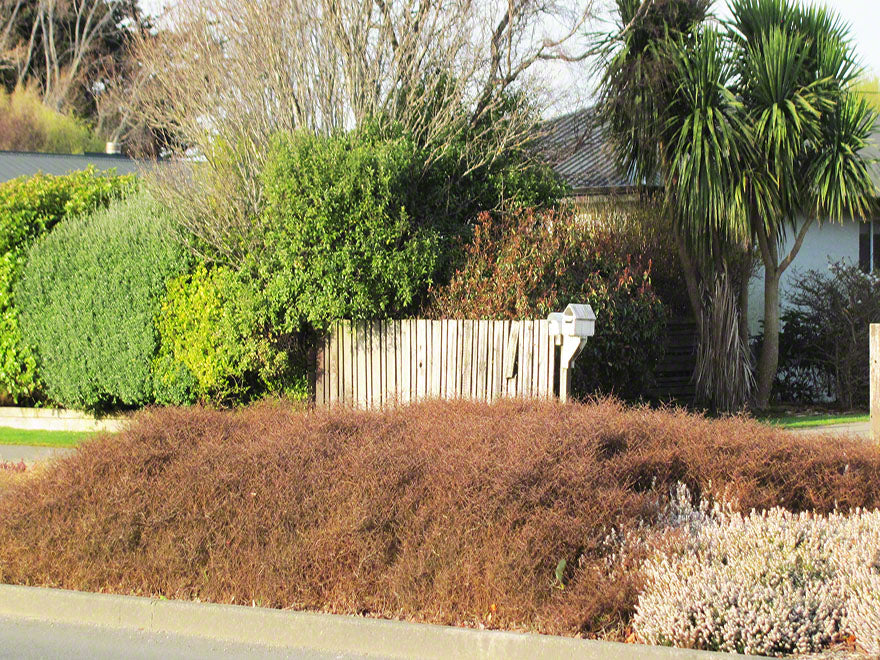
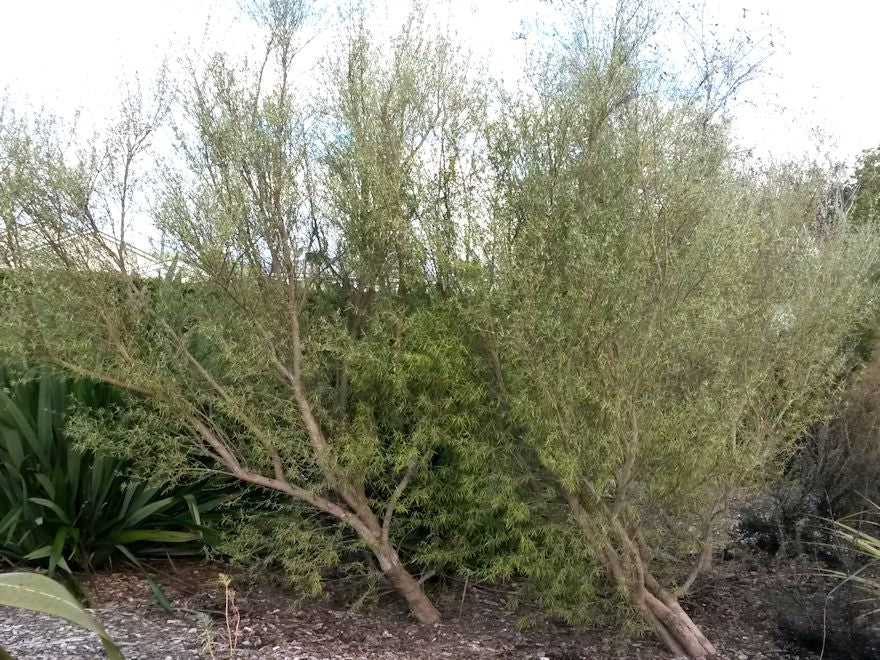
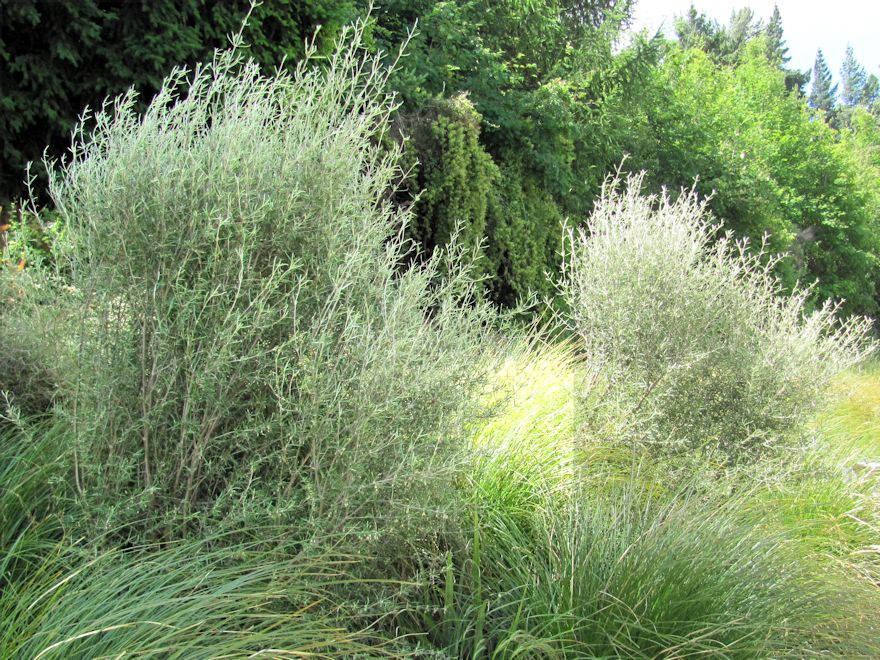
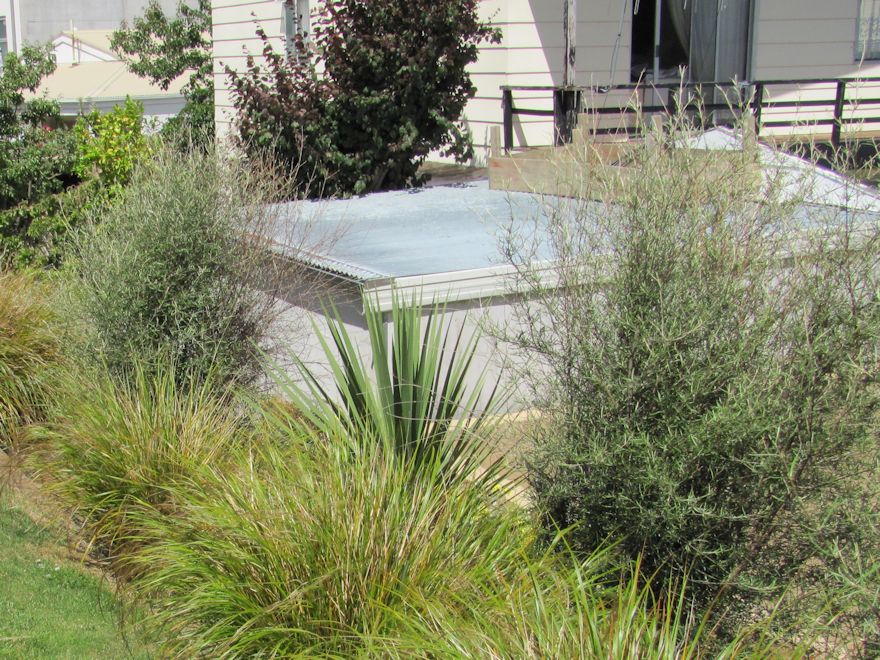
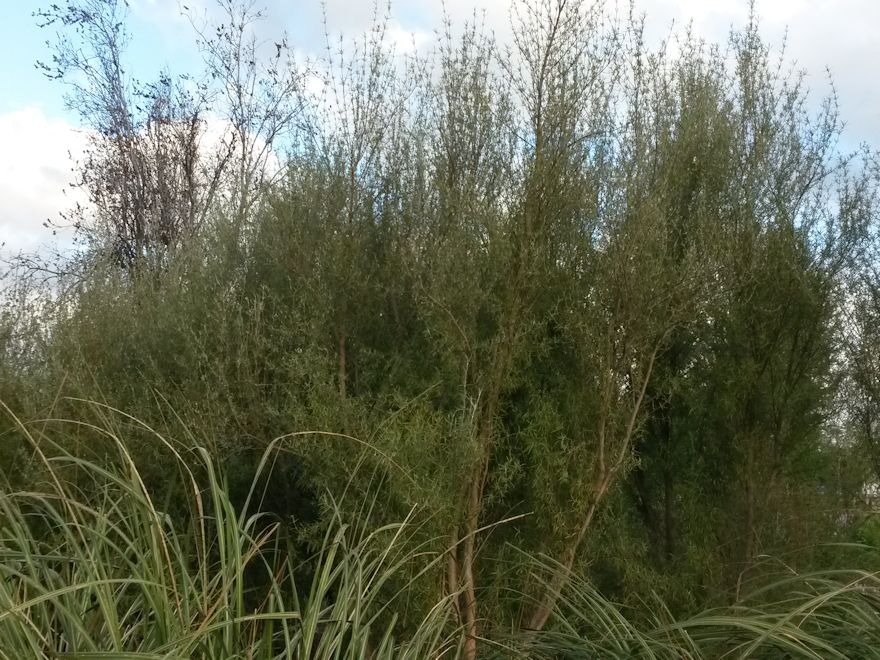
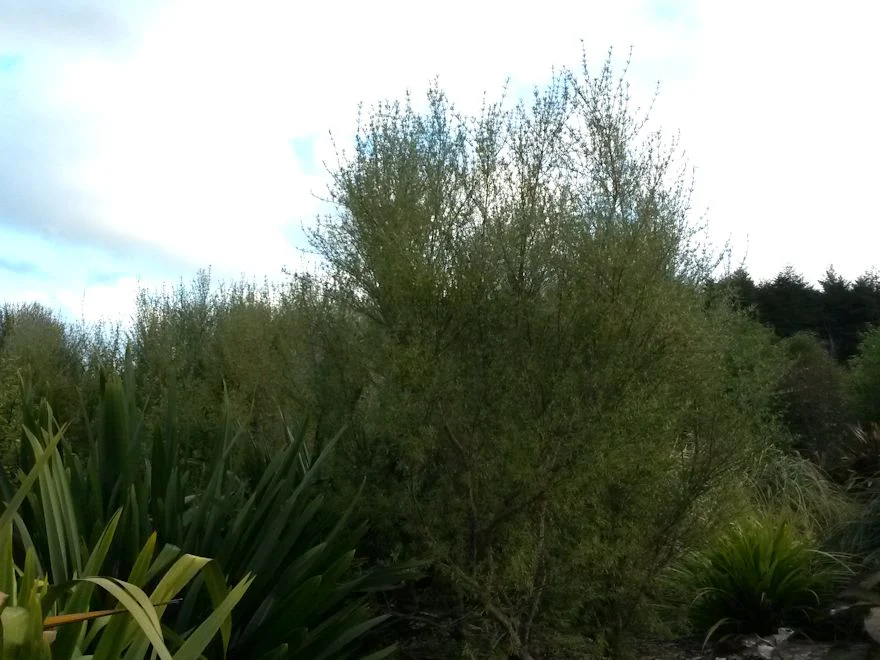
Olearia dartonii is an evergreen shrub native to New Zealand, admired for its dense, leathery foliage and delicate daisy-like flowers. Its compact, rounded form and soft gray-green leaves create a subtle yet attractive texture, making it perfect for naturalistic gardens, coastal landscapes, and native plantings. This hardy shrub adds year-round structure and seasonal floral interest.
Key Features:
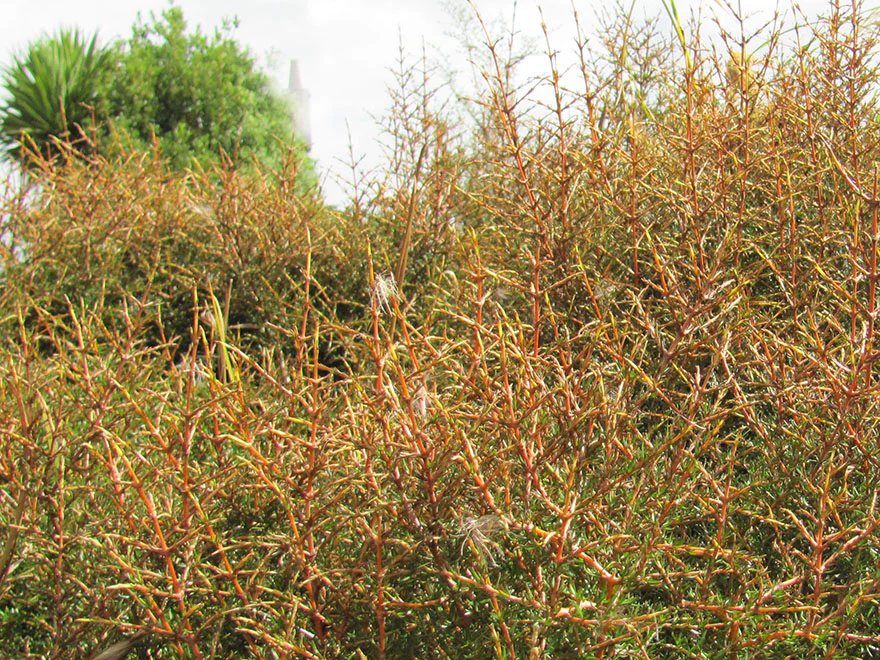
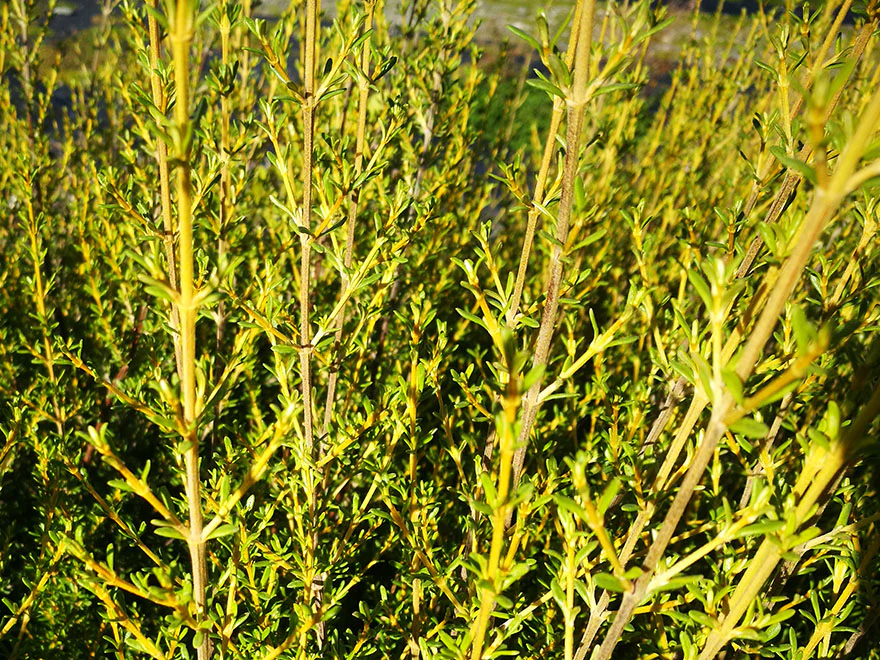
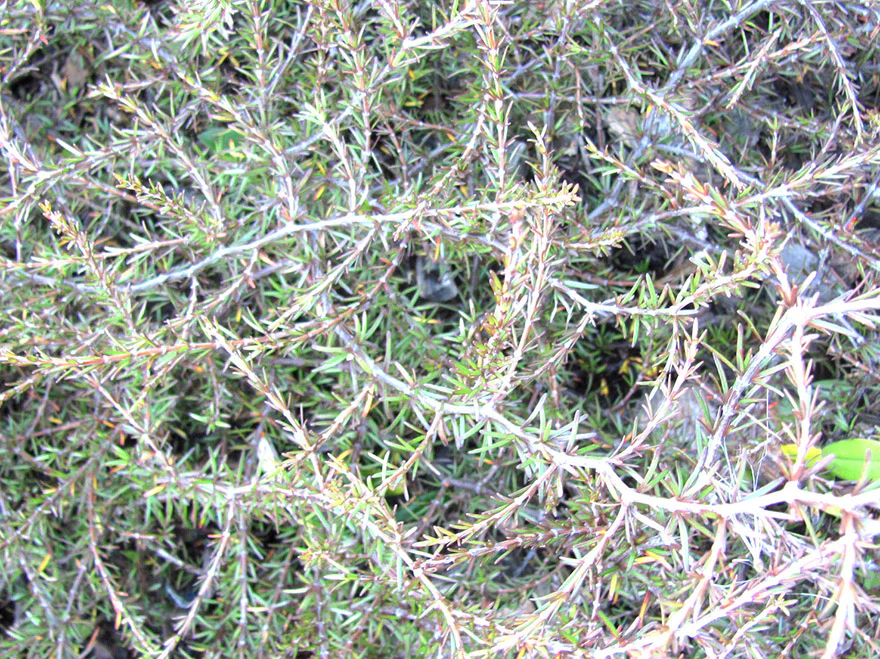
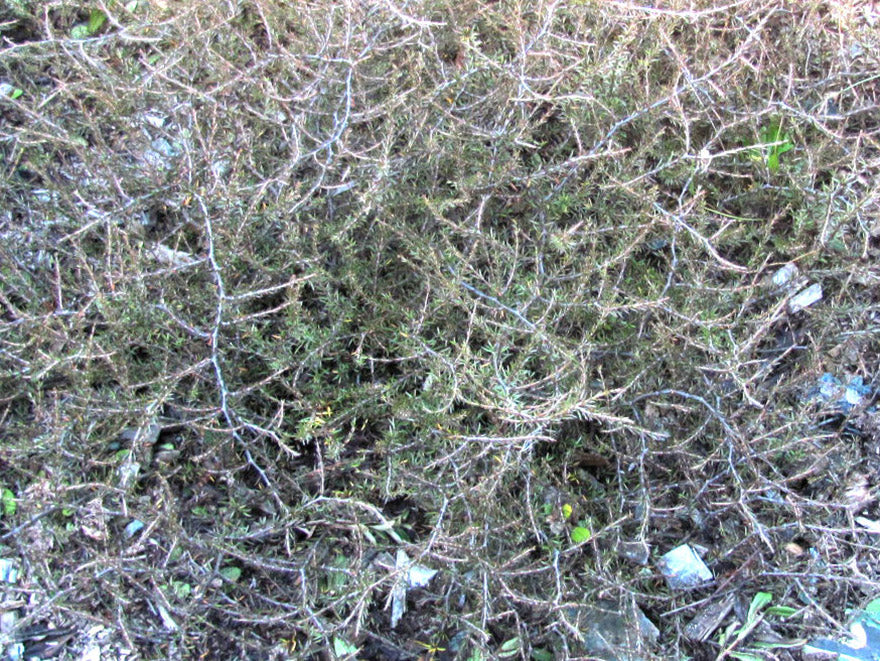
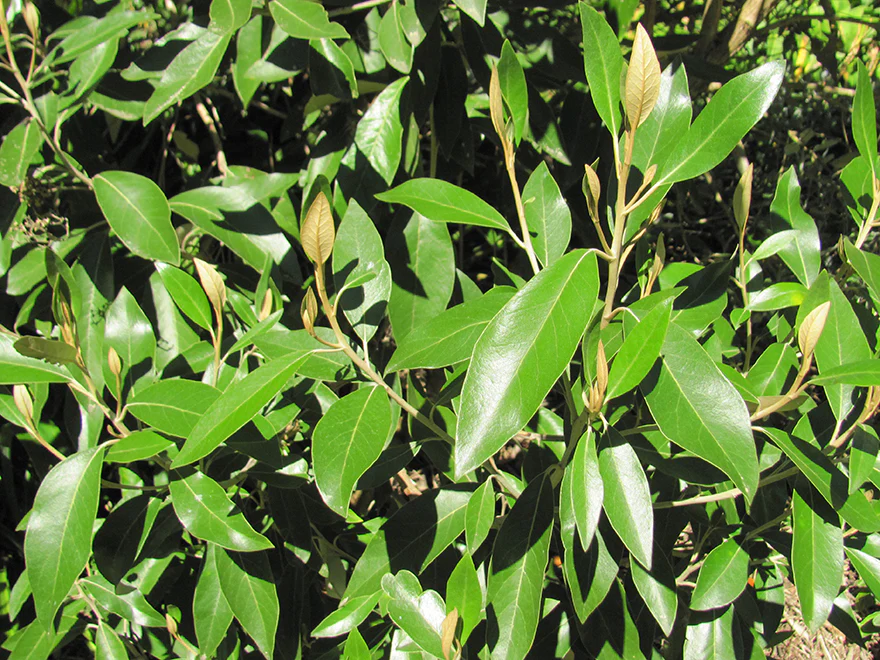
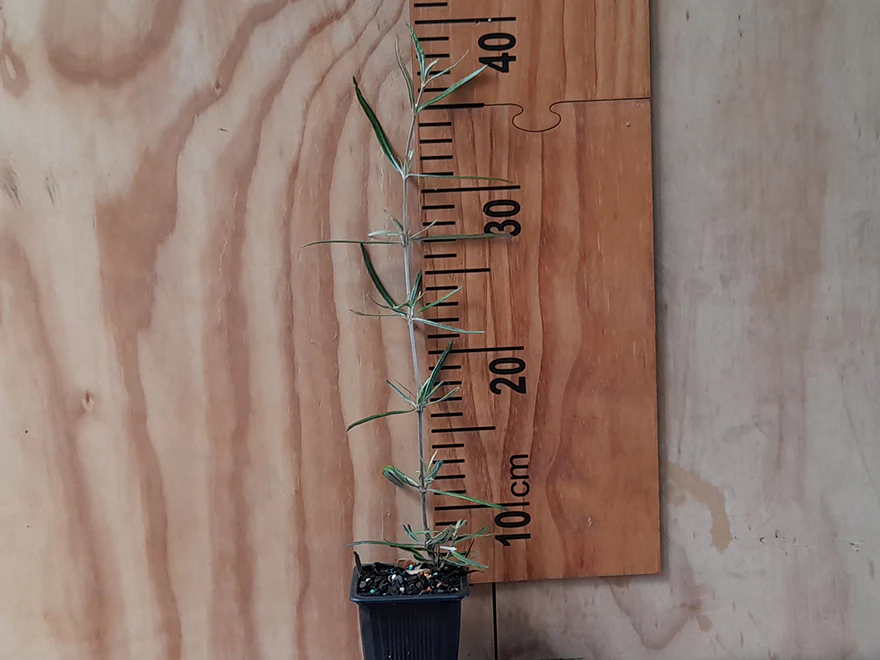
Foliage: Small, leathery, gray-green leaves with a slightly fuzzy texture on the underside, offering a soft, muted tone.
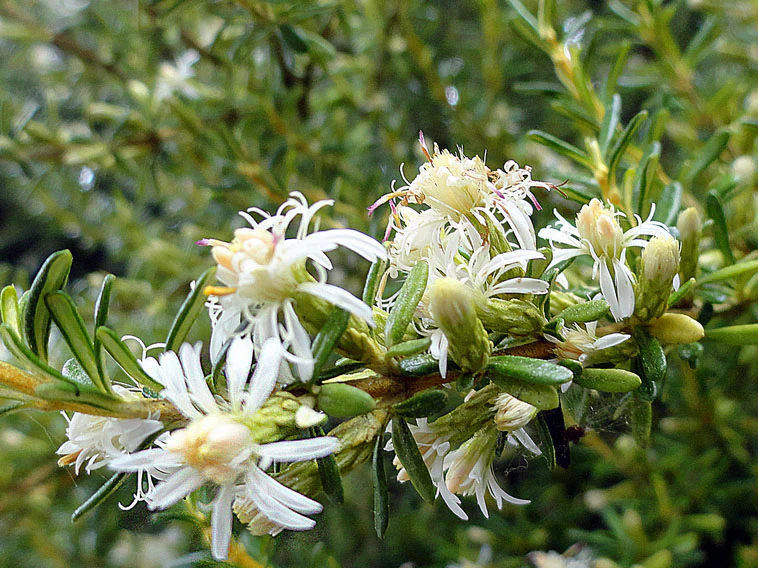
Flowers/Fruit: Small, white to pale mauve daisy-like flowers bloom in late spring to summer, attracting pollinators.
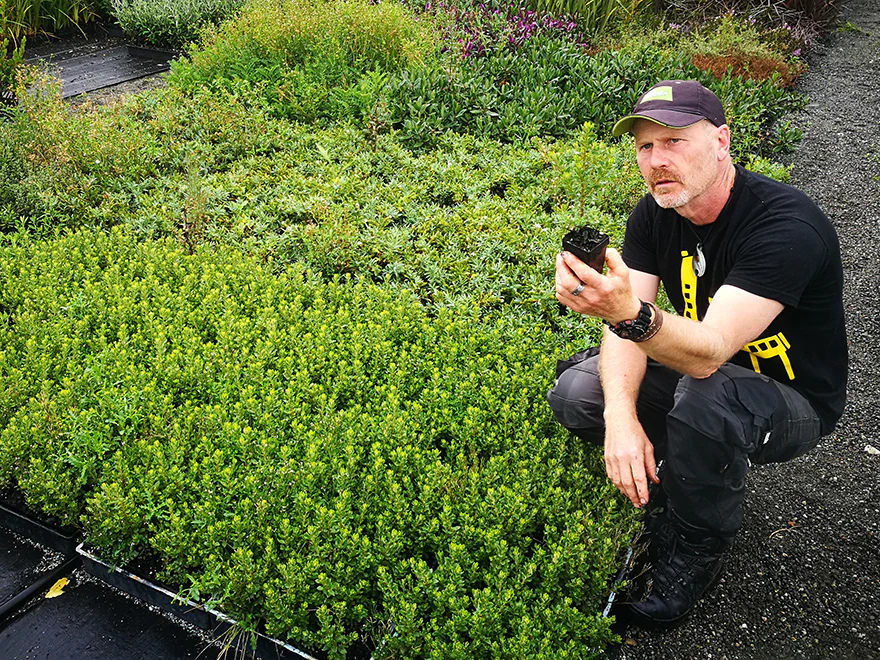
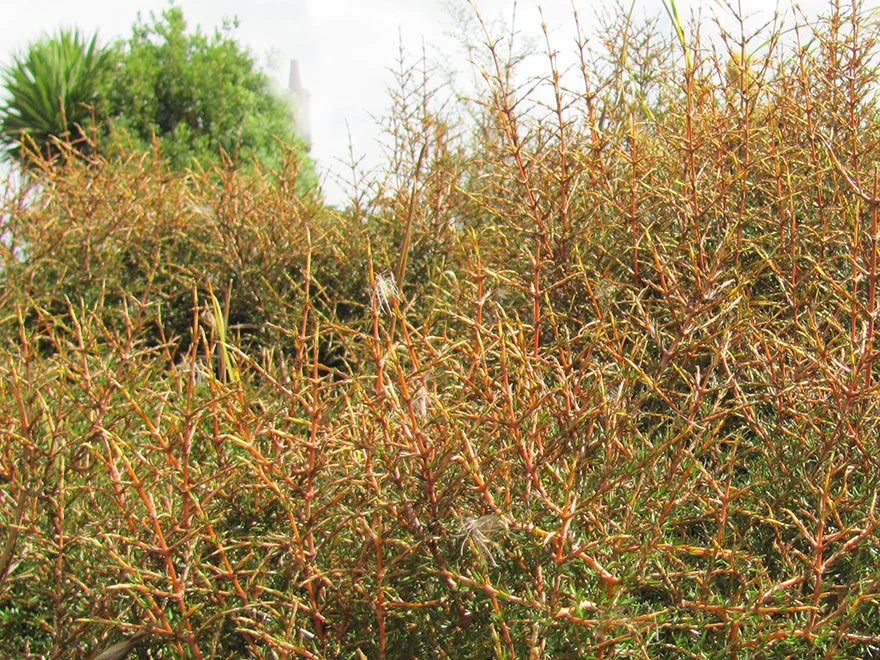
Form & Habit: Dense, rounded, bushy shrub with a neat growth habit.
Growth Rate: Moderate.
Cultural or Ecological Value: Important in native plant communities; supports local pollinators and contributes to coastal and forest restoration efforts.
Mature Size:
| Attribute | Size |
|---|---|
| Height | 1.5–2.5 meters (5–8 feet) |
| Spread | 1.2–2 meters (4–6.5 feet) |
| Form | Rounded, compact |
Ideal Growing Conditions:
| Requirement | Detail |
|---|---|
| Light | Full Sun to Partial Shade |
| Water | Moderate; tolerates some drought once established |
| Soil | Well-drained soils; adapts to sandy or loamy types |
| pH Range | Neutral to slightly acidic |
| Frost Tolerance | Tolerant of light frost |
Landscaping and Garden Uses:
-
Excellent for native gardens and naturalistic plantings
-
Adds structure and texture to coastal and bush edge landscapes
-
Suitable for pollinator-friendly gardens due to its daisy-like flowers
-
Works well in mixed shrub borders and low hedging
-
Ideal for restoration projects and wildlife habitat creation
Care and Maintenance:
-
Pruning: Light pruning after flowering to maintain shape and encourage bushiness
-
Watering: Regular watering during establishment, then moderate water needs
-
Feeding: Use a balanced fertilizer in spring if growth slows
-
Pests and Diseases: Generally free of major pests or diseases
-
Additional Tips: Mulch to retain moisture and suppress weeds; thrives with good air circulation
Fun Fact or Botanical Insight:
The genus Olearia is named after Johann Gottfried Olearius, a 17th-century German botanist. Many species within this genus are valued for their daisy-like flowers and adaptability to diverse environments.
Why Choose Olearia dartonii?
For gardeners seeking a native shrub with subtle foliage, delicate flowers, and reliable hardiness, Olearia dartonii offers year-round appeal and ecological benefits — a perfect addition to natural, coastal, or pollinator-friendly gardens.
Product Information
Product Information
Shipping & Returns
Shipping & Returns
Description
Olearia dartonii (Olearia dartonii)
Common Names: Leatherwood Daisy Bush
Family: Asteraceae
Origin: New Zealand
Plant Type: Evergreen Shrub
Overview:
Olearia dartonii is an evergreen shrub native to New Zealand, admired for its dense, leathery foliage and delicate daisy-like flowers. Its compact, rounded form and soft gray-green leaves create a subtle yet attractive texture, making it perfect for naturalistic gardens, coastal landscapes, and native plantings. This hardy shrub adds year-round structure and seasonal floral interest.
Key Features:
Foliage: Small, leathery, gray-green leaves with a slightly fuzzy texture on the underside, offering a soft, muted tone.
Flowers/Fruit: Small, white to pale mauve daisy-like flowers bloom in late spring to summer, attracting pollinators.
Form & Habit: Dense, rounded, bushy shrub with a neat growth habit.
Growth Rate: Moderate.
Cultural or Ecological Value: Important in native plant communities; supports local pollinators and contributes to coastal and forest restoration efforts.
Mature Size:
| Attribute | Size |
|---|---|
| Height | 1.5–2.5 meters (5–8 feet) |
| Spread | 1.2–2 meters (4–6.5 feet) |
| Form | Rounded, compact |
Ideal Growing Conditions:
| Requirement | Detail |
|---|---|
| Light | Full Sun to Partial Shade |
| Water | Moderate; tolerates some drought once established |
| Soil | Well-drained soils; adapts to sandy or loamy types |
| pH Range | Neutral to slightly acidic |
| Frost Tolerance | Tolerant of light frost |
Landscaping and Garden Uses:
-
Excellent for native gardens and naturalistic plantings
-
Adds structure and texture to coastal and bush edge landscapes
-
Suitable for pollinator-friendly gardens due to its daisy-like flowers
-
Works well in mixed shrub borders and low hedging
-
Ideal for restoration projects and wildlife habitat creation
Care and Maintenance:
-
Pruning: Light pruning after flowering to maintain shape and encourage bushiness
-
Watering: Regular watering during establishment, then moderate water needs
-
Feeding: Use a balanced fertilizer in spring if growth slows
-
Pests and Diseases: Generally free of major pests or diseases
-
Additional Tips: Mulch to retain moisture and suppress weeds; thrives with good air circulation
Fun Fact or Botanical Insight:
The genus Olearia is named after Johann Gottfried Olearius, a 17th-century German botanist. Many species within this genus are valued for their daisy-like flowers and adaptability to diverse environments.
Why Choose Olearia dartonii?
For gardeners seeking a native shrub with subtle foliage, delicate flowers, and reliable hardiness, Olearia dartonii offers year-round appeal and ecological benefits — a perfect addition to natural, coastal, or pollinator-friendly gardens.