Hebe Fruticeti
Hebe (Veronica) fruticeti
Common names: Alpine Hebe
Family: Plantaginaceae
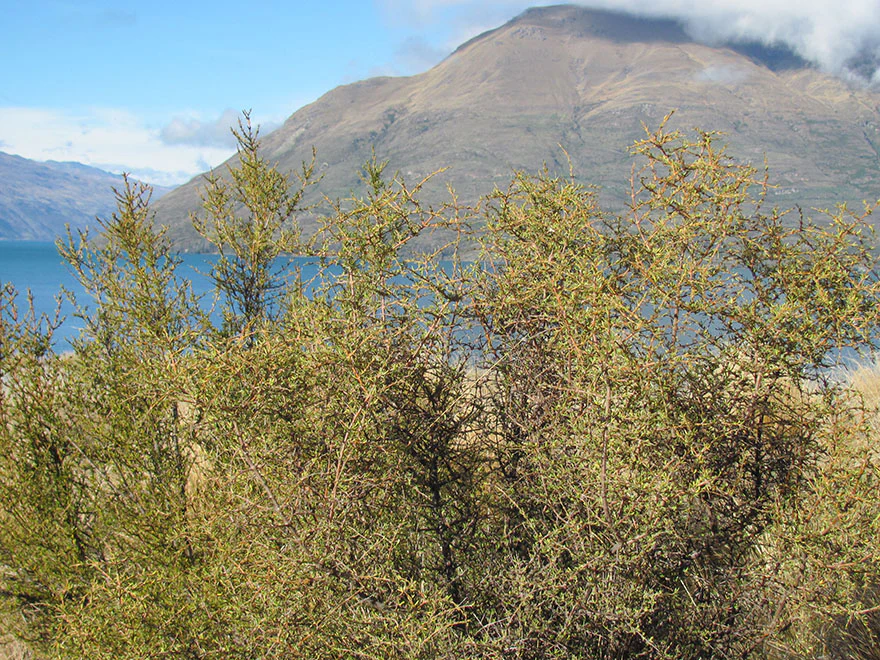
Origin: New Zealand (alpine & subalpine habitats)
Plant Type: Evergreen Shrub
Overview
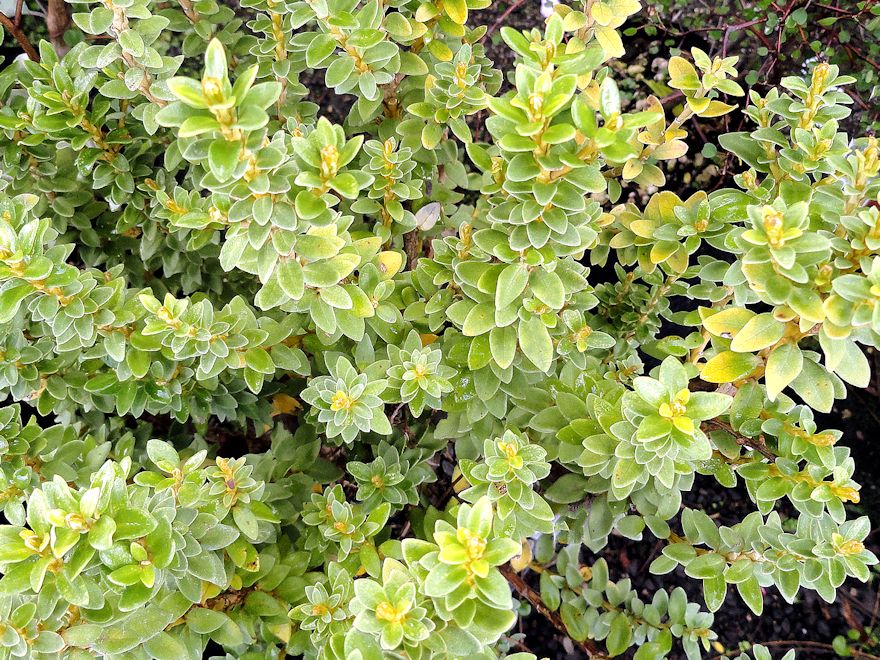
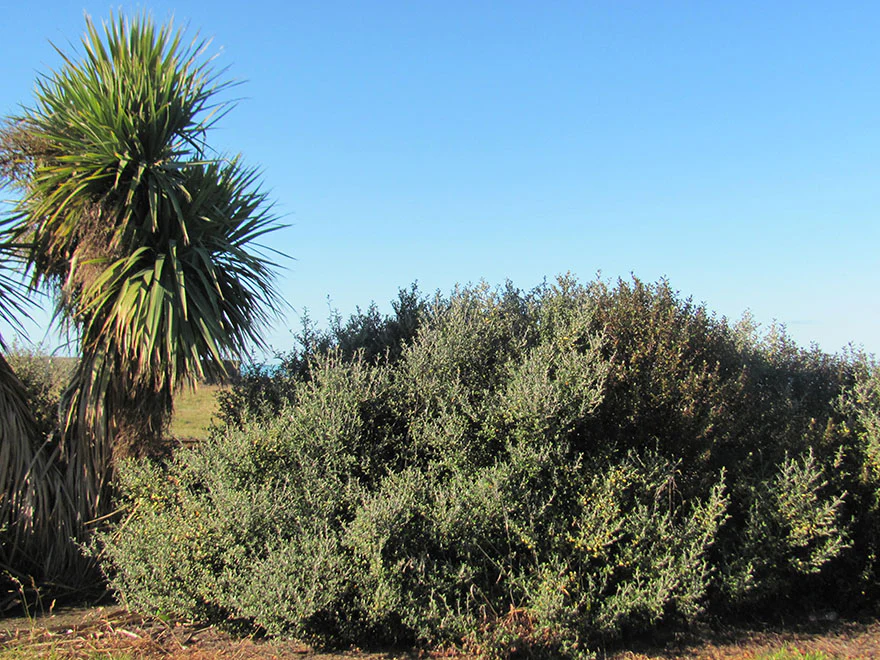
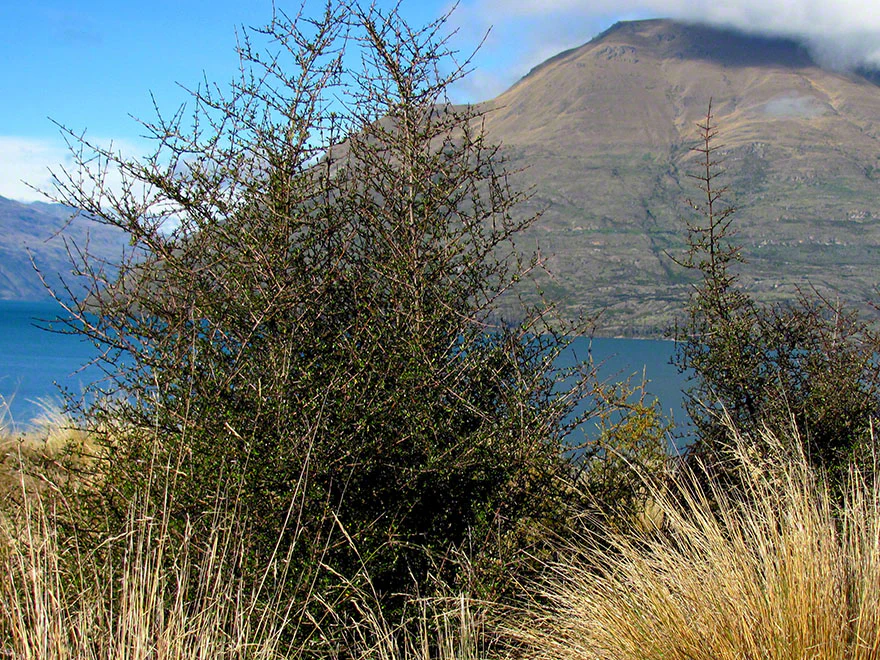
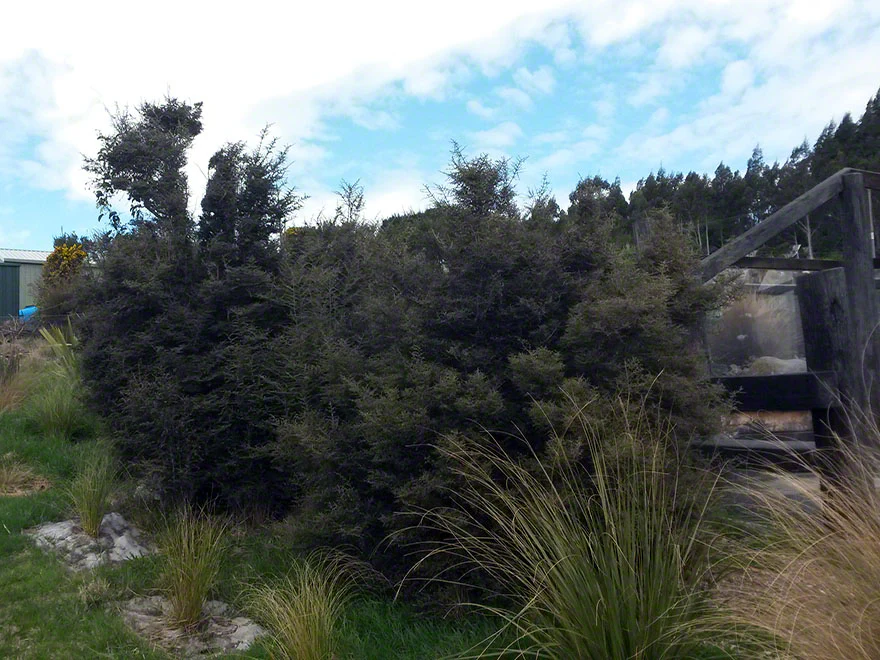
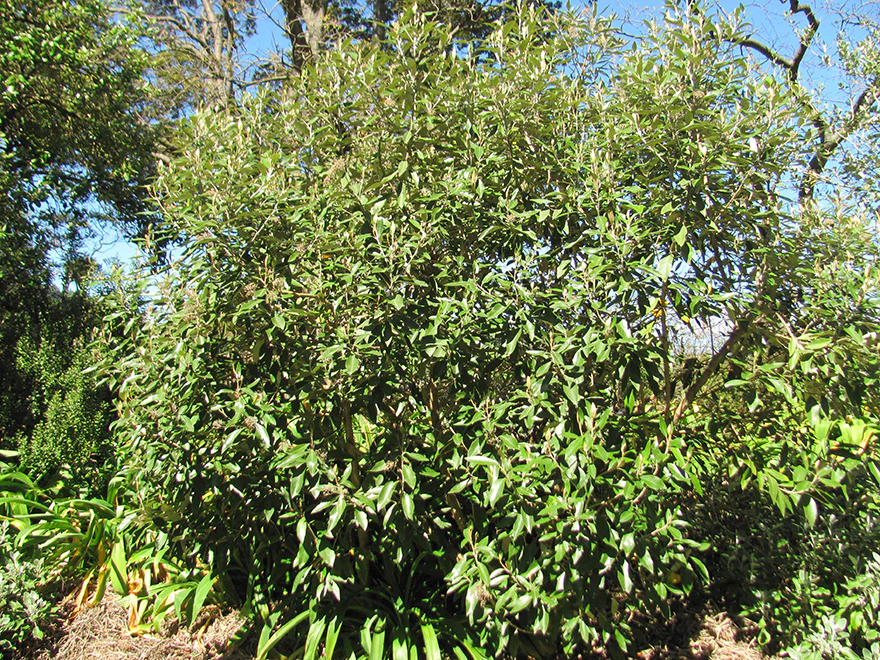
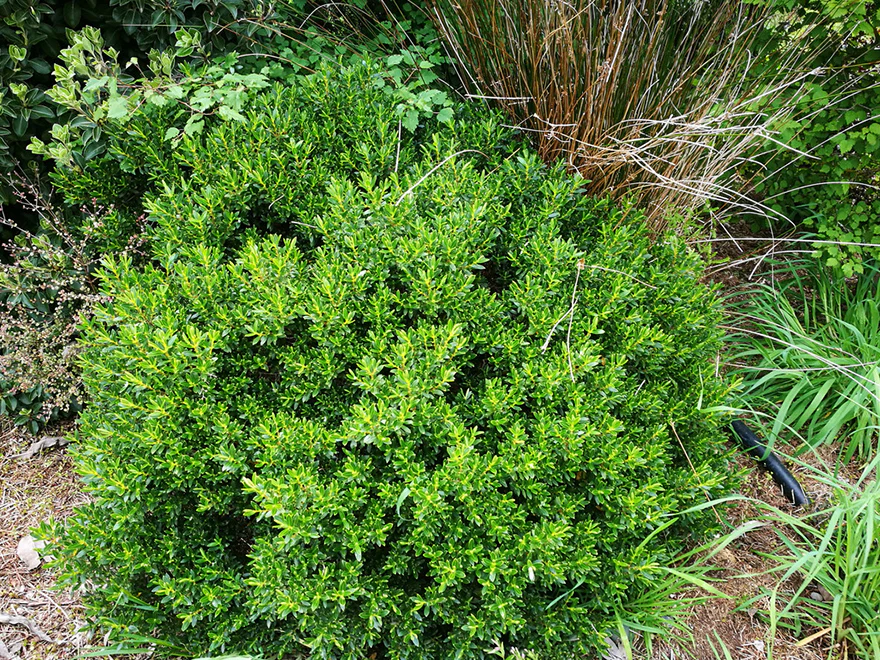
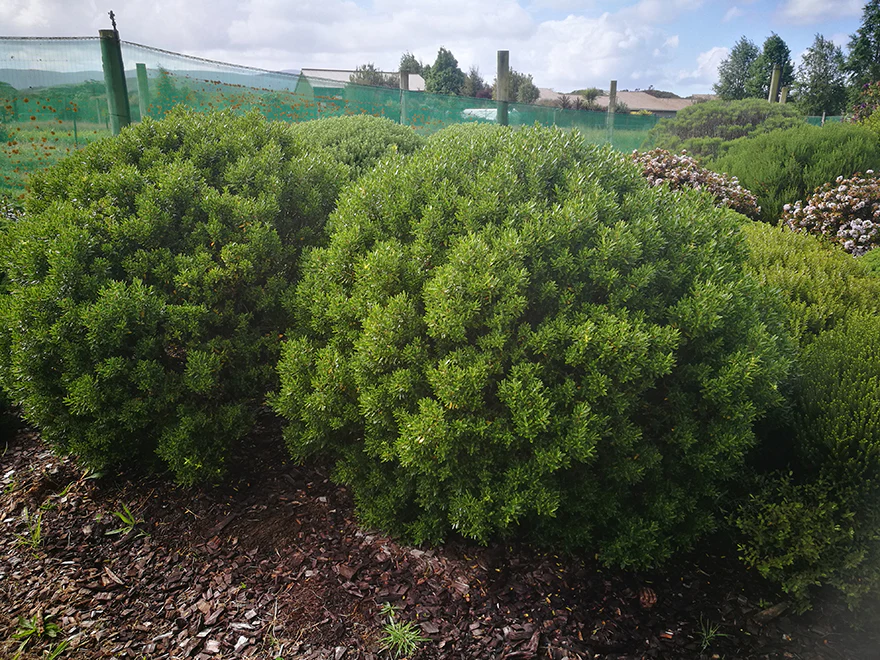
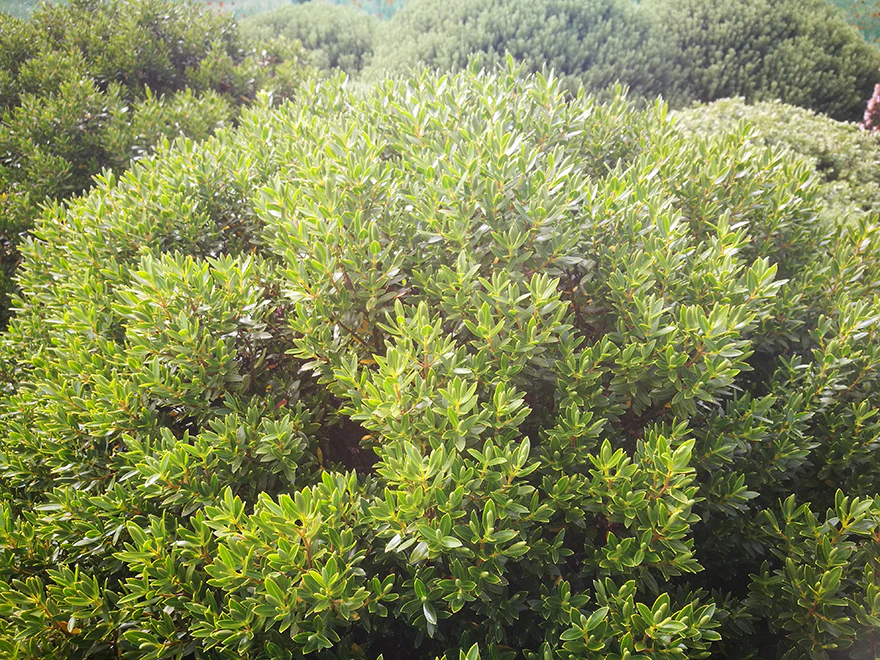
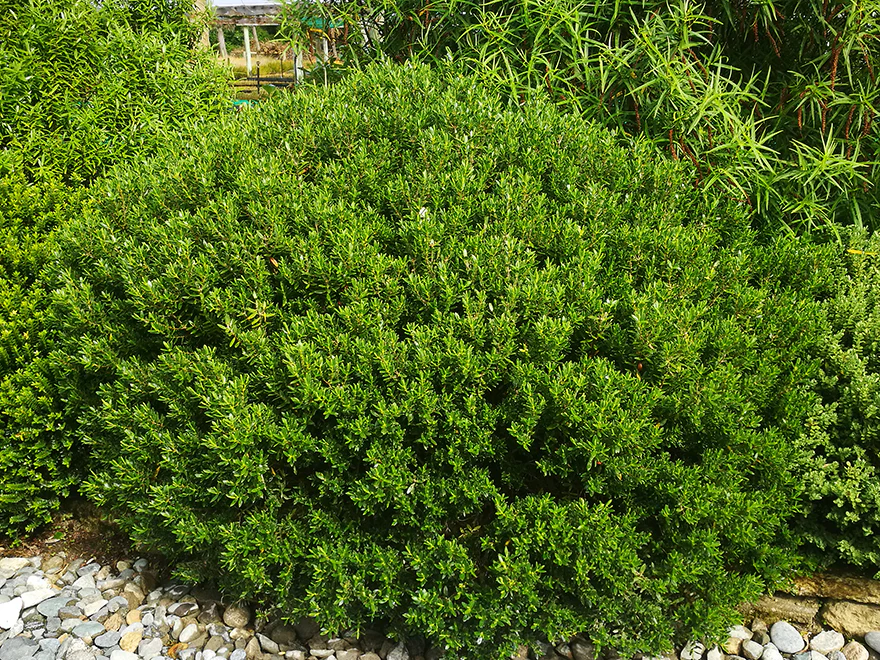
Hebe (Veronica) fruticeti is a hardy alpine hebe with a naturally rounded, compact form and bright deep green foliage. Known for its exceptional toughness, it thrives in harsh, cold, coastal, and drought-prone environments while producing a beautiful flush of white flowers each spring. A reliable choice for exposed gardens and low-maintenance native plantings.
Key Features
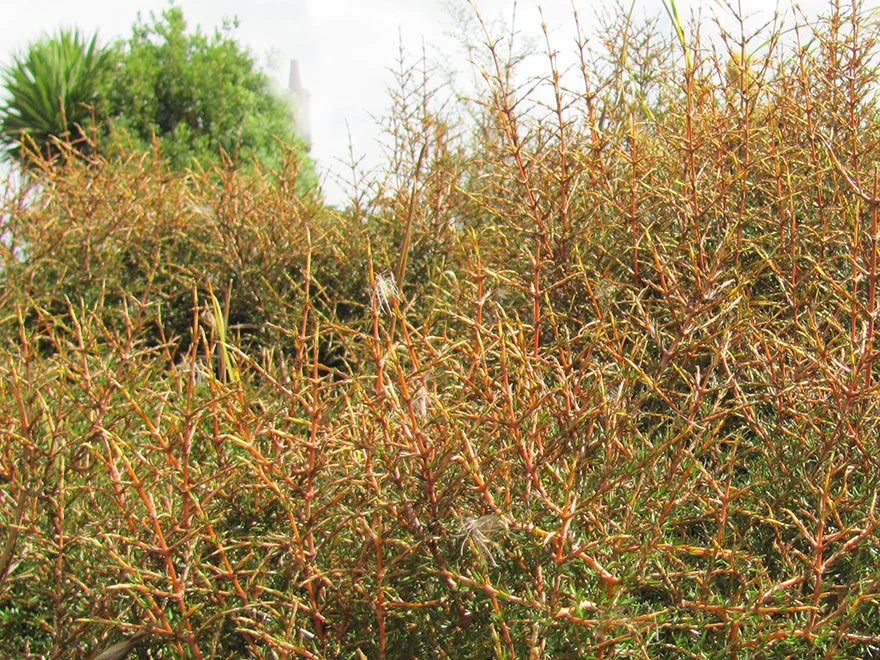
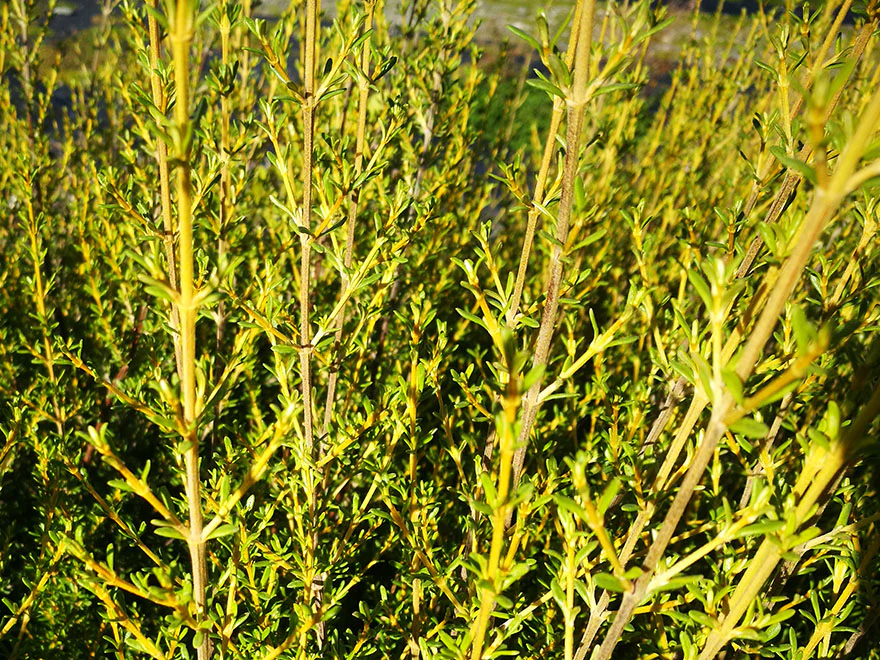
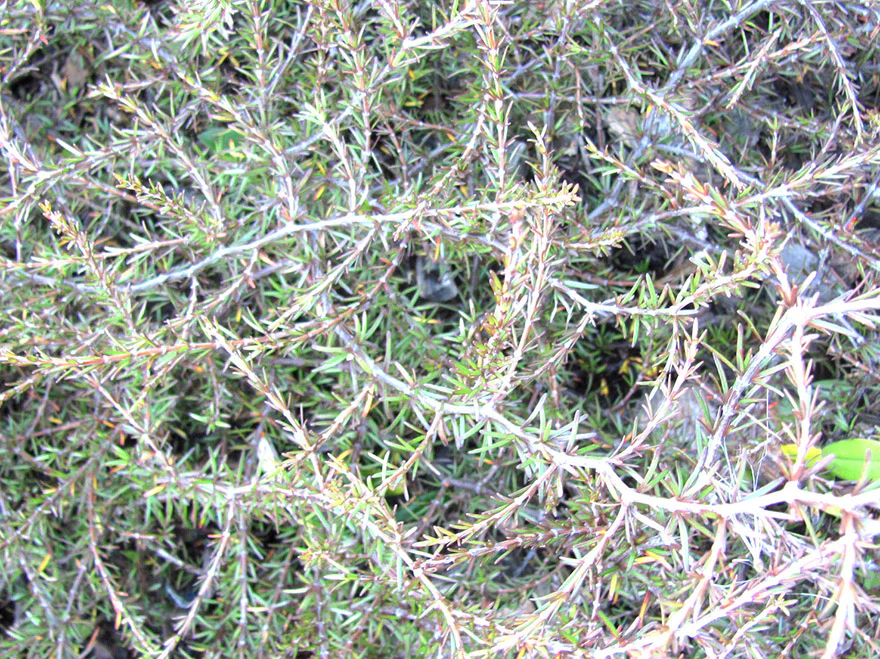
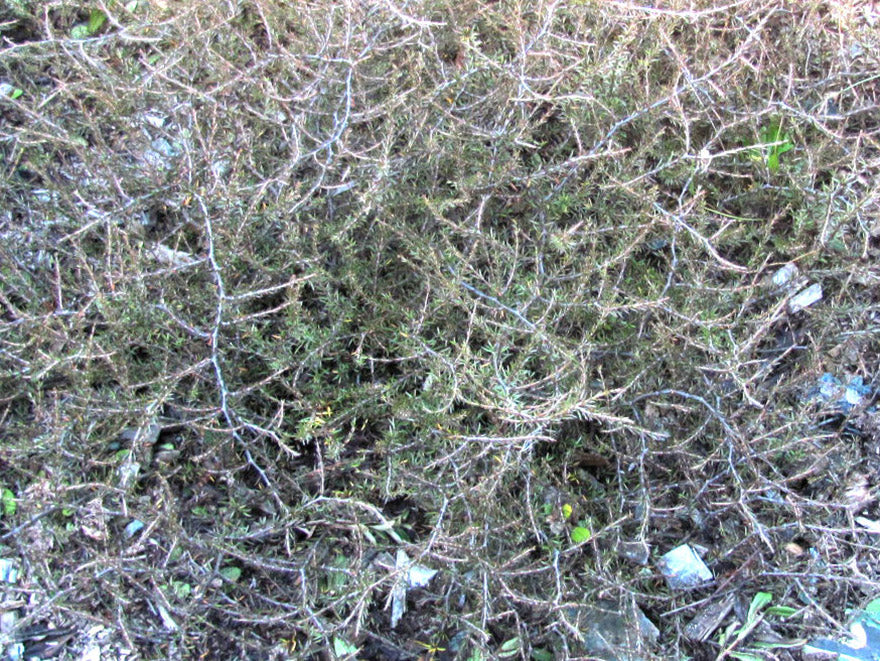
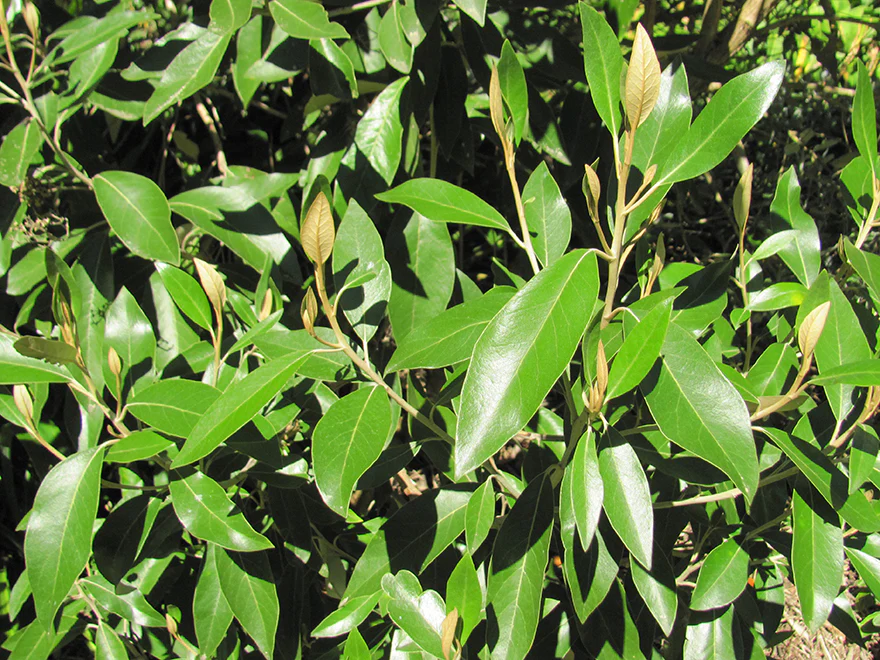
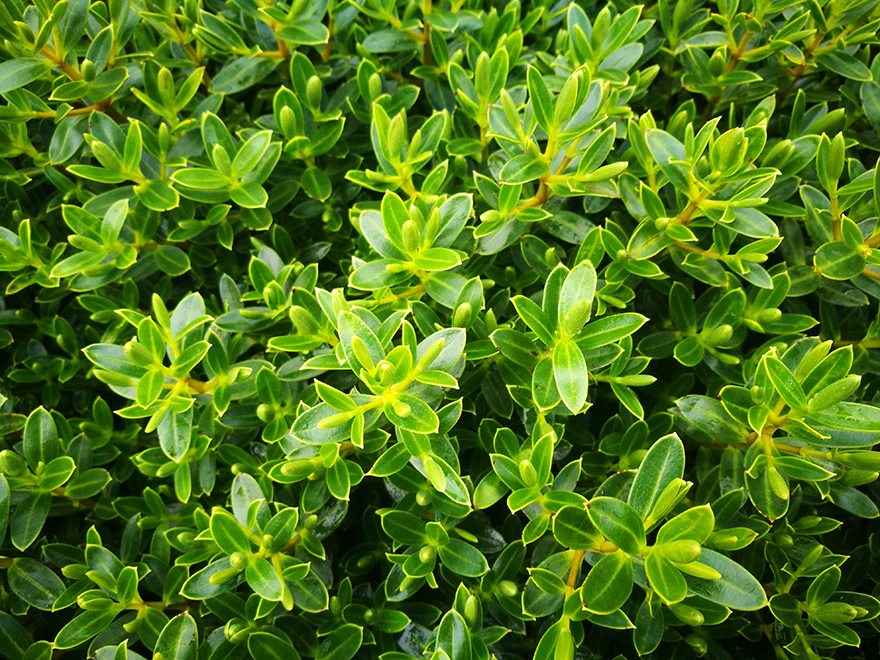
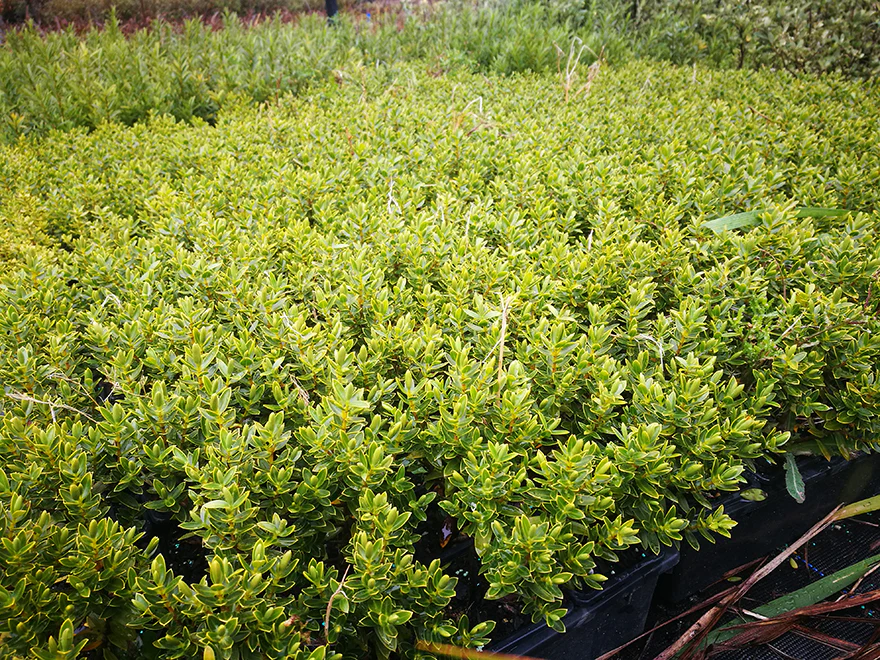
Foliage: Dense, rounded clusters of deep green leaves that hold their colour year-round; naturally tidy without pruning.
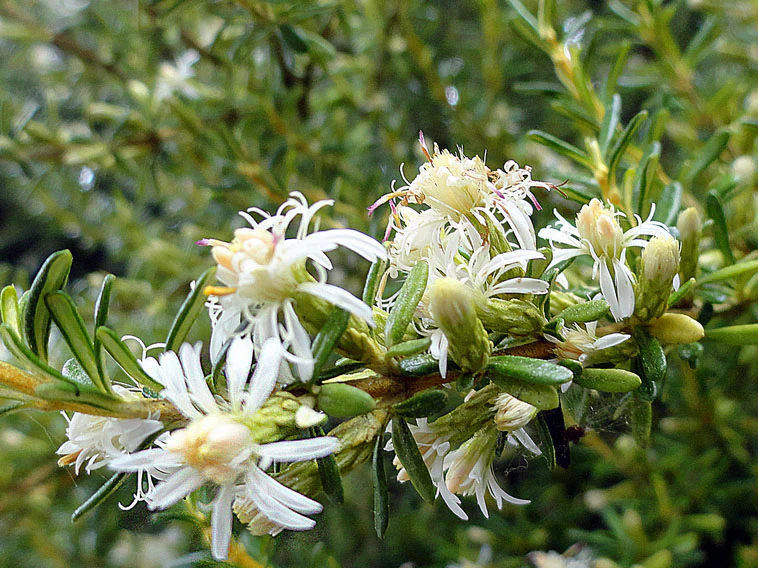
Flowers / Fruit: Masses of small white flowers in spring, highly attractive to bees and other pollinators.
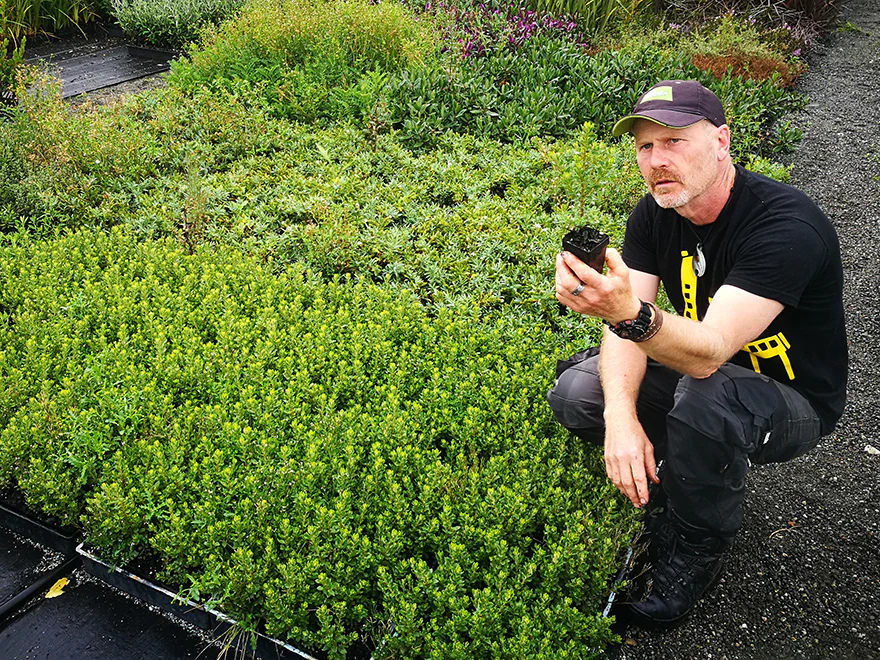
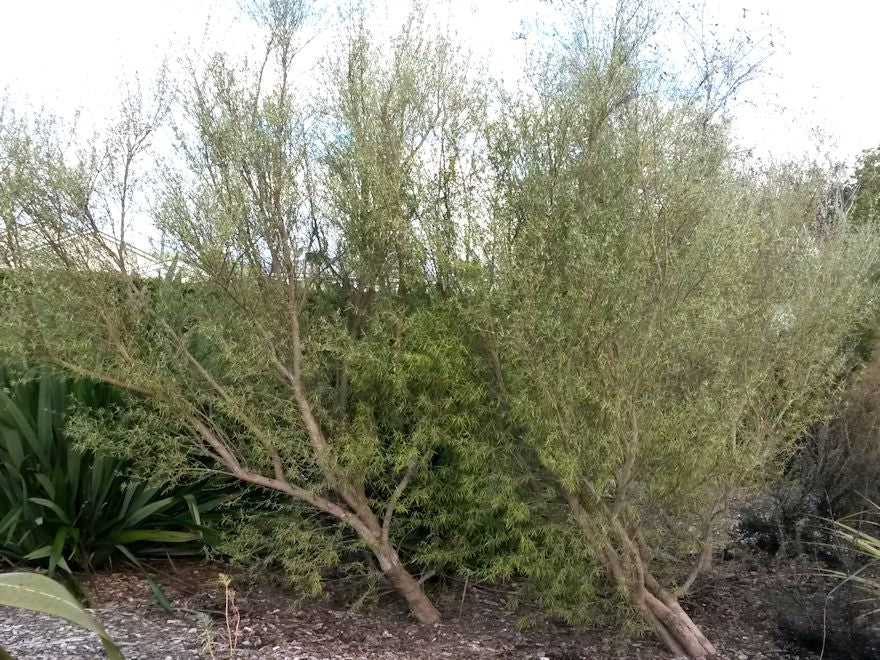
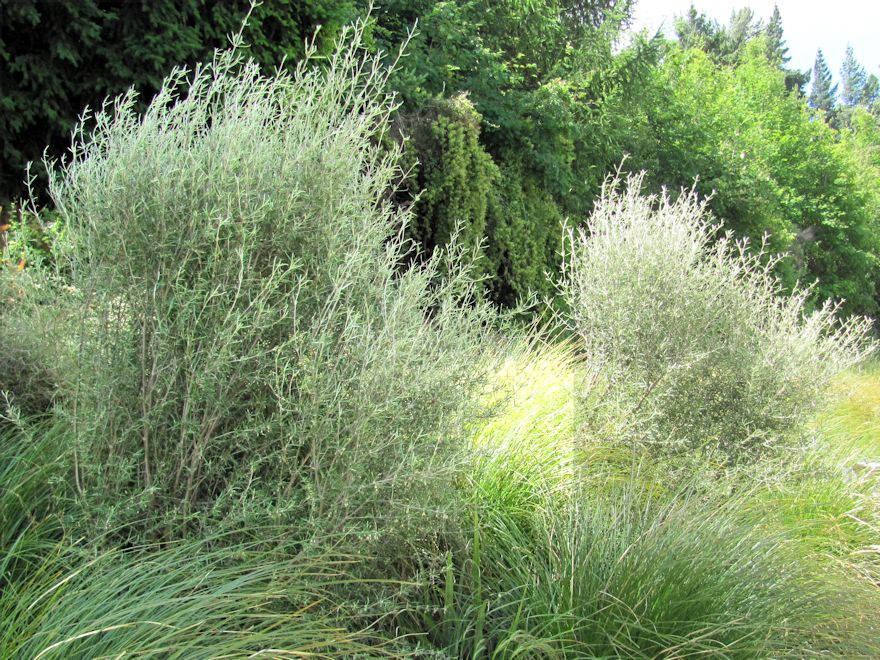
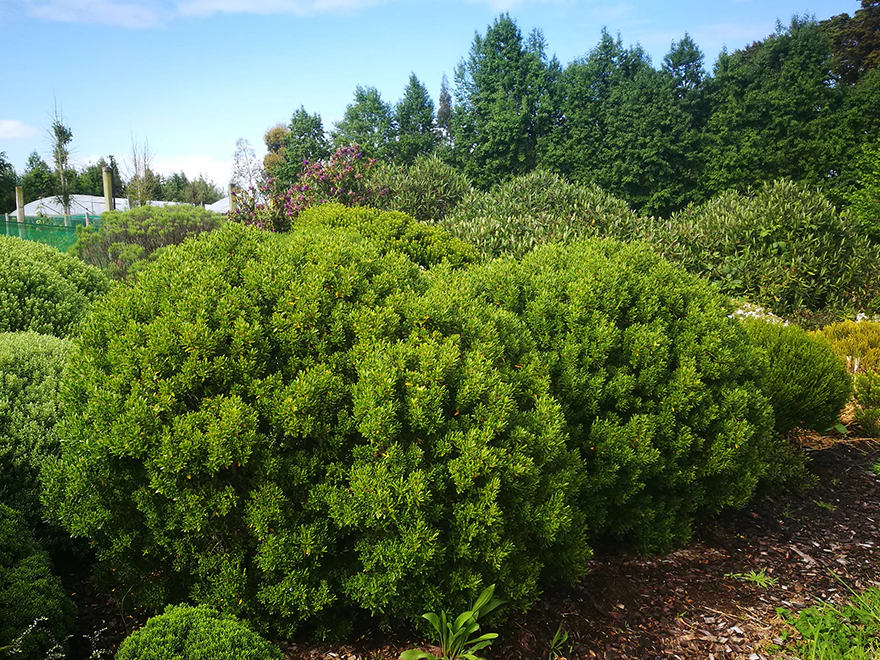
Form & Habit: Compact, mounding shrub typically reaching 60–80cm high with a neat, rounded habit.
Growth Rate: Moderate.
Cultural & Ecological Value: Excellent for alpine gardens, restoration projects, and wind-exposed sites; offers habitat value and strong ecological resilience.
Mature Size
| Attribute | Size |
|---|---|
| Height | 60–80 cm |
| Spread | 60–80 cm |
| Form | Rounded, compact shrub |
Ideal Growing Conditions
| Requirement | Detail |
|---|---|
| Light | Full sun for best flowering and compact form |
| Water | Low; drought-tolerant once established |
| Soil | Prefers free-draining soils; ideal on rocky, sandy, or stony sites |
| pH Range | Neutral to slightly acidic |
| Frost Tolerance | Very hardy; withstands alpine cold, wind, and coastal conditions |
Landscaping & Garden Uses
-
Excellent for alpine and rock gardens
-
Coastal gardens and dry exposed sites
-
Mass planting for structure and uniformity
-
Great border shrub for native and mixed landscapes
-
Strong pairing with grasses, flaxes, poboys, and other small hebes
Care & Maintenance
Pruning: Not required; naturally compact.
Watering: Minimal once established; water during first season only.
Feeding: Benefits from light spring feeding in poor soils.
Pests & Diseases: Highly resistant; very reliable in harsh environments.
Additional Tips
-
Ideal for gardens where frost, salt, or wind limit plant choices.
-
Plant in groups for a cohesive alpine aesthetic.
-
Avoid heavy, waterlogged soils.
Fun Fact / Botanical Insight
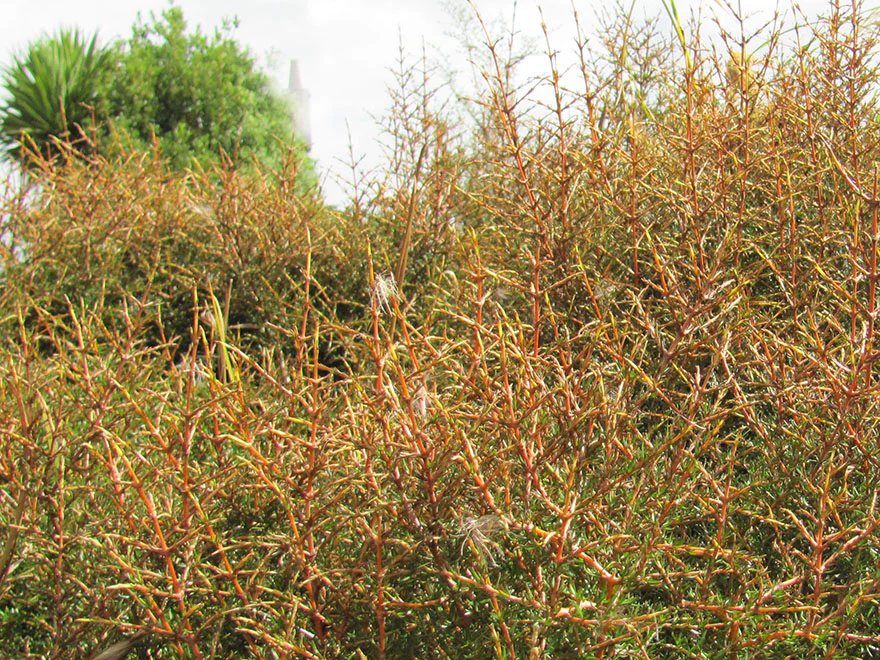
Many alpine hebes evolved in extreme NZ environments, developing compact forms and tough foliage—traits clearly seen in Hebe (Veronica) fruticeti.
Why Choose Hebe (Veronica) fruticeti?
A resilient, compact, and beautifully floriferous alpine hebe that brings year-round structure and spring brightness to even the toughest sites.
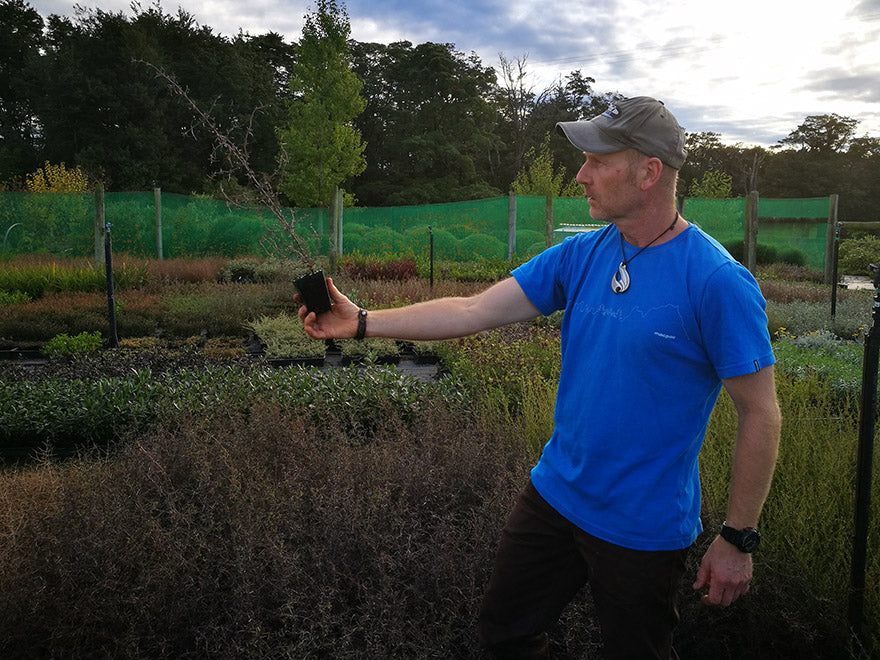
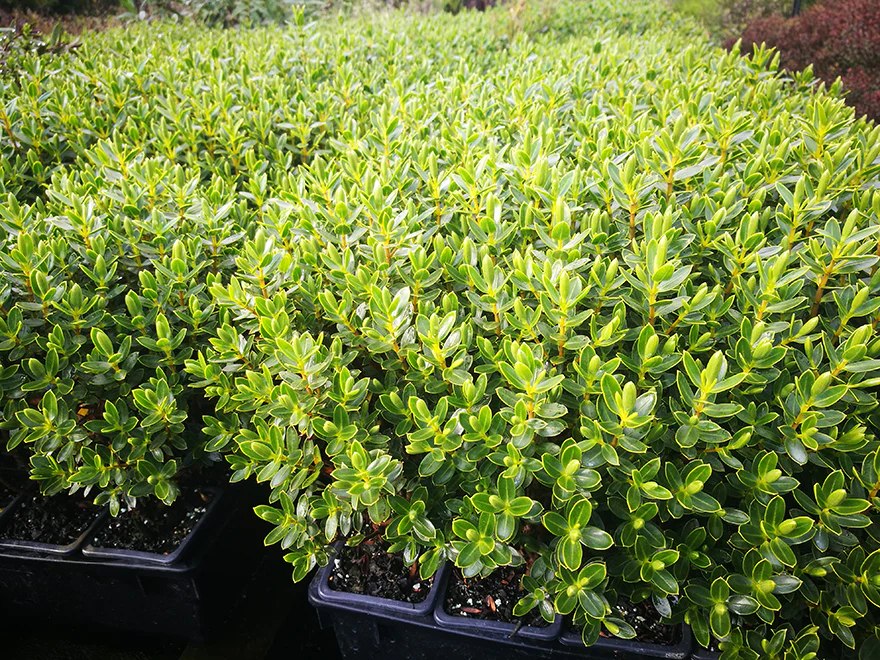
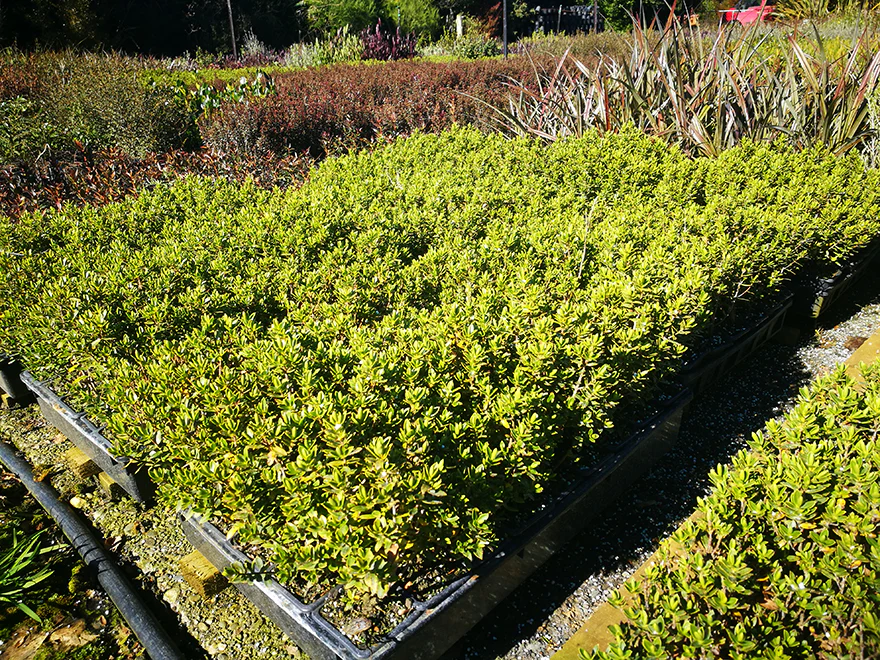
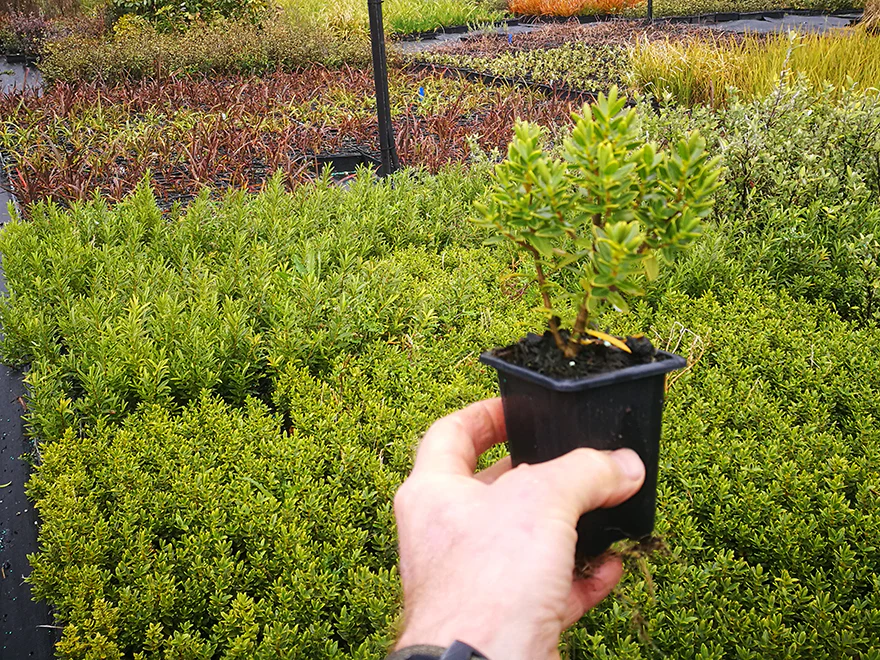
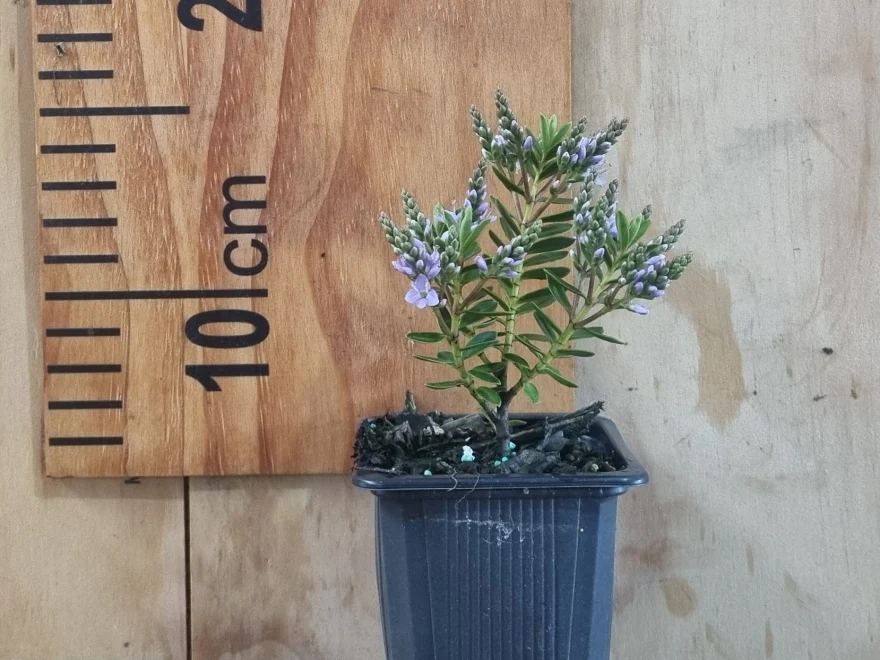
Pot Size: These are our standard size in 7cm square pots.
Product Information
Product Information
Shipping & Returns
Shipping & Returns
Description
Hebe (Veronica) fruticeti
Common names: Alpine Hebe
Family: Plantaginaceae
Origin: New Zealand (alpine & subalpine habitats)
Plant Type: Evergreen Shrub
Overview
Hebe (Veronica) fruticeti is a hardy alpine hebe with a naturally rounded, compact form and bright deep green foliage. Known for its exceptional toughness, it thrives in harsh, cold, coastal, and drought-prone environments while producing a beautiful flush of white flowers each spring. A reliable choice for exposed gardens and low-maintenance native plantings.
Key Features
Foliage: Dense, rounded clusters of deep green leaves that hold their colour year-round; naturally tidy without pruning.
Flowers / Fruit: Masses of small white flowers in spring, highly attractive to bees and other pollinators.
Form & Habit: Compact, mounding shrub typically reaching 60–80cm high with a neat, rounded habit.
Growth Rate: Moderate.
Cultural & Ecological Value: Excellent for alpine gardens, restoration projects, and wind-exposed sites; offers habitat value and strong ecological resilience.
Mature Size
| Attribute | Size |
|---|---|
| Height | 60–80 cm |
| Spread | 60–80 cm |
| Form | Rounded, compact shrub |
Ideal Growing Conditions
| Requirement | Detail |
|---|---|
| Light | Full sun for best flowering and compact form |
| Water | Low; drought-tolerant once established |
| Soil | Prefers free-draining soils; ideal on rocky, sandy, or stony sites |
| pH Range | Neutral to slightly acidic |
| Frost Tolerance | Very hardy; withstands alpine cold, wind, and coastal conditions |
Landscaping & Garden Uses
-
Excellent for alpine and rock gardens
-
Coastal gardens and dry exposed sites
-
Mass planting for structure and uniformity
-
Great border shrub for native and mixed landscapes
-
Strong pairing with grasses, flaxes, poboys, and other small hebes
Care & Maintenance
Pruning: Not required; naturally compact.
Watering: Minimal once established; water during first season only.
Feeding: Benefits from light spring feeding in poor soils.
Pests & Diseases: Highly resistant; very reliable in harsh environments.
Additional Tips
-
Ideal for gardens where frost, salt, or wind limit plant choices.
-
Plant in groups for a cohesive alpine aesthetic.
-
Avoid heavy, waterlogged soils.
Fun Fact / Botanical Insight
Many alpine hebes evolved in extreme NZ environments, developing compact forms and tough foliage—traits clearly seen in Hebe (Veronica) fruticeti.
Why Choose Hebe (Veronica) fruticeti?
A resilient, compact, and beautifully floriferous alpine hebe that brings year-round structure and spring brightness to even the toughest sites.
Pot Size: These are our standard size in 7cm square pots.