Hebe Brachysiphon
Hebe (Veronica) brachysiphon
Common Names: Alpine Hebe
Family: Plantaginaceae
Origin: New Zealand (South Island alpine regions)
Plant Type: Evergreen Shrub
Overview
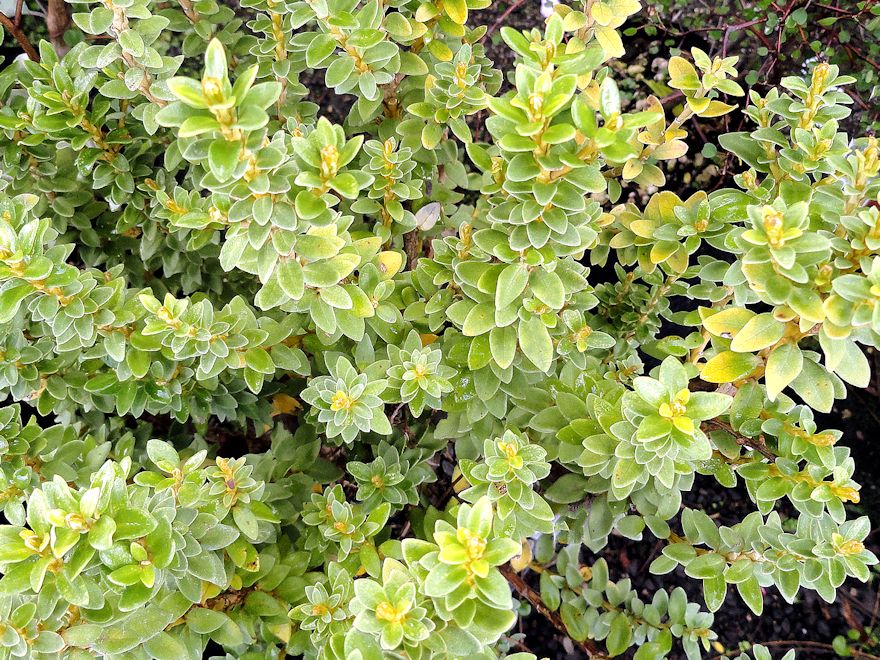
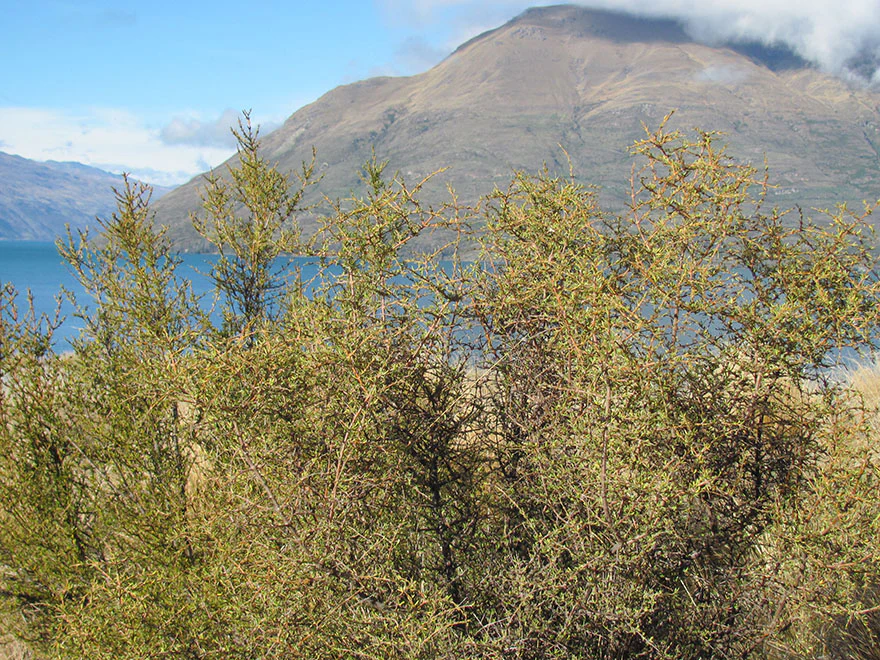
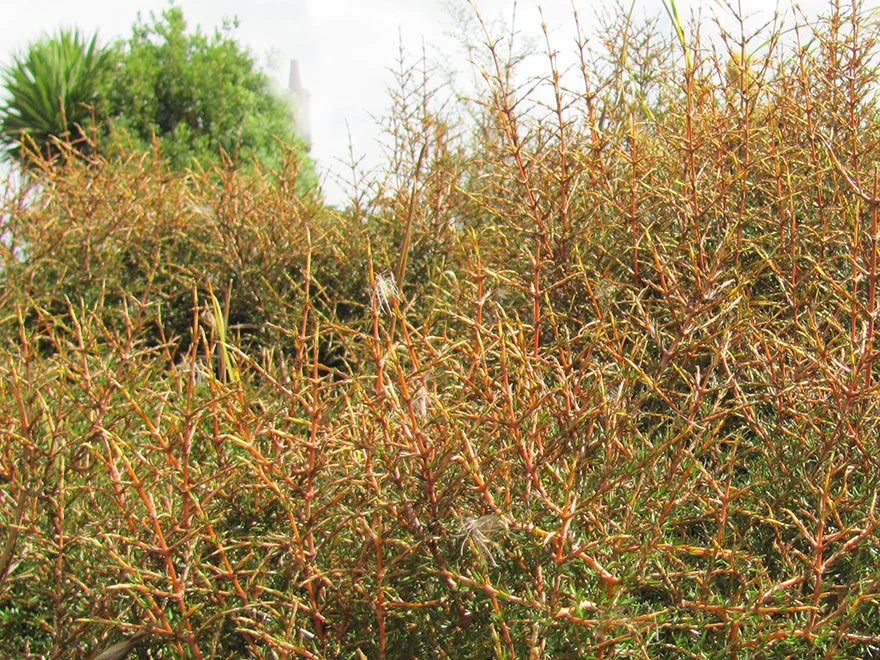
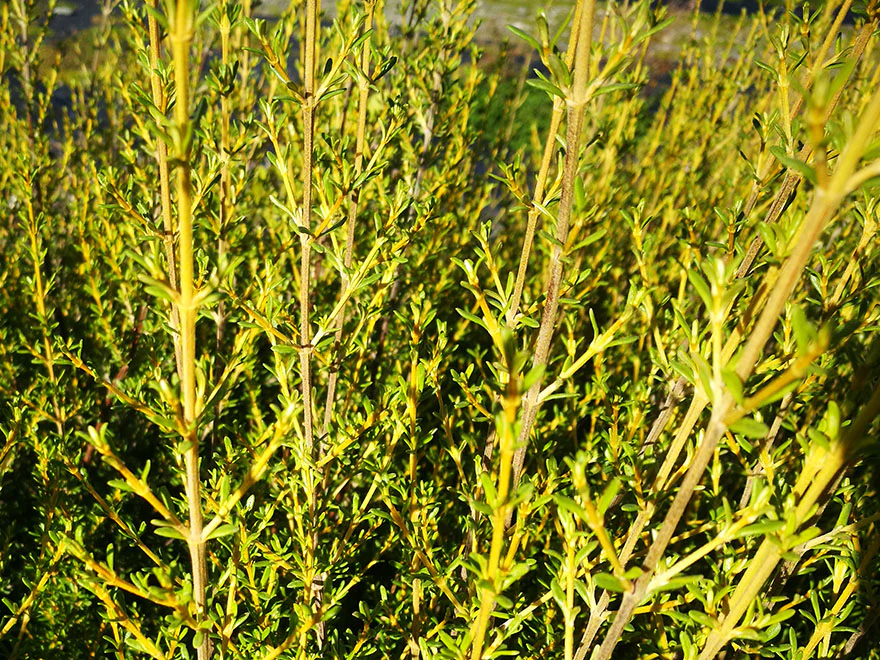
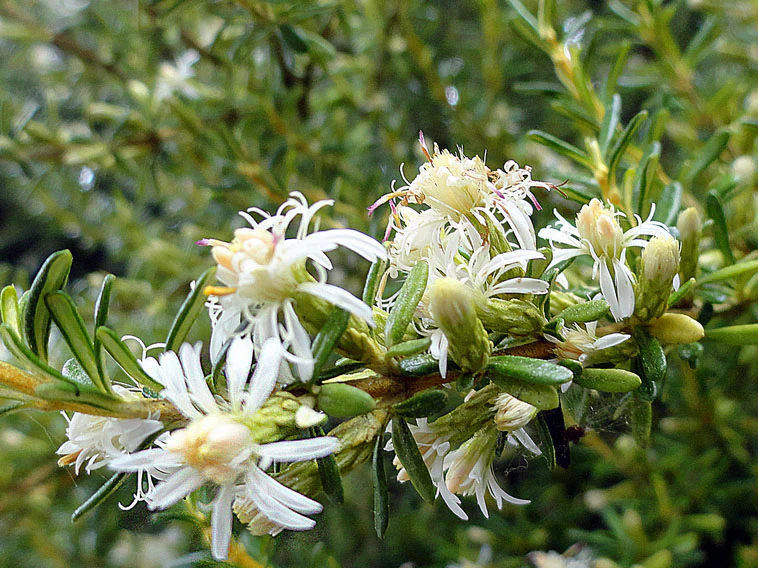
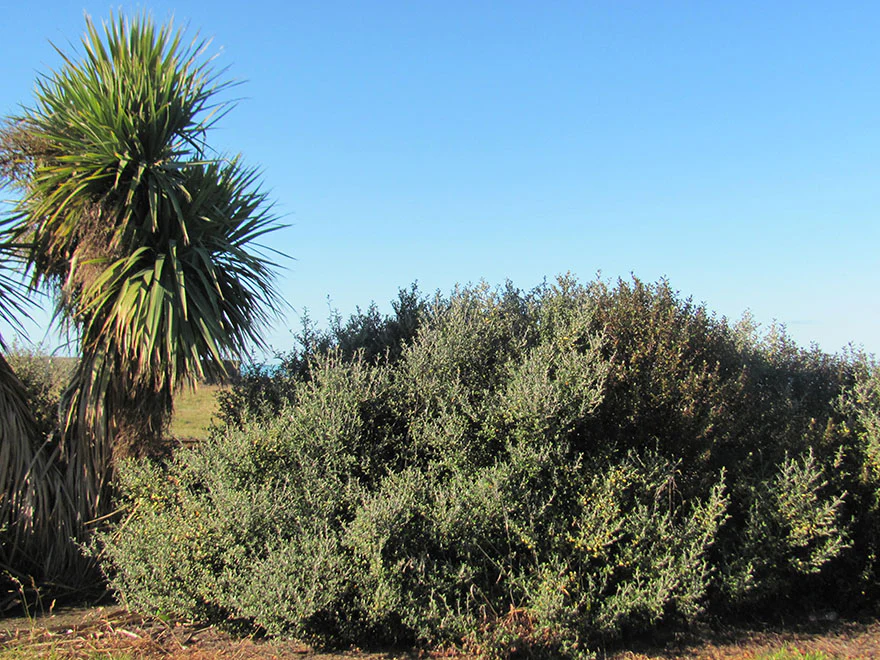
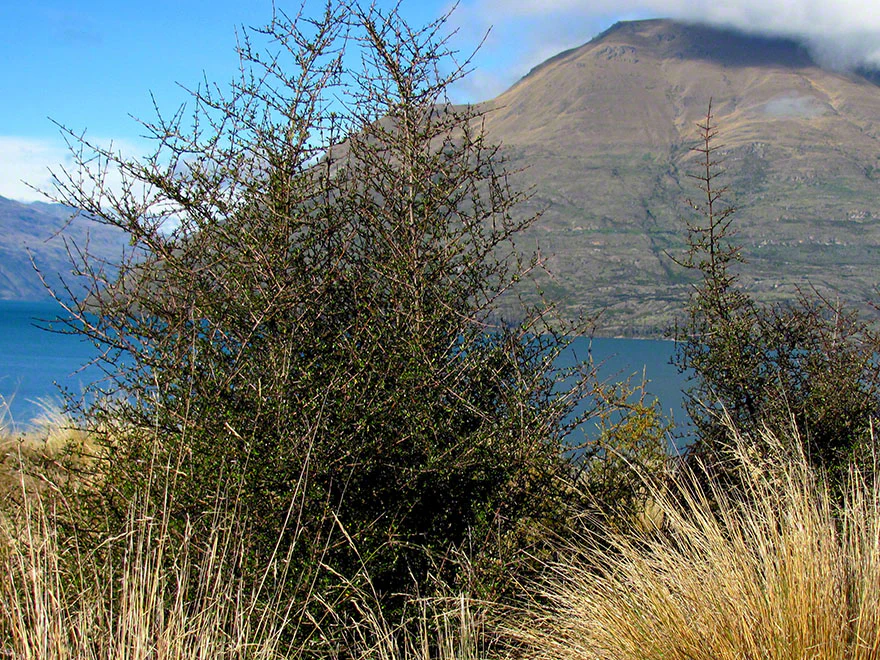
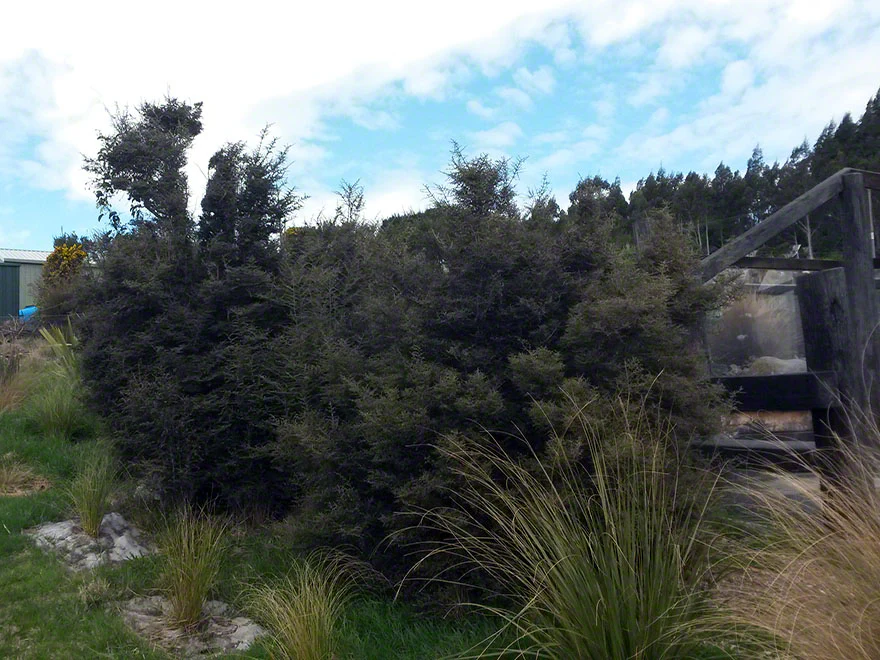
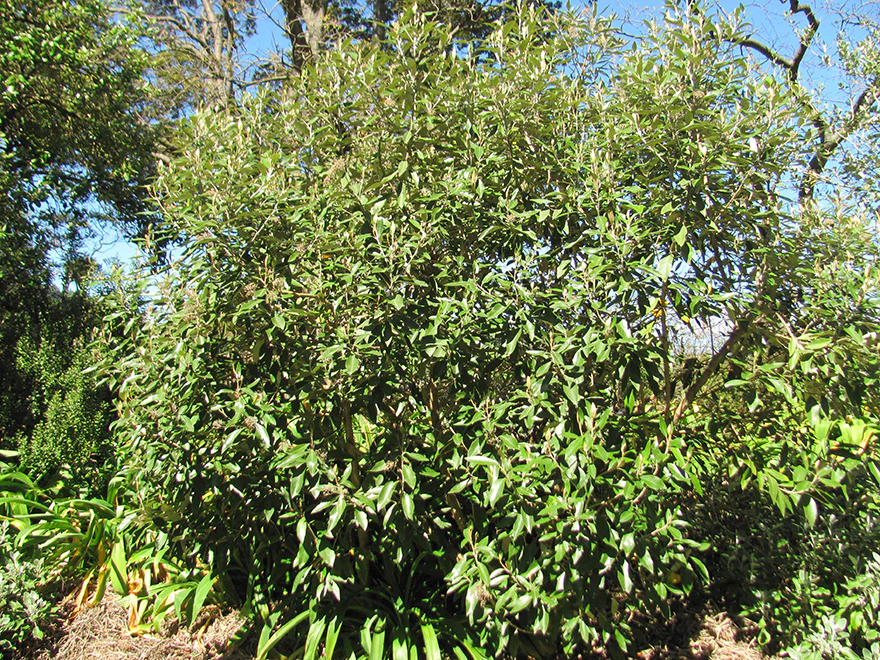
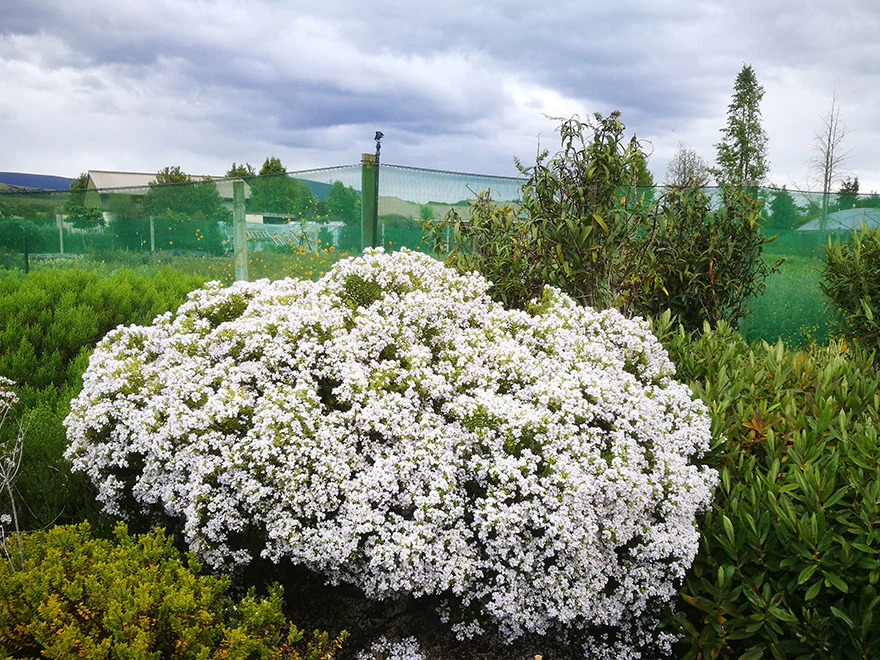
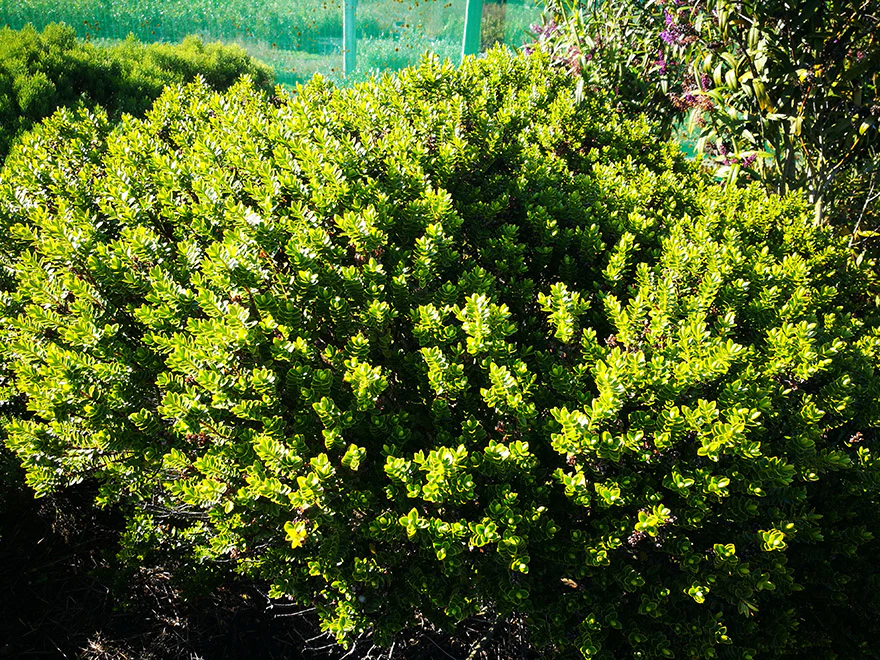
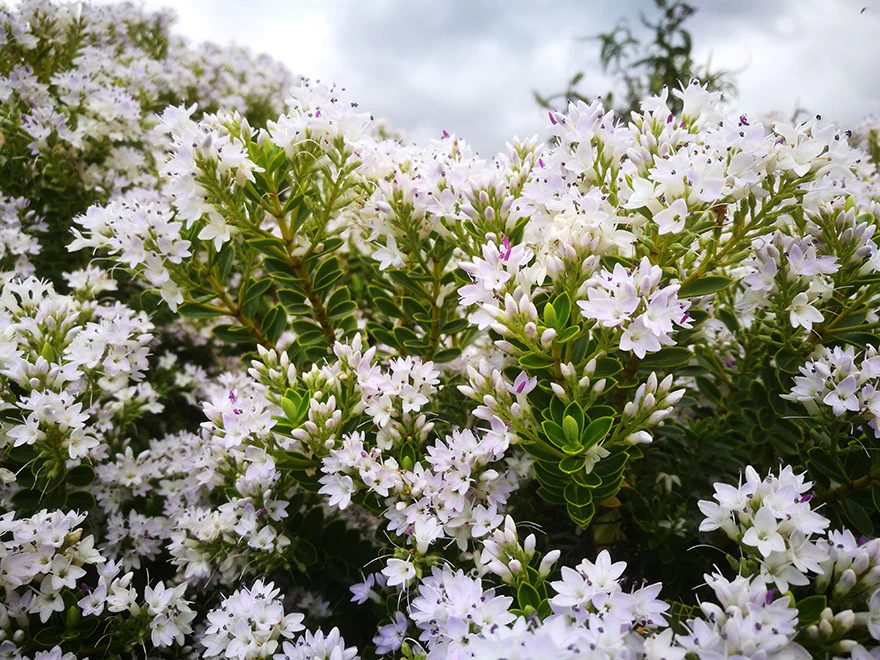
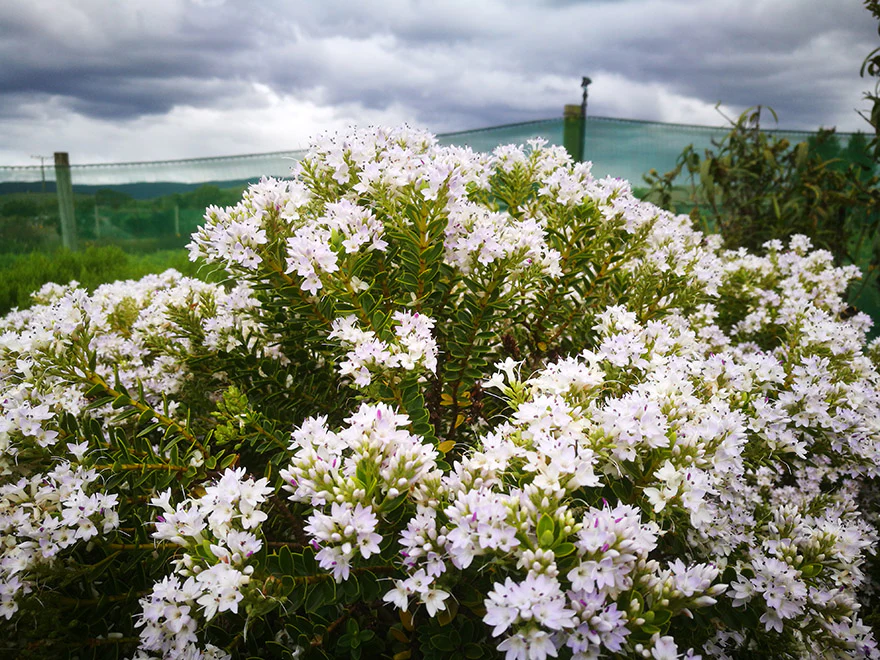
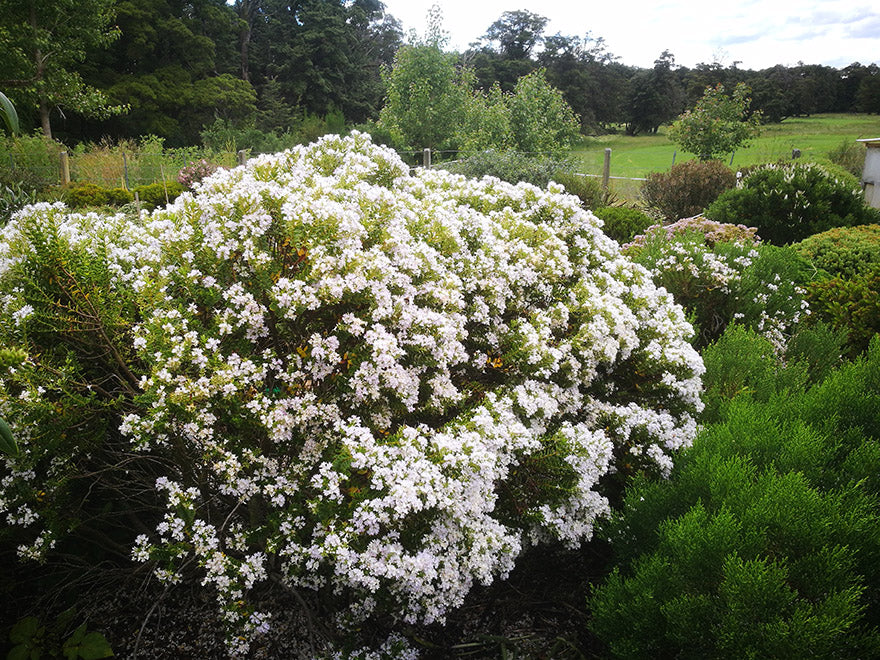
Hebe (Veronica) brachysiphon forms a compact, rounded low-growing shrub with glossy green leaves and a neat, tidy shape. A hardy alpine species, it thrives in exposed, cold, and dry conditions, rewarding gardeners with masses of dainty white flowers in summer.
Key Features
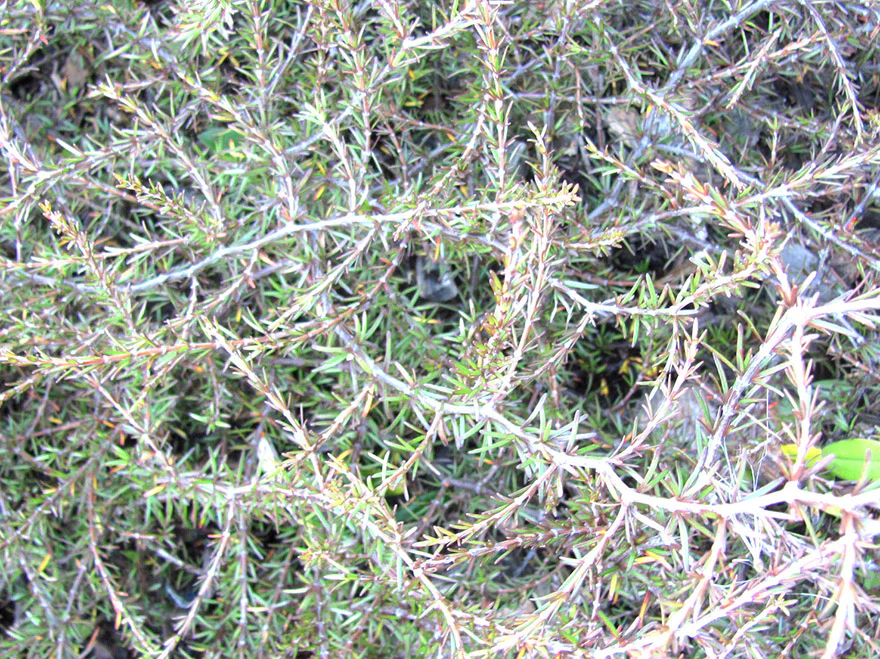
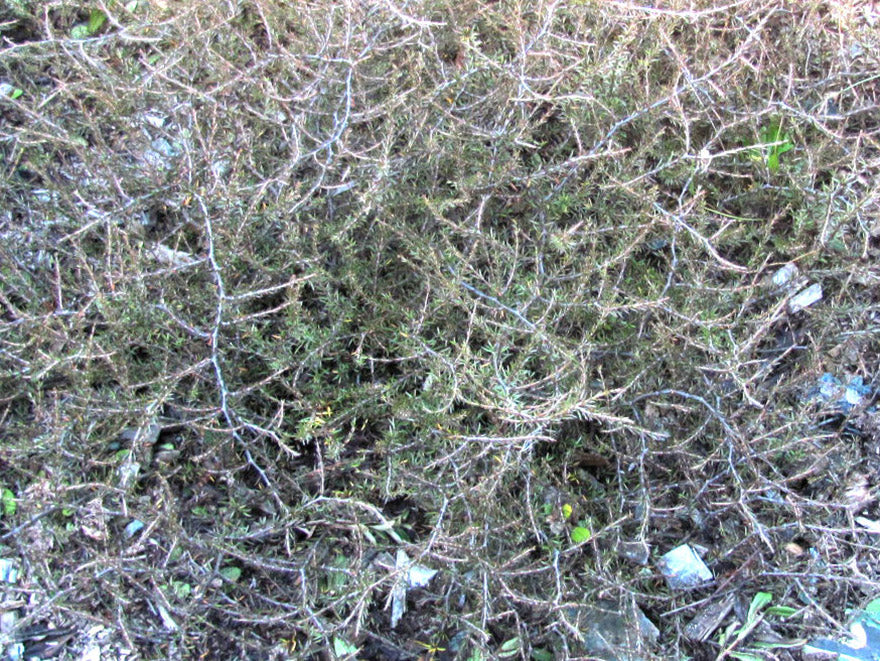
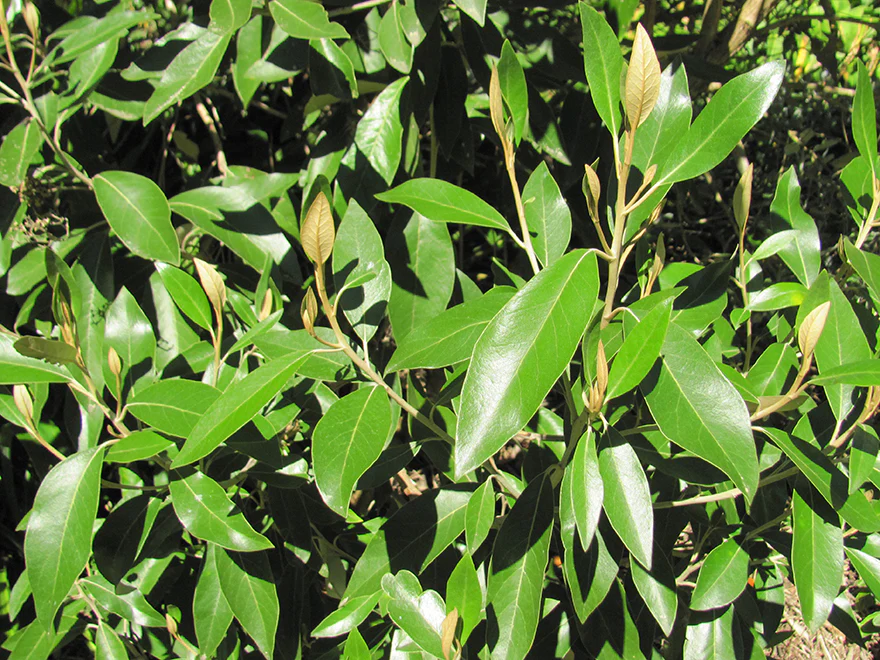
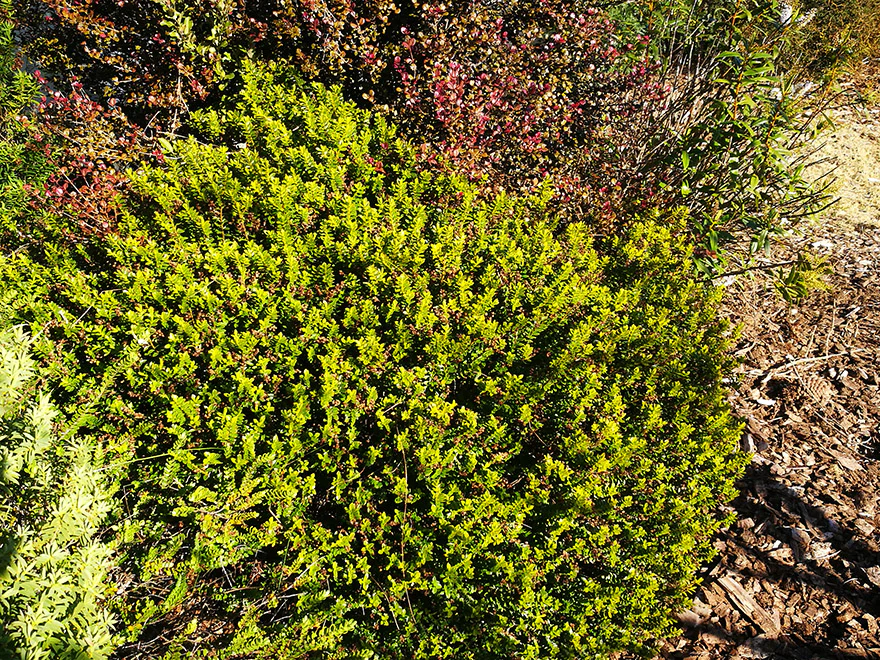
Foliage: Small, glossy green leaves forming dense, even coverage; evergreen year-round.
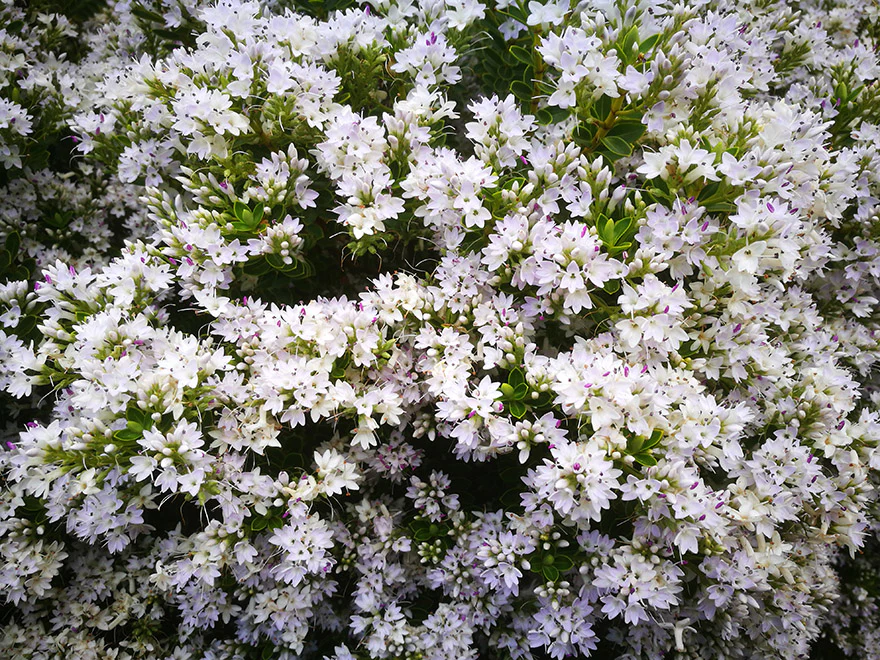
Flowers / Fruit: Profuse clusters of small white flowers in summer; highly attractive to pollinators.
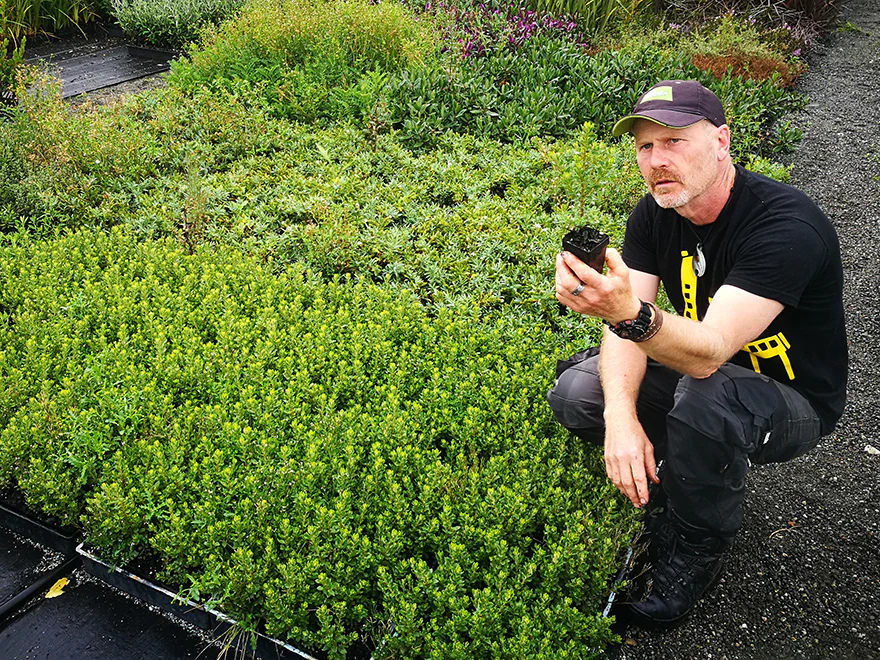
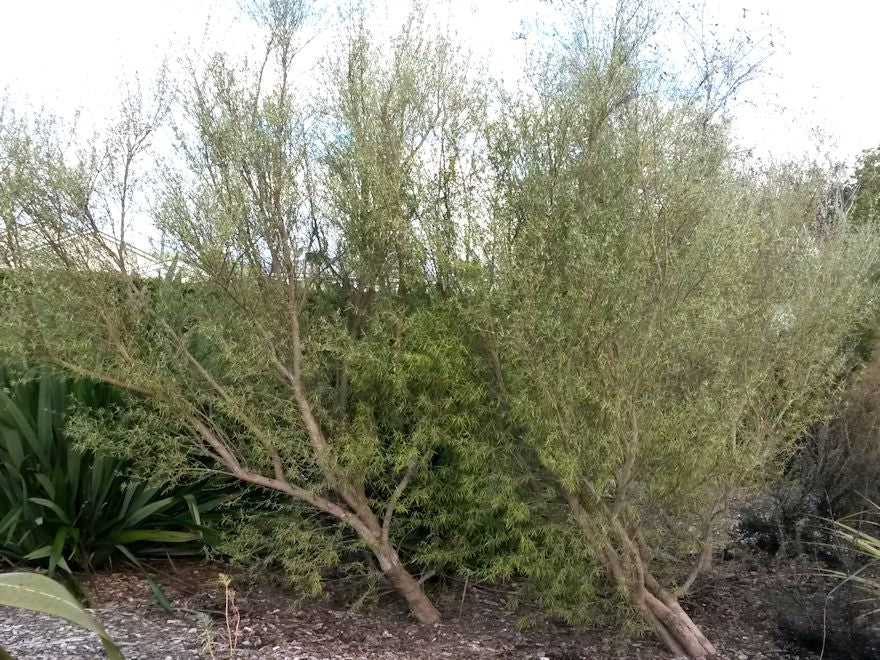
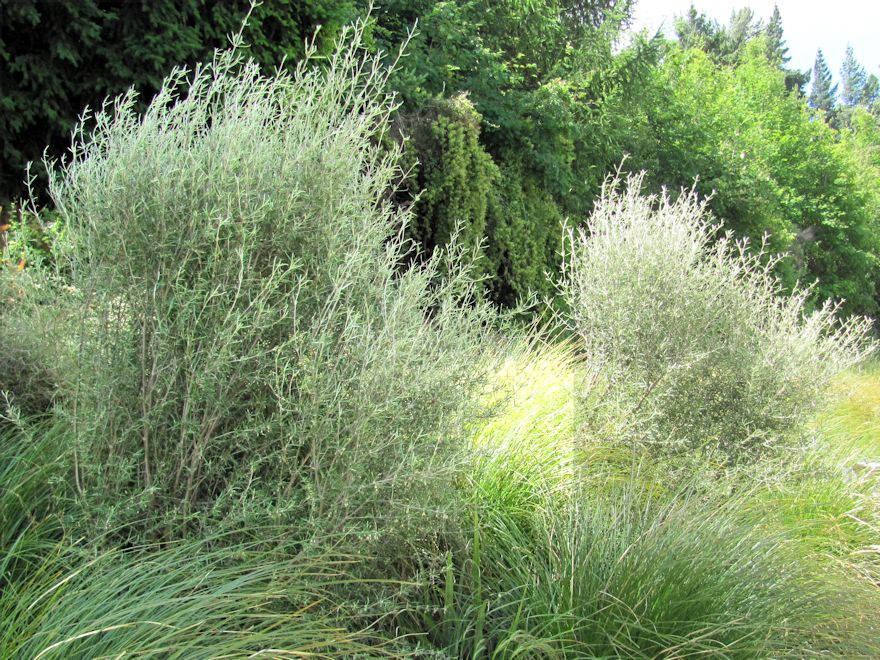
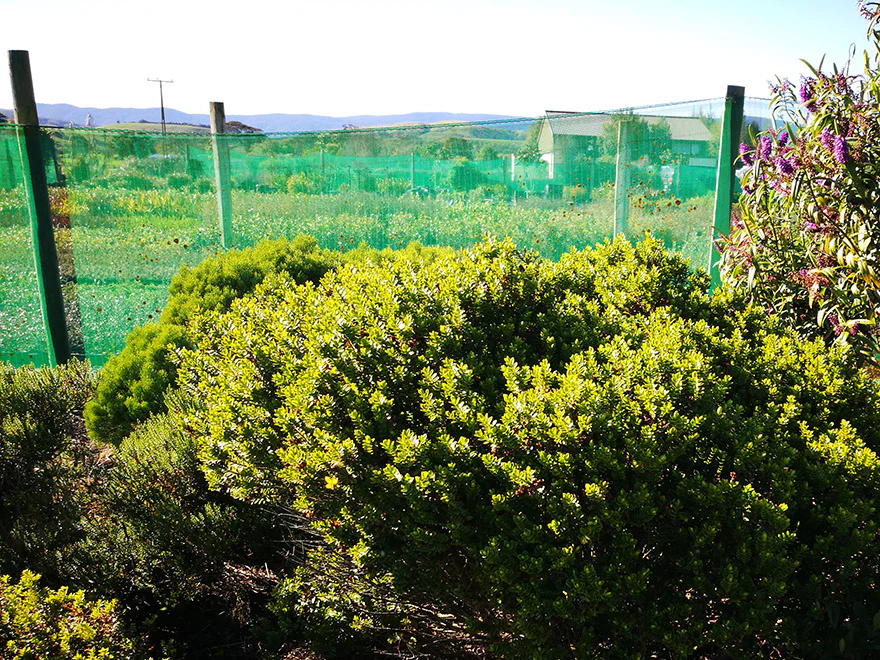
Form & Habit: Compact, rounded mound; naturally tidy and self-shaping.
Growth Rate: Moderate.
Cultural & Ecological Value: Native alpine species tolerant of frost, wind, and poor soils; ideal for low-maintenance native landscapes.
Mature Size
| Attribute | Size |
|---|---|
| Height | 1 m |
| Spread | 1.2 m |
| Form | Rounded, compact mound |
Ideal Growing Conditions
| Requirement | Detail |
|---|---|
| Light | Full sun to light shade |
| Water | Low to moderate once established |
| Soil | Free-draining, gritty or sandy soil; dislikes heavy clay |
| pH Range | Neutral to slightly acidic |
| Frost Tolerance | Excellent; hardy to severe frost and alpine exposure |
Landscaping & Garden Uses
-
Excellent for alpine and rock gardens
-
Great for coastal and exposed sites
-
Perfect for low borders or mass planting
-
Pairs well with other compact native shrubs and grasses
Care & Maintenance
Pruning: Light trim after flowering to maintain shape and encourage dense growth.
Watering: Moderate during establishment; drought tolerant once settled.
Feeding: Occasional native fertiliser in spring for best flowering.
Pests & Diseases: Generally pest- and disease-free.
Additional Tips
Avoid waterlogged soils, especially in winter. Performs best on slopes or raised beds with good drainage.
Fun Fact / Botanical Insight
The name brachysiphon means “short tube,” referring to the flower shape—typical of many alpine hebes adapted to cool, open habitats.
Why Choose Hebe (Veronica) brachysiphon?
A beautifully compact, hardy alpine hebe that combines neat form, glossy foliage, and masses of white blooms—ideal for gardeners seeking resilience and tidy year-round structure.
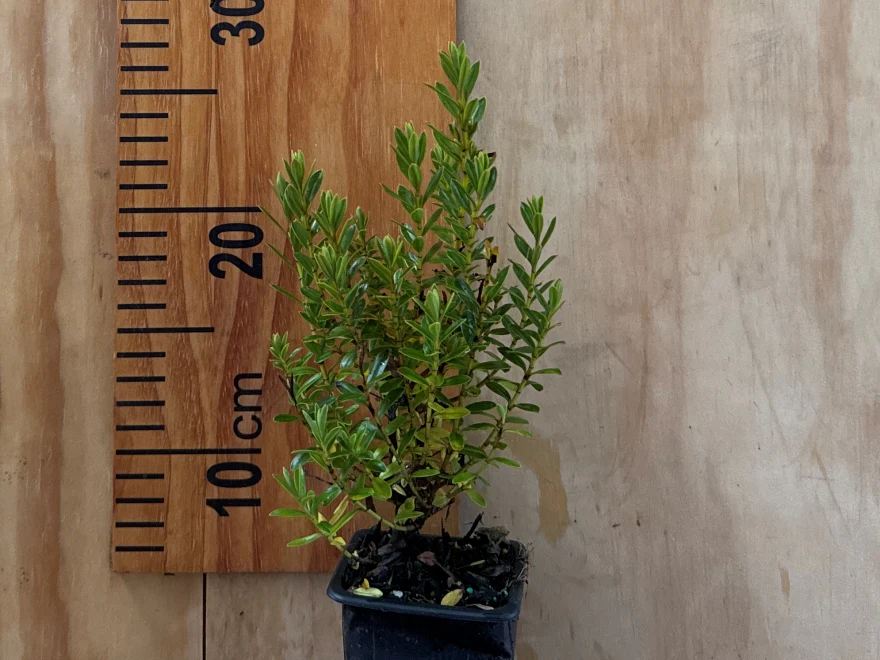
Pot Size: These are our standard size in 7 cm square pots.
Original: $5.35
-65%$5.35
$1.87Product Information
Product Information
Shipping & Returns
Shipping & Returns
Description
Hebe (Veronica) brachysiphon
Common Names: Alpine Hebe
Family: Plantaginaceae
Origin: New Zealand (South Island alpine regions)
Plant Type: Evergreen Shrub
Overview
Hebe (Veronica) brachysiphon forms a compact, rounded low-growing shrub with glossy green leaves and a neat, tidy shape. A hardy alpine species, it thrives in exposed, cold, and dry conditions, rewarding gardeners with masses of dainty white flowers in summer.
Key Features
Foliage: Small, glossy green leaves forming dense, even coverage; evergreen year-round.
Flowers / Fruit: Profuse clusters of small white flowers in summer; highly attractive to pollinators.
Form & Habit: Compact, rounded mound; naturally tidy and self-shaping.
Growth Rate: Moderate.
Cultural & Ecological Value: Native alpine species tolerant of frost, wind, and poor soils; ideal for low-maintenance native landscapes.
Mature Size
| Attribute | Size |
|---|---|
| Height | 1 m |
| Spread | 1.2 m |
| Form | Rounded, compact mound |
Ideal Growing Conditions
| Requirement | Detail |
|---|---|
| Light | Full sun to light shade |
| Water | Low to moderate once established |
| Soil | Free-draining, gritty or sandy soil; dislikes heavy clay |
| pH Range | Neutral to slightly acidic |
| Frost Tolerance | Excellent; hardy to severe frost and alpine exposure |
Landscaping & Garden Uses
-
Excellent for alpine and rock gardens
-
Great for coastal and exposed sites
-
Perfect for low borders or mass planting
-
Pairs well with other compact native shrubs and grasses
Care & Maintenance
Pruning: Light trim after flowering to maintain shape and encourage dense growth.
Watering: Moderate during establishment; drought tolerant once settled.
Feeding: Occasional native fertiliser in spring for best flowering.
Pests & Diseases: Generally pest- and disease-free.
Additional Tips
Avoid waterlogged soils, especially in winter. Performs best on slopes or raised beds with good drainage.
Fun Fact / Botanical Insight
The name brachysiphon means “short tube,” referring to the flower shape—typical of many alpine hebes adapted to cool, open habitats.
Why Choose Hebe (Veronica) brachysiphon?
A beautifully compact, hardy alpine hebe that combines neat form, glossy foliage, and masses of white blooms—ideal for gardeners seeking resilience and tidy year-round structure.
Pot Size: These are our standard size in 7 cm square pots.