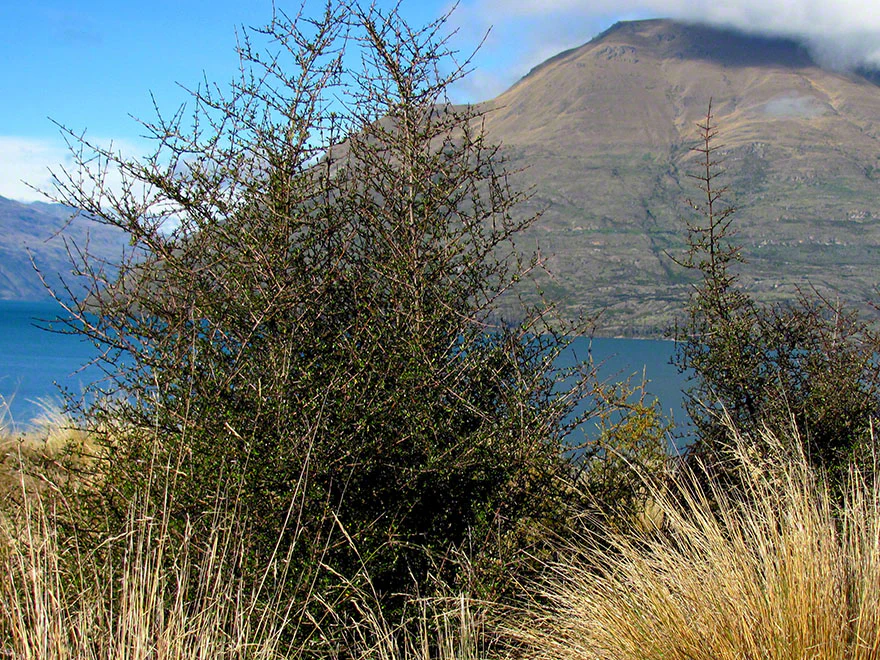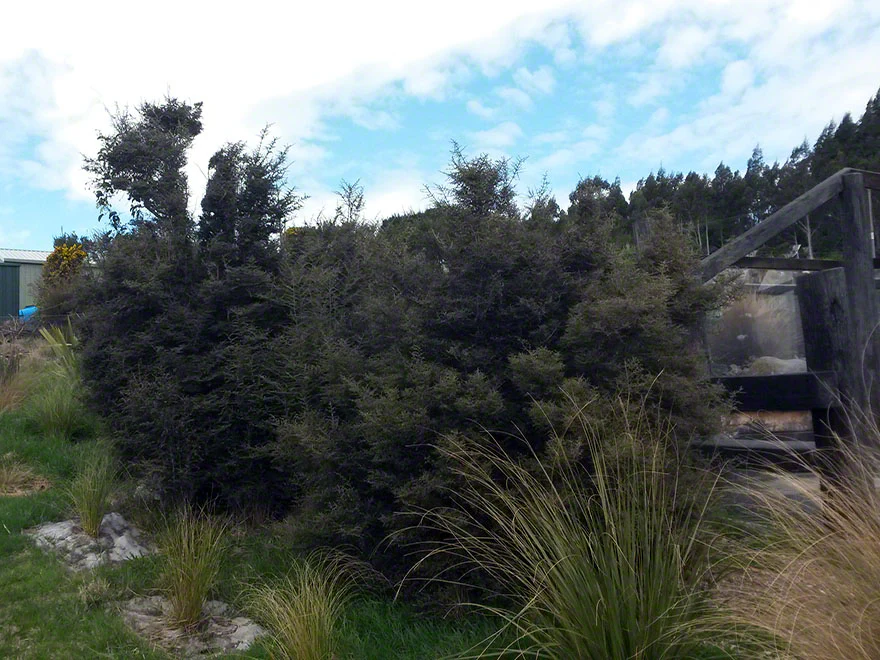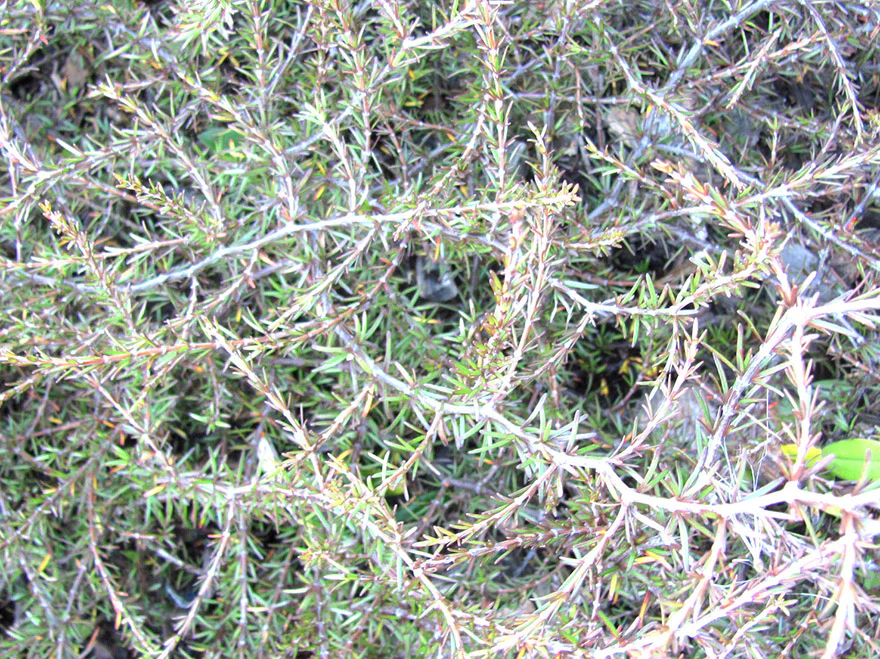
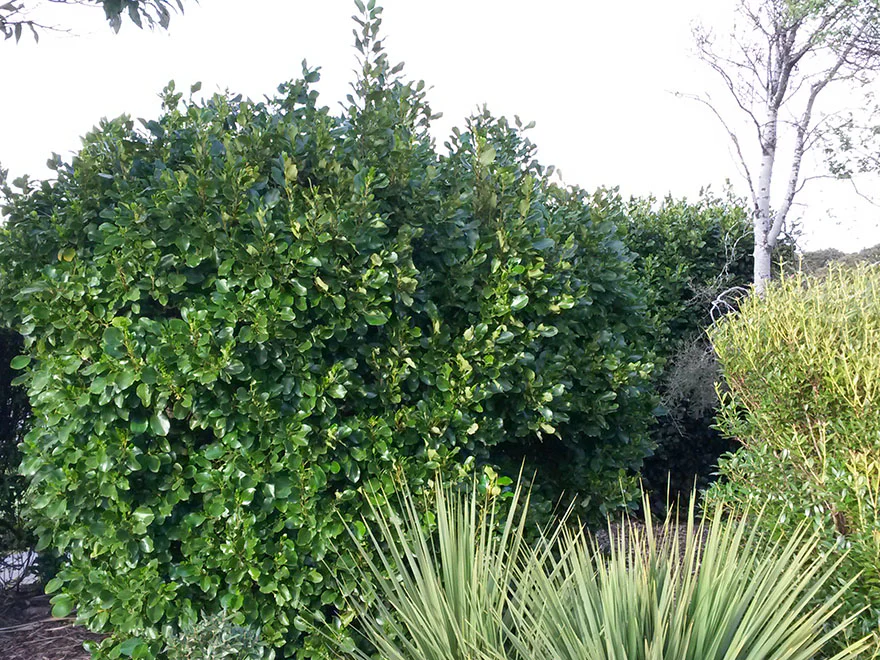
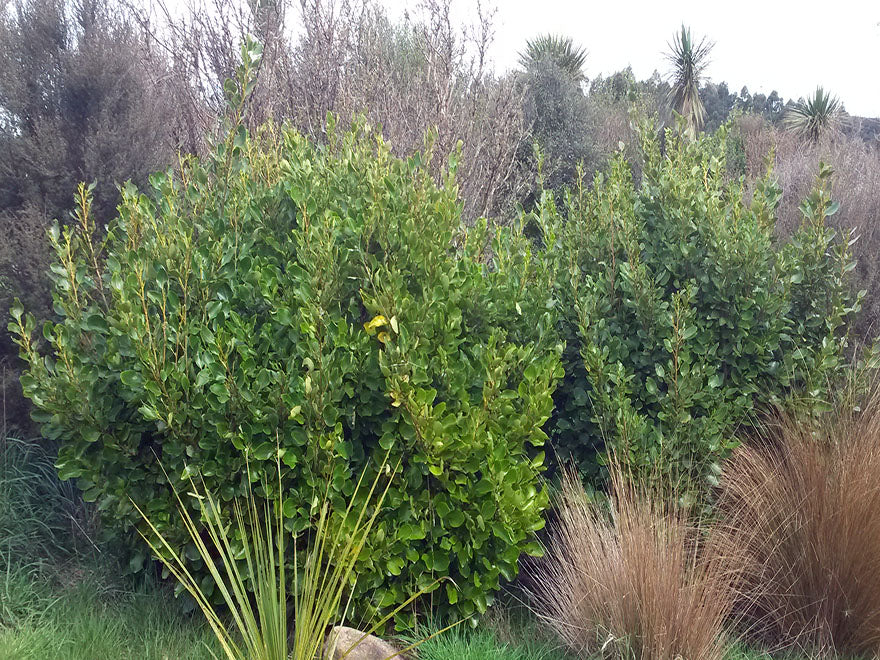
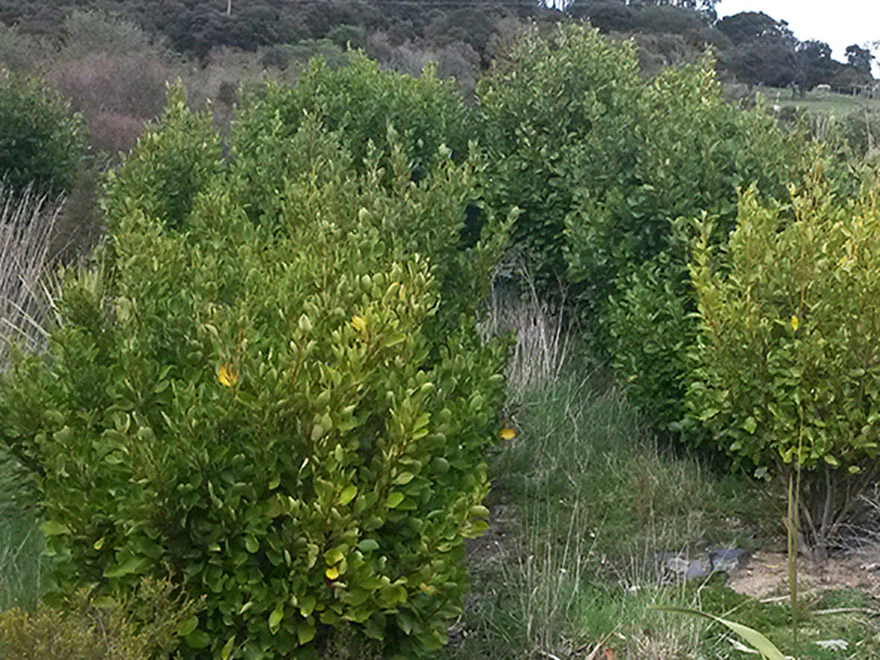
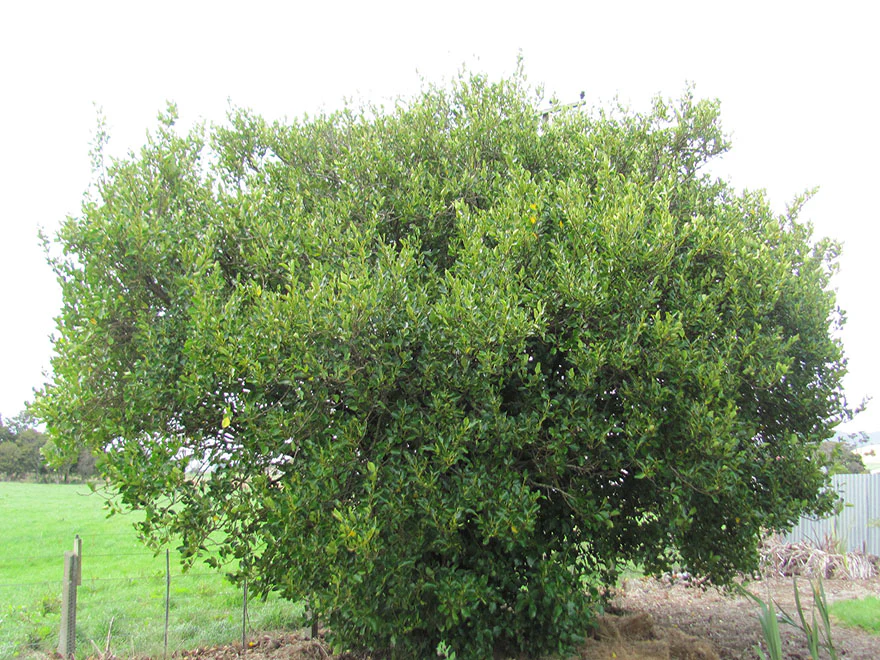
Griselinea Littoralis
Griselinia littoralis (Kapuka / New Zealand Broadleaf)
Plant Details
| Plant Name | Common Names | Family | Origin | Type |
|---|---|---|---|---|
| Griselinia littoralis | Kapuka, NZ Broadleaf, Broadleaf | Griseliniaceae | Aotearoa New Zealand | Evergreen shrub/tree |
Overview
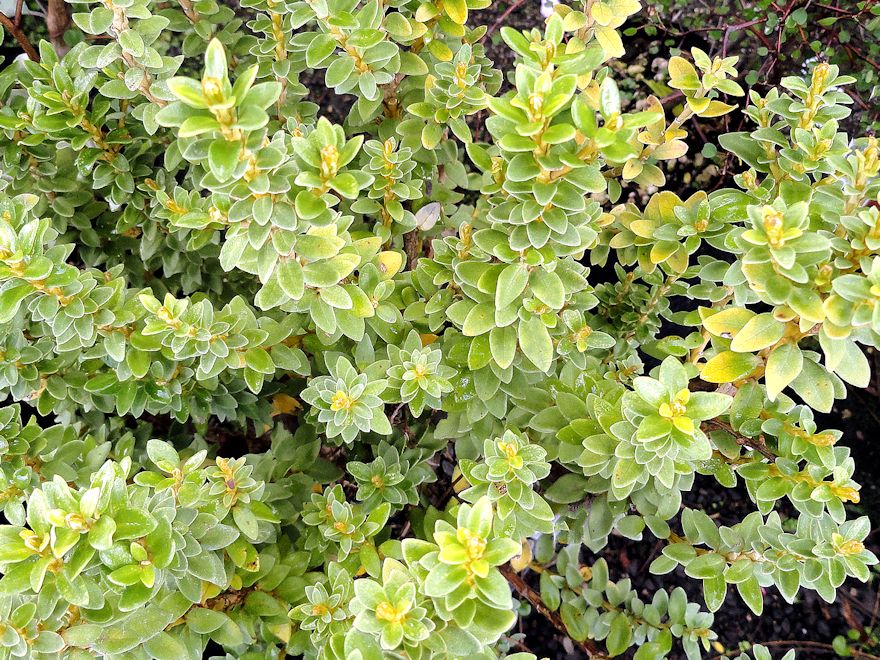
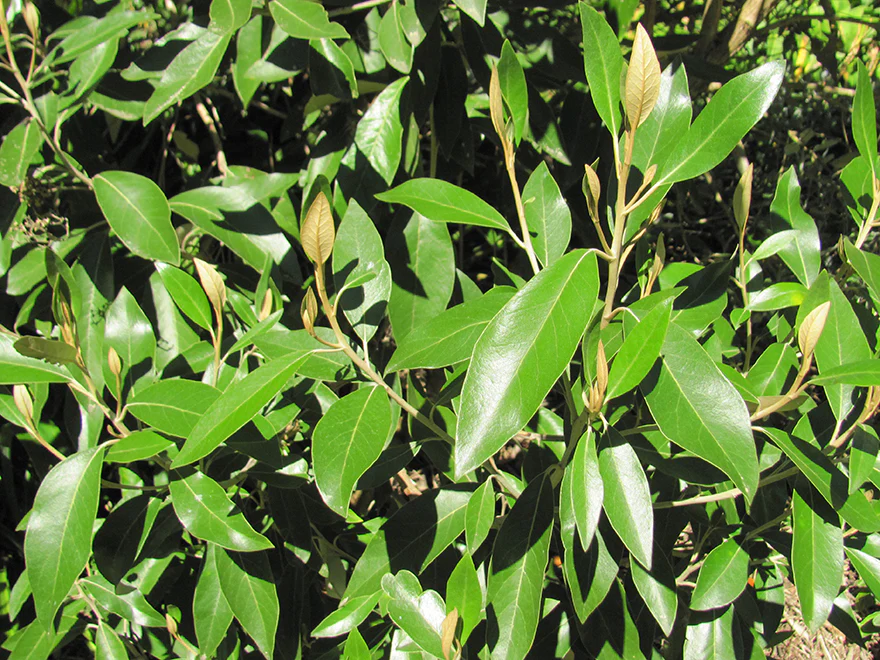
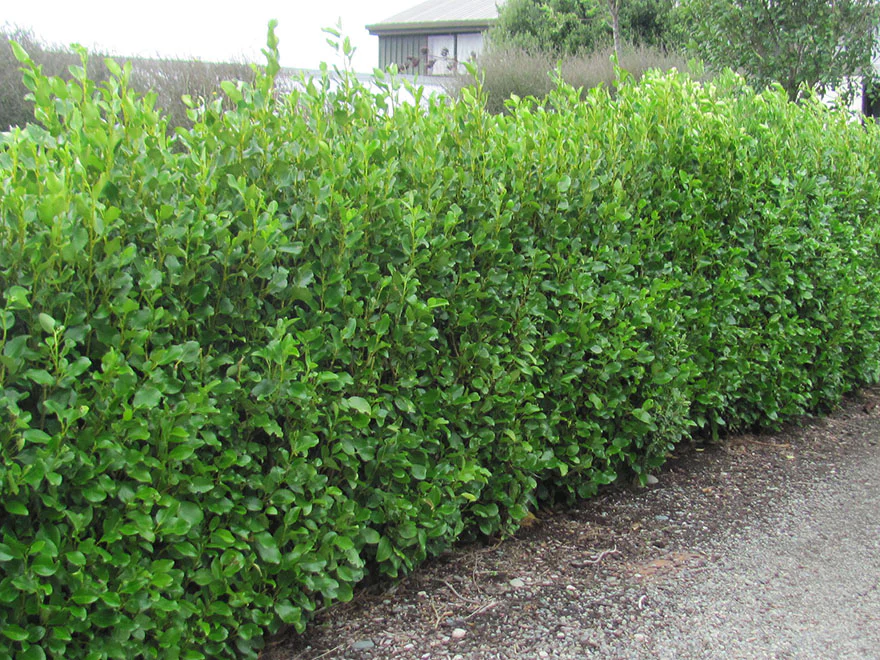
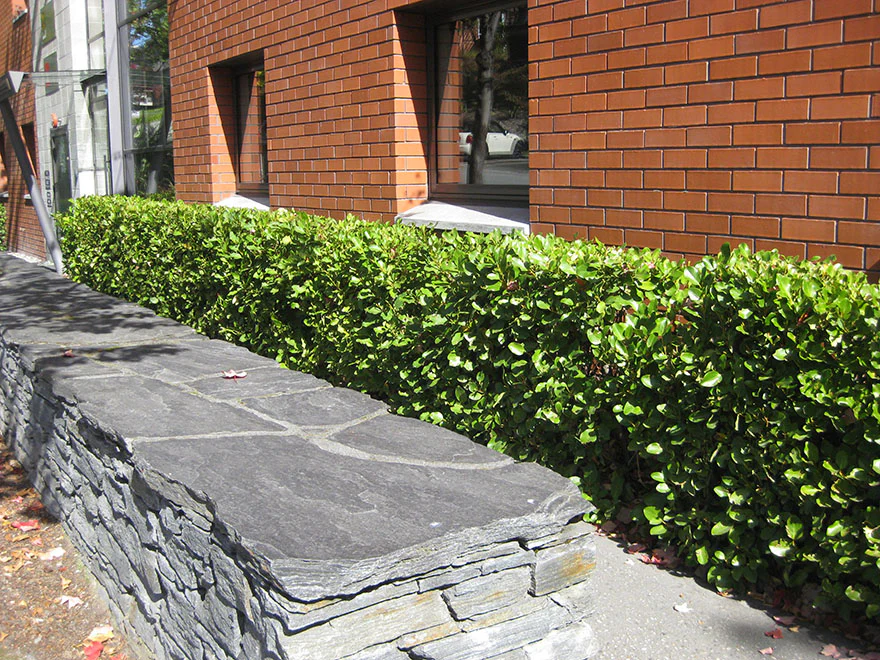
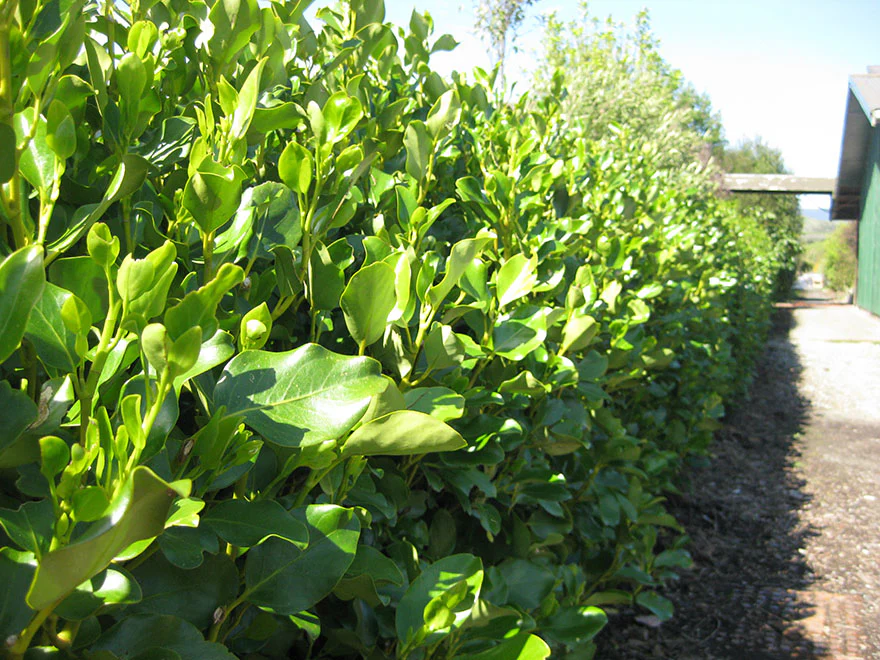
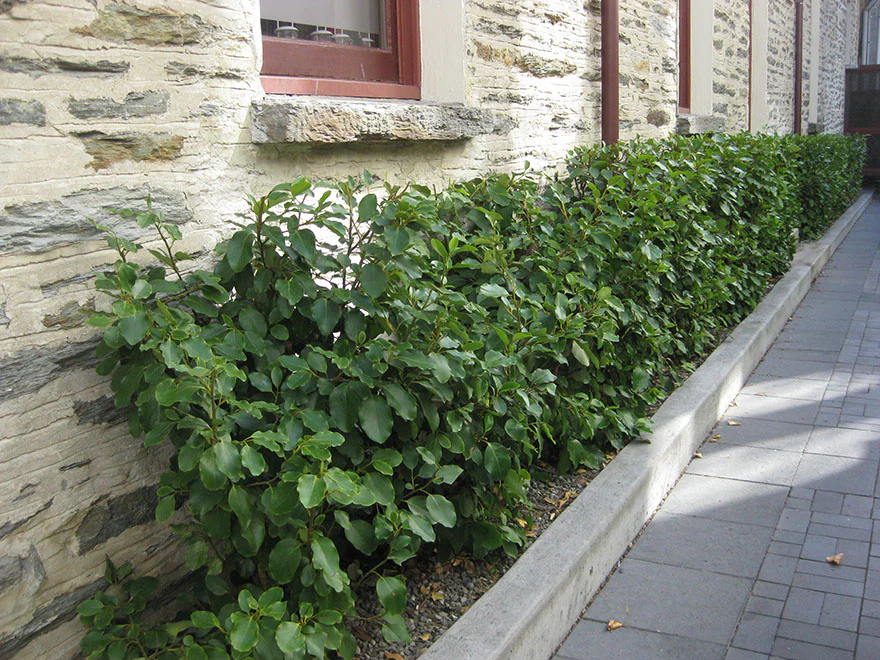
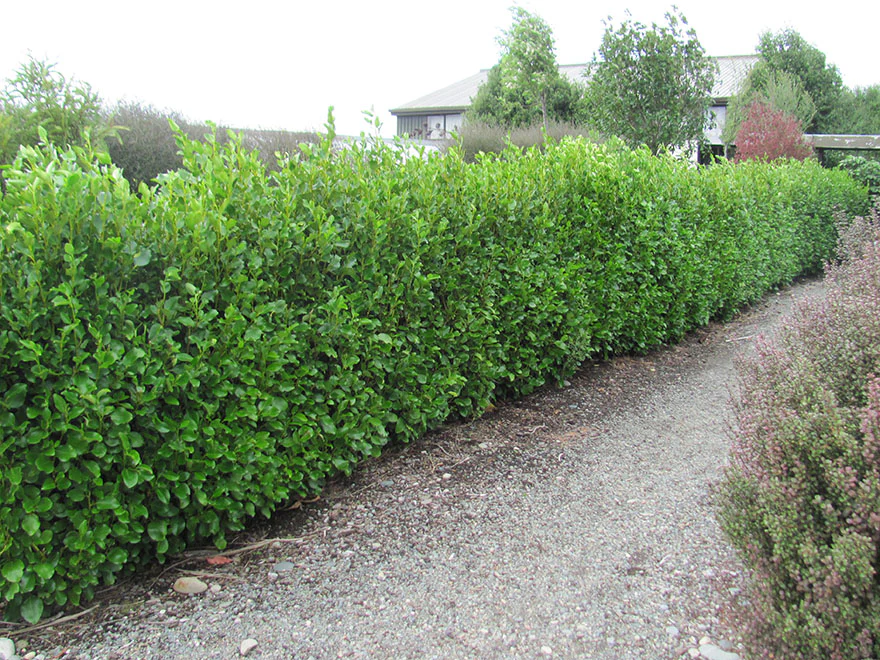
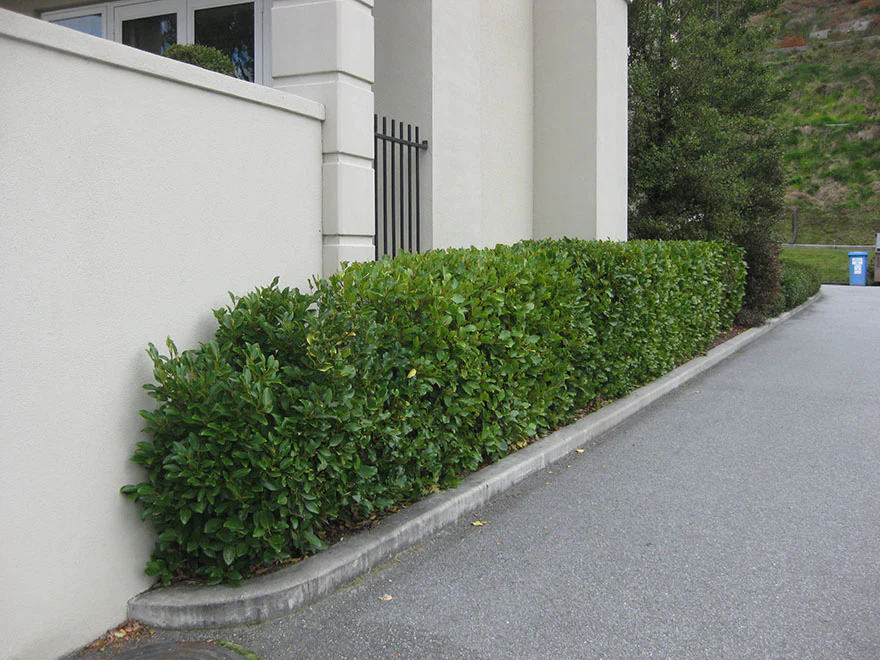
A classic, fast-establishing New Zealand native for neat, year-round hedging and coastal shelter. Griselinia littoralis has glossy, apple-green leaves, forms a dense screen with regular trimming, and tolerates wind and salt spray—ideal for coastal and urban gardens alike.
Key Features
-
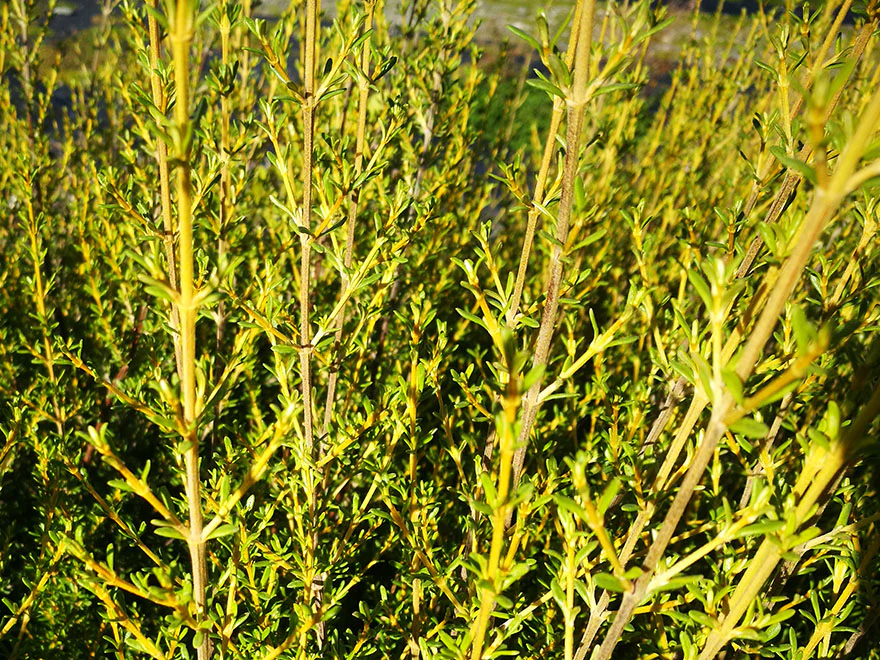
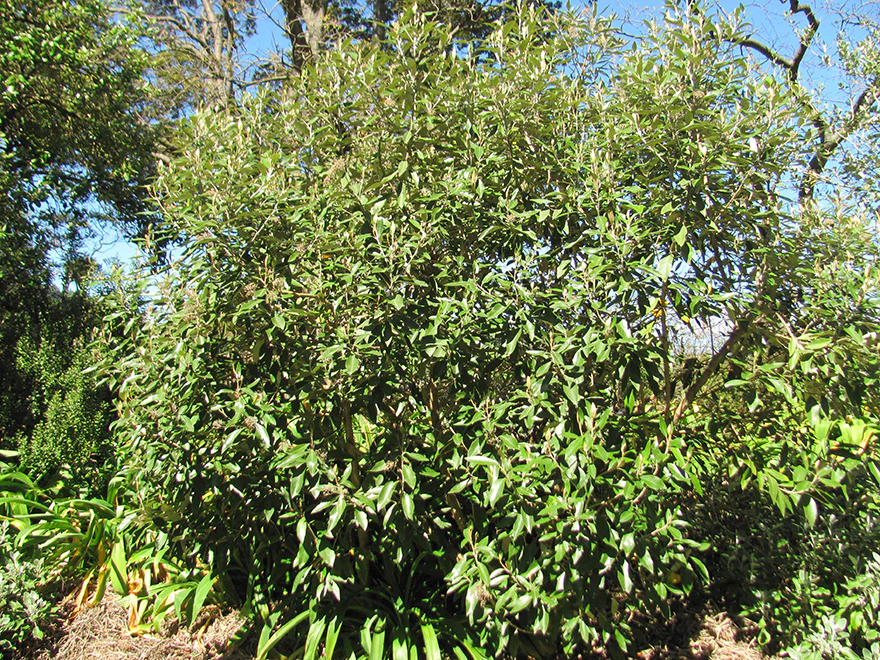
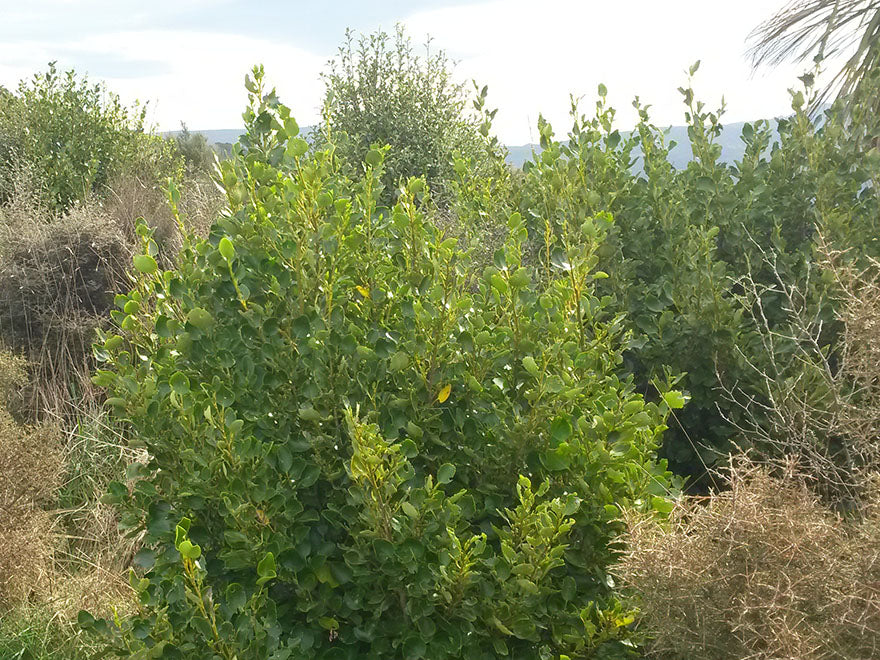
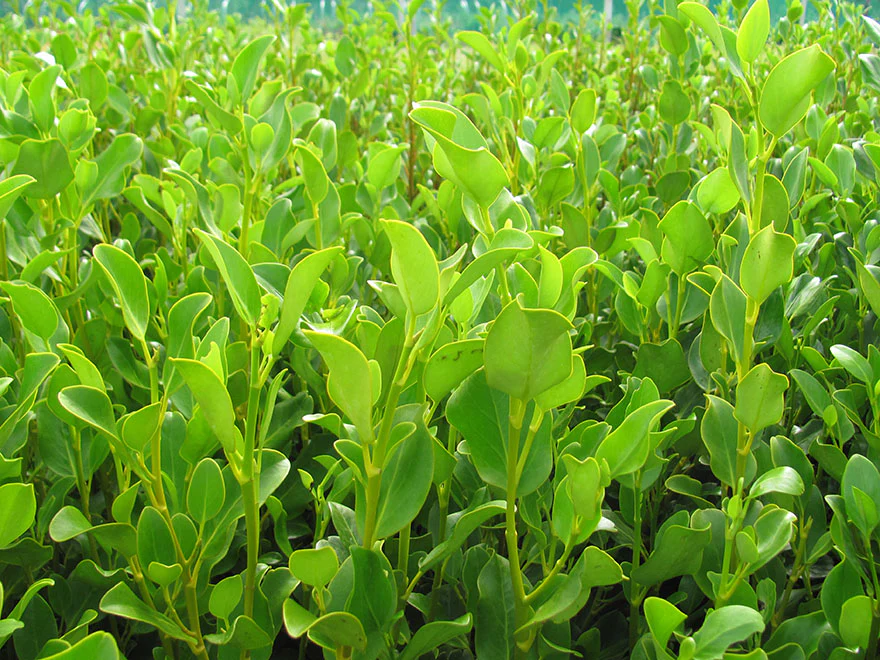
Foliage: Large, thick, glossy light-green leaves; clean look; excellent year-round colour.
-
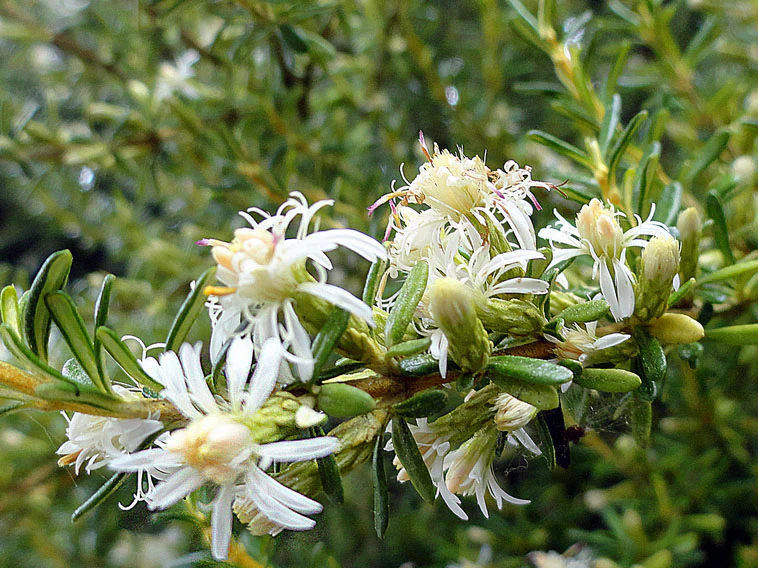
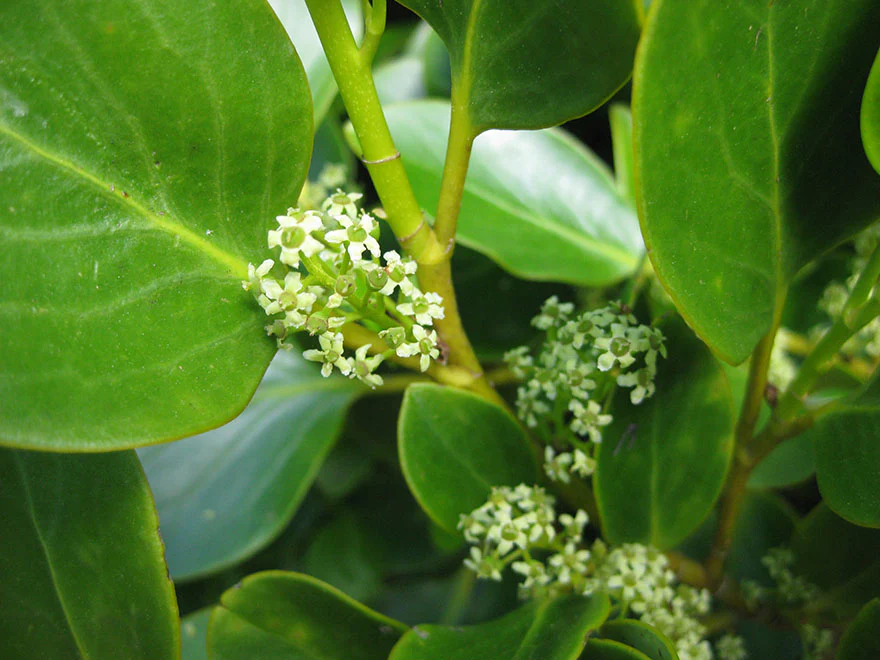
Flowers & Fruit: Discreet greenish flowers in spring. Female plants can carry small purple-black drupes that attract birds (fruiting requires nearby male).
-
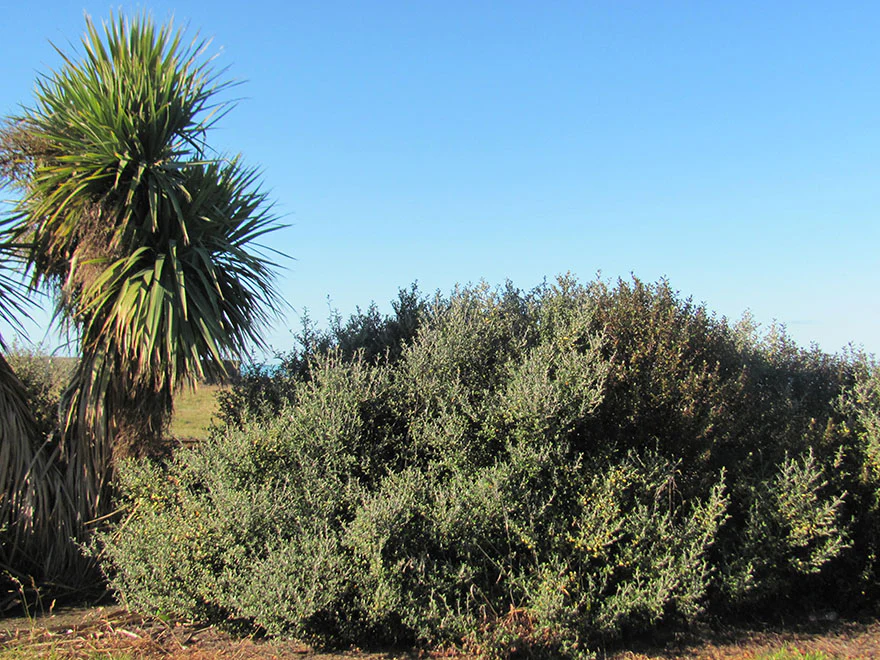
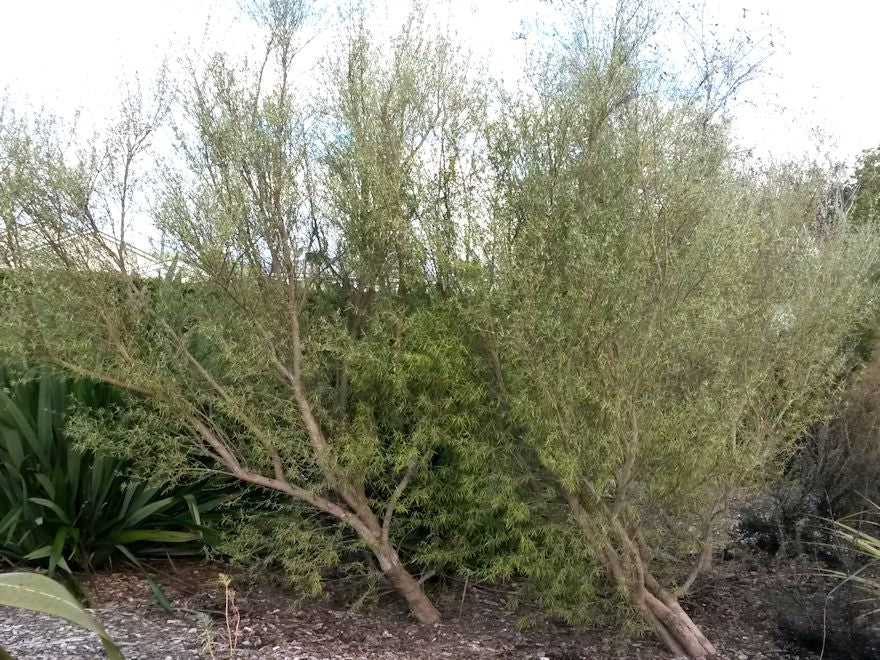
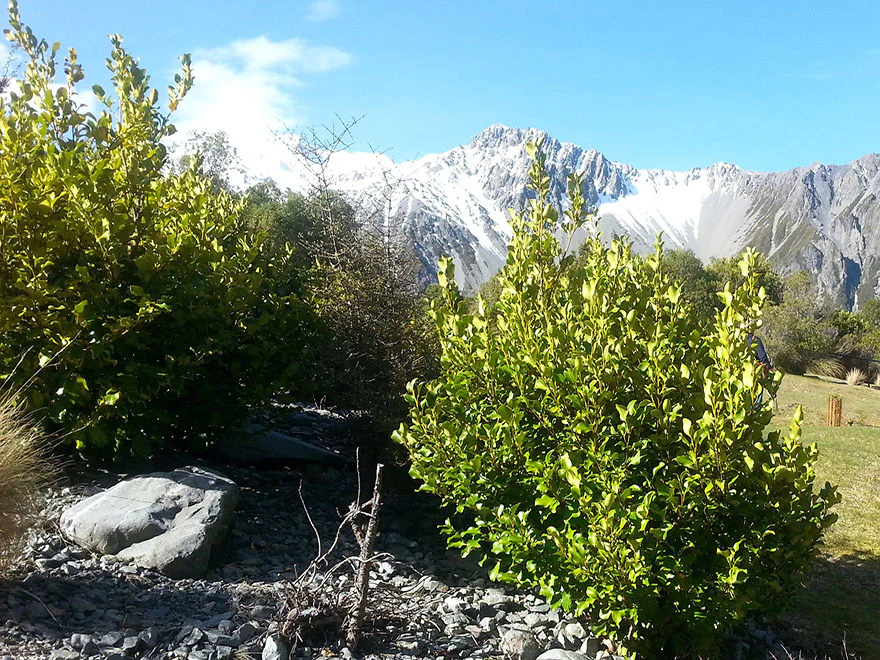
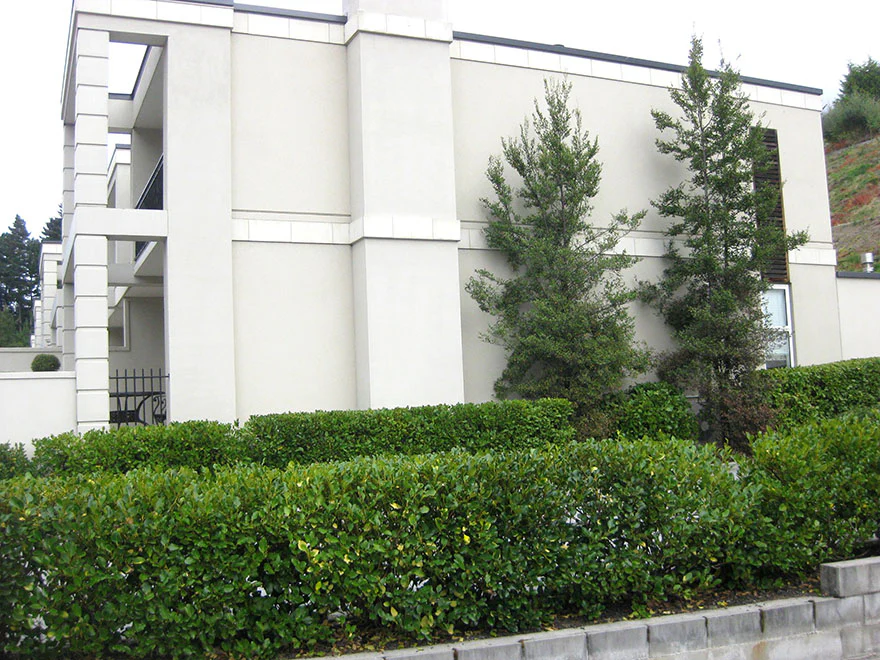
Form & Habit: Naturally upright and bushy; responds very well to trimming for tight hedges or clipped forms.
-
Growth Rate: Moderate to fast in good conditions; quick to fill as a hedge.
-
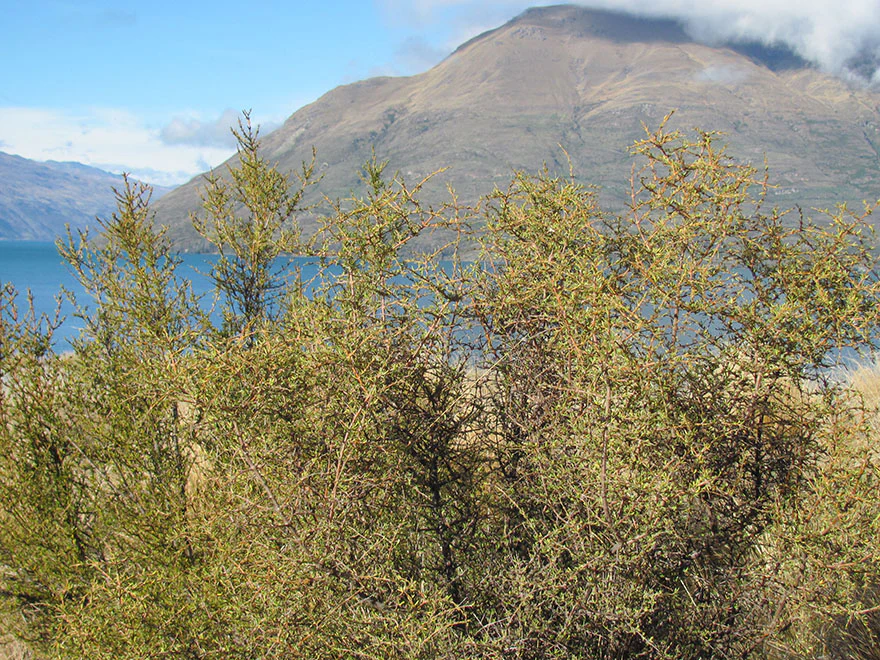
Cultural/Ecological Value: NZ native; highly tolerant of coastal exposure and wind; nectar/pollen for insects, berries for birds (on female plants).
Mature Size
| Height | Spread | Form |
|---|---|---|
| 3–6 m untrimmed (often kept 1–3 m as a hedge) | 2–4 m untrimmed (pruned narrower for hedges) | Dense, upright, multi-branched |
Ideal Growing Conditions
| Light | Water | Soil | pH | Frost Tolerance |
|---|---|---|---|---|
| Full sun to partial shade | Moderate; drought-tolerant once established | Free-draining; tolerates coastal and sandy soils; avoid waterlogged sites | Slightly acidic to neutral to slightly alkaline | Hardy once established; protect young plants from severe frost/wind-burn |
Landscaping & Garden Uses
-
Premium hedge/screen (formal or natural); privacy for driveways, boundaries, courtyards.
-
Coastal gardens and windbreaks; tolerant of salt and exposure.
-
Evergreen structure for mixed native plantings; clips well for topiary or shaped features.
-
Useful as a backdrop for flowering shrubs and perennials.
Care & Maintenance
-
Planting/Spacing (hedge): 60–100 cm apart depending on how fast you want it to knit; closer for a faster, tighter hedge.
-
Feeding: Light application of controlled-release fertiliser in spring; mulch annually to conserve moisture.
-
Pruning: Trim 2–3 times during the growing season to maintain a crisp, dense face; heavier shape in late winter/early spring.
-
Watering: Regular watering through the first summer; then generally low-care.
-
Health: Avoid poorly drained soils to reduce root issues. Shelter very young plants from extreme frost or drying winds.
Additional Tips
-
For fruit/berries, plant male and female plants nearby (dioecious species).
-
In very exposed coastal sites, stake young plants and use a wind-break cloth for the first season.
Fun Fact
The Māori name kapuka refers to the plant’s smooth, glossy leaves—one reason it’s been a favourite shelter/hedge species around coastal pā and homesteads.
Why Choose Griselinia littoralis?
-
NZ native, fast to establish, easy to clip, salt/wind tolerant, and reliably evergreen—a top choice for low-maintenance, good-looking hedges.
Pot Size
-
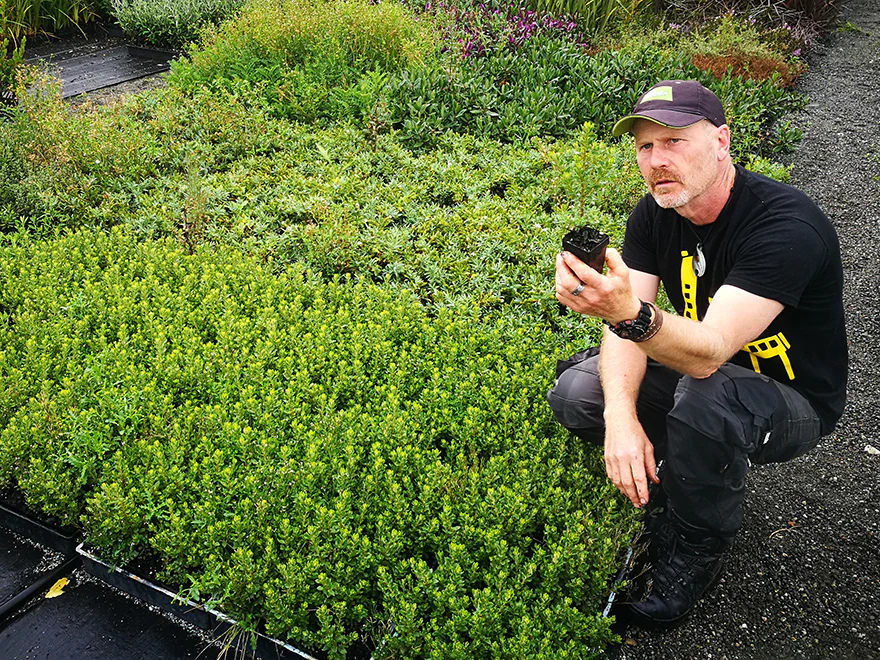
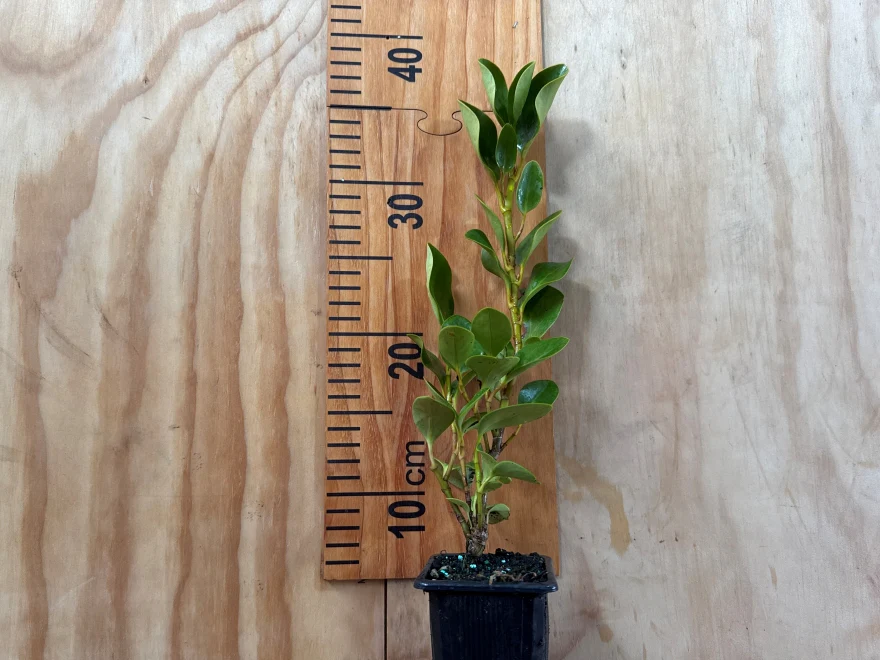
These are our standard size in 7cm square pots.
Original: $5.35
-65%$5.35
$1.87Product Information
Product Information
Shipping & Returns
Shipping & Returns
Description
Griselinia littoralis (Kapuka / New Zealand Broadleaf)
Plant Details
| Plant Name | Common Names | Family | Origin | Type |
|---|---|---|---|---|
| Griselinia littoralis | Kapuka, NZ Broadleaf, Broadleaf | Griseliniaceae | Aotearoa New Zealand | Evergreen shrub/tree |
Overview
A classic, fast-establishing New Zealand native for neat, year-round hedging and coastal shelter. Griselinia littoralis has glossy, apple-green leaves, forms a dense screen with regular trimming, and tolerates wind and salt spray—ideal for coastal and urban gardens alike.
Key Features
-
Foliage: Large, thick, glossy light-green leaves; clean look; excellent year-round colour.
-
Flowers & Fruit: Discreet greenish flowers in spring. Female plants can carry small purple-black drupes that attract birds (fruiting requires nearby male).
-
Form & Habit: Naturally upright and bushy; responds very well to trimming for tight hedges or clipped forms.
-
Growth Rate: Moderate to fast in good conditions; quick to fill as a hedge.
-
Cultural/Ecological Value: NZ native; highly tolerant of coastal exposure and wind; nectar/pollen for insects, berries for birds (on female plants).
Mature Size
| Height | Spread | Form |
|---|---|---|
| 3–6 m untrimmed (often kept 1–3 m as a hedge) | 2–4 m untrimmed (pruned narrower for hedges) | Dense, upright, multi-branched |
Ideal Growing Conditions
| Light | Water | Soil | pH | Frost Tolerance |
|---|---|---|---|---|
| Full sun to partial shade | Moderate; drought-tolerant once established | Free-draining; tolerates coastal and sandy soils; avoid waterlogged sites | Slightly acidic to neutral to slightly alkaline | Hardy once established; protect young plants from severe frost/wind-burn |
Landscaping & Garden Uses
-
Premium hedge/screen (formal or natural); privacy for driveways, boundaries, courtyards.
-
Coastal gardens and windbreaks; tolerant of salt and exposure.
-
Evergreen structure for mixed native plantings; clips well for topiary or shaped features.
-
Useful as a backdrop for flowering shrubs and perennials.
Care & Maintenance
-
Planting/Spacing (hedge): 60–100 cm apart depending on how fast you want it to knit; closer for a faster, tighter hedge.
-
Feeding: Light application of controlled-release fertiliser in spring; mulch annually to conserve moisture.
-
Pruning: Trim 2–3 times during the growing season to maintain a crisp, dense face; heavier shape in late winter/early spring.
-
Watering: Regular watering through the first summer; then generally low-care.
-
Health: Avoid poorly drained soils to reduce root issues. Shelter very young plants from extreme frost or drying winds.
Additional Tips
-
For fruit/berries, plant male and female plants nearby (dioecious species).
-
In very exposed coastal sites, stake young plants and use a wind-break cloth for the first season.
Fun Fact
The Māori name kapuka refers to the plant’s smooth, glossy leaves—one reason it’s been a favourite shelter/hedge species around coastal pā and homesteads.
Why Choose Griselinia littoralis?
-
NZ native, fast to establish, easy to clip, salt/wind tolerant, and reliably evergreen—a top choice for low-maintenance, good-looking hedges.
Pot Size
-
These are our standard size in 7cm square pots.