Corokia Cotoneaster
Corokia cotoneaster (Corokia cotoneaster)
Common Names: Wire Netting Bush, Korokio
Family: Argophyllaceae
Origin: Native to New Zealand
Plant Type: Evergreen shrub
Overview:
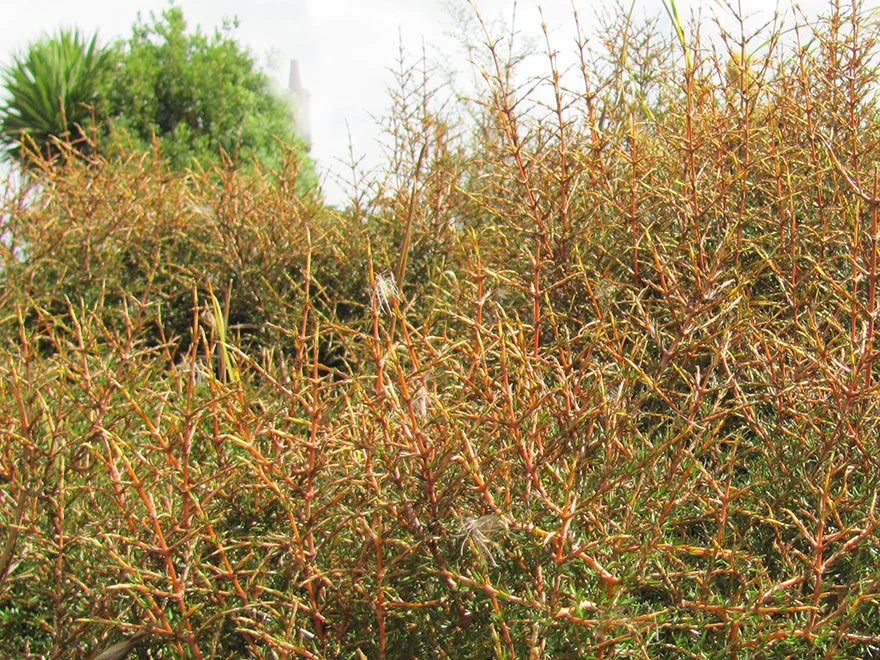
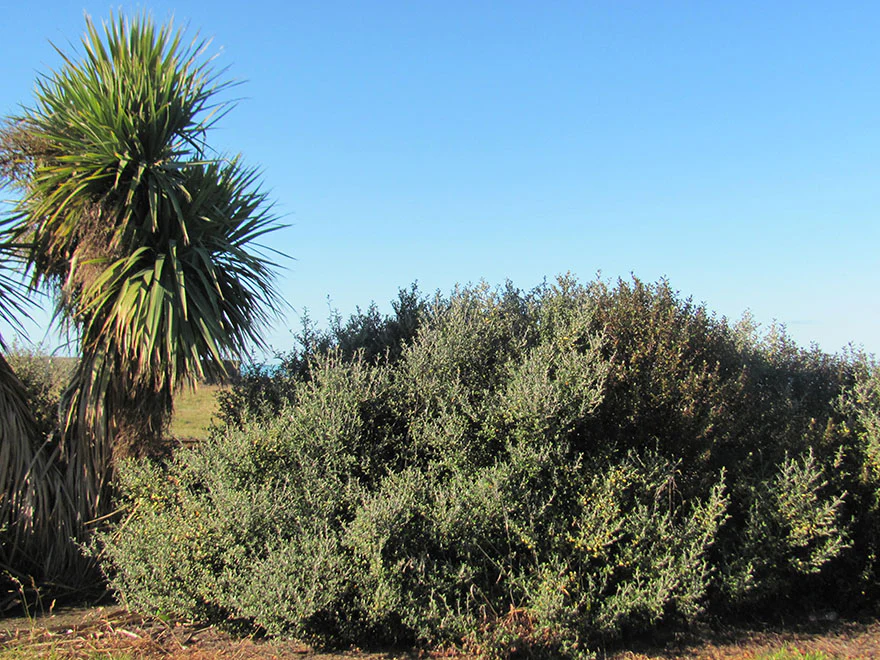
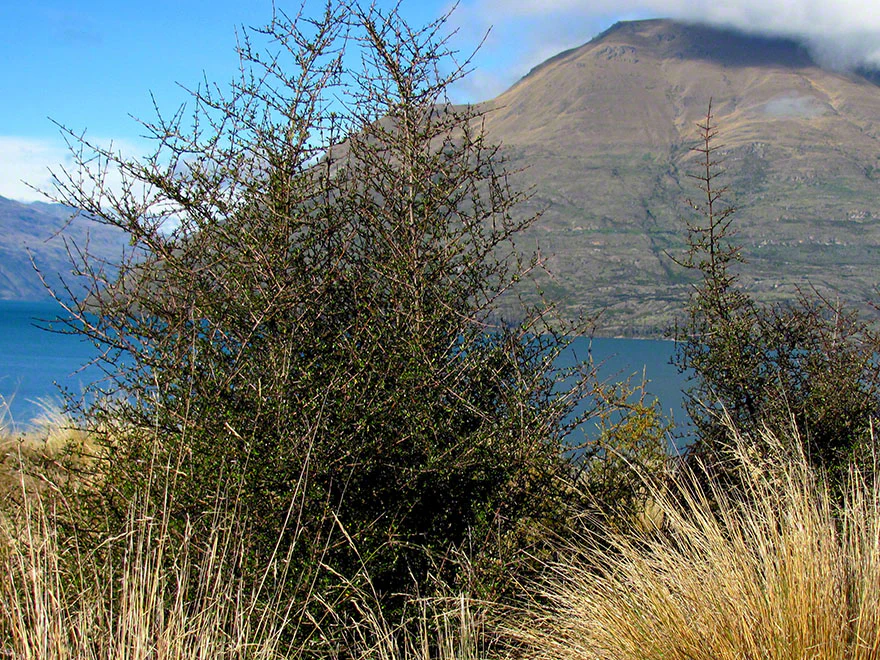
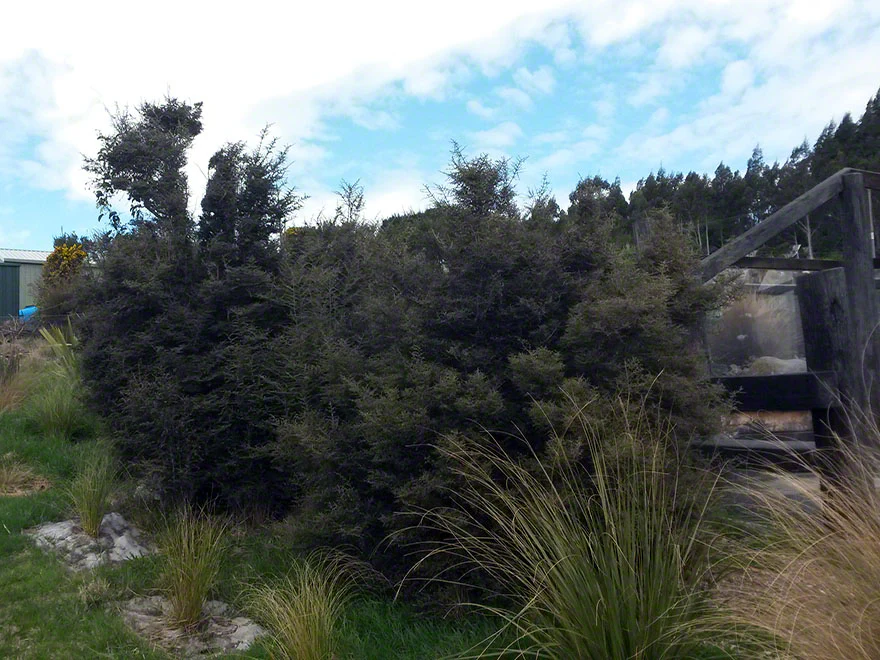
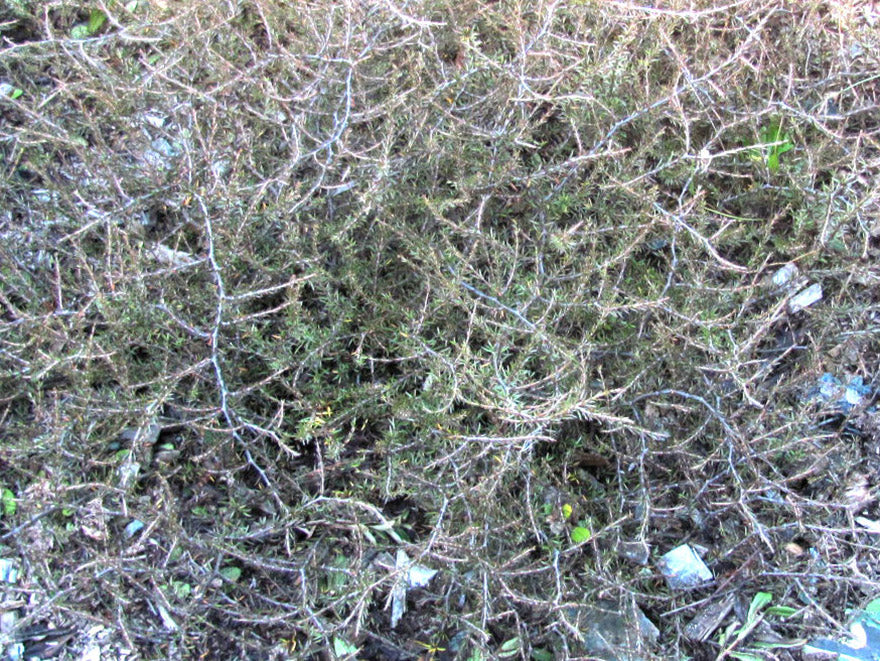
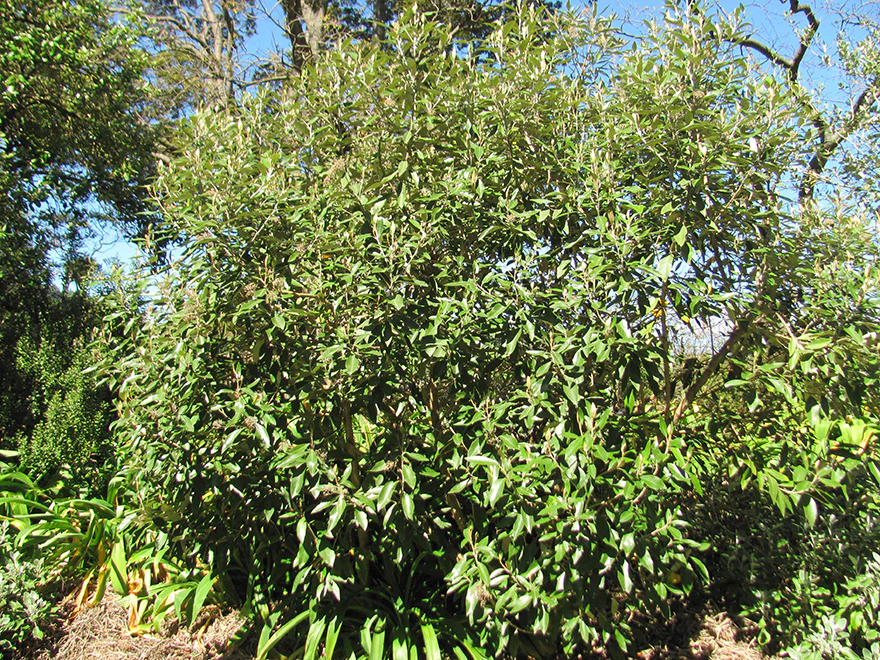
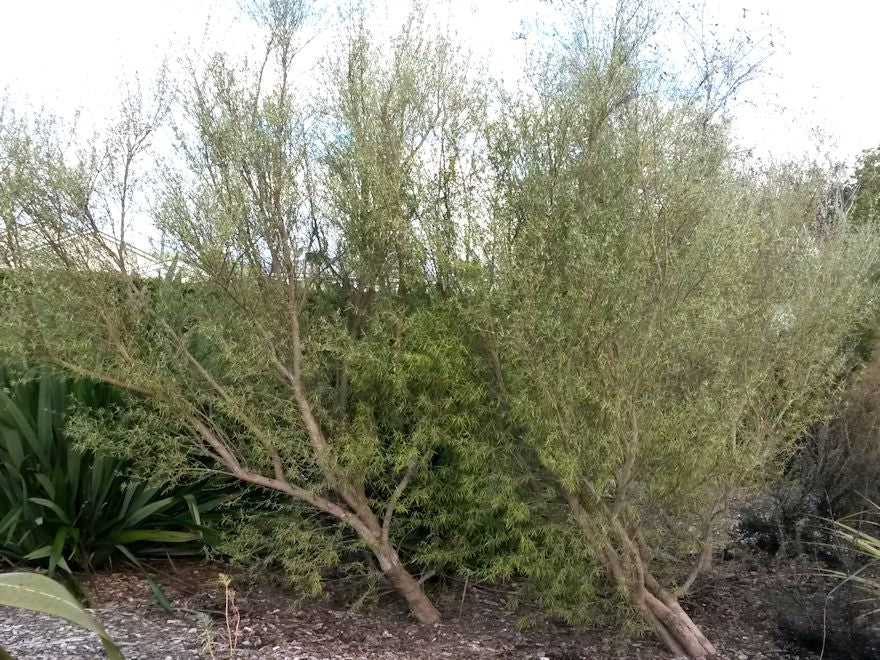
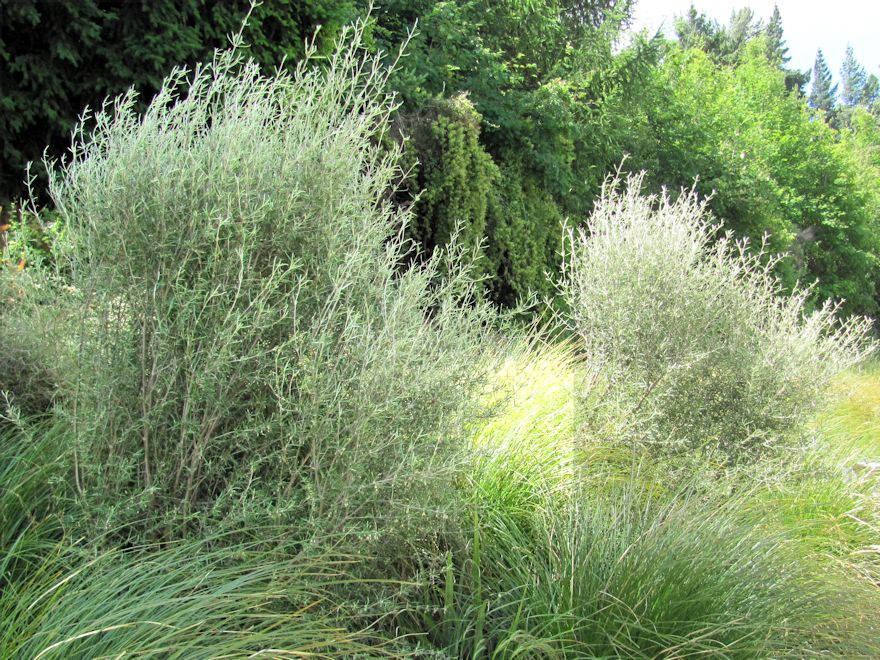
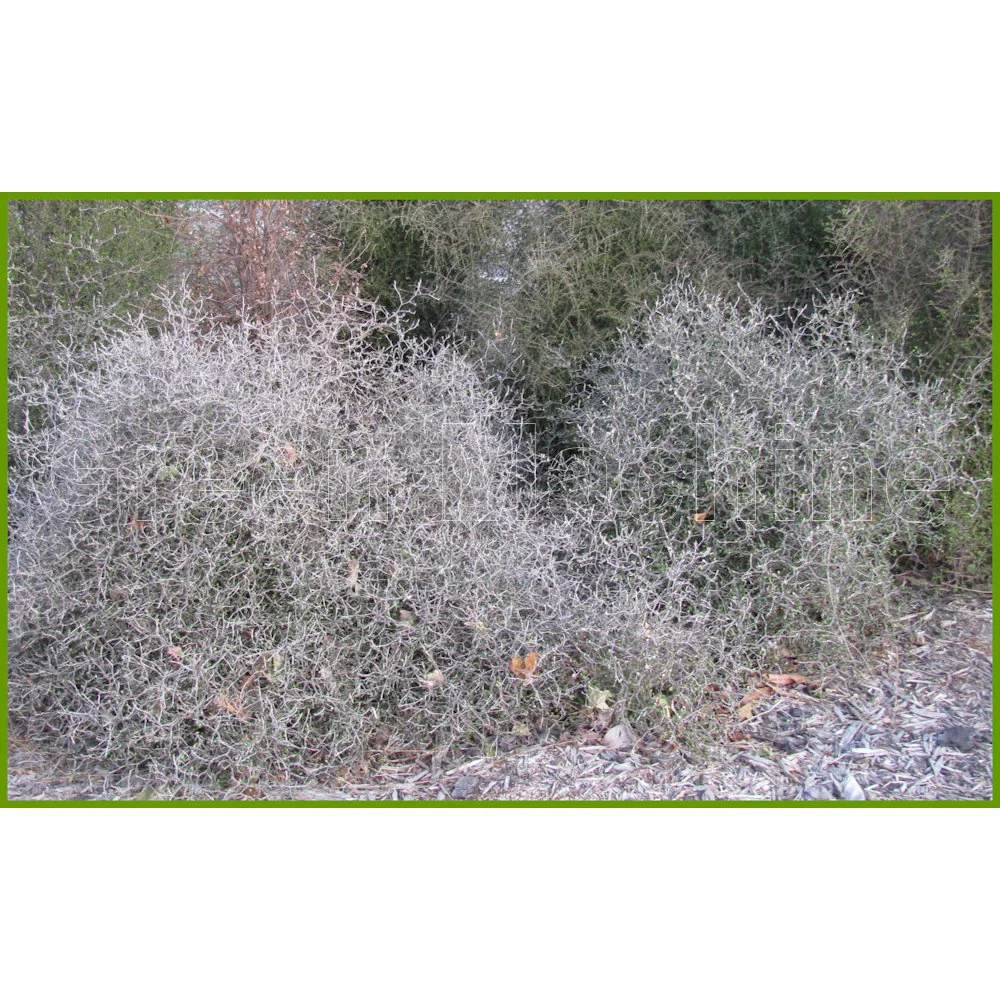
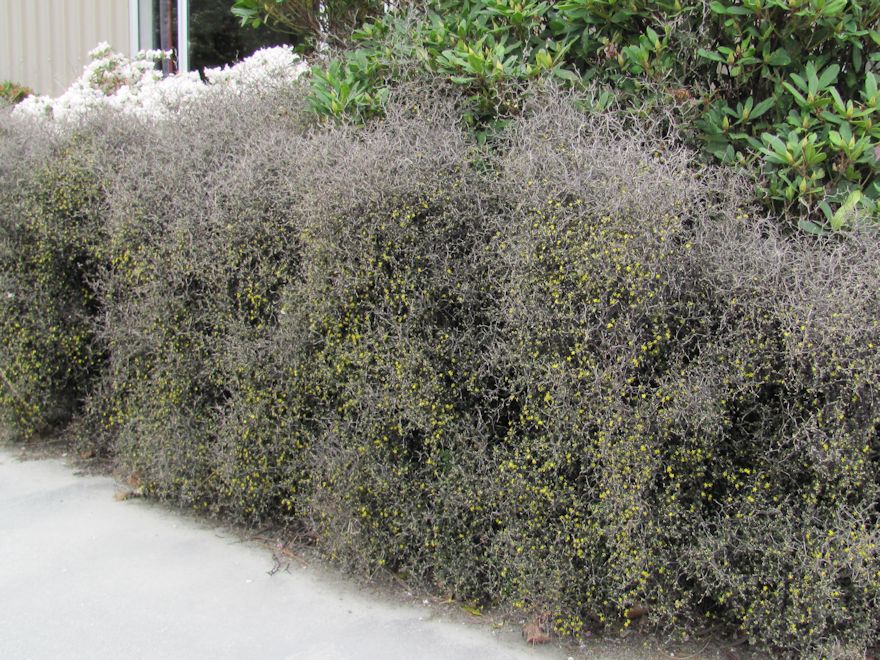
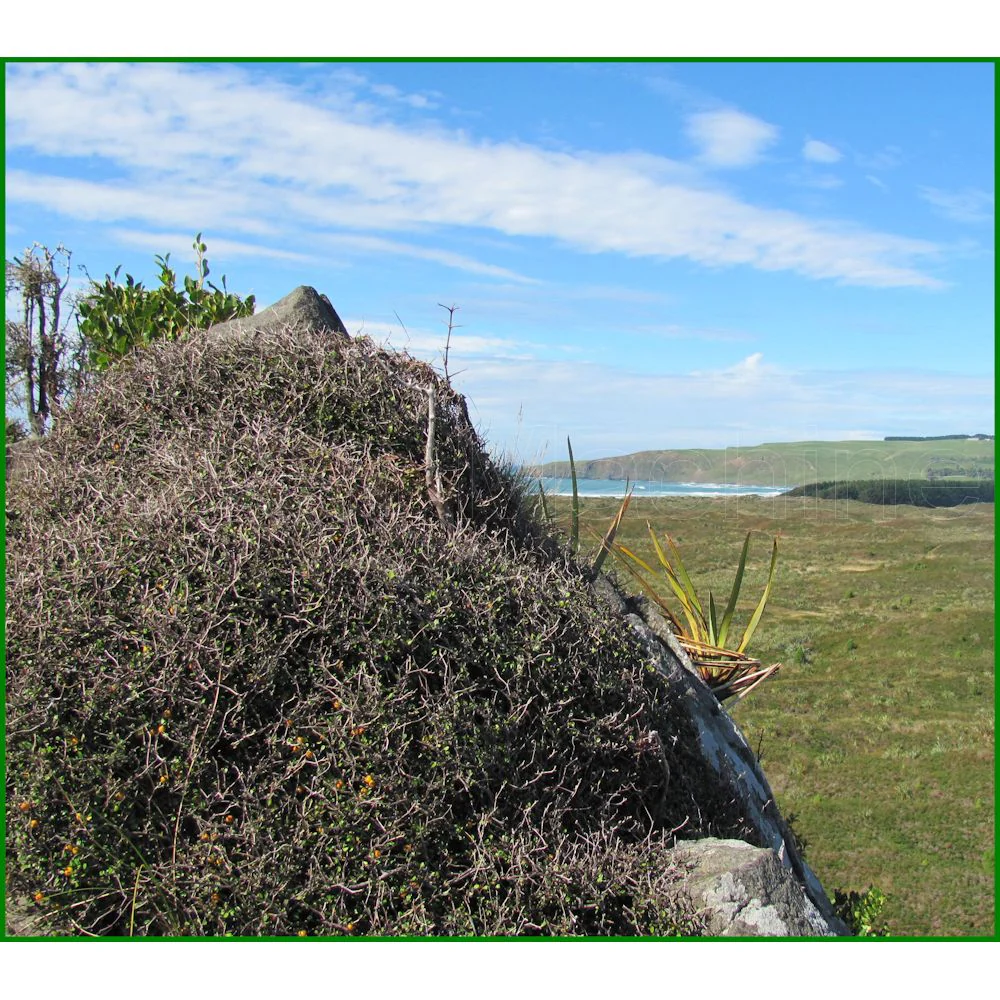
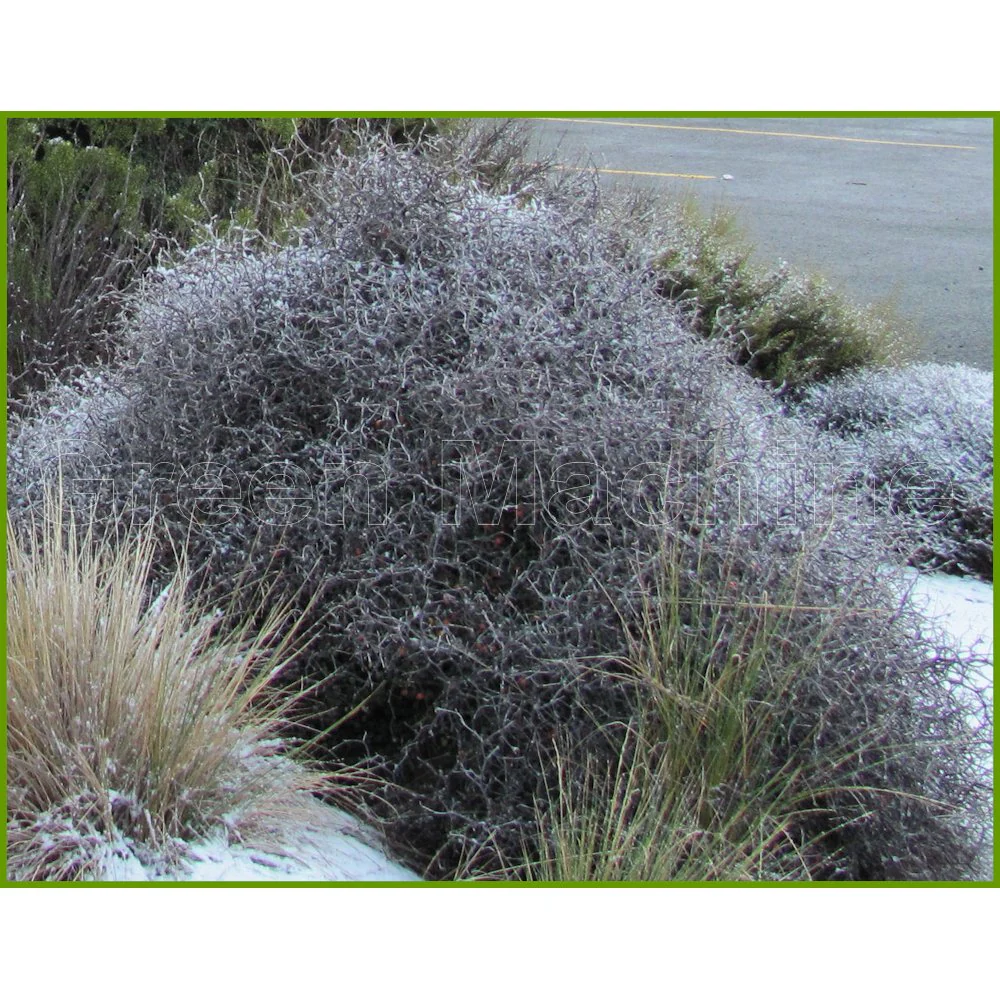
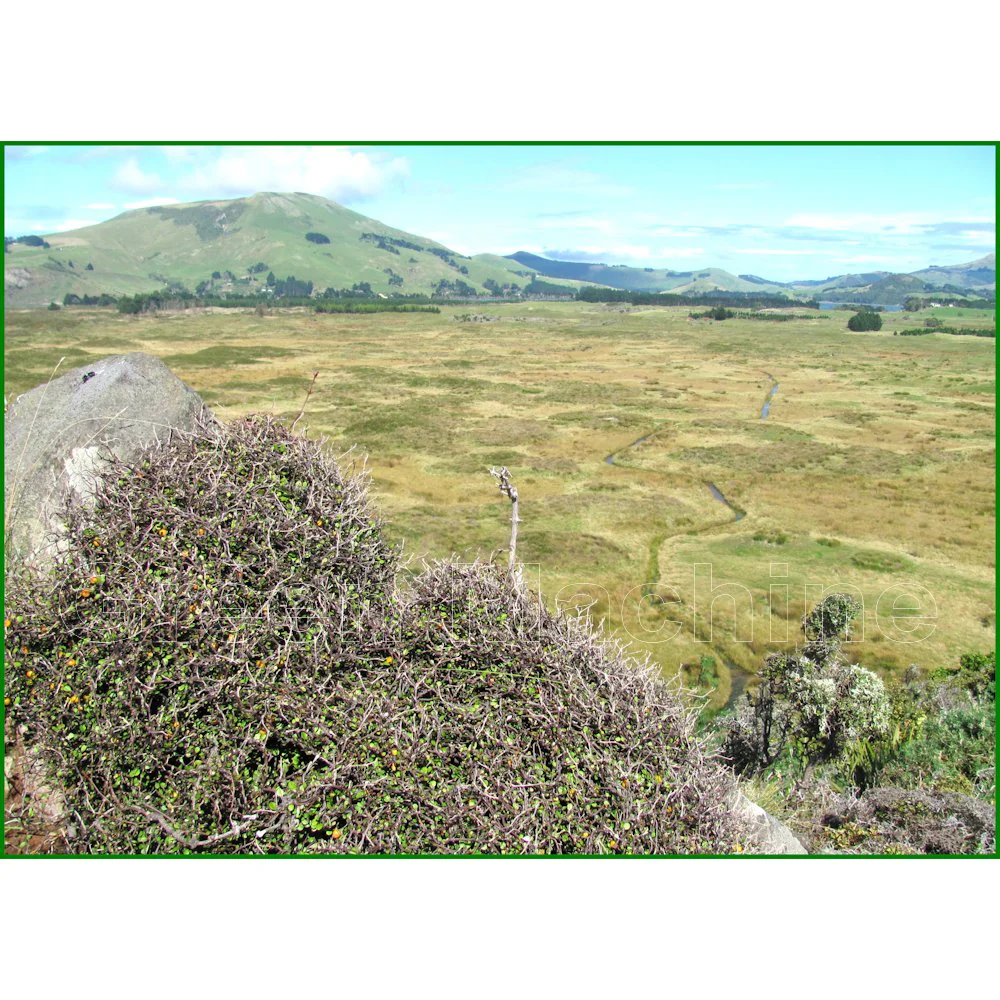
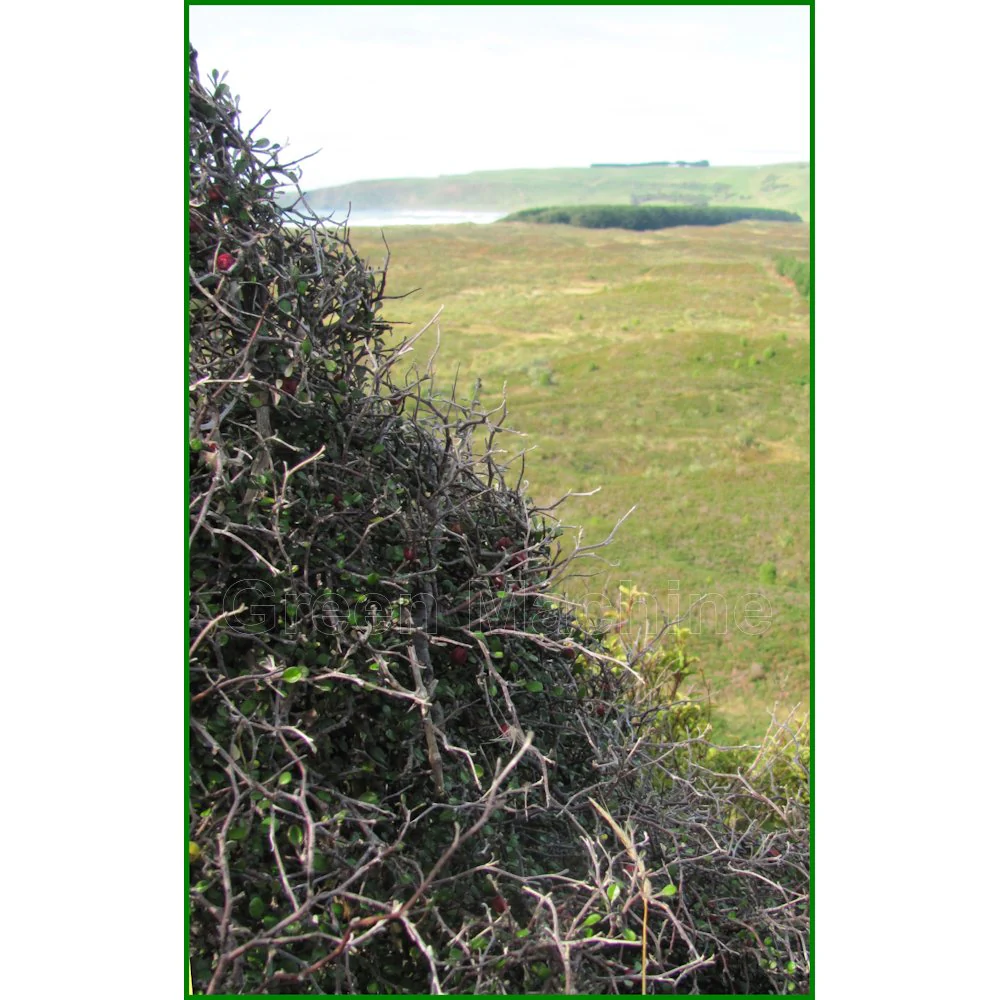
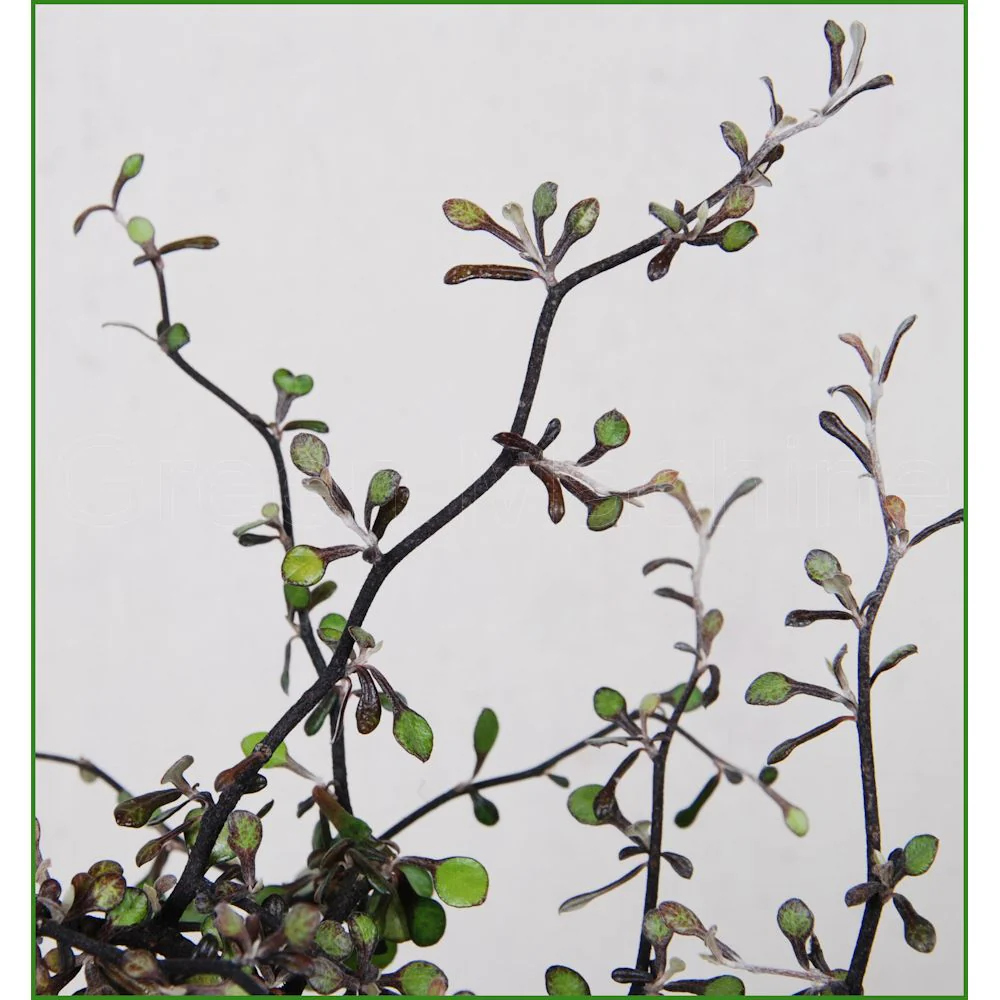
Corokia cotoneaster is a distinctive and hardy New Zealand native shrub known for its intricate, zigzag branching pattern and small, silvery-grey leaves. Often referred to as the “wire netting bush,” its unique structure offers year-round architectural interest, especially when clipped into formal shapes. In spring, it produces small yellow star-like flowers, followed by bright red berries that attract birds. Tough, drought-tolerant, and wind-resistant, it’s well suited to hedging, coastal gardens, and native landscapes.
Key Features:
-
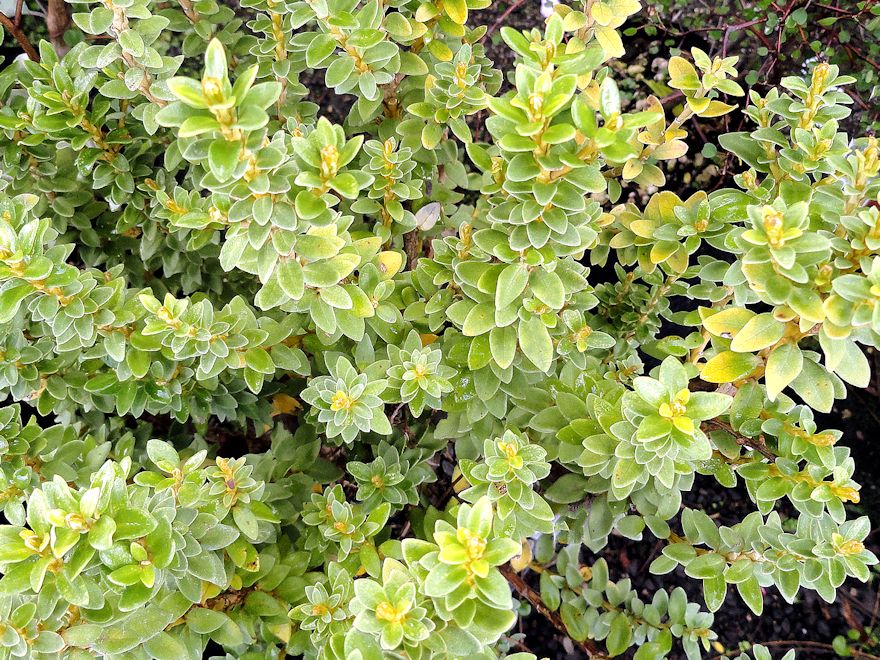
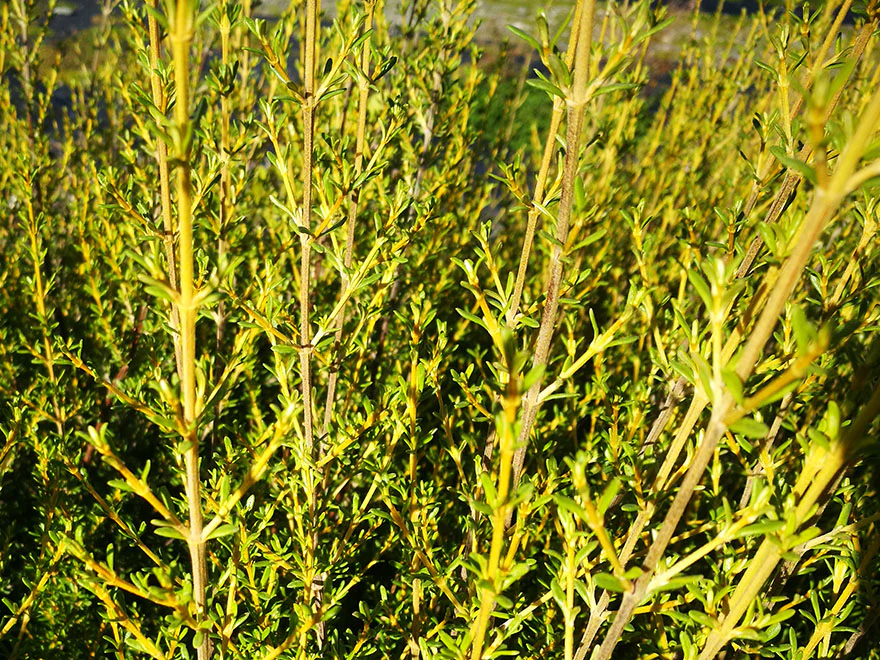
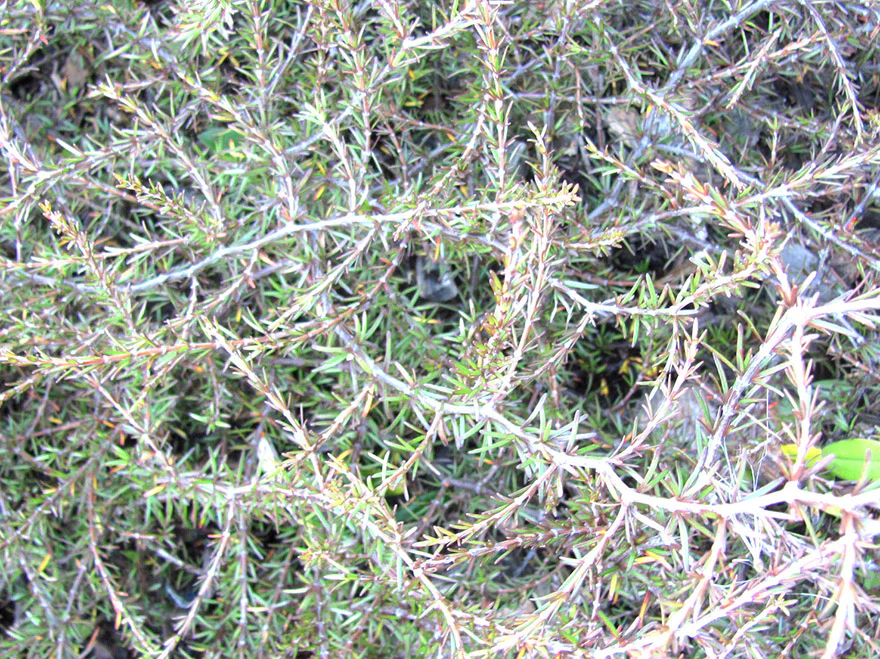
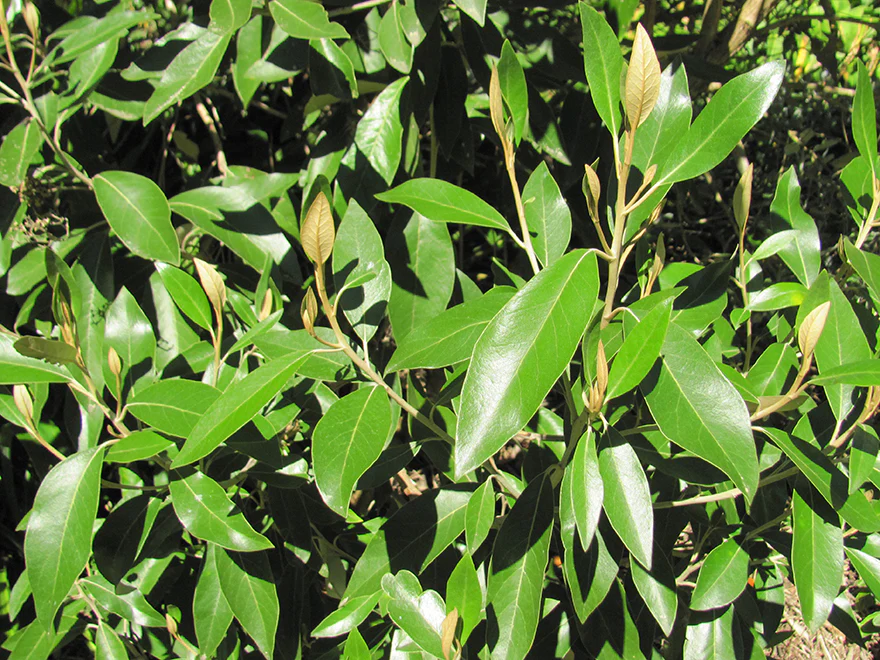
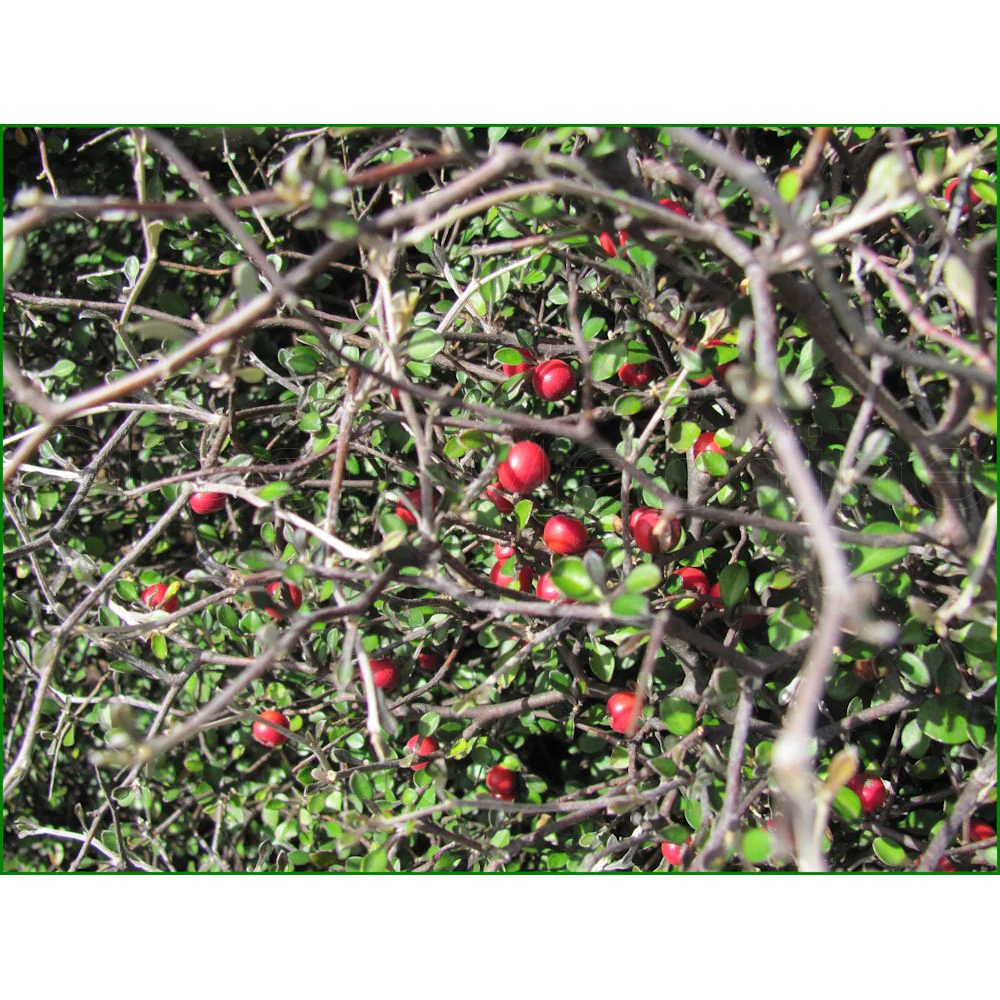
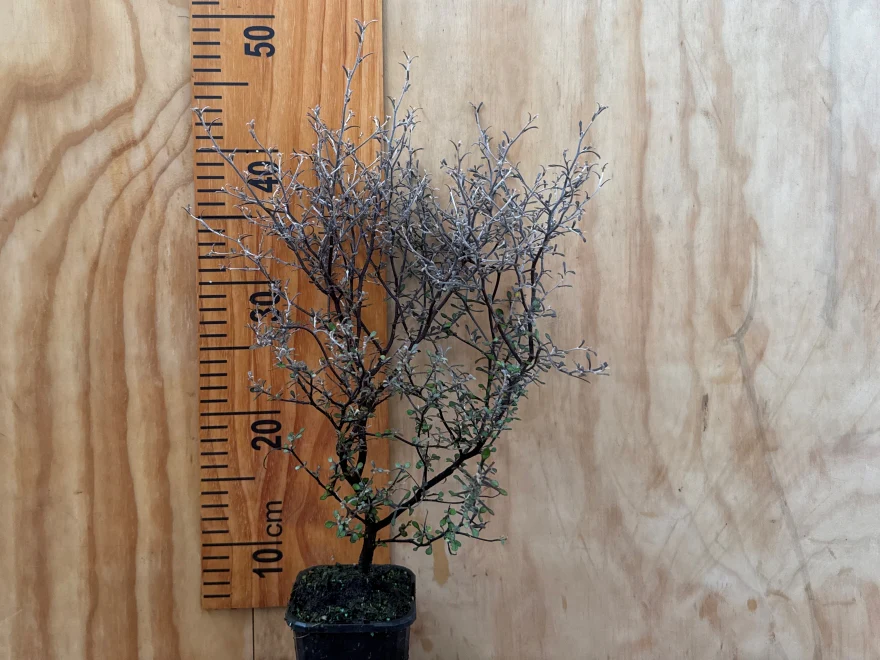
Foliage: Small, oval, grey-green leaves with a silvery underside; foliage often appears sparse but forms dense growth with age or clipping
-
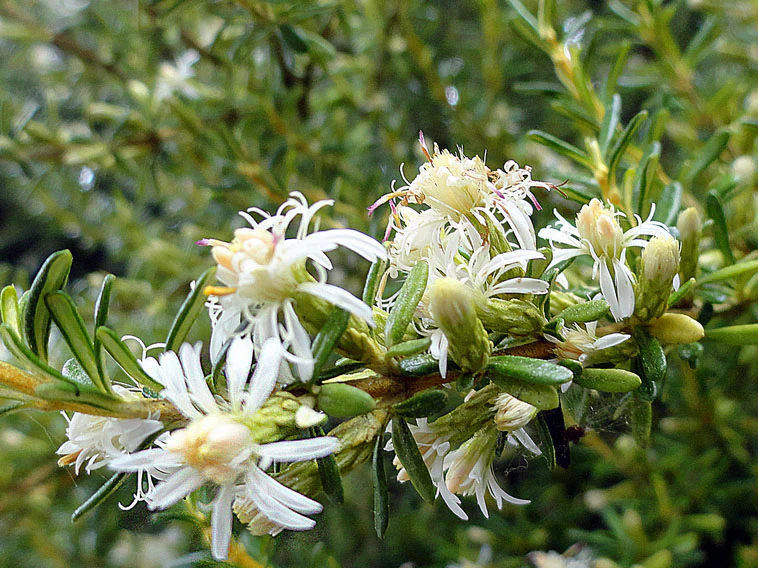
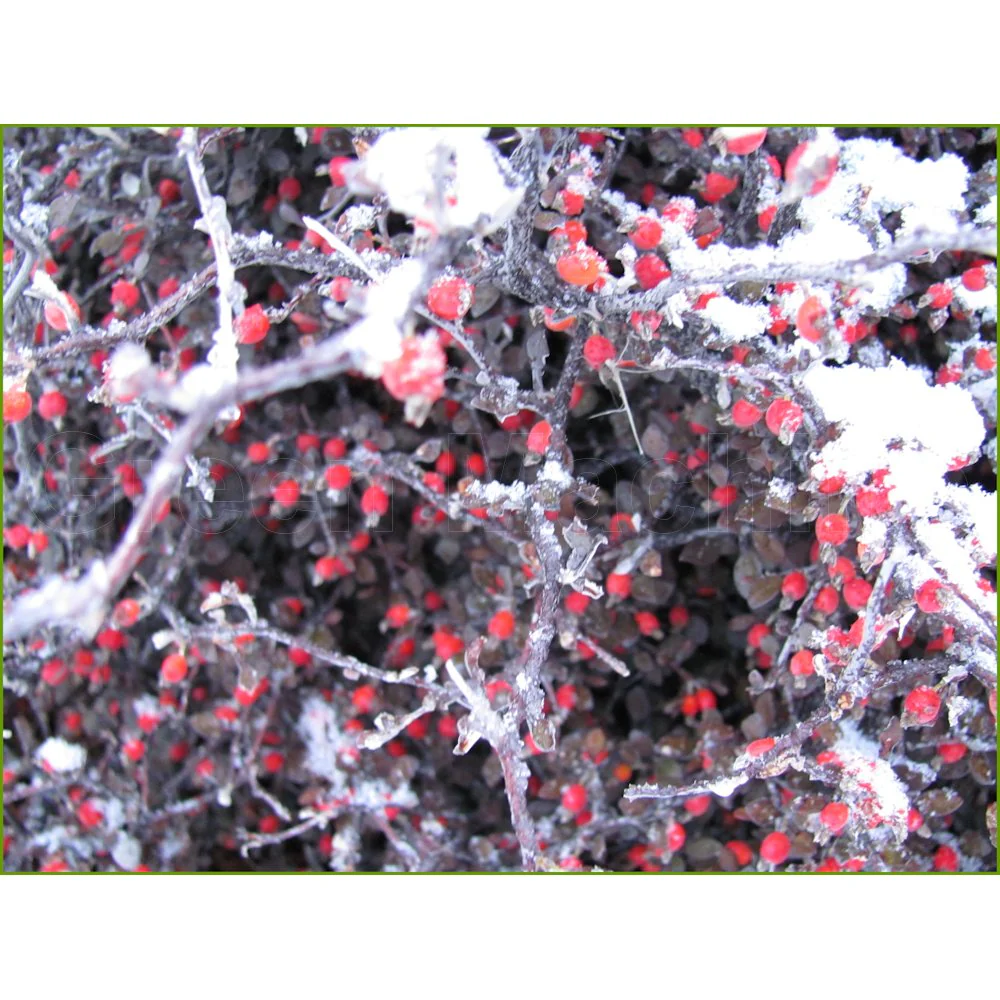
Flowers/Fruit: Tiny, yellow, star-shaped flowers in spring, followed by ornamental red berries in autumn
-
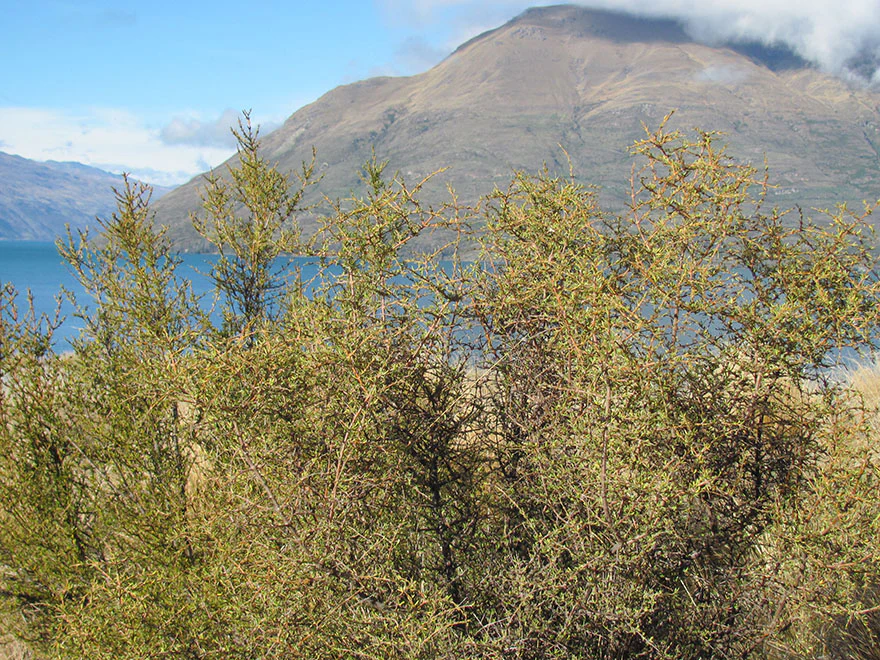
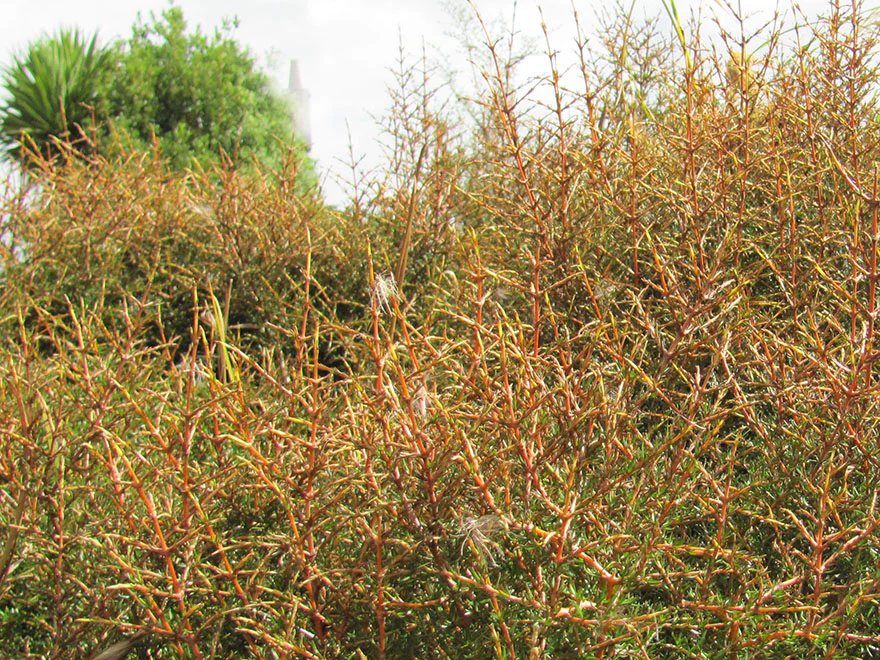
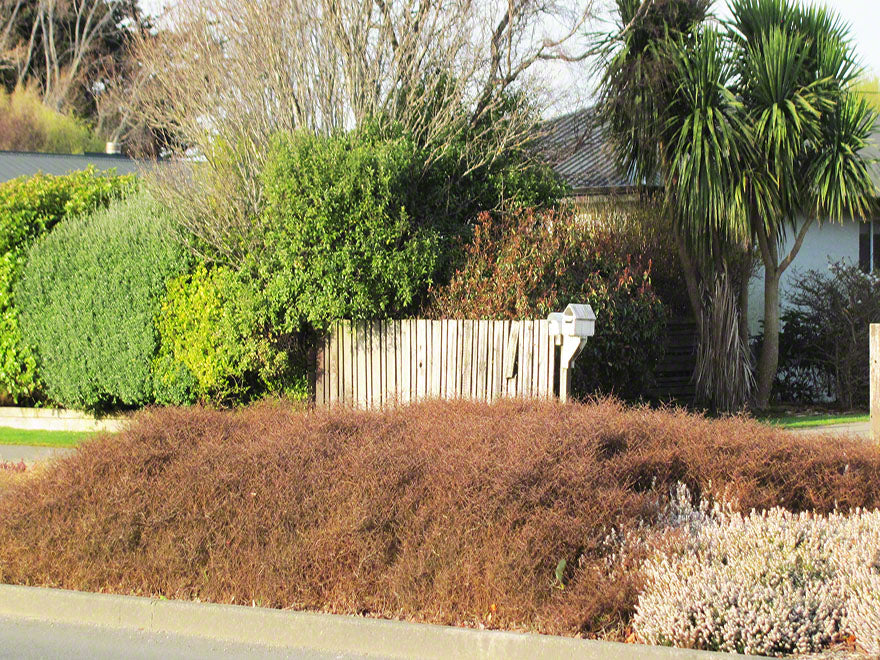
Form & Habit: Naturally twiggy and irregular, but easily shaped into formal or cloud-pruned forms
-
Growth Rate: Slow to moderate
-
Cultural or Ecological Value: Important in native revegetation; berries provide food for birds; foliage used traditionally in Māori medicine
Mature Size:
| Attribute | Size |
|---|---|
| Height | 1.5 meters |
| Spread | 1 meter |
| Form | Dense, twiggy, upright or rounded |
Ideal Growing Conditions:
| Requirement | Detail |
|---|---|
| Light | Full sun to light shade |
| Water | Low to moderate; drought-tolerant once established |
| Soil | Well-drained; tolerates poor, dry, or rocky soils |
| pH Range | Neutral to slightly acidic |
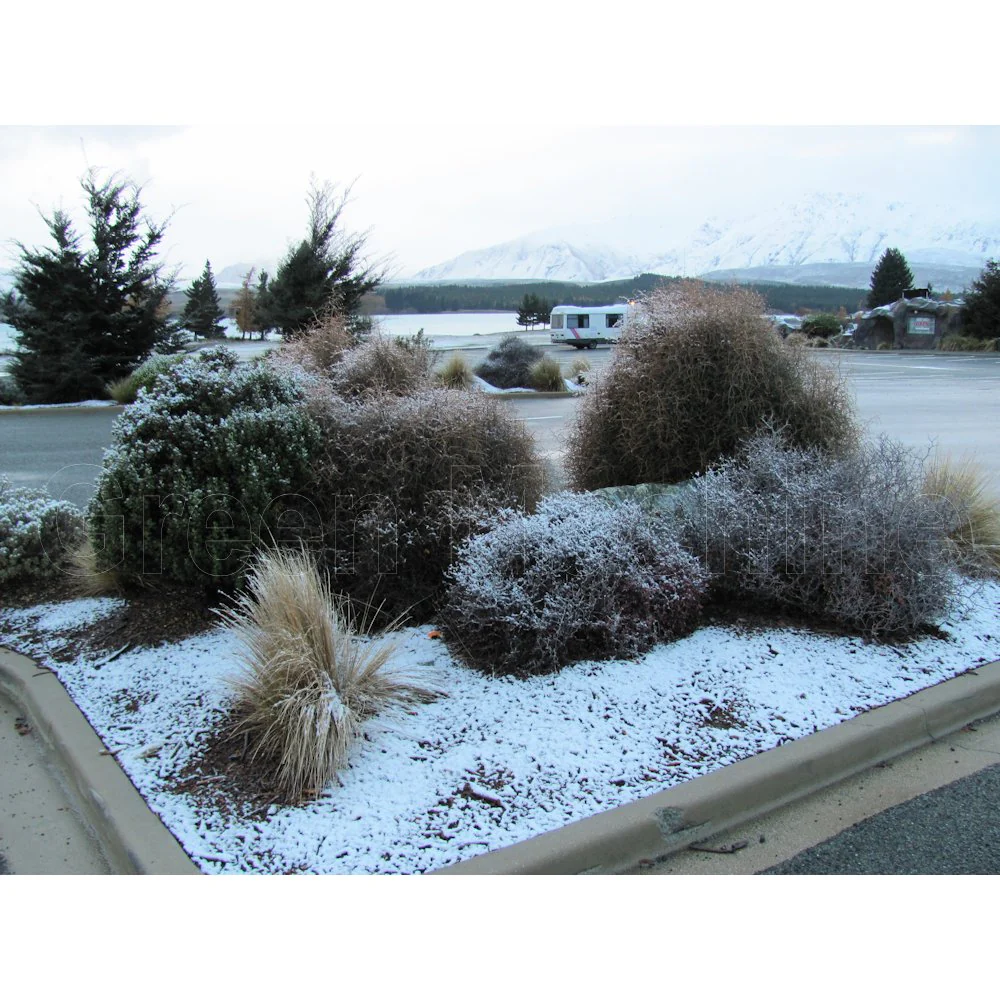
| Frost Tolerance | Tolerates light to moderate frost once established |
Landscaping and Garden Uses:
-
Formal or informal hedging and topiary
-
Native and ecological gardens
-
Coastal and exposed sites
-
Feature shrub in structured designs
-
Wildlife gardens — berries attract birds
Care and Maintenance:
-
Pruning: Prune lightly to shape or clip into hedges; responds well to topiary and cloud pruning
-
Watering: Water during establishment; minimal watering once mature
-
Feeding: Generally low nutrient requirements; fertilize in spring if growth is slow
-
Pests and Diseases: Hardy and low-maintenance; rarely affected by pests
-
Additional Tips: For a tight hedge or topiary, prune regularly from an early stage
Fun Fact or Botanical Insight:
The name Corokia cotoneaster reflects the plant’s resemblance to Cotoneaster, though they are unrelated. Its intricate branches and silver-toned foliage make it a favorite in Japanese-style gardens and modern architectural landscapes.
Why Choose Corokia cotoneaster?
For those seeking a plant with structure, character, and resilience, Corokia cotoneaster is a top performer. Whether used as a clipped hedge, informal screen, or specimen shrub, it adds texture, contrast, and native integrity to any planting scheme.
Pot Size:
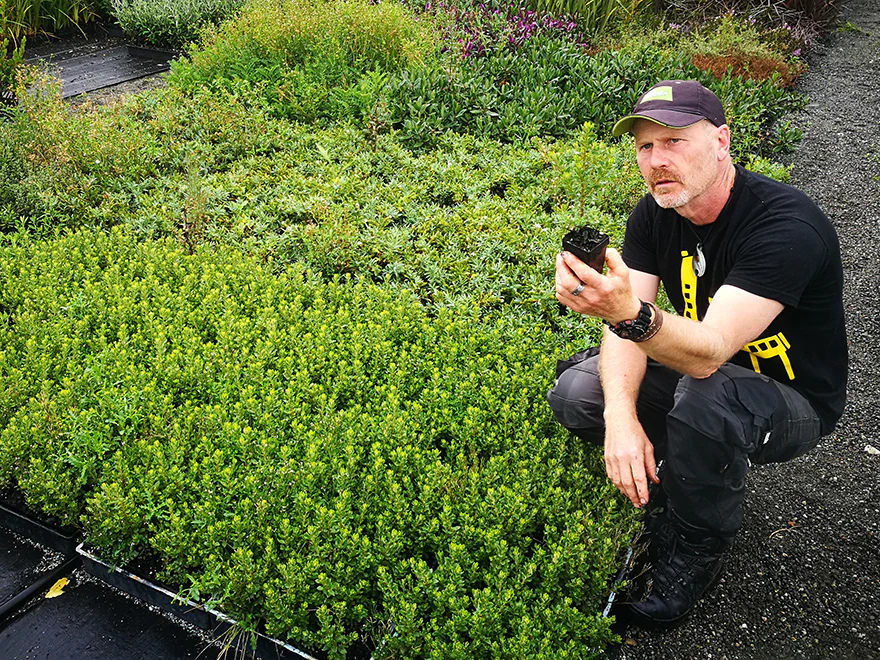
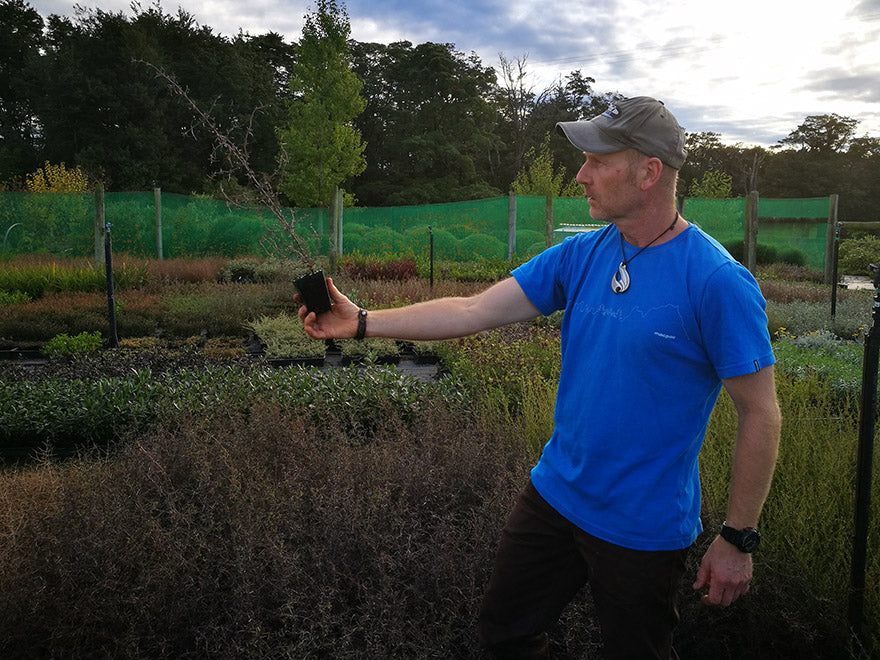
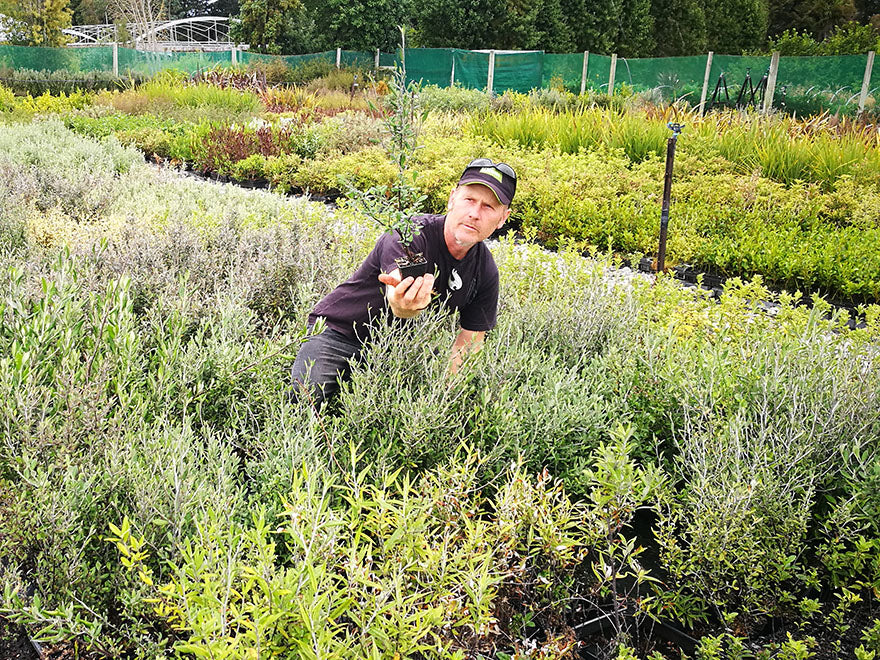
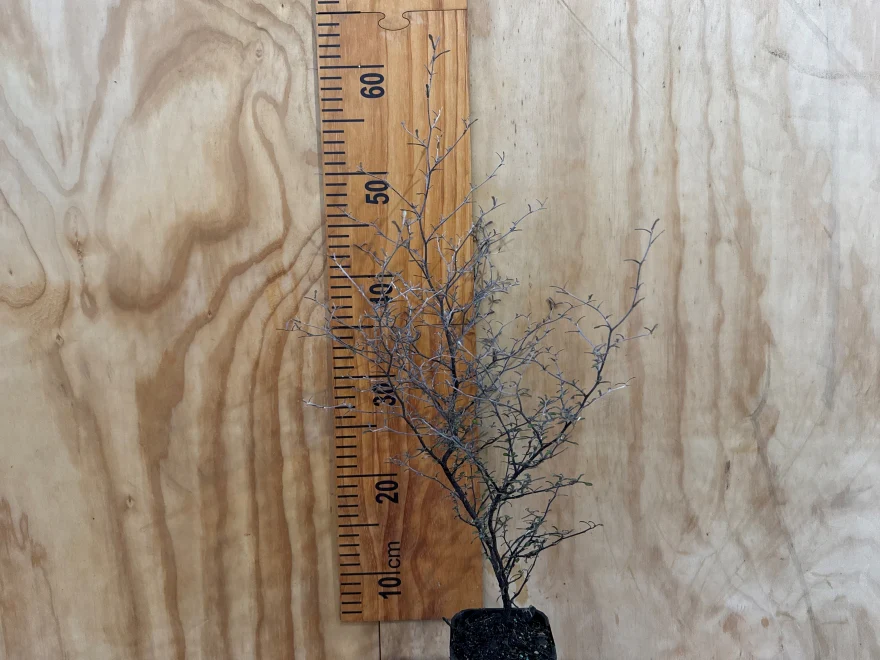
These are our large size in 9cm square pots.
Product Information
Product Information
Shipping & Returns
Shipping & Returns
Description
Corokia cotoneaster (Corokia cotoneaster)
Common Names: Wire Netting Bush, Korokio
Family: Argophyllaceae
Origin: Native to New Zealand
Plant Type: Evergreen shrub
Overview:
Corokia cotoneaster is a distinctive and hardy New Zealand native shrub known for its intricate, zigzag branching pattern and small, silvery-grey leaves. Often referred to as the “wire netting bush,” its unique structure offers year-round architectural interest, especially when clipped into formal shapes. In spring, it produces small yellow star-like flowers, followed by bright red berries that attract birds. Tough, drought-tolerant, and wind-resistant, it’s well suited to hedging, coastal gardens, and native landscapes.
Key Features:
-
Foliage: Small, oval, grey-green leaves with a silvery underside; foliage often appears sparse but forms dense growth with age or clipping
-
Flowers/Fruit: Tiny, yellow, star-shaped flowers in spring, followed by ornamental red berries in autumn
-
Form & Habit: Naturally twiggy and irregular, but easily shaped into formal or cloud-pruned forms
-
Growth Rate: Slow to moderate
-
Cultural or Ecological Value: Important in native revegetation; berries provide food for birds; foliage used traditionally in Māori medicine
Mature Size:
| Attribute | Size |
|---|---|
| Height | 1.5 meters |
| Spread | 1 meter |
| Form | Dense, twiggy, upright or rounded |
Ideal Growing Conditions:
| Requirement | Detail |
|---|---|
| Light | Full sun to light shade |
| Water | Low to moderate; drought-tolerant once established |
| Soil | Well-drained; tolerates poor, dry, or rocky soils |
| pH Range | Neutral to slightly acidic |
| Frost Tolerance | Tolerates light to moderate frost once established |
Landscaping and Garden Uses:
-
Formal or informal hedging and topiary
-
Native and ecological gardens
-
Coastal and exposed sites
-
Feature shrub in structured designs
-
Wildlife gardens — berries attract birds
Care and Maintenance:
-
Pruning: Prune lightly to shape or clip into hedges; responds well to topiary and cloud pruning
-
Watering: Water during establishment; minimal watering once mature
-
Feeding: Generally low nutrient requirements; fertilize in spring if growth is slow
-
Pests and Diseases: Hardy and low-maintenance; rarely affected by pests
-
Additional Tips: For a tight hedge or topiary, prune regularly from an early stage
Fun Fact or Botanical Insight:
The name Corokia cotoneaster reflects the plant’s resemblance to Cotoneaster, though they are unrelated. Its intricate branches and silver-toned foliage make it a favorite in Japanese-style gardens and modern architectural landscapes.
Why Choose Corokia cotoneaster?
For those seeking a plant with structure, character, and resilience, Corokia cotoneaster is a top performer. Whether used as a clipped hedge, informal screen, or specimen shrub, it adds texture, contrast, and native integrity to any planting scheme.
Pot Size:
These are our large size in 9cm square pots.