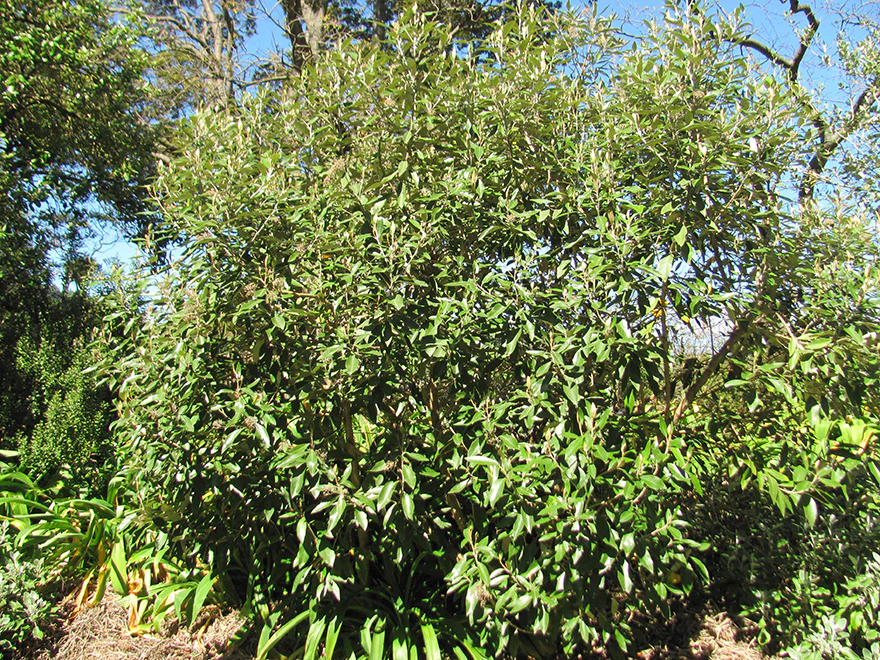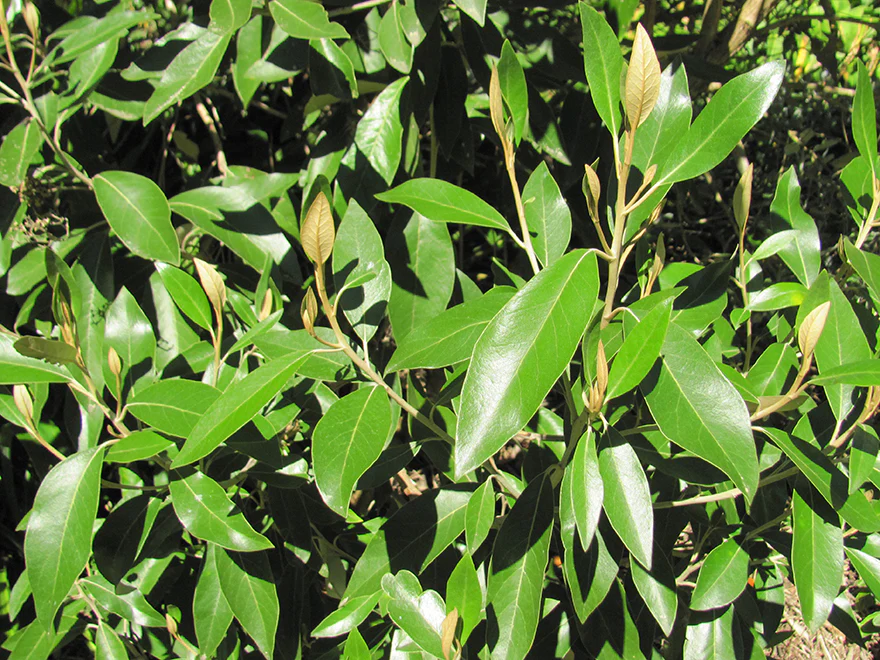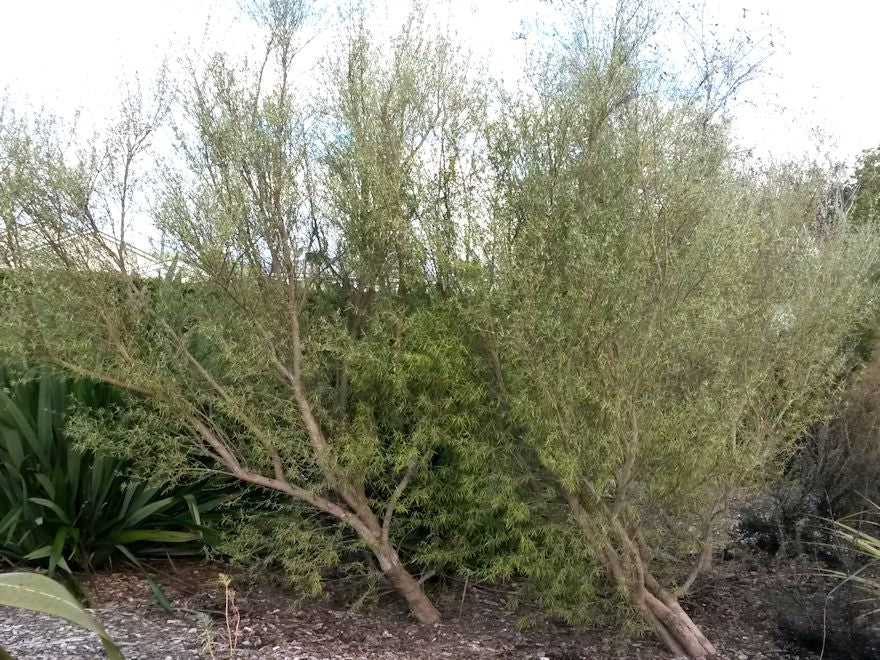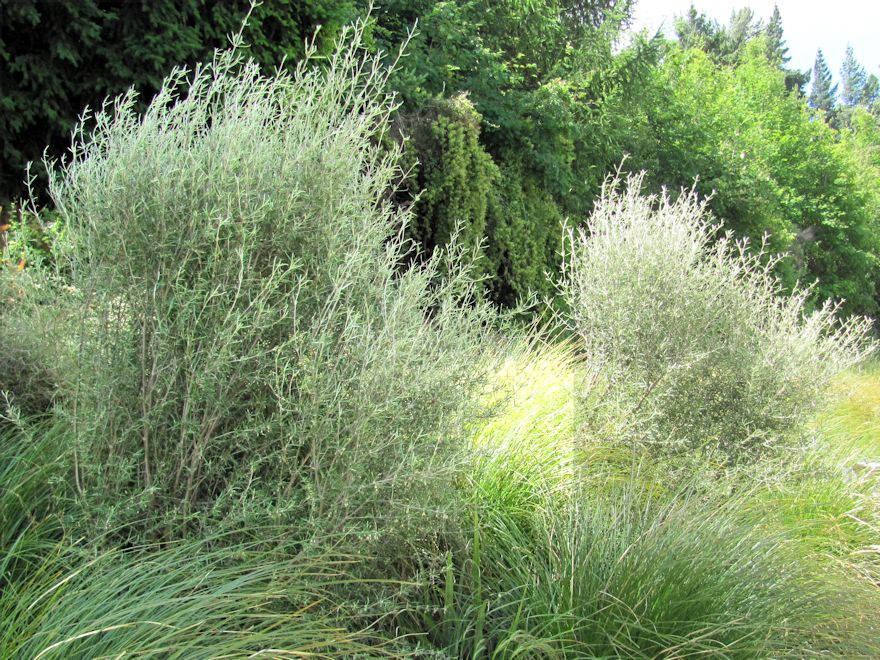
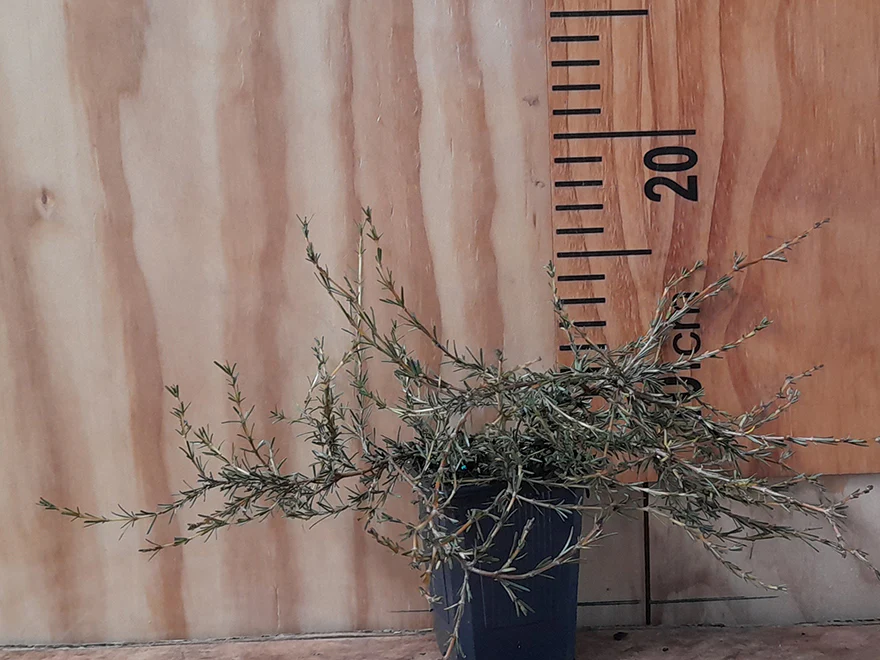
1x Sand Coprosma - $8.99 each
Coprosma acerosa (Sand Coprosma)
Common Names: Sand coprosma, Creeping coprosma, Taupata (prostrate form)
Family: Rubiaceae
Origin: New Zealand (coastal dunes and shorelines)
Plant Type: Evergreen prostrate/divaricating shrub (groundcover)
Overview:
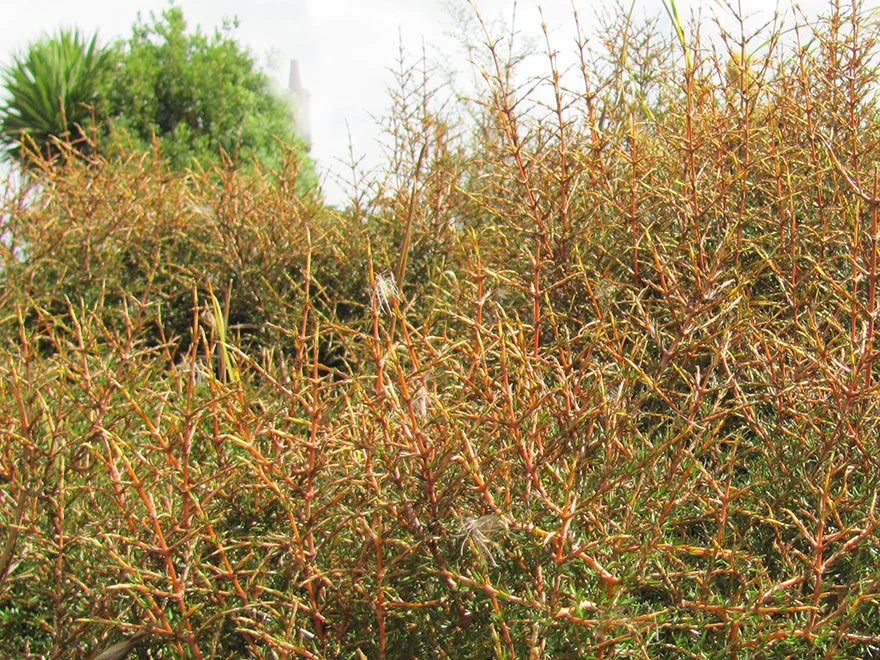
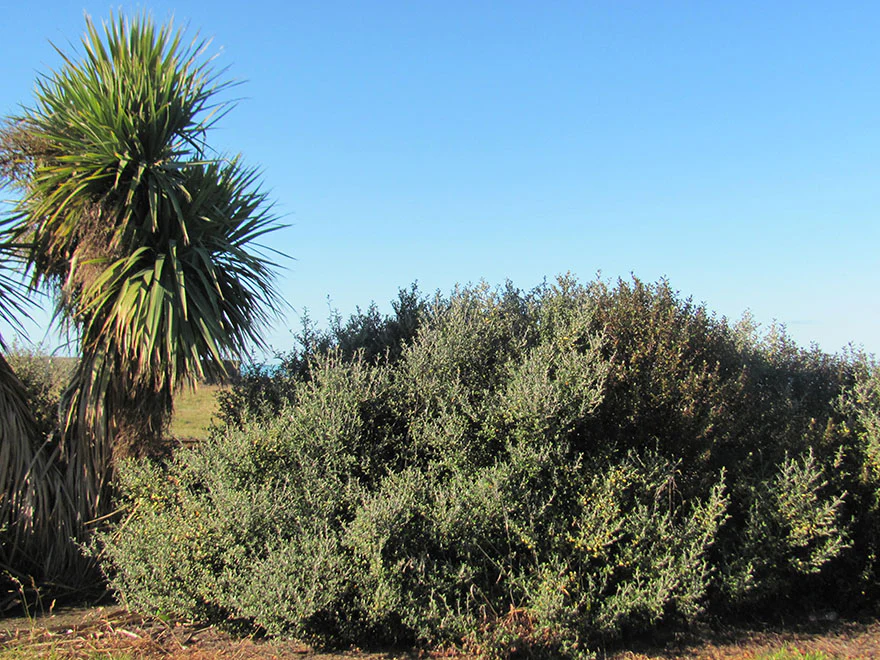
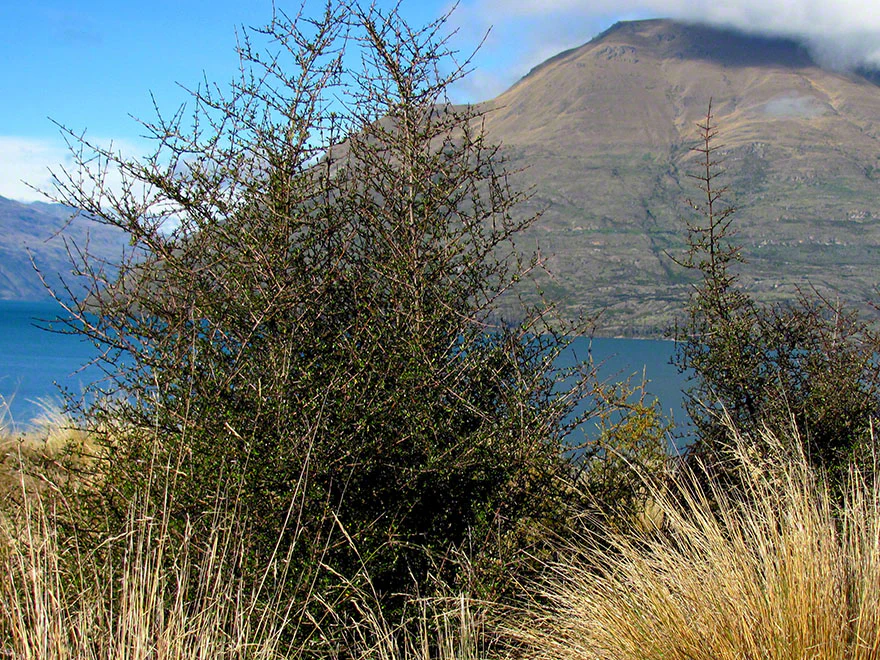
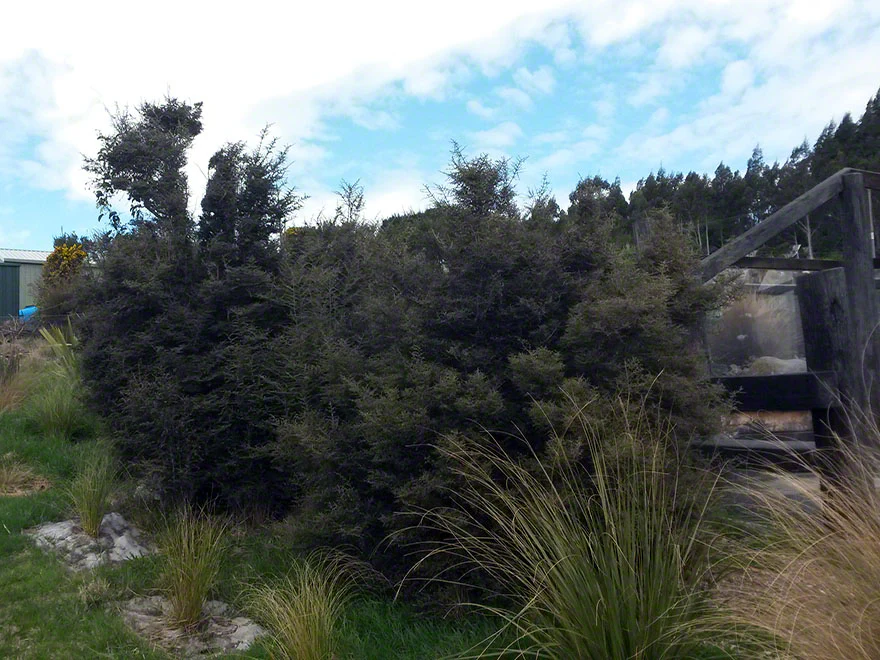
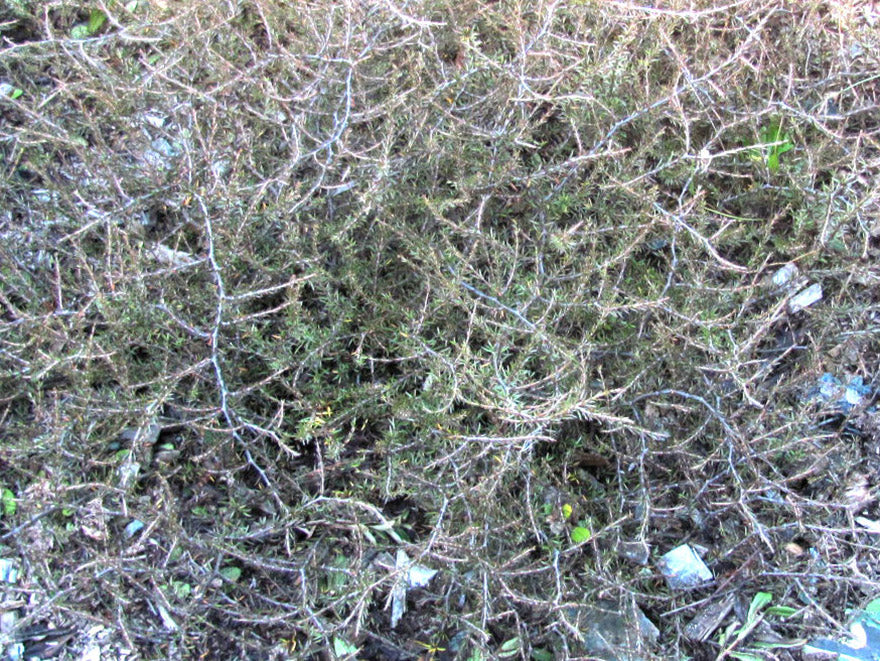
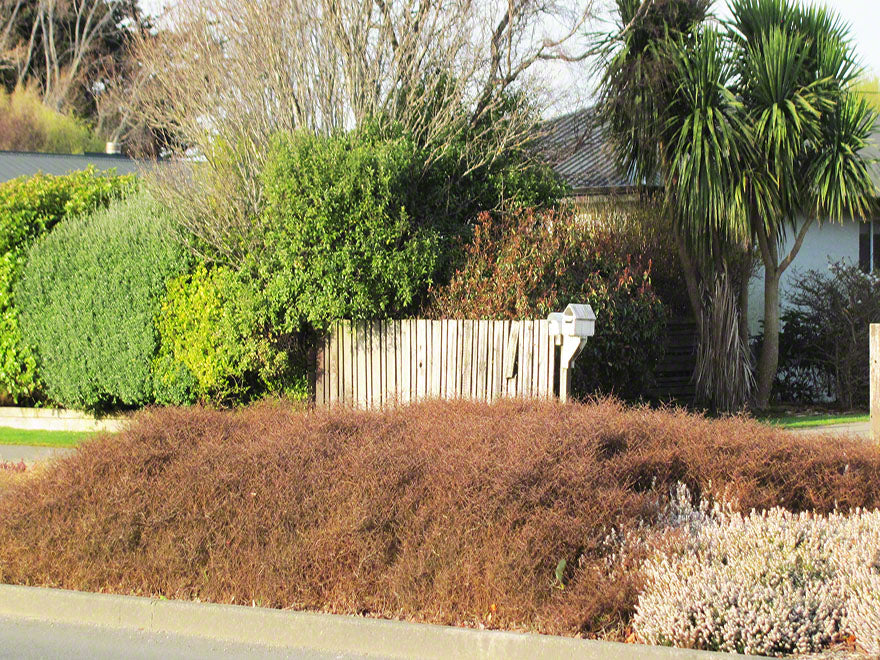
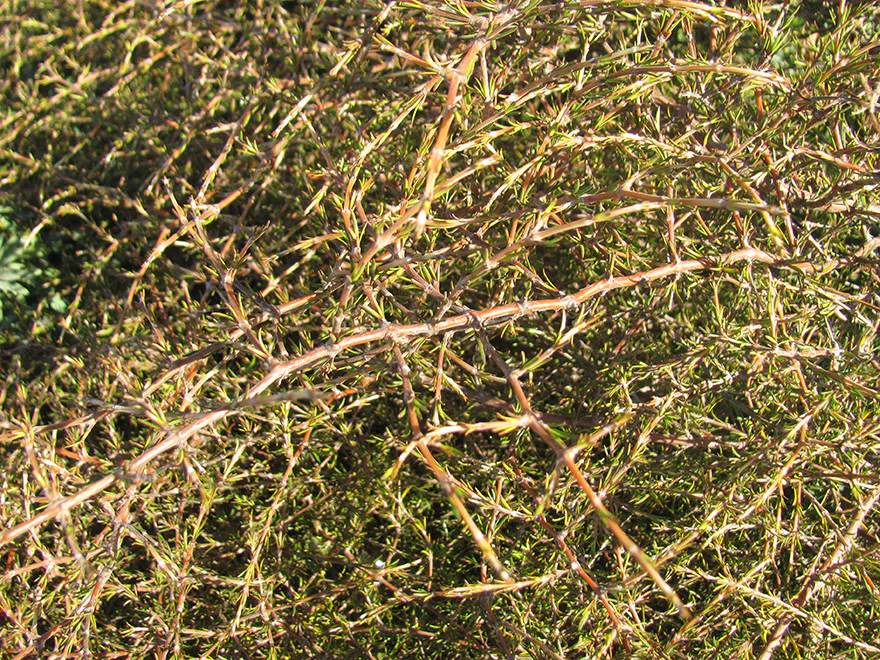
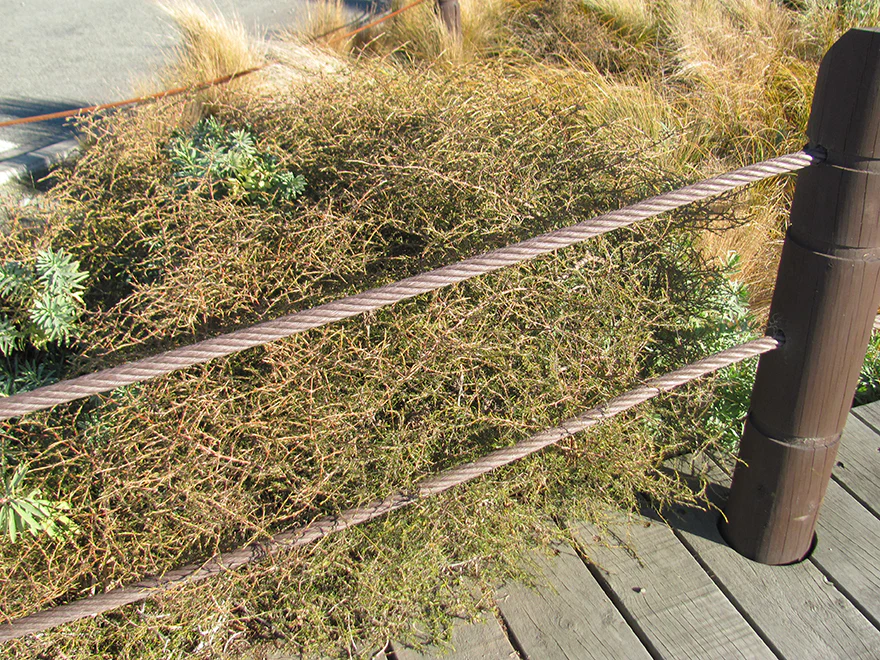
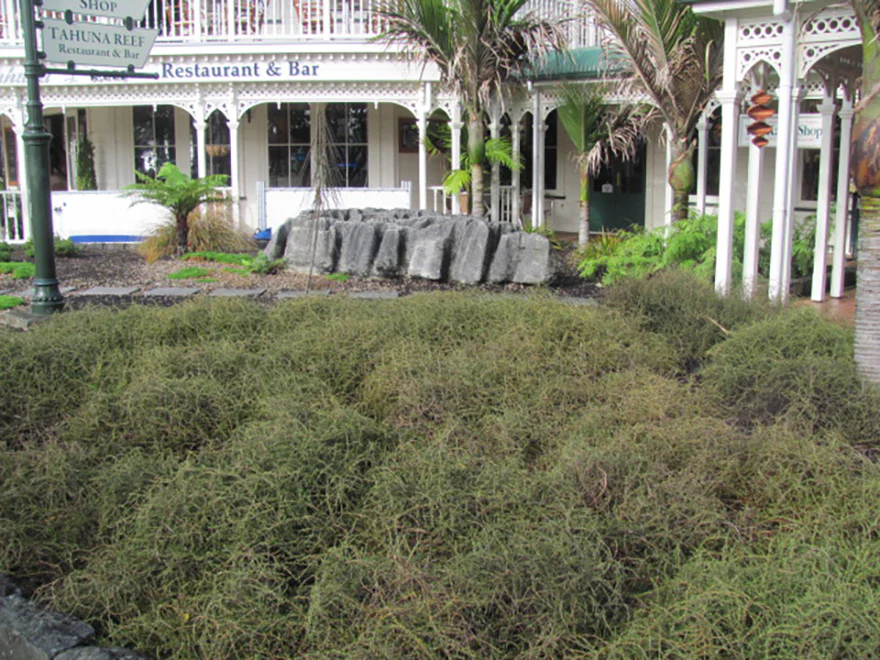
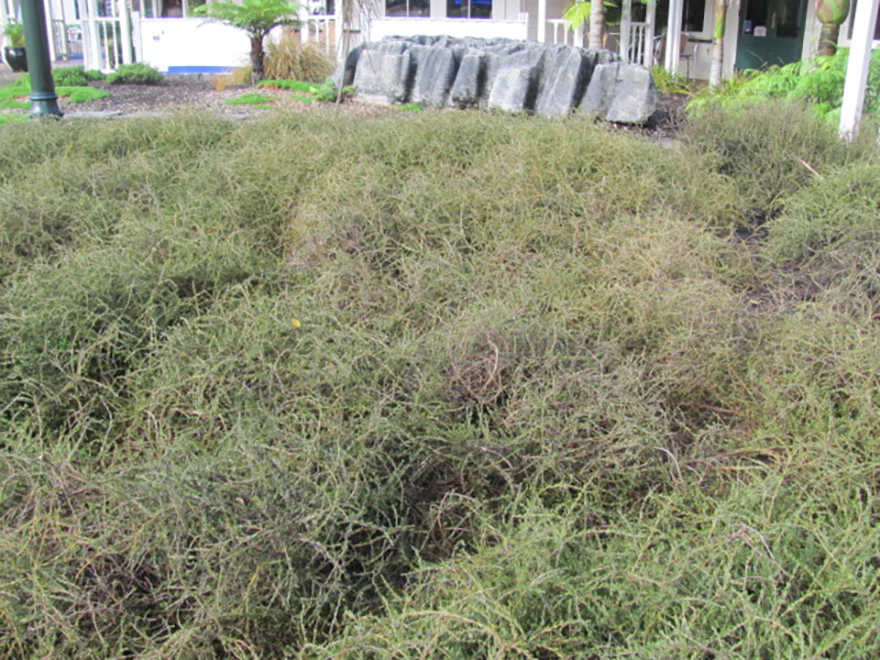
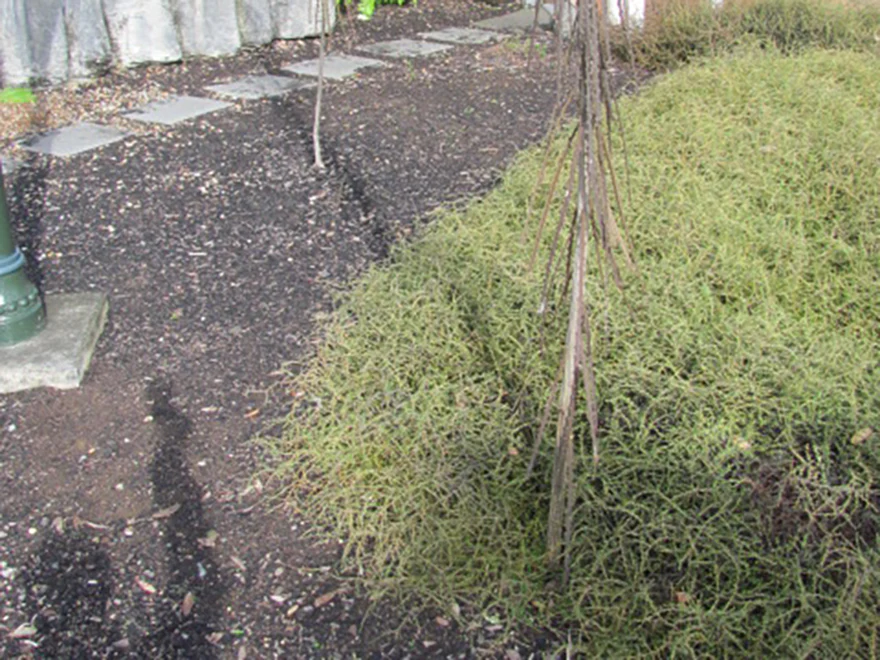
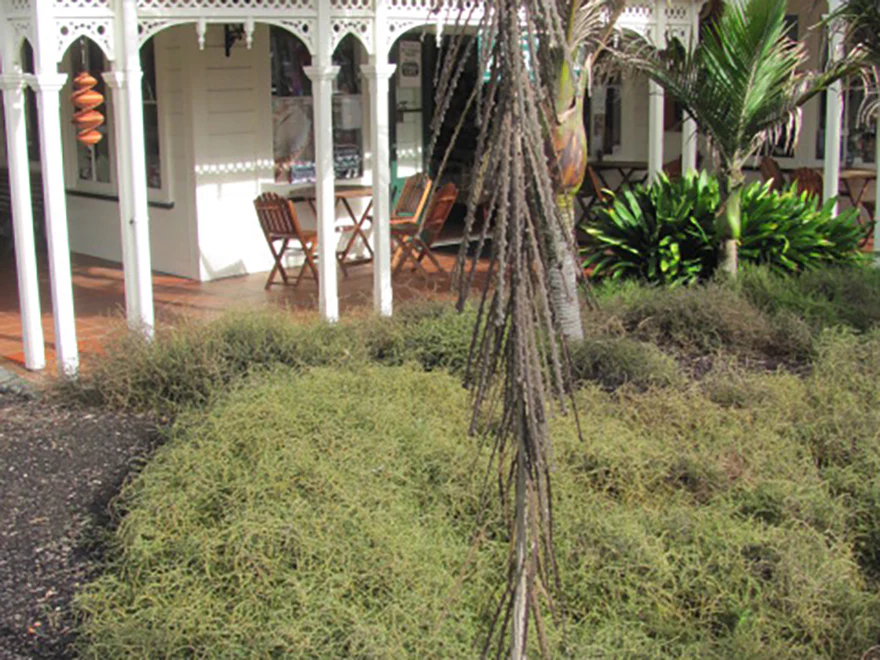
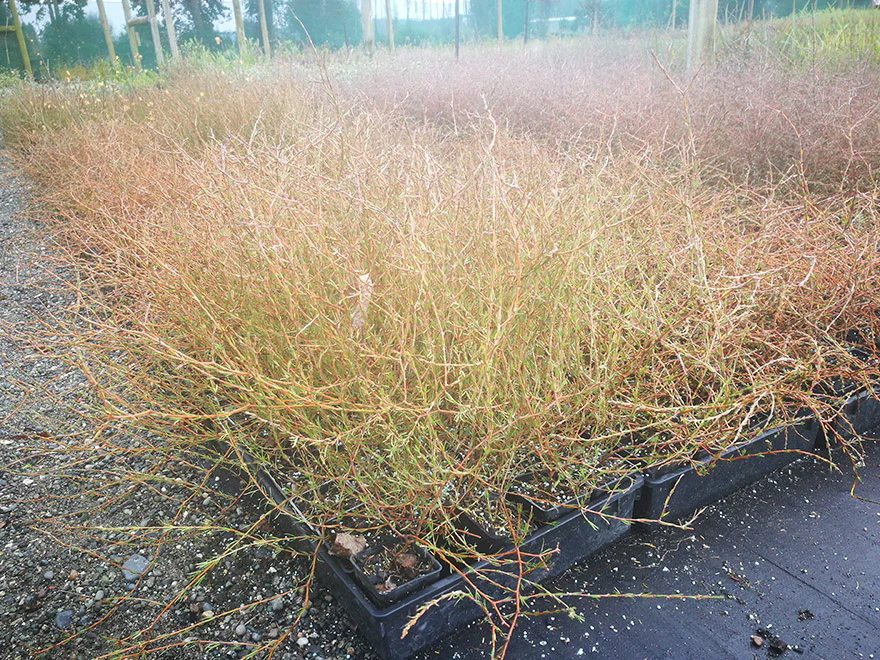
A hardy, coastal native that forms a low, weaving mat of twiggy stems and tiny leaves. Coprosma acerosa excels in windy, salty, and sandy sites, binding soil on banks and dunes while adding fine texture and seasonal colour from orange berries. Tough, low-care, and ideal for coastal and dry gardens.
Key Features:
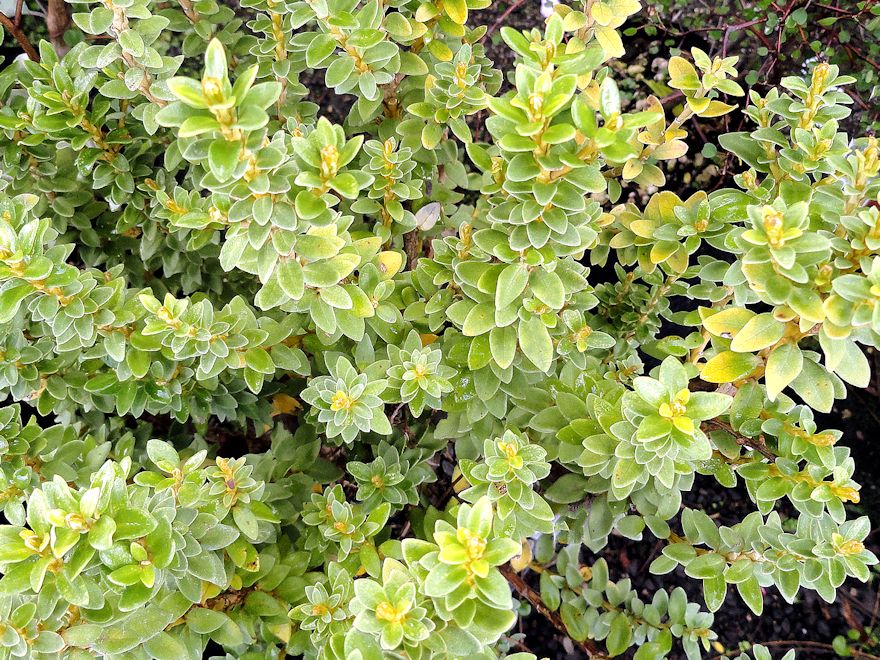
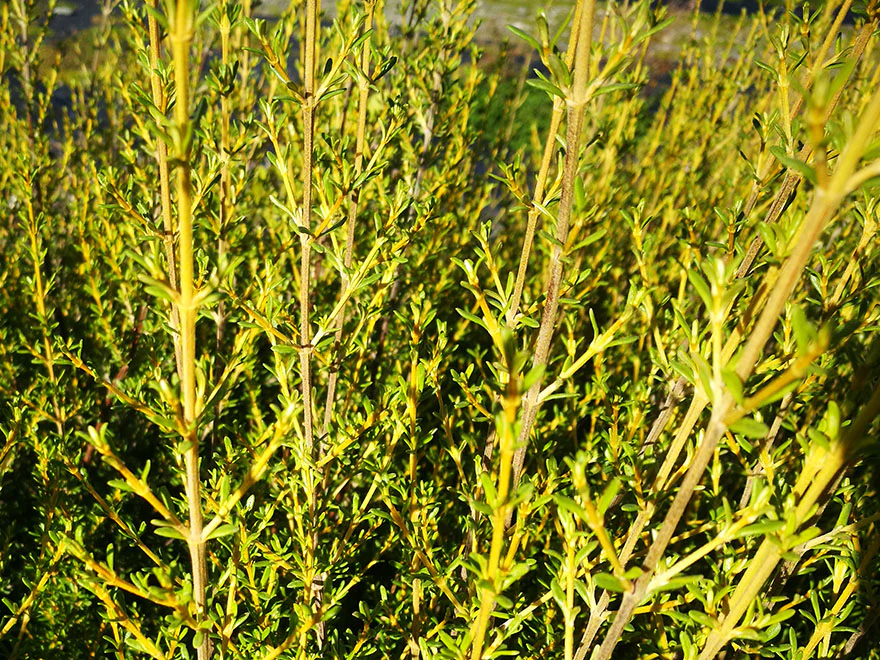
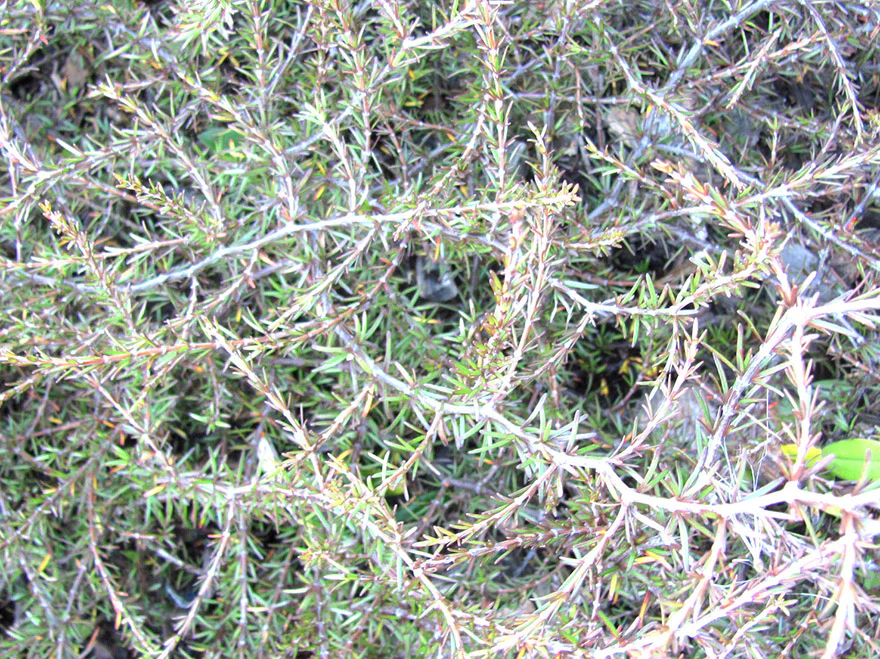
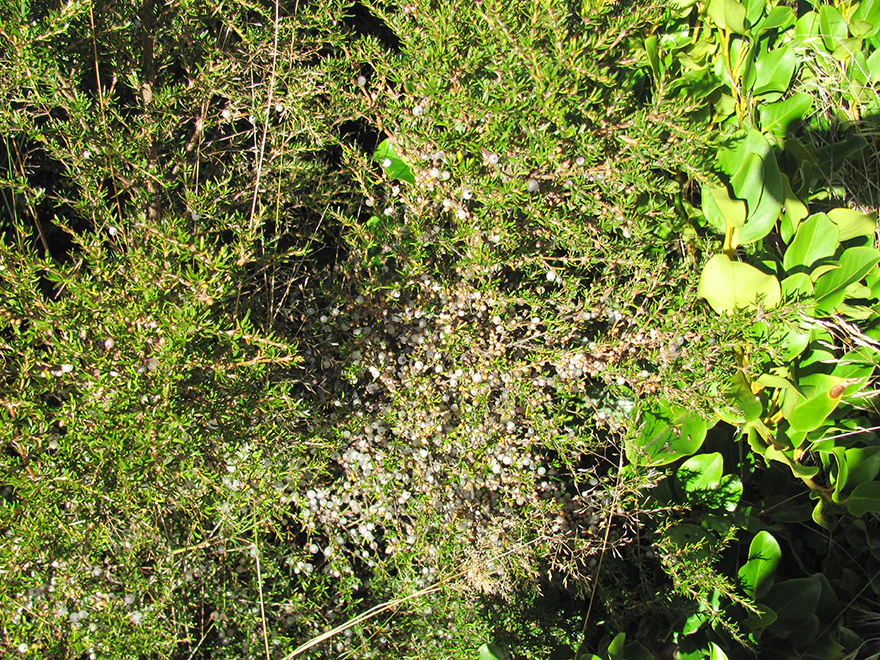
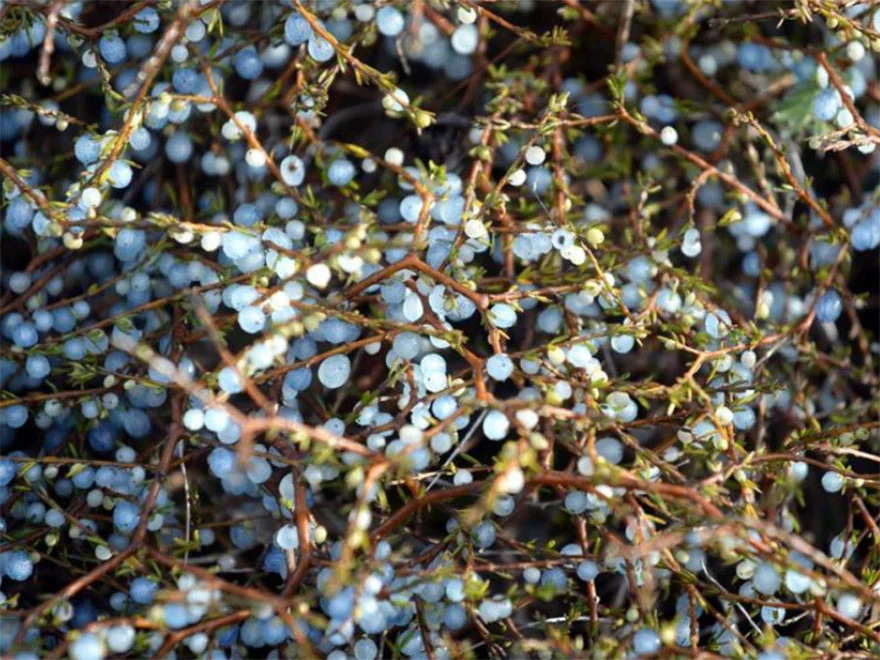
Foliage: Tiny, leathery leaves (grey-green to olive); some forms bronze in cold/wind
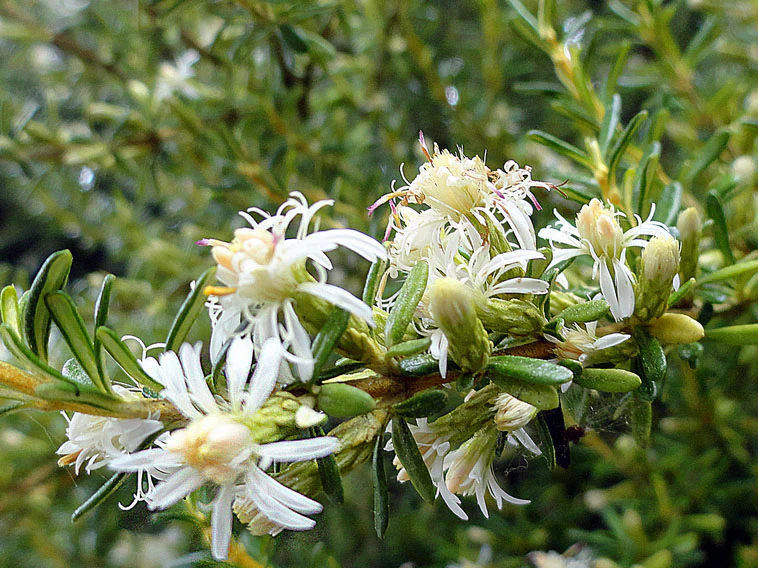
Flowers/Fruit: Inconspicuous spring flowers; showy orange/yellow-orange berries that attract birds
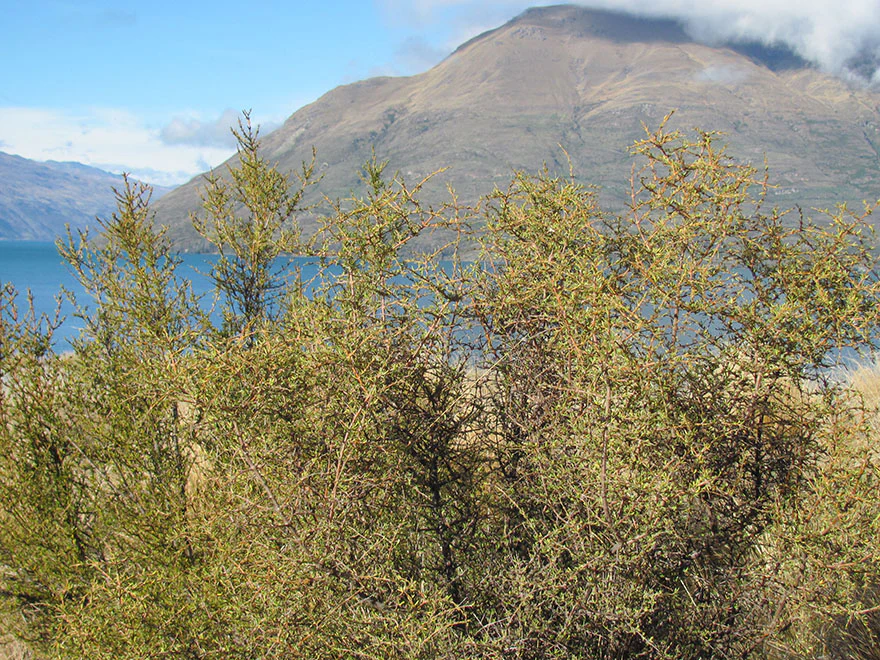
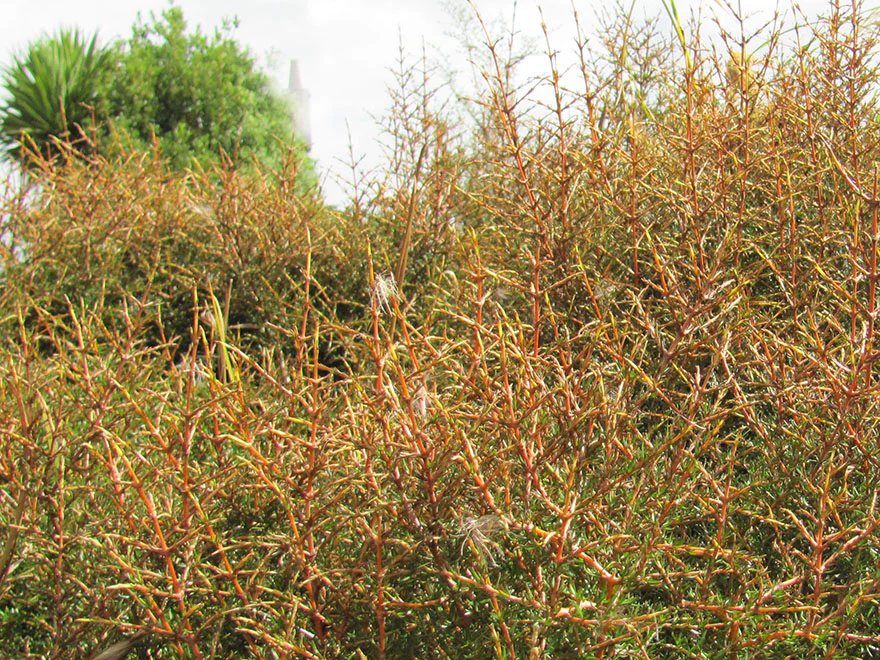
Form & Habit: Prostrate, wide-spreading, interlaced stems (divaricating); naturally tidy with light clipping
Growth Rate: Moderate in free-draining soils; quicker in warm coastal sites
Cultural or Ecological Value: Excellent dune/bank stabiliser; coastal habitat value for birds/invertebrates
Mature Size:
|
Attribute |
Size |
|
Height |
0.2–0.4 m (rarely to 0.5 m) |
|
Spread |
1.0–2.0+ m (layering stems can extend further) |
|
Form |
Prostrate, mat-forming, divaricating groundcover |
Ideal Growing Conditions:
|
Requirement |
Detail |
|
Light |
Full sun (best density/colour); light shade tolerated |
|
Water |
Low once established; water to establish in first season |
|
Soil |
Free-draining sands/loams; thrives in coastal/sandy soils; avoid waterlogging |
|
pH Range |
Slightly acidic to neutral (adaptable) |
|
Frost Tolerance |
Coastal-hardy; tolerates wind and salt spray well |
Landscaping and Garden Uses:
Coastal gardens and dune restoration
Banking/erosion control and groundcover between larger shrubs
Rockeries, gravel gardens, and xeric plantings
Front-of-border texture; spilling over walls and edges
Wildlife-friendly plantings (berries for birds)
Care and Maintenance:
Pruning: Light clip once or twice a year to maintain edges/shape; avoid hard, woody cuts
Watering: Regular to establish; thereafter minimal except in prolonged drought
Feeding: Generally unnecessary; optional light, native-safe slow-release feed in spring if growth slows
Pests and Diseases: Typically trouble-free in open, free-draining sites; root issues in poorly drained soils
Additional Tips: Space plants to allow spread (typically 60–90 cm apart for fill-in within 1–2 seasons)
Fun Fact / Botanical Insight:
The tight, interlaced branching (divarication) helps it withstand coastal wind and sand abrasion, making it a natural choice for dune stabilisation.
Why Choose Coprosma acerosa?
Ultra-tough coastal native groundcover that knits soil, shrugs off wind and salt, and brings fine texture plus bright berries—all with very low maintenance.
Pot Size:
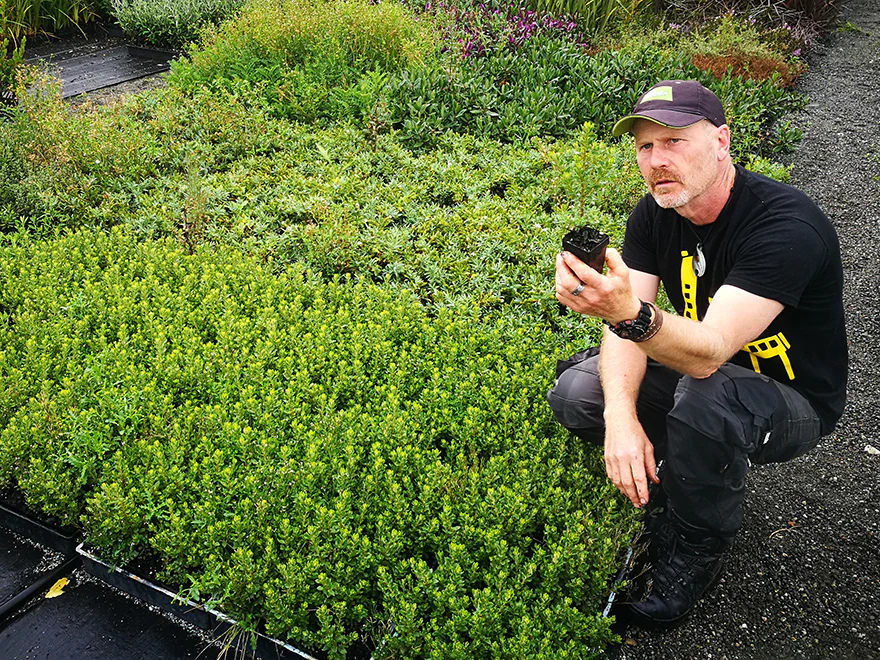
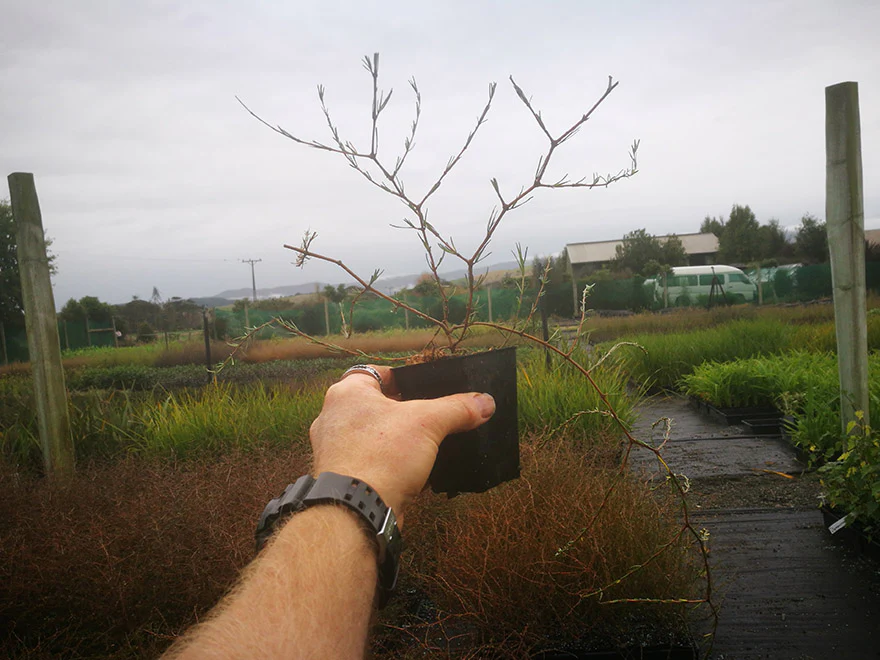
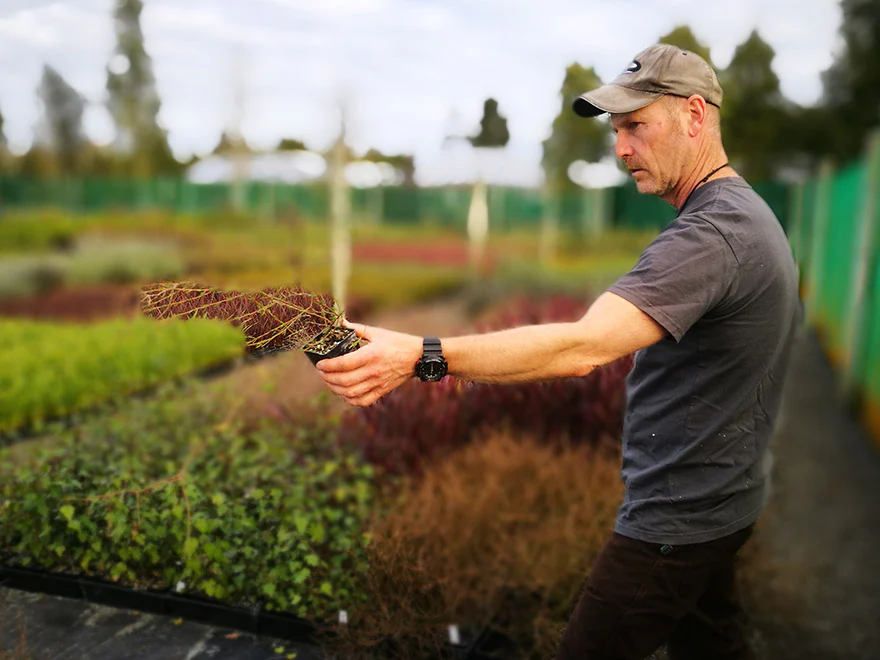
Standard 7 cm square pots.
Original: $5.35
-65%$5.35
$1.87Product Information
Product Information
Shipping & Returns
Shipping & Returns
Description
Coprosma acerosa (Sand Coprosma)
Common Names: Sand coprosma, Creeping coprosma, Taupata (prostrate form)
Family: Rubiaceae
Origin: New Zealand (coastal dunes and shorelines)
Plant Type: Evergreen prostrate/divaricating shrub (groundcover)
Overview:
A hardy, coastal native that forms a low, weaving mat of twiggy stems and tiny leaves. Coprosma acerosa excels in windy, salty, and sandy sites, binding soil on banks and dunes while adding fine texture and seasonal colour from orange berries. Tough, low-care, and ideal for coastal and dry gardens.
Key Features:
Foliage: Tiny, leathery leaves (grey-green to olive); some forms bronze in cold/wind
Flowers/Fruit: Inconspicuous spring flowers; showy orange/yellow-orange berries that attract birds
Form & Habit: Prostrate, wide-spreading, interlaced stems (divaricating); naturally tidy with light clipping
Growth Rate: Moderate in free-draining soils; quicker in warm coastal sites
Cultural or Ecological Value: Excellent dune/bank stabiliser; coastal habitat value for birds/invertebrates
Mature Size:
|
Attribute |
Size |
|
Height |
0.2–0.4 m (rarely to 0.5 m) |
|
Spread |
1.0–2.0+ m (layering stems can extend further) |
|
Form |
Prostrate, mat-forming, divaricating groundcover |
Ideal Growing Conditions:
|
Requirement |
Detail |
|
Light |
Full sun (best density/colour); light shade tolerated |
|
Water |
Low once established; water to establish in first season |
|
Soil |
Free-draining sands/loams; thrives in coastal/sandy soils; avoid waterlogging |
|
pH Range |
Slightly acidic to neutral (adaptable) |
|
Frost Tolerance |
Coastal-hardy; tolerates wind and salt spray well |
Landscaping and Garden Uses:
Coastal gardens and dune restoration
Banking/erosion control and groundcover between larger shrubs
Rockeries, gravel gardens, and xeric plantings
Front-of-border texture; spilling over walls and edges
Wildlife-friendly plantings (berries for birds)
Care and Maintenance:
Pruning: Light clip once or twice a year to maintain edges/shape; avoid hard, woody cuts
Watering: Regular to establish; thereafter minimal except in prolonged drought
Feeding: Generally unnecessary; optional light, native-safe slow-release feed in spring if growth slows
Pests and Diseases: Typically trouble-free in open, free-draining sites; root issues in poorly drained soils
Additional Tips: Space plants to allow spread (typically 60–90 cm apart for fill-in within 1–2 seasons)
Fun Fact / Botanical Insight:
The tight, interlaced branching (divarication) helps it withstand coastal wind and sand abrasion, making it a natural choice for dune stabilisation.
Why Choose Coprosma acerosa?
Ultra-tough coastal native groundcover that knits soil, shrugs off wind and salt, and brings fine texture plus bright berries—all with very low maintenance.
Pot Size:
Standard 7 cm square pots.