


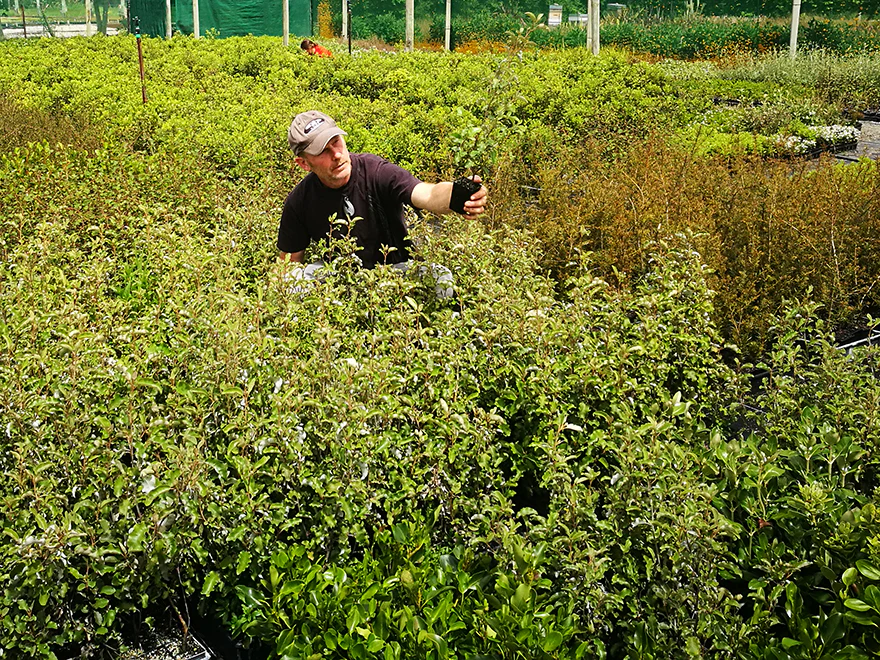
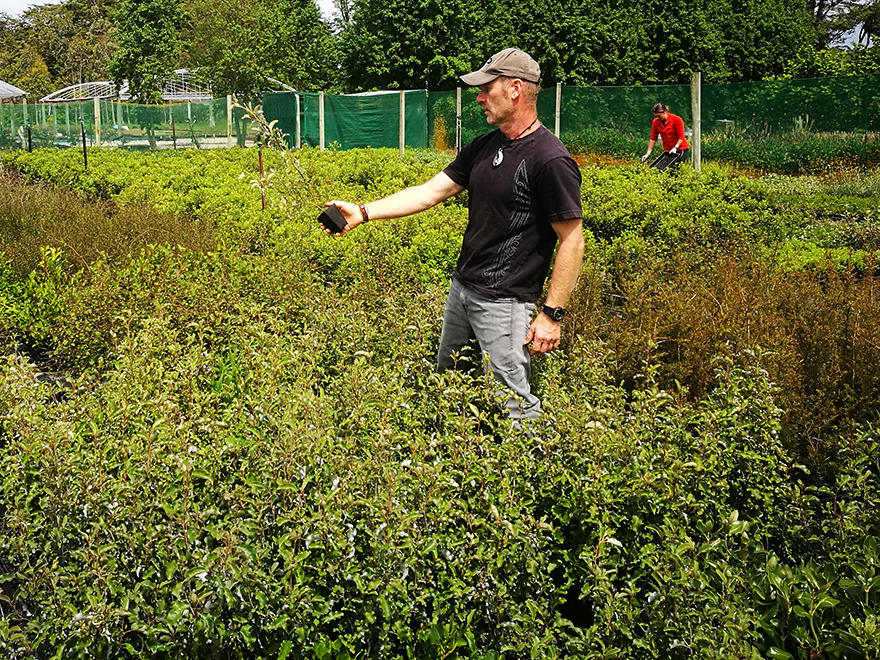
100x Golden Ake Ake - $3.99 each
Olearia paniculata (Olearia paniculata)
Common Names: Golden Akeake, Akiraho
Family: Asteraceae
Origin: Native to New Zealand
Plant Type: Evergreen shrub or small tree
Overview:
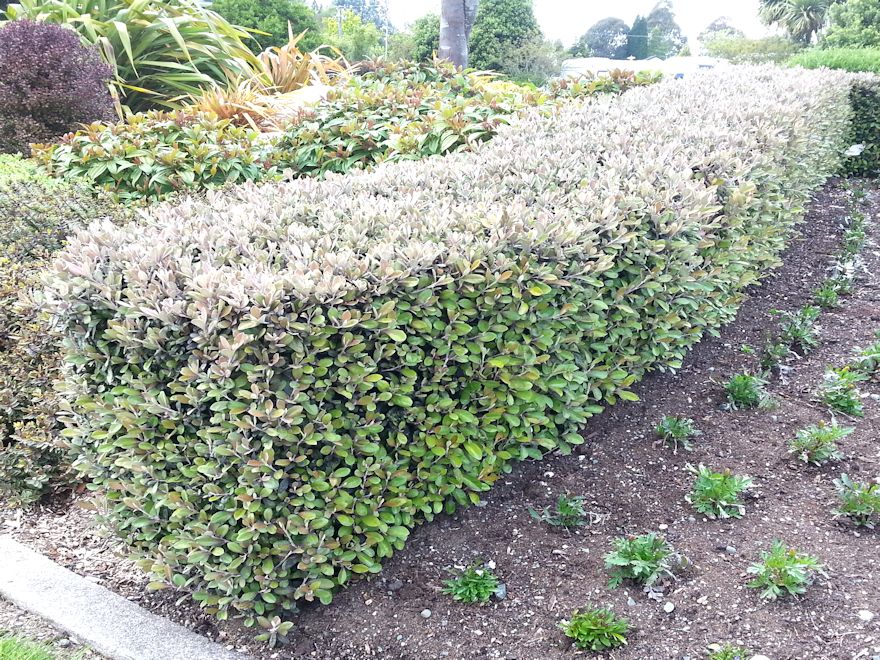
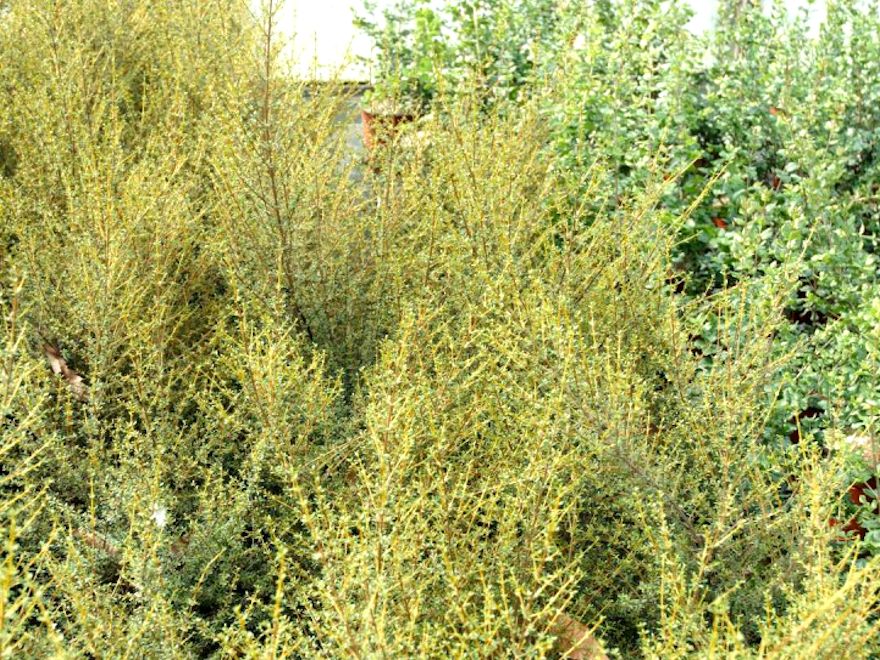
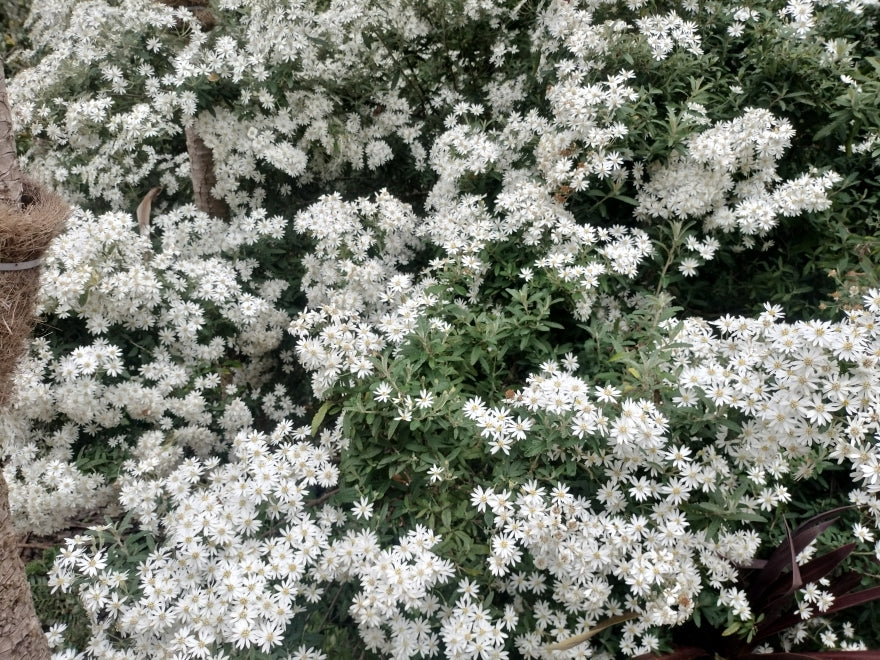
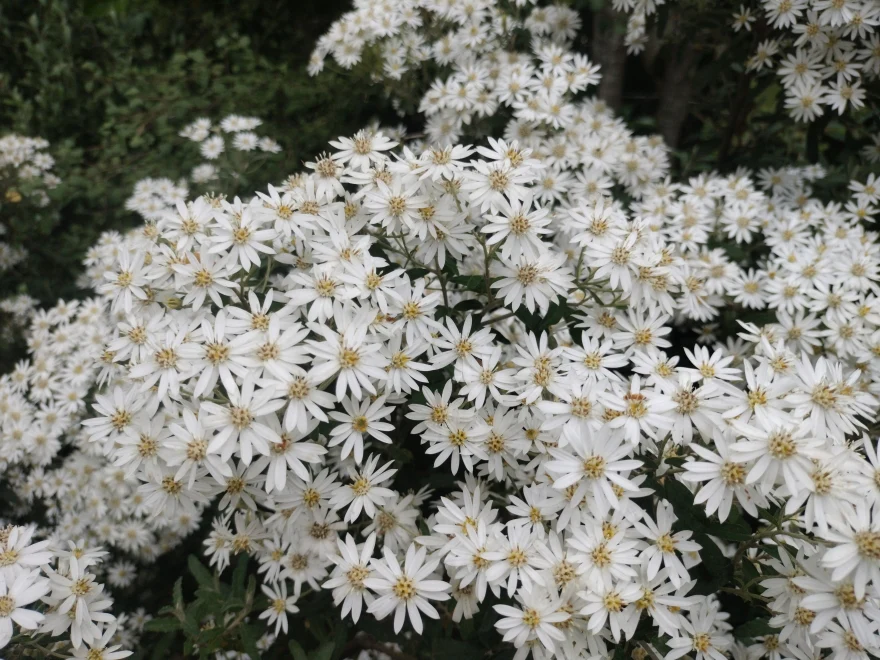
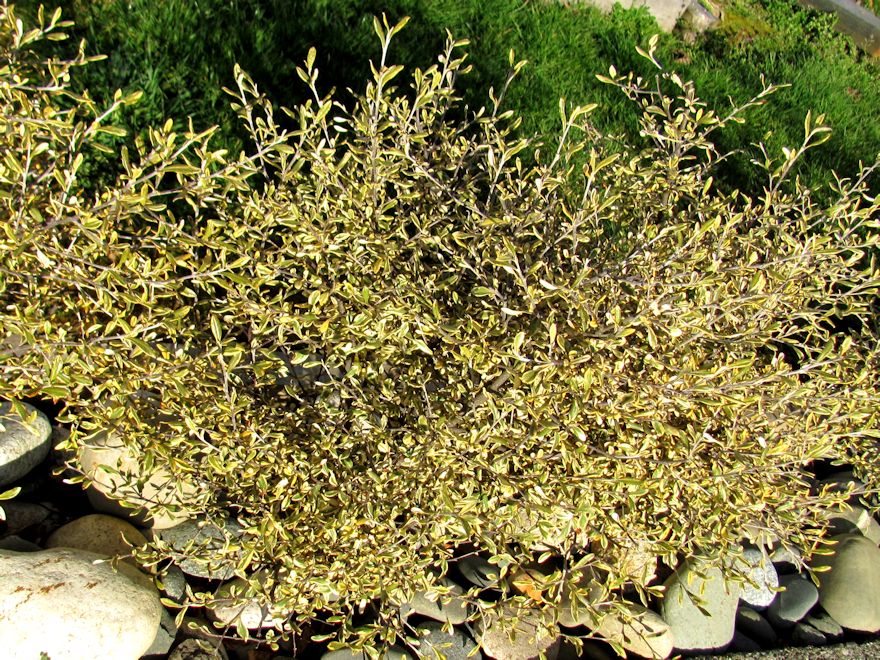
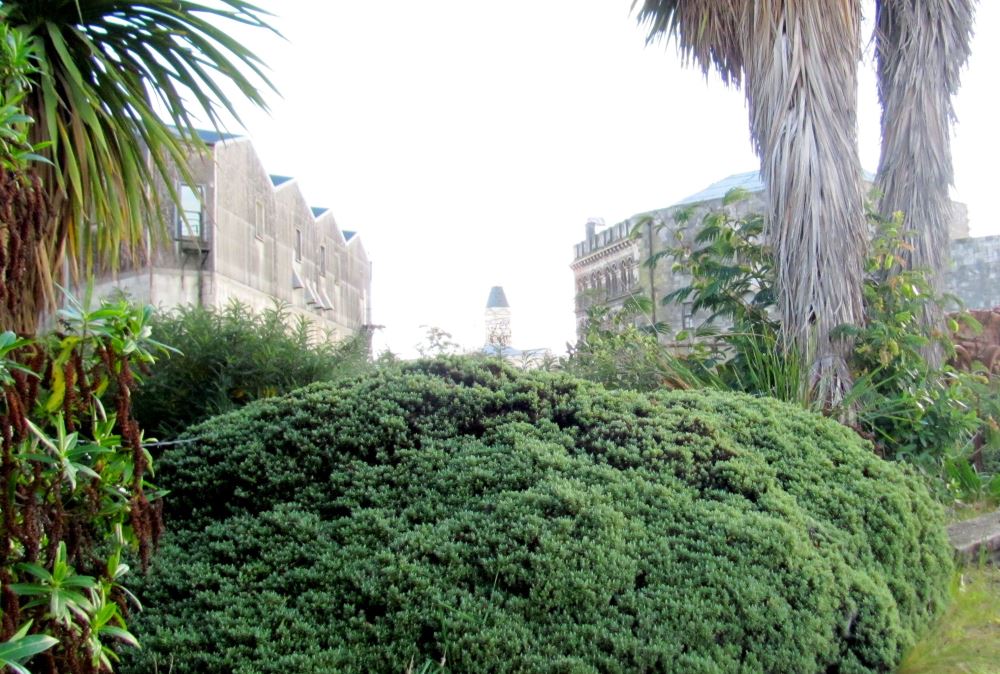
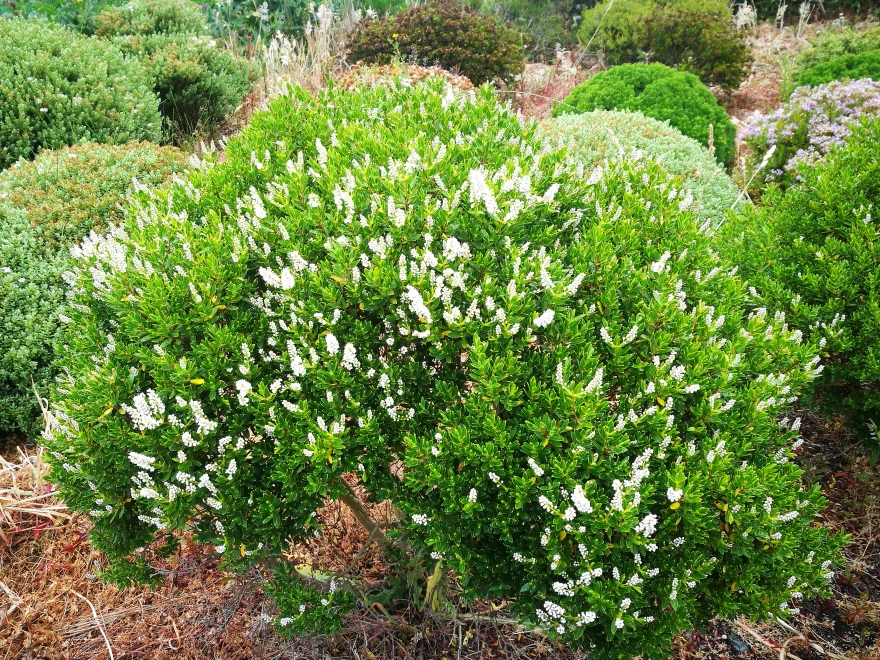
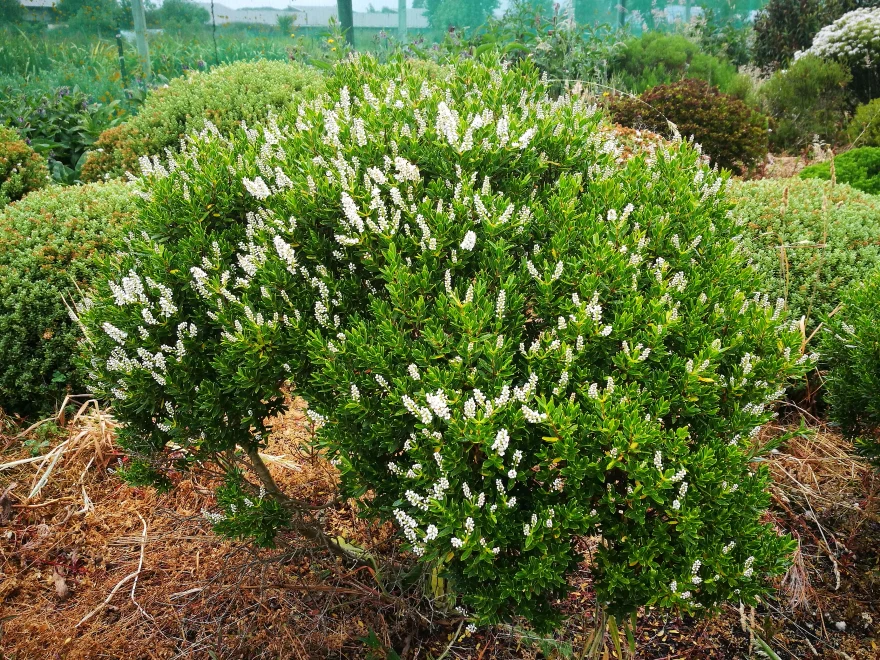
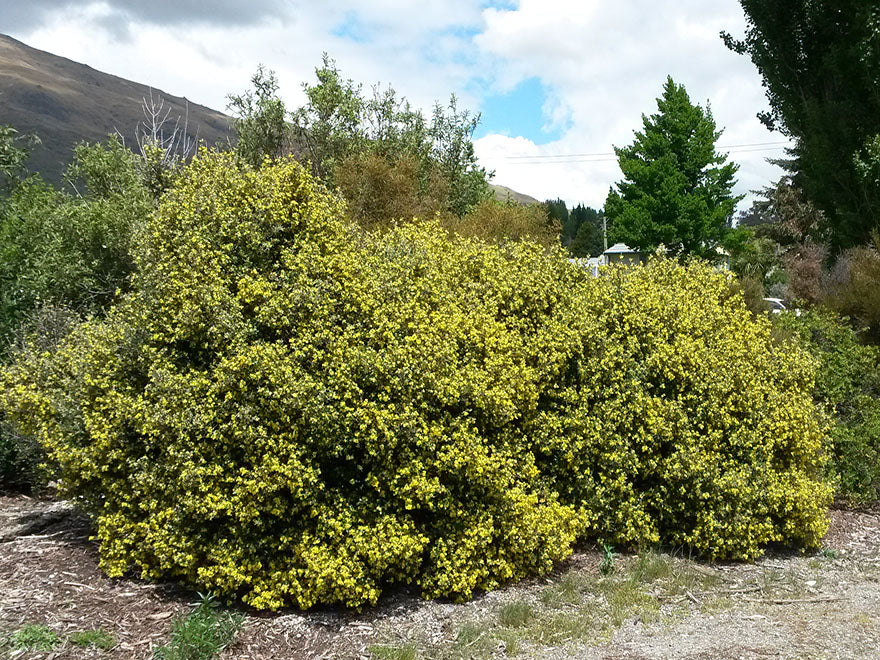
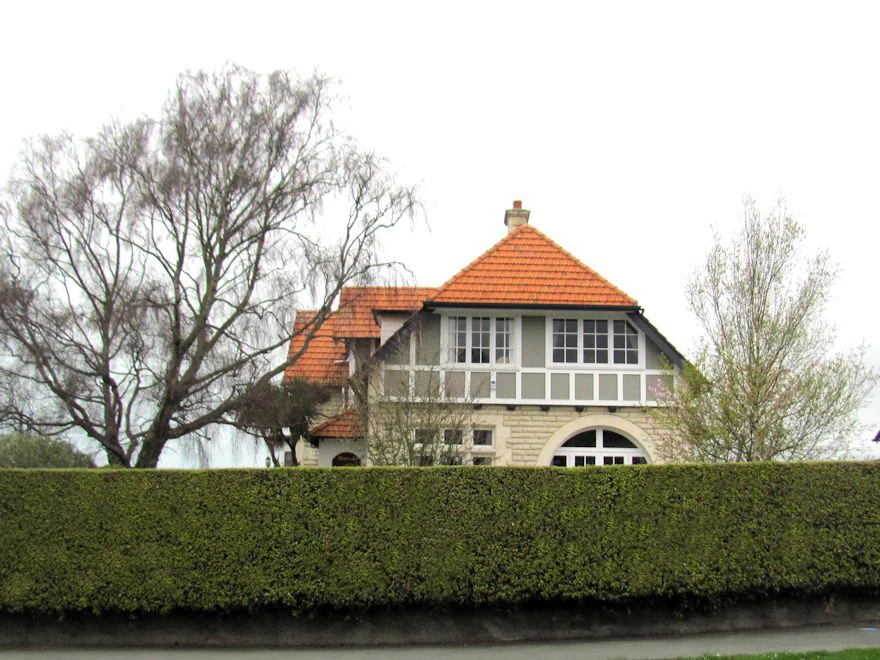
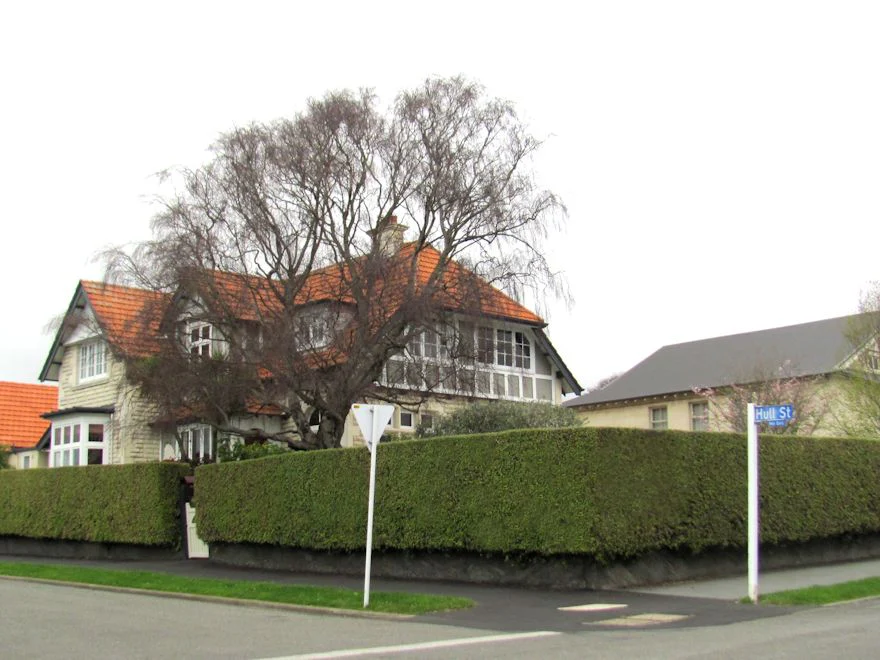
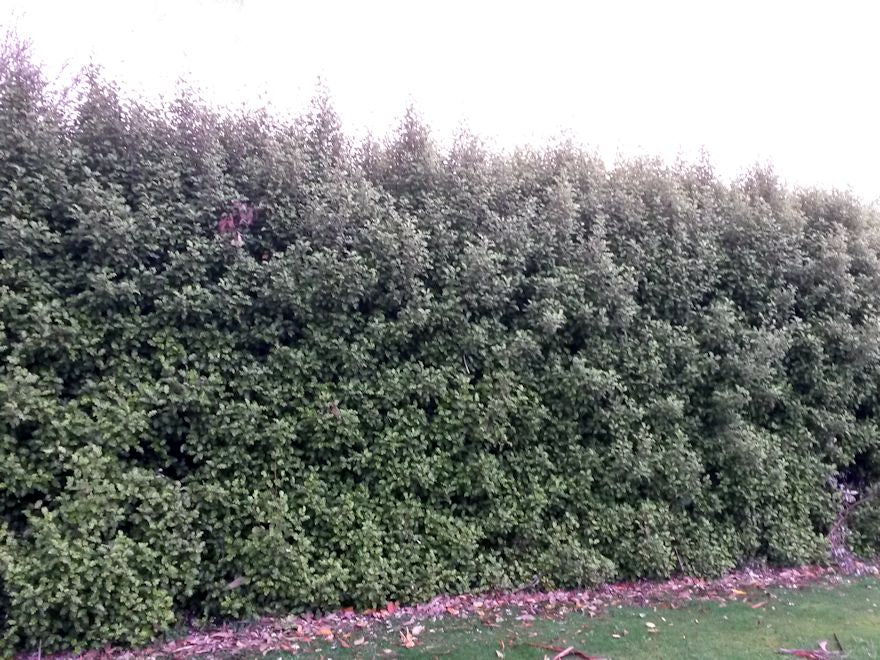
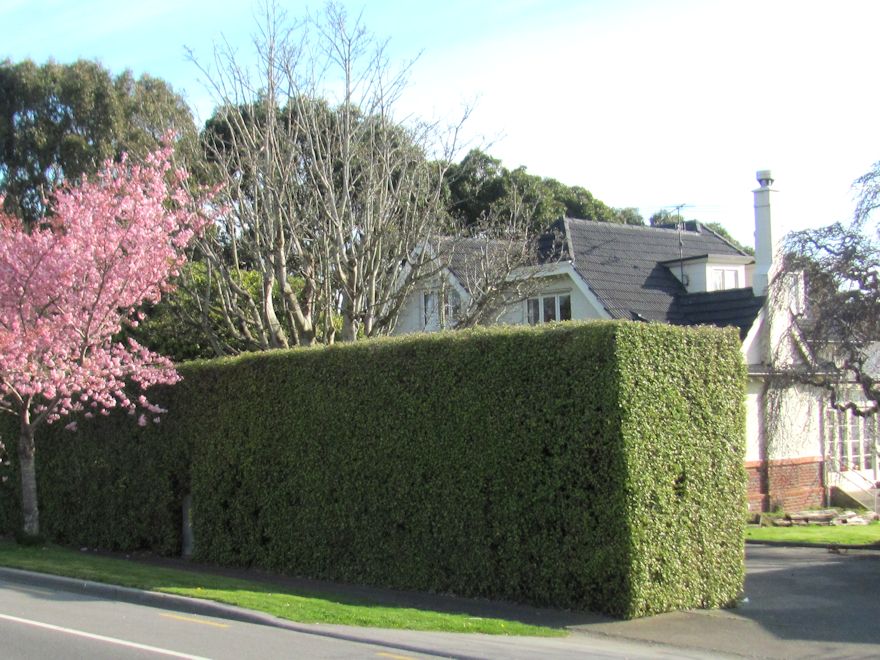
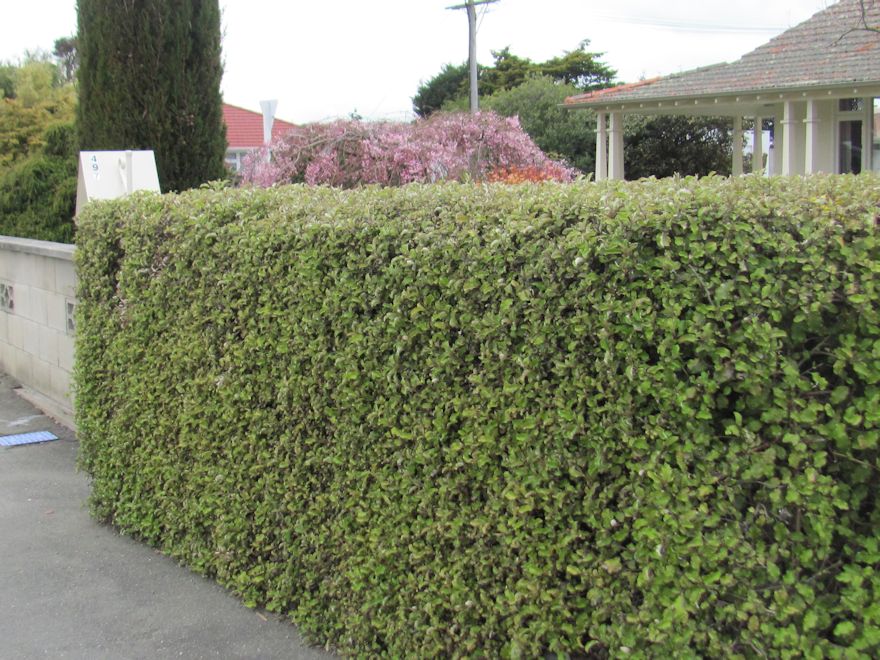
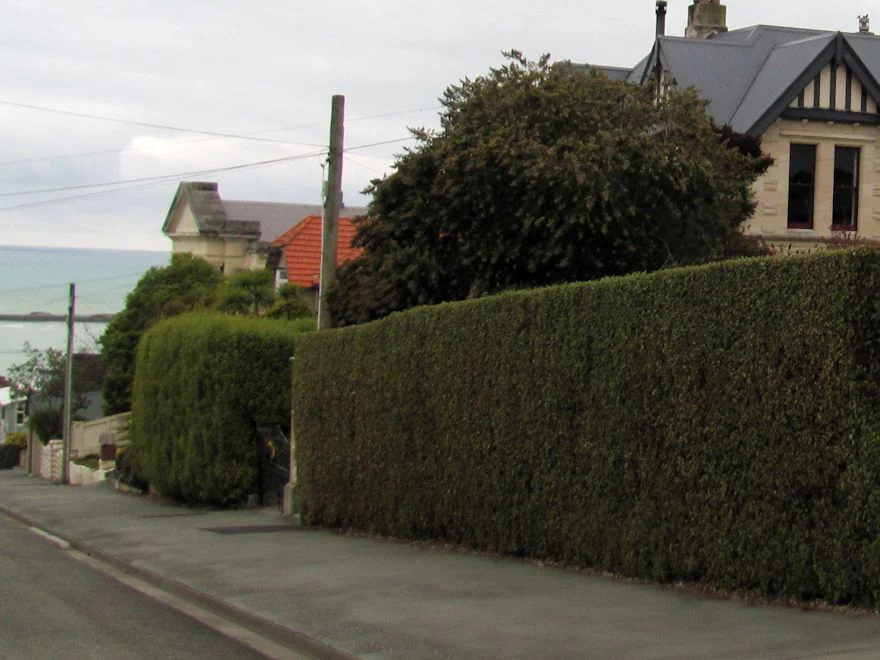
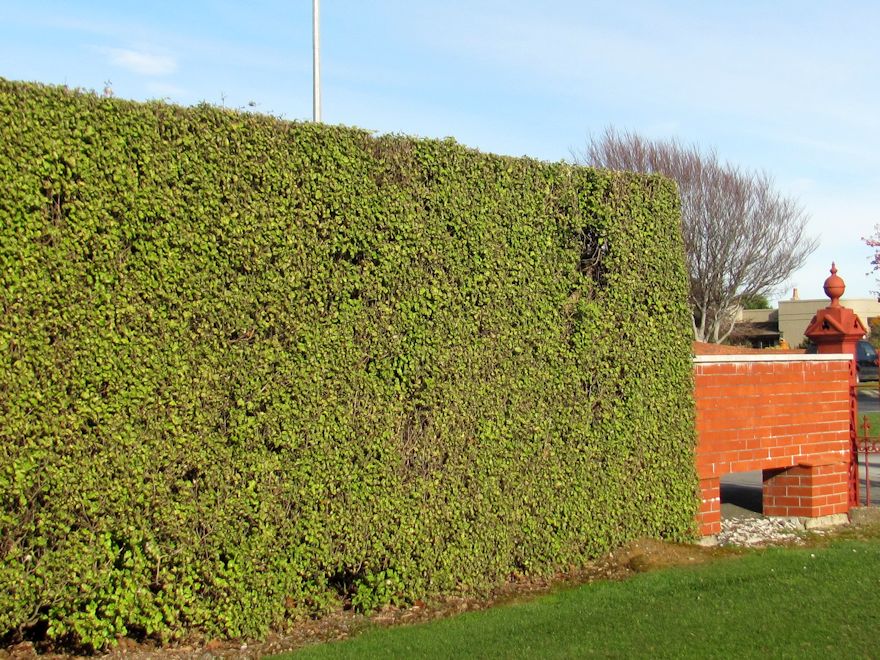
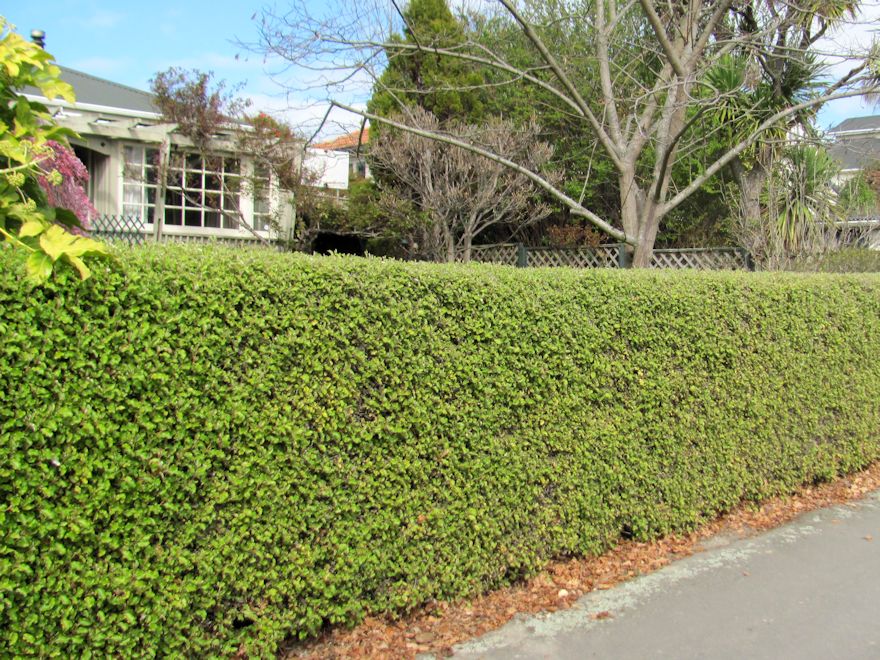
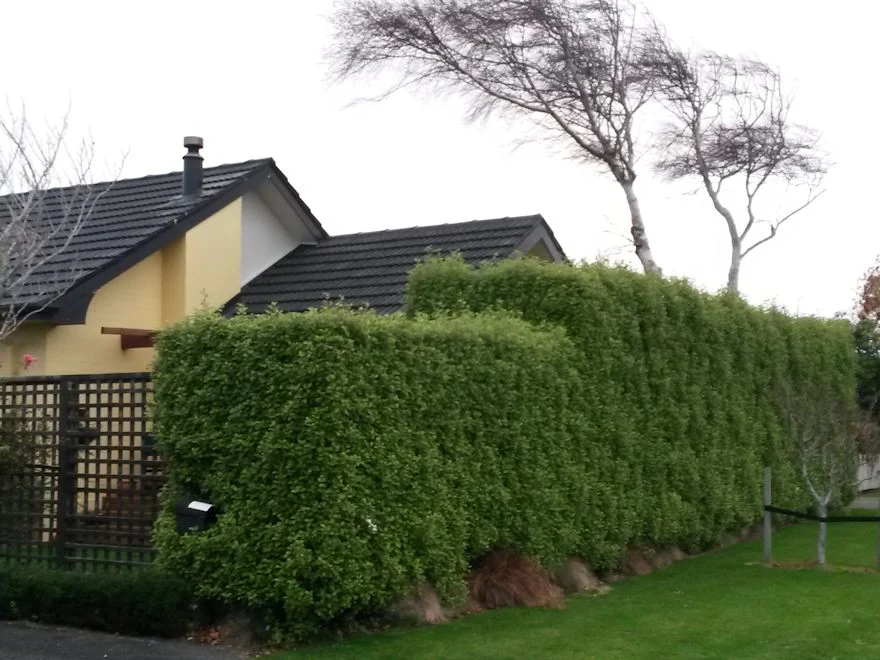
Olearia paniculata is a striking New Zealand native shrub admired for its wavy, golden-green foliage and upright, bushy habit. Often used as a hedging or shelter plant, it is tolerant of wind, salt spray, drought, and poor soils, making it especially well-suited for coastal gardens and exposed sites. Its small, creamy-white flowers appear in late summer to autumn and attract pollinators. Fast-growing and low-maintenance, Olearia paniculata brings year-round structure and texture to native and ornamental landscapes alike.
Key Features:
-
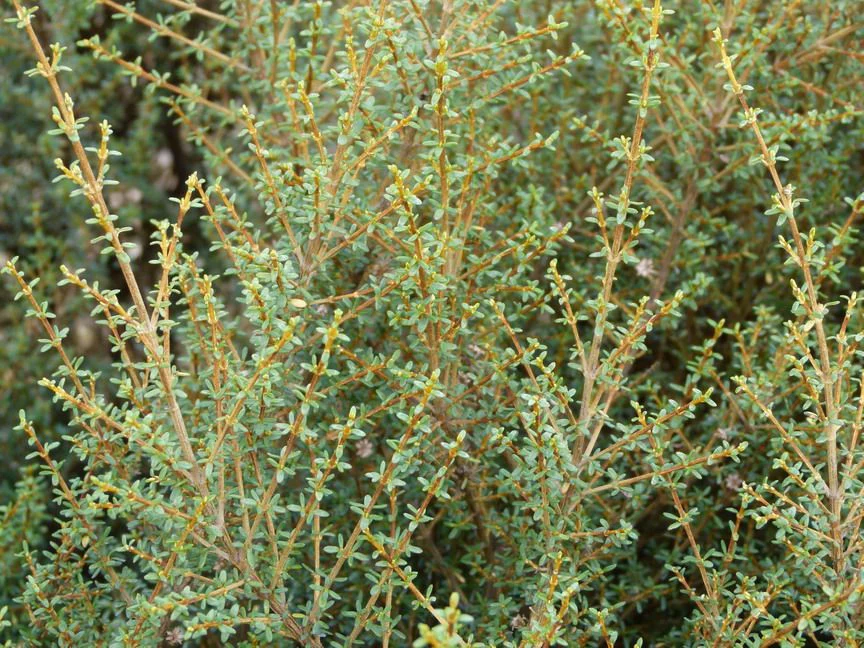
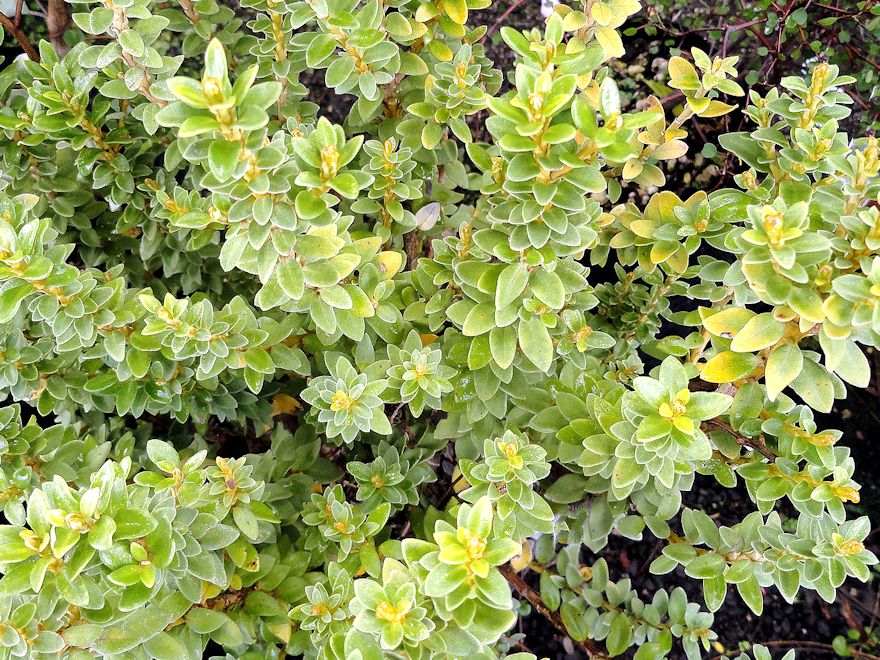
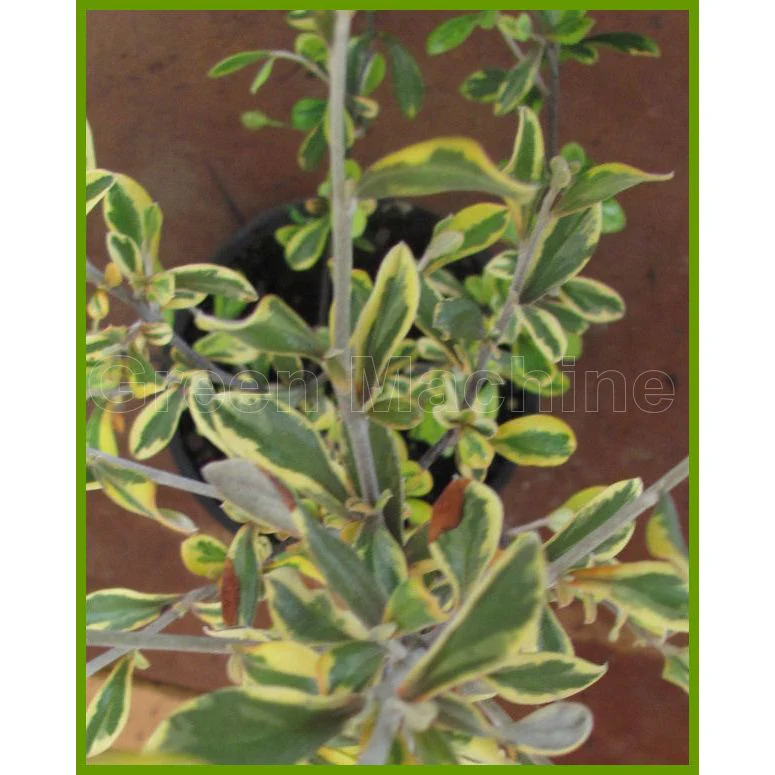
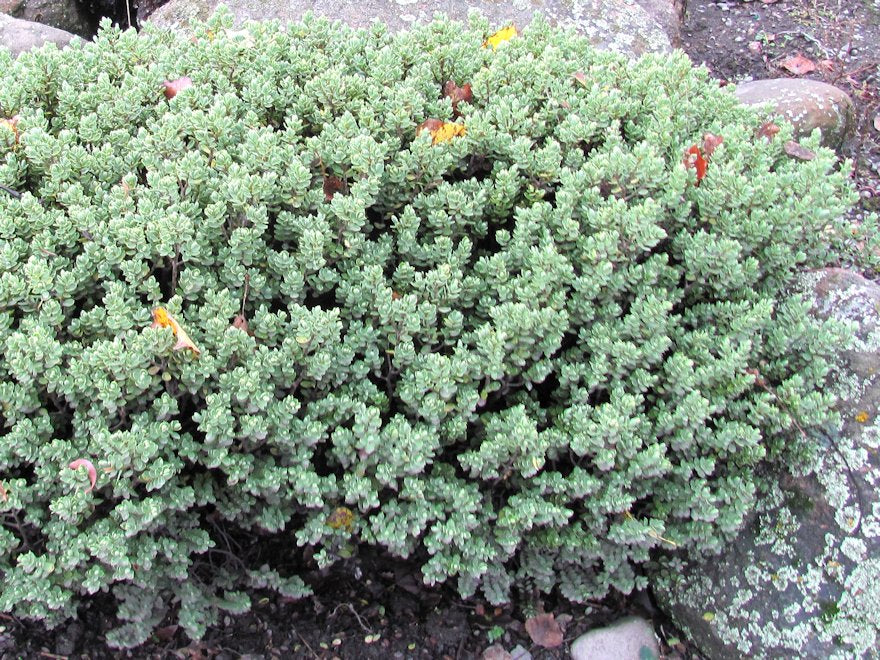
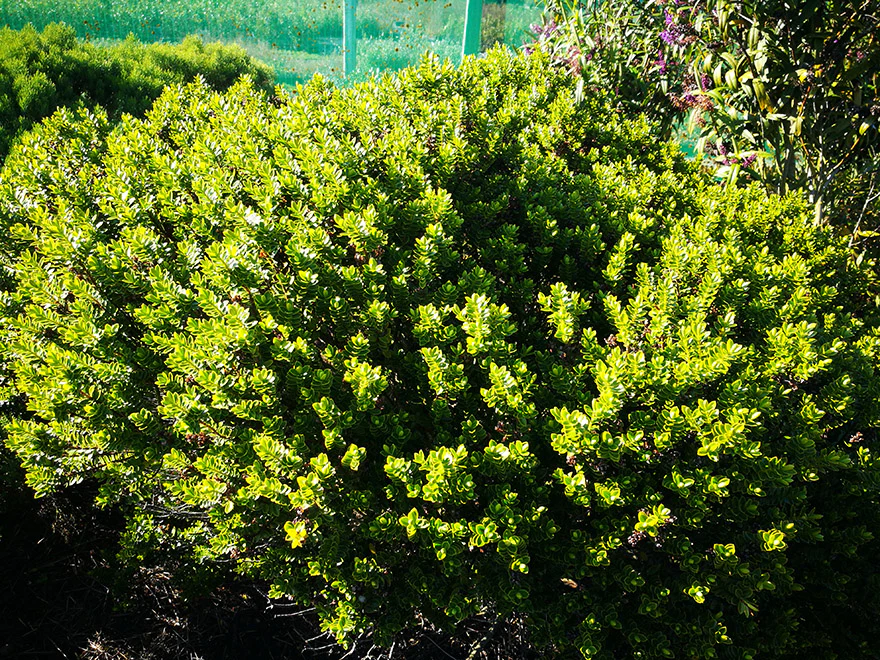
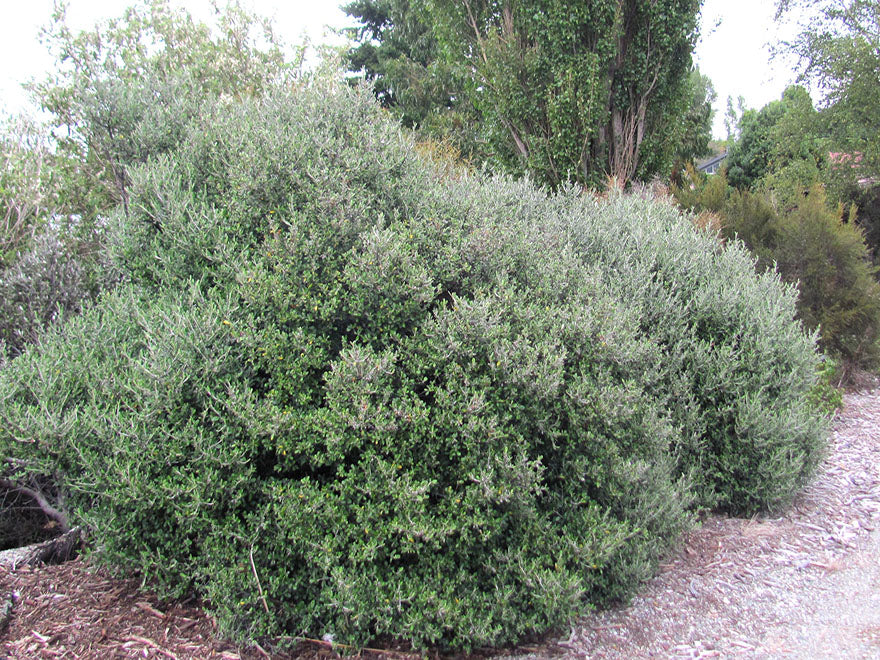
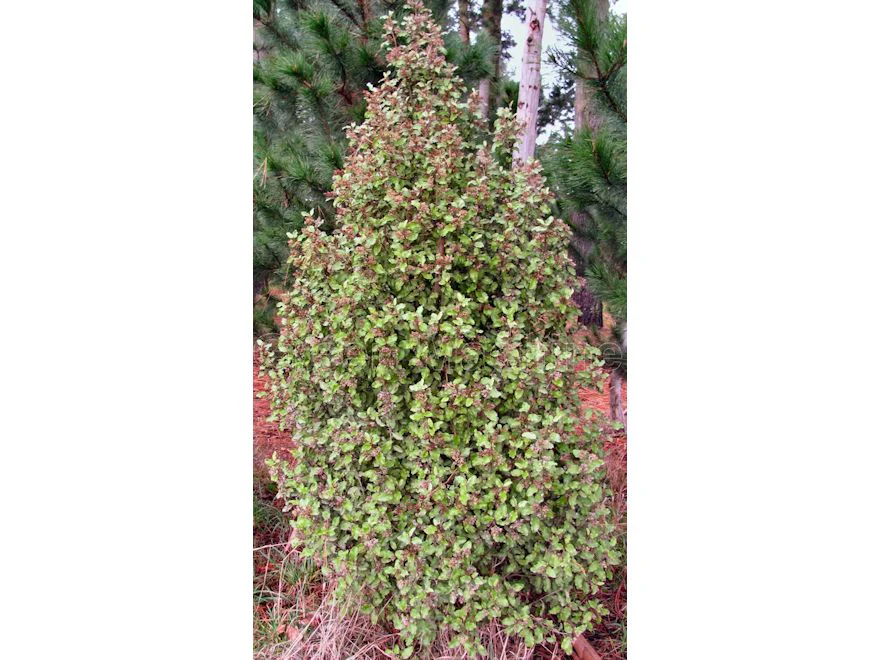
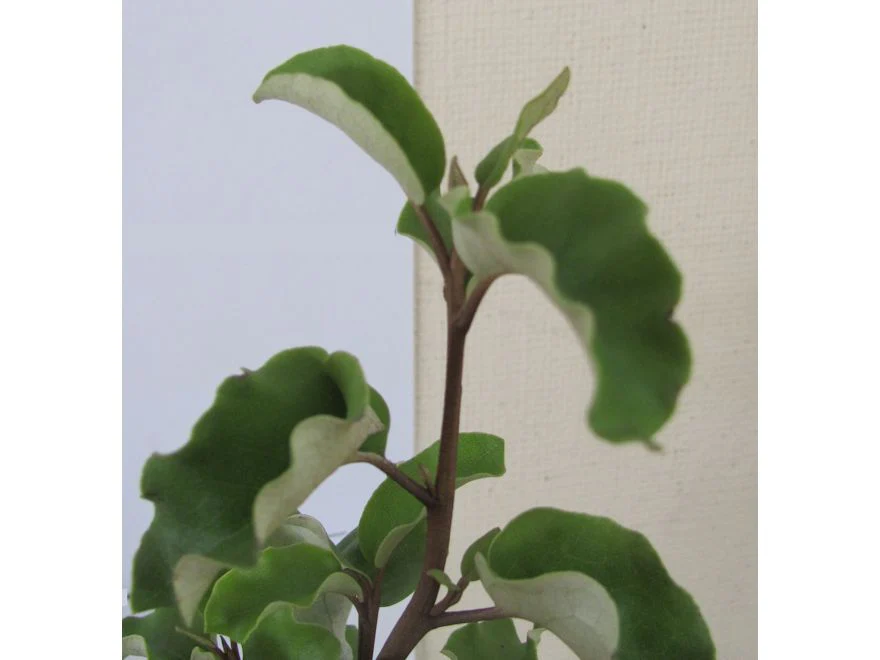
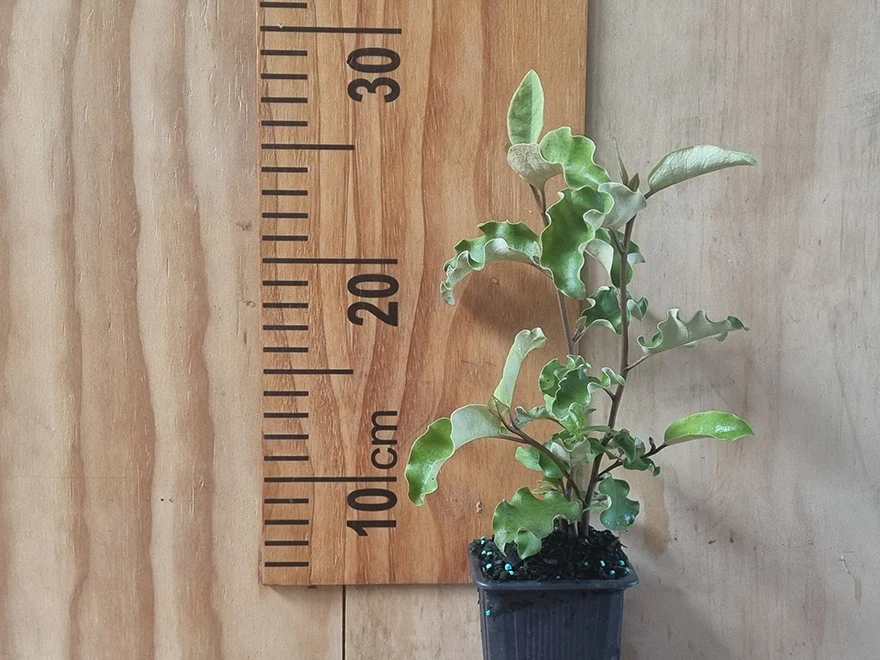
Foliage: Shiny, leathery leaves with undulating margins; olive-green upper surface and pale, felted underside
-
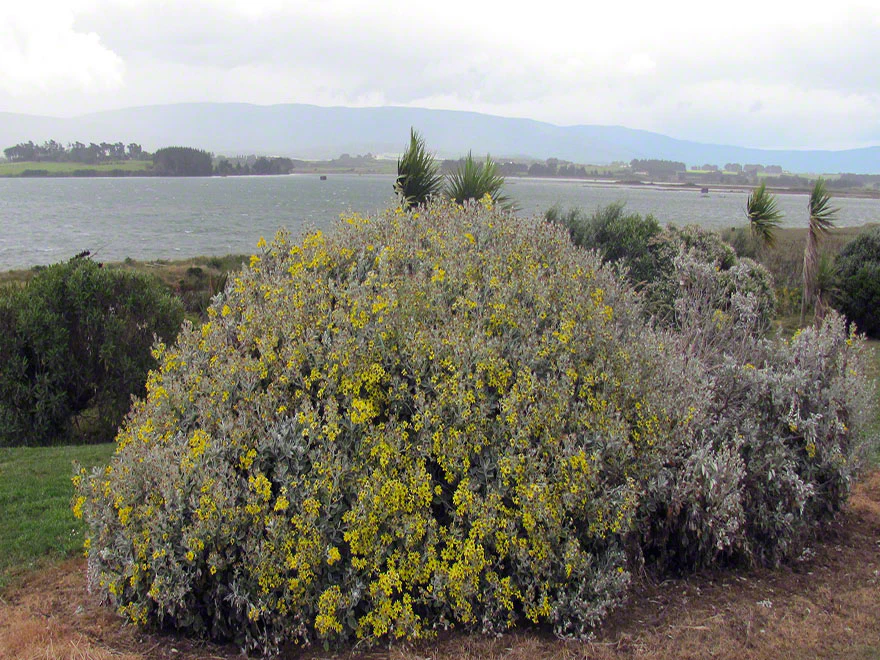
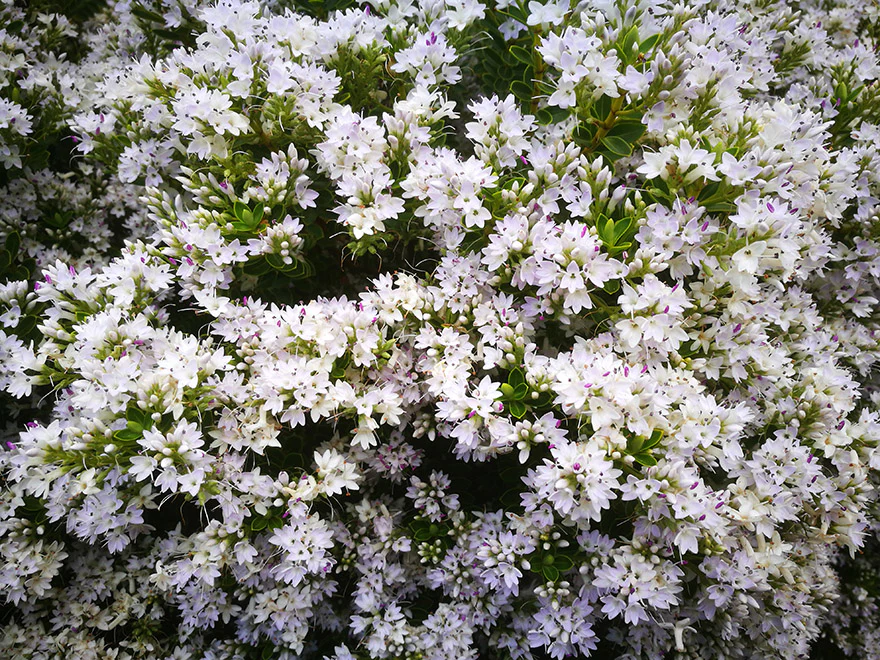
Flowers/Fruit: Clusters of small, creamy-white, daisy-like flowers in late summer to early autumn
-
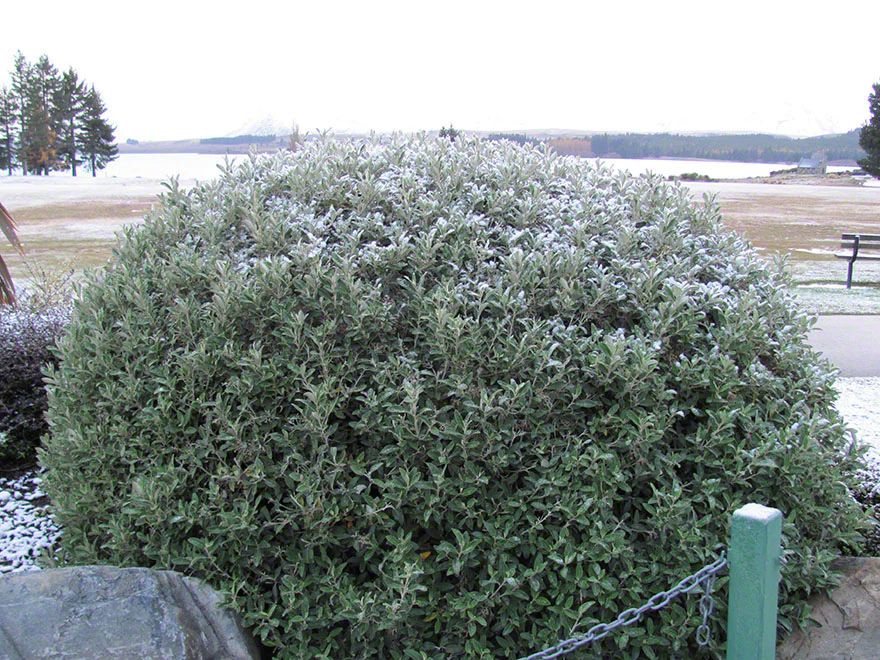
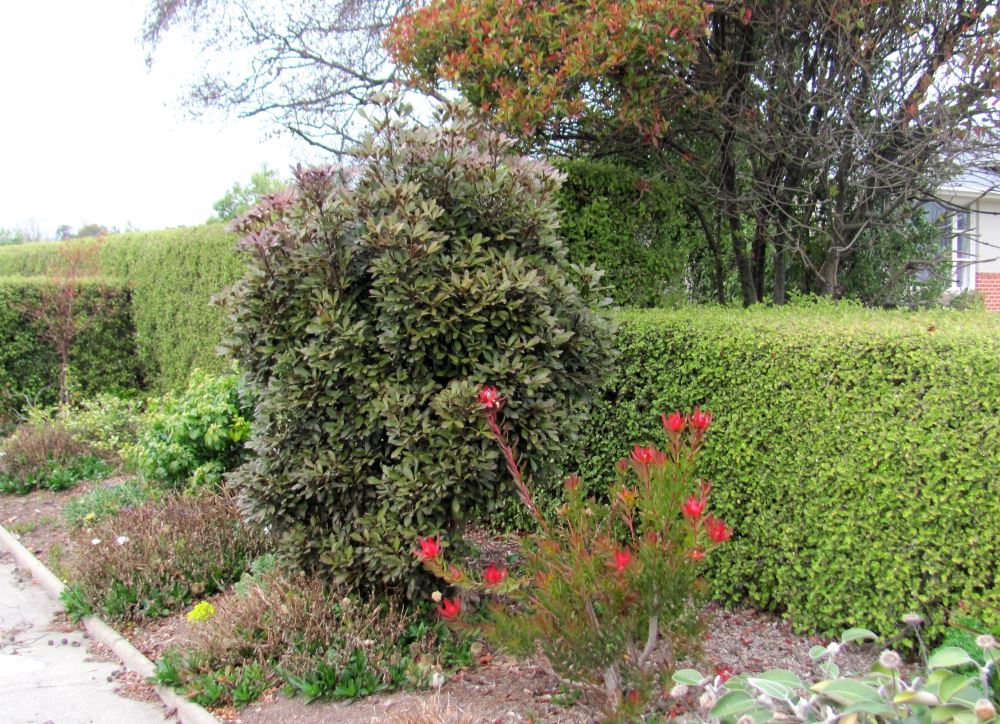
Form & Habit: Upright and dense, naturally forming a rounded or columnar shape
-
Growth Rate: Fast
-
Cultural or Ecological Value: Important shelter species in native ecosystems; provides food and habitat for insects and birds
Mature Size:
| Attribute | Size |
|---|---|
| Height | 3 metres (can be pruned to desired height) |
| Spread | 1.5 metres |
| Form | Upright, bushy, and compact when trimmed |
Ideal Growing Conditions:
| Requirement | Detail |
|---|---|
| Light | Full sun to light shade |
| Water | Low to moderate; drought-tolerant once established |
| Soil | Well-drained; tolerates poor, dry, or coastal soils |
| pH Range | Neutral to slightly alkaline |
| Frost Tolerance | Tolerates light to moderate frost once mature |
Landscaping and Garden Uses:
-
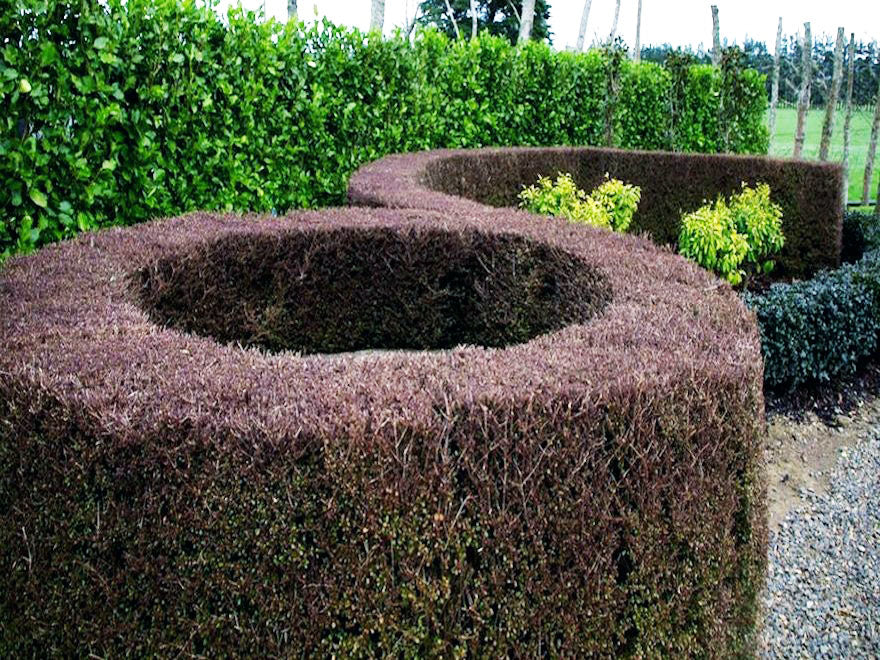
Hedging and shelter belts (formal or informal)
-
Coastal and exposed sites
-
Native and ecological garden designs
-
Foundation planting or background screening
-
Low-maintenance or dry gardens
Care and Maintenance:
-
Pruning: Responds well to trimming; prune annually to maintain shape and encourage dense growth
-
Watering: Water regularly during establishment; low water needs thereafter
-
Feeding: Rarely necessary; can apply a general-purpose fertilizer in spring if growth is poor
-
Pests and Diseases: Generally hardy and pest-resistant
-
Additional Tips: Avoid heavy shade or overly wet soils for best results
Fun Fact or Botanical Insight:
In the wild, Olearia paniculata is often one of the first species to colonize disturbed or open areas, making it a key plant in natural regeneration. Its dense growth and tough leaves also make it an excellent nesting and shelter plant for native birds.
Why Choose Olearia paniculata?
Fast-growing, resilient, and visually appealing, Olearia paniculata is a top choice for gardeners and landscapers seeking an attractive native hedge or screen. Its glossy foliage, adaptability to harsh conditions, and ecological value make it a standout performer in both native and ornamental planting schemes.
Original: $237.54
-65%$237.54
$83.14Product Information
Product Information
Shipping & Returns
Shipping & Returns
Description
Olearia paniculata (Olearia paniculata)
Common Names: Golden Akeake, Akiraho
Family: Asteraceae
Origin: Native to New Zealand
Plant Type: Evergreen shrub or small tree
Overview:
Olearia paniculata is a striking New Zealand native shrub admired for its wavy, golden-green foliage and upright, bushy habit. Often used as a hedging or shelter plant, it is tolerant of wind, salt spray, drought, and poor soils, making it especially well-suited for coastal gardens and exposed sites. Its small, creamy-white flowers appear in late summer to autumn and attract pollinators. Fast-growing and low-maintenance, Olearia paniculata brings year-round structure and texture to native and ornamental landscapes alike.
Key Features:
-
Foliage: Shiny, leathery leaves with undulating margins; olive-green upper surface and pale, felted underside
-
Flowers/Fruit: Clusters of small, creamy-white, daisy-like flowers in late summer to early autumn
-
Form & Habit: Upright and dense, naturally forming a rounded or columnar shape
-
Growth Rate: Fast
-
Cultural or Ecological Value: Important shelter species in native ecosystems; provides food and habitat for insects and birds
Mature Size:
| Attribute | Size |
|---|---|
| Height | 3 metres (can be pruned to desired height) |
| Spread | 1.5 metres |
| Form | Upright, bushy, and compact when trimmed |
Ideal Growing Conditions:
| Requirement | Detail |
|---|---|
| Light | Full sun to light shade |
| Water | Low to moderate; drought-tolerant once established |
| Soil | Well-drained; tolerates poor, dry, or coastal soils |
| pH Range | Neutral to slightly alkaline |
| Frost Tolerance | Tolerates light to moderate frost once mature |
Landscaping and Garden Uses:
-
Hedging and shelter belts (formal or informal)
-
Coastal and exposed sites
-
Native and ecological garden designs
-
Foundation planting or background screening
-
Low-maintenance or dry gardens
Care and Maintenance:
-
Pruning: Responds well to trimming; prune annually to maintain shape and encourage dense growth
-
Watering: Water regularly during establishment; low water needs thereafter
-
Feeding: Rarely necessary; can apply a general-purpose fertilizer in spring if growth is poor
-
Pests and Diseases: Generally hardy and pest-resistant
-
Additional Tips: Avoid heavy shade or overly wet soils for best results
Fun Fact or Botanical Insight:
In the wild, Olearia paniculata is often one of the first species to colonize disturbed or open areas, making it a key plant in natural regeneration. Its dense growth and tough leaves also make it an excellent nesting and shelter plant for native birds.
Why Choose Olearia paniculata?
Fast-growing, resilient, and visually appealing, Olearia paniculata is a top choice for gardeners and landscapers seeking an attractive native hedge or screen. Its glossy foliage, adaptability to harsh conditions, and ecological value make it a standout performer in both native and ornamental planting schemes.