5x Olive leaved daisy bush - $5.99 each
Olearia oleifolia
Common Names: Olive-leaved Daisy Bush
Family: Asteraceae
Origin: New Zealand (South Island – alpine and subalpine regions)
Plant Type: Evergreen Shrub
Overview:
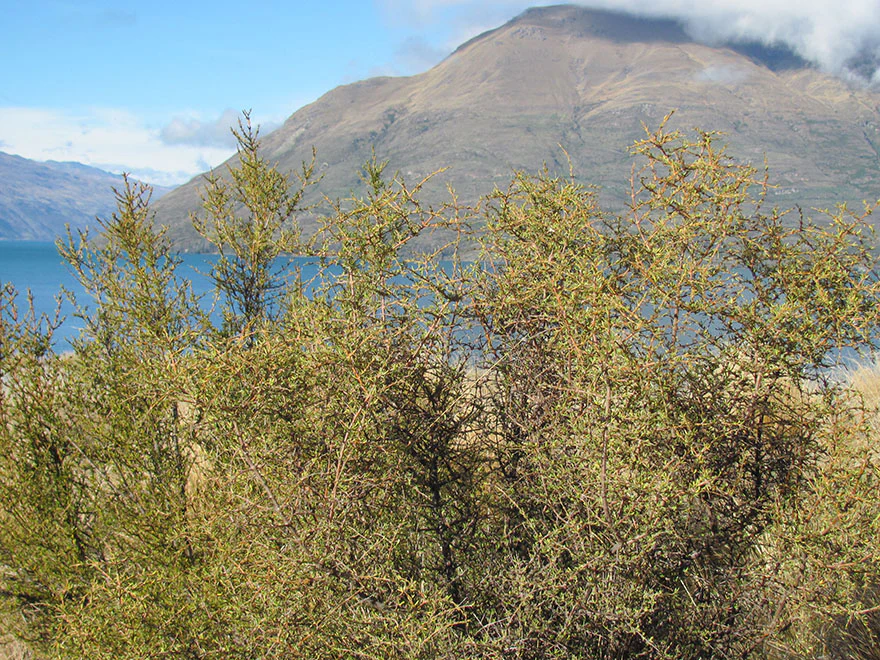
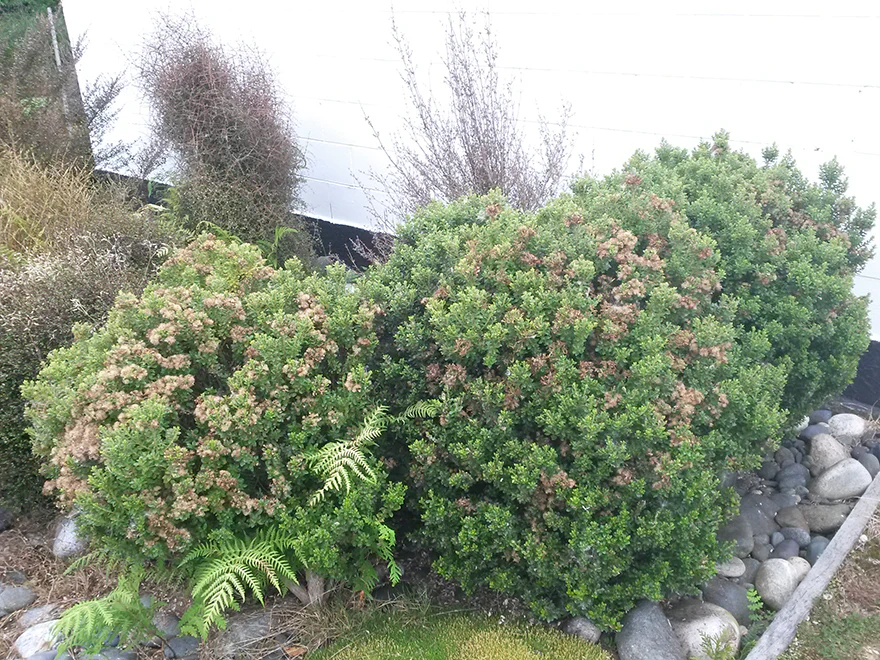
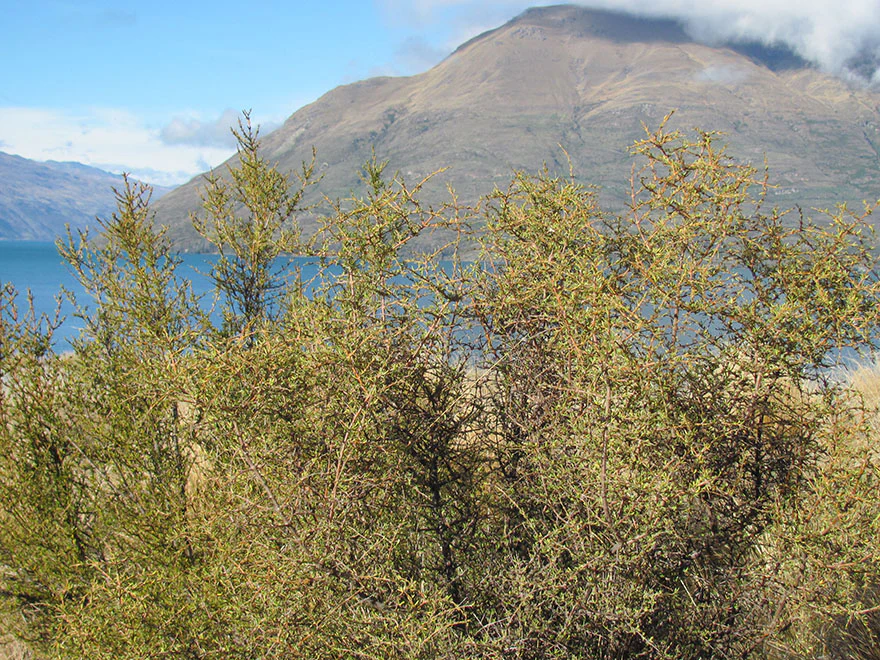
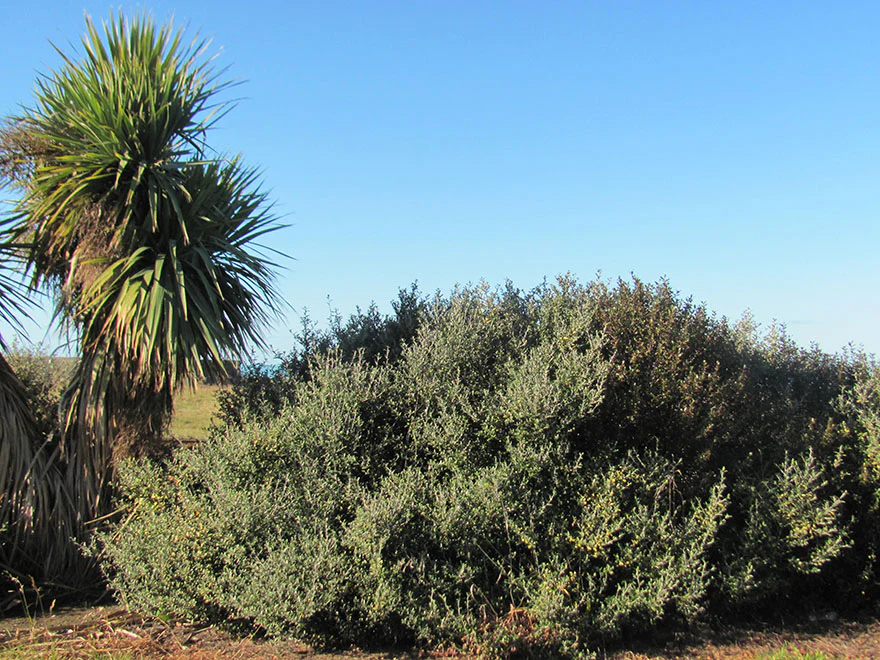
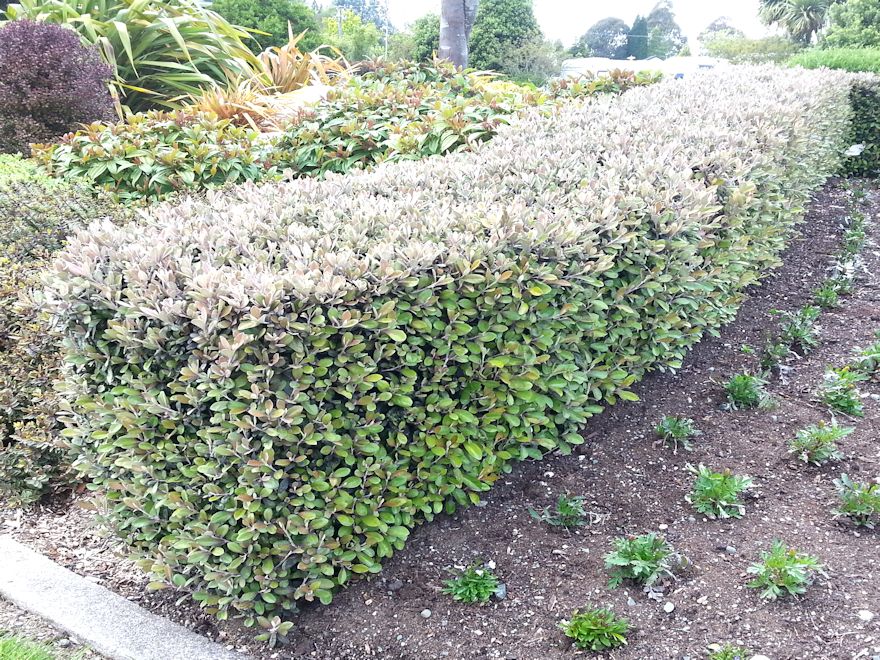
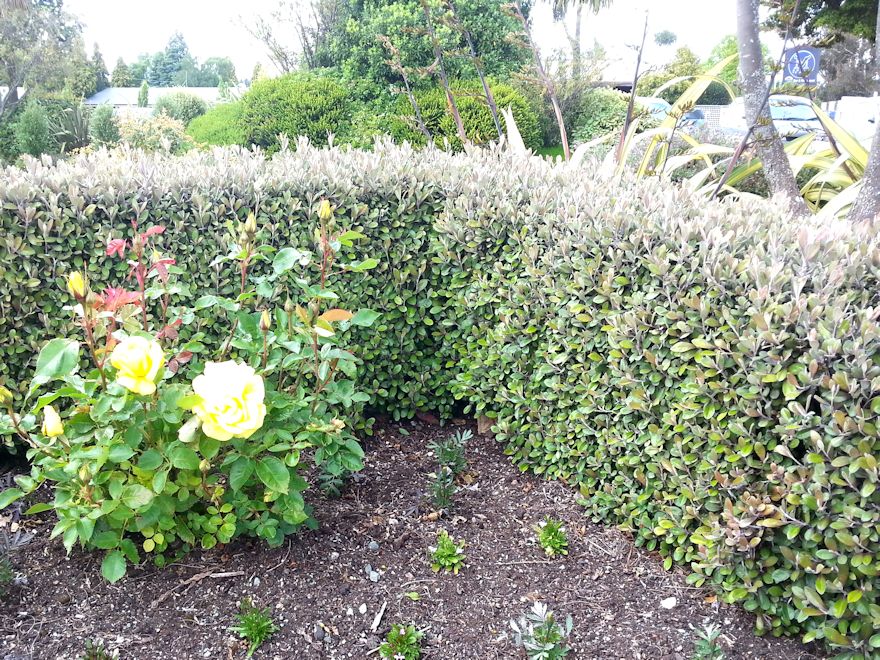
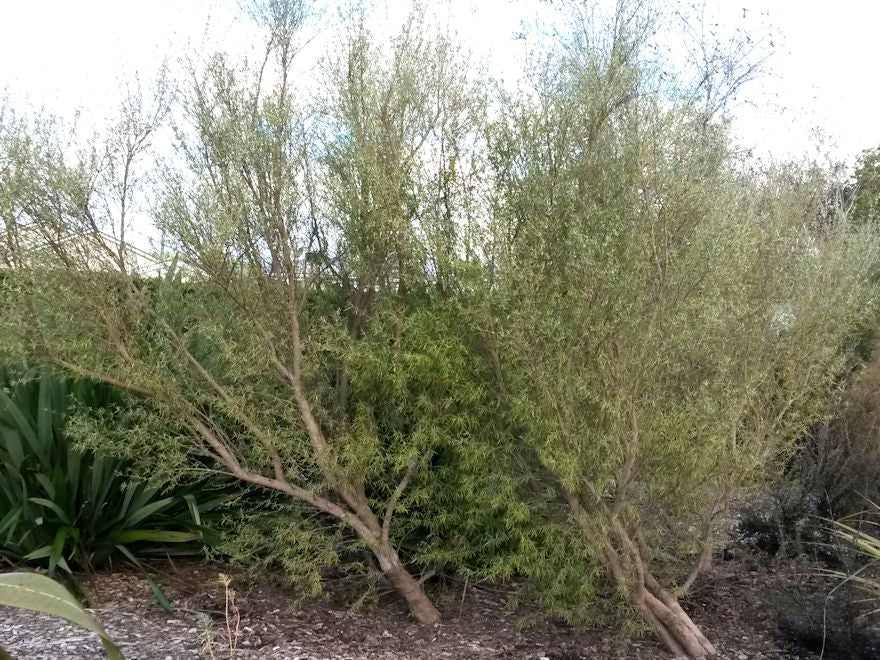
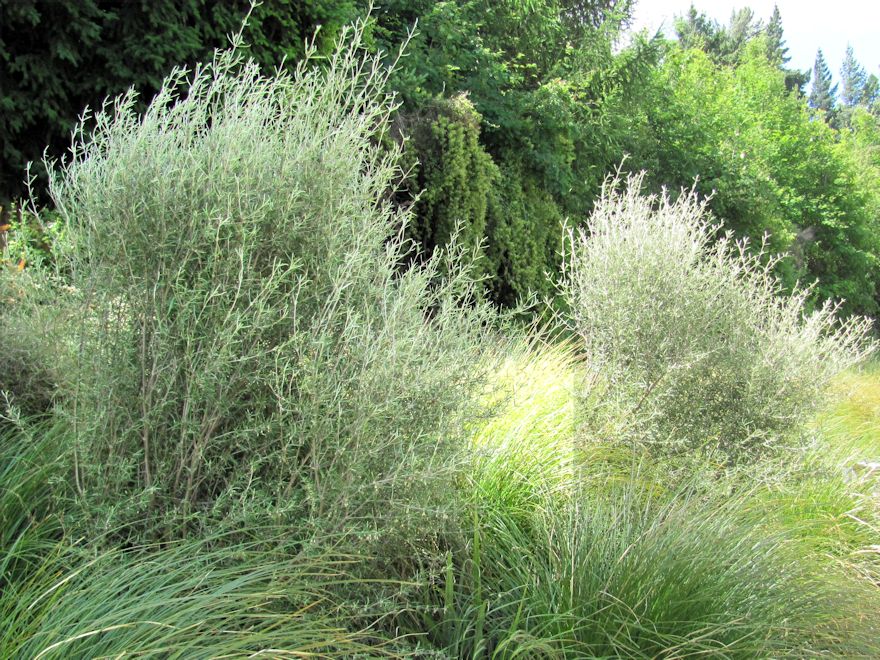
Olearia oleifolia is a hardy New Zealand native shrub valued for its narrow, olive-like leaves and tough alpine constitution. Naturally found in exposed, dry upland environments, it forms a compact, rounded shrub that handles wind, frost, and poor soils with ease. Its subtle silvery foliage provides year-round structure and contrast in native or dry garden plantings.
Key Features:
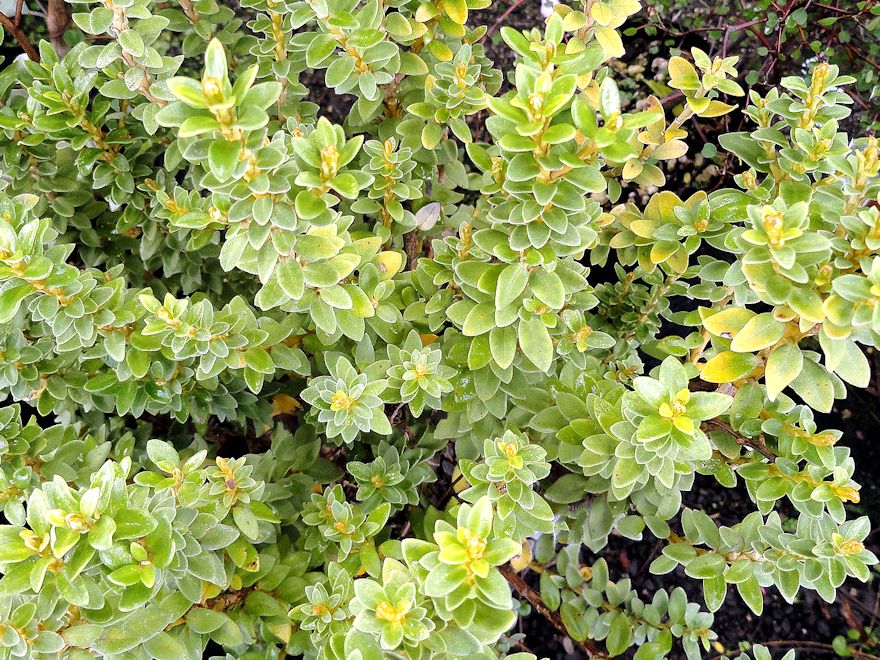
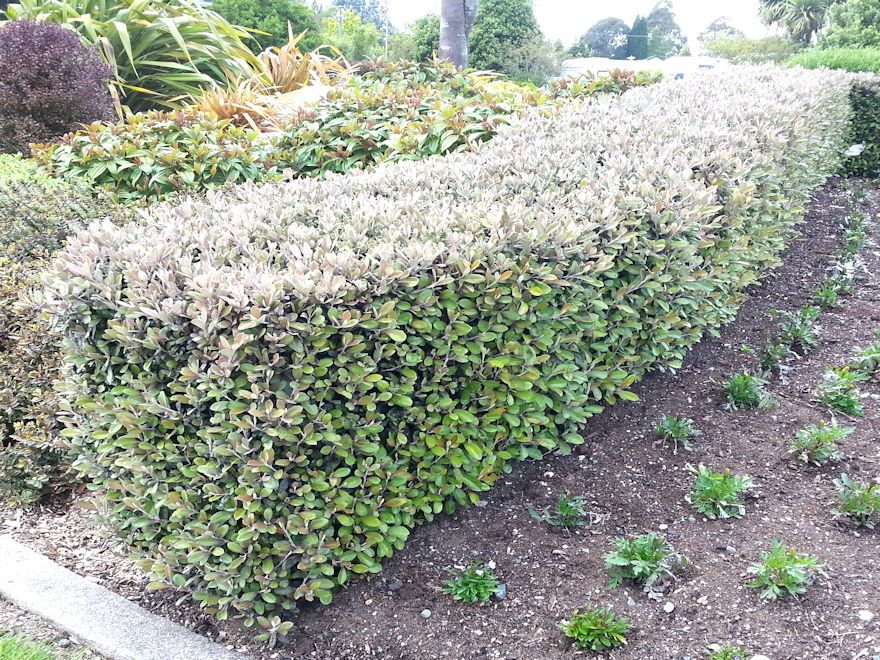
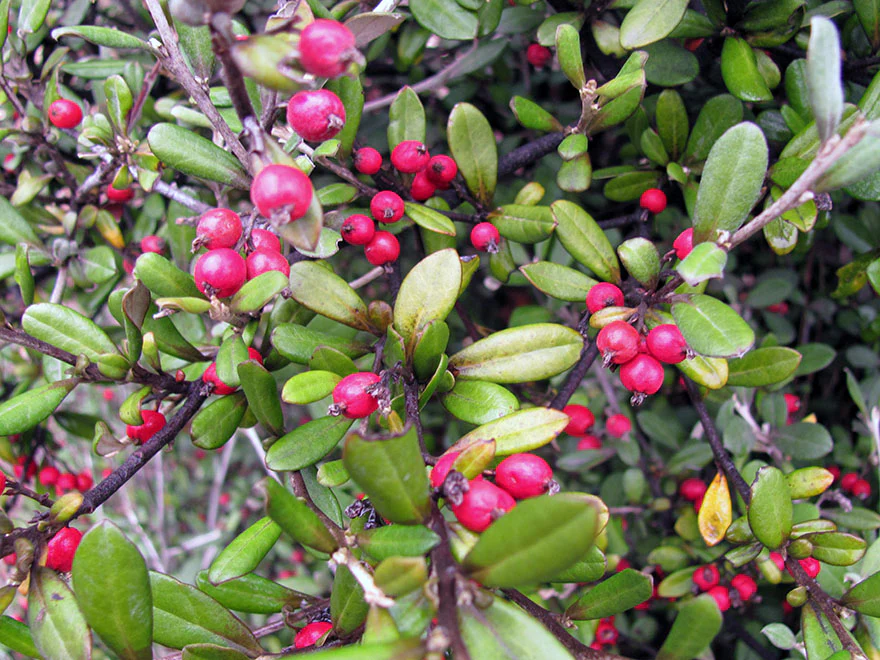
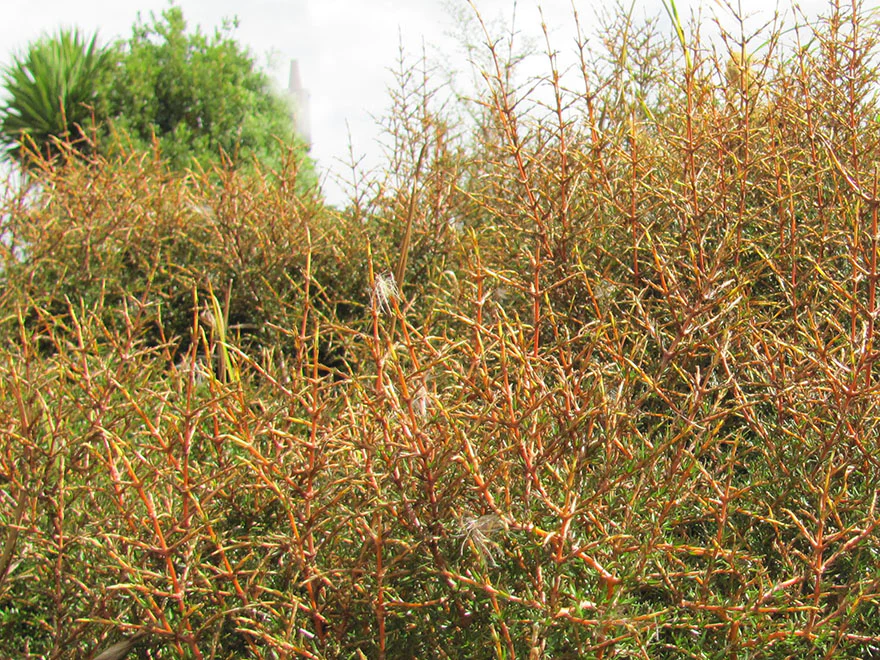
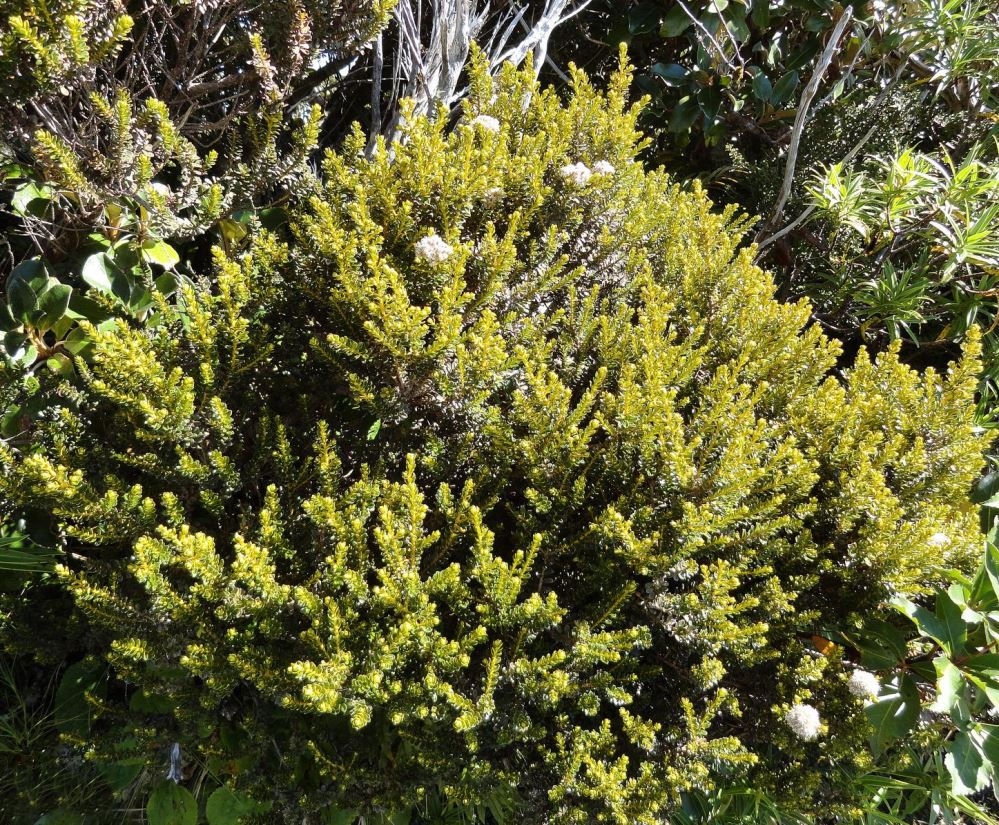
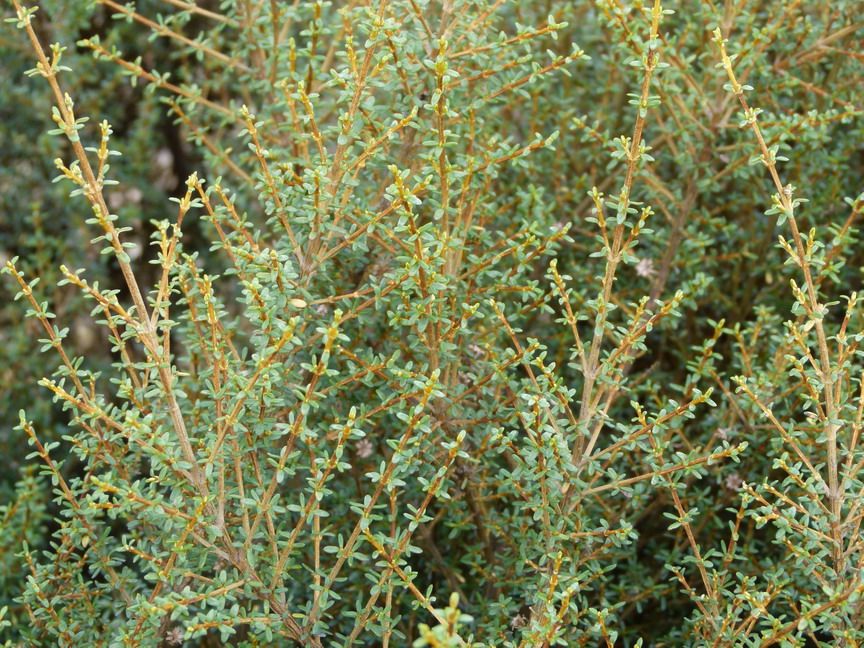
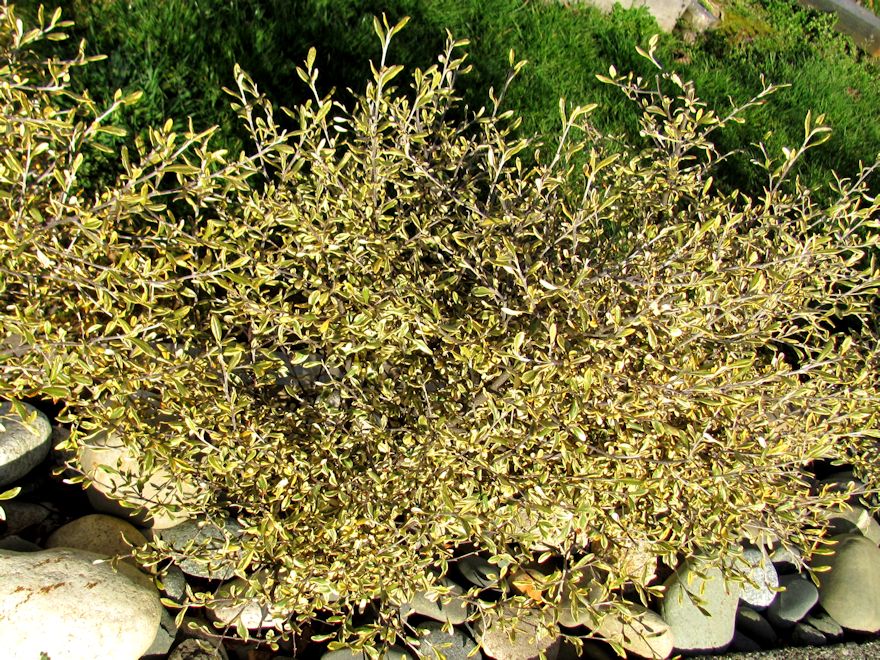
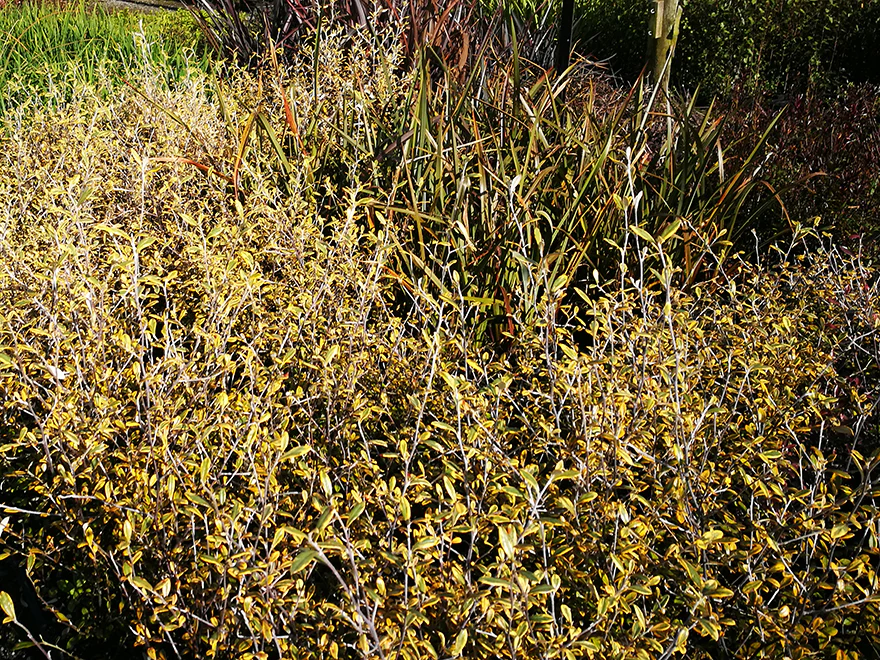
Foliage: Narrow, leathery, olive-shaped leaves with grey-green to silvery tones beneath. Evergreen and dense.
Flowers / Fruit: Small white daisy-like flowers in summer; attractive to pollinators.
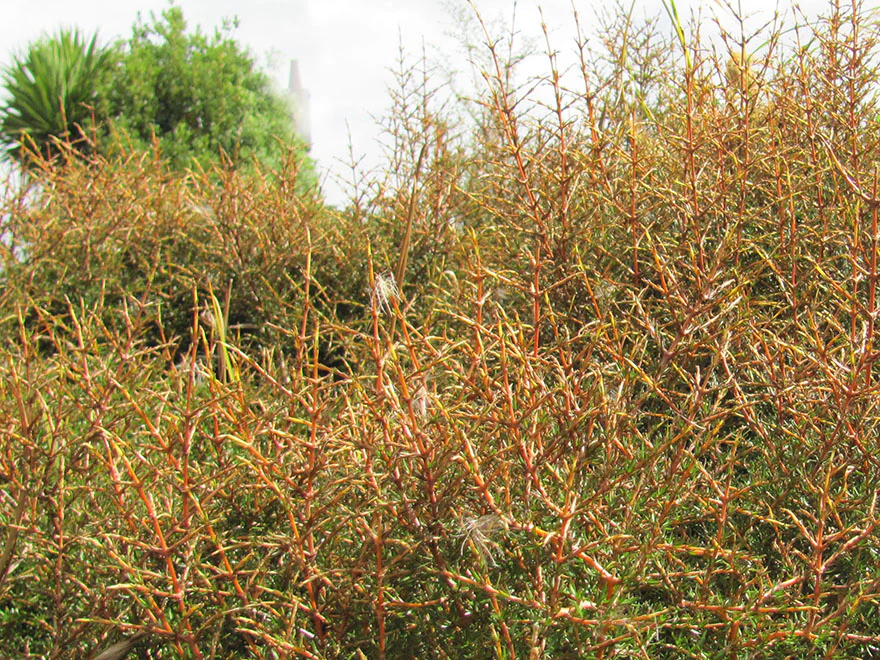
Form & Habit: Upright to rounded, compact and tidy with fine-textured branching.
Growth Rate: Slow to moderate.
Cultural & Ecological Value: Excellent for dryland restoration, alpine gardens, and providing nectar for insects.
Mature Size:
| Attribute | Size |
|---|---|
| Height | 1–2 m |
| Spread | 1–1.5 m |
| Form | Upright, rounded shrub |
Ideal Growing Conditions:
| Requirement | Detail |
|---|---|
| Light | Full sun |
| Water | Low once established; drought tolerant |
| Soil | Free-draining, rocky or sandy soils preferred |
| pH Range | Neutral to slightly alkaline |
| Frost Tolerance | Very frost hardy; alpine tolerant |
Landscaping & Garden Uses:
-
Dry, exposed gardens and alpine plantings
-
Coastal or wind-prone sites
-
Native shrub borders
-
Low shelter or screening in harsh climates
Care & Maintenance:
Pruning: Light trim after flowering to maintain shape.
Watering: Water during establishment; minimal once settled.
Feeding: Generally not required; thrives in lean soils.
Pests & Diseases: Typically pest- and disease-free.
Additional Tips:
Plant in well-drained soil — avoid heavy, waterlogged conditions. Excellent choice for South Island climates including Otago and Canterbury where frost and wind exposure are common.
Fun Fact / Botanical Insight:
The species name oleifolia means “olive-leaved,” referencing its slender foliage that resembles that of the olive tree.
Why Choose Olearia oleifolia?
A tough, elegant native shrub that thrives where others struggle. Its silvery foliage and hardy alpine nature make it ideal for dry, exposed, or frost-prone gardens.
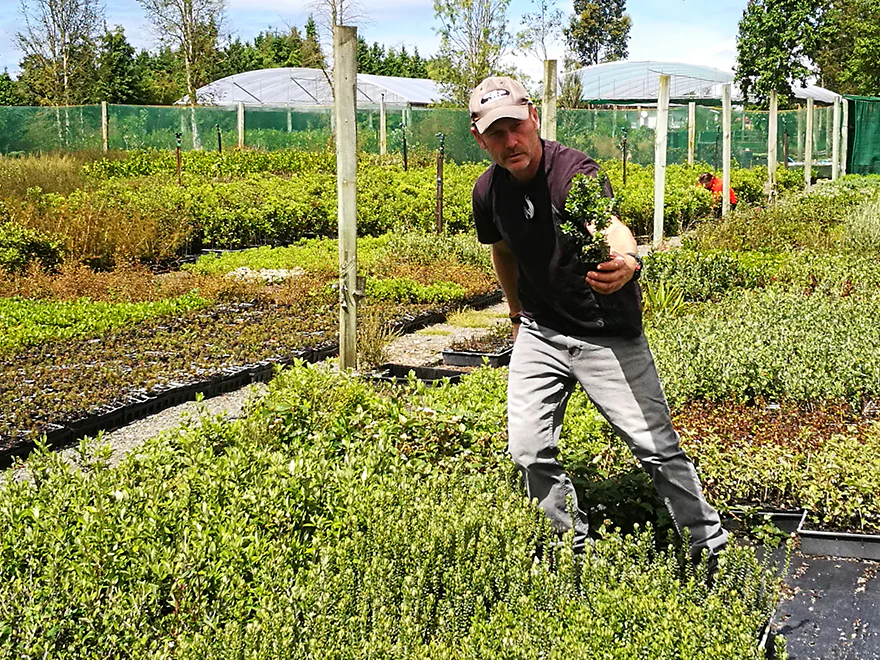
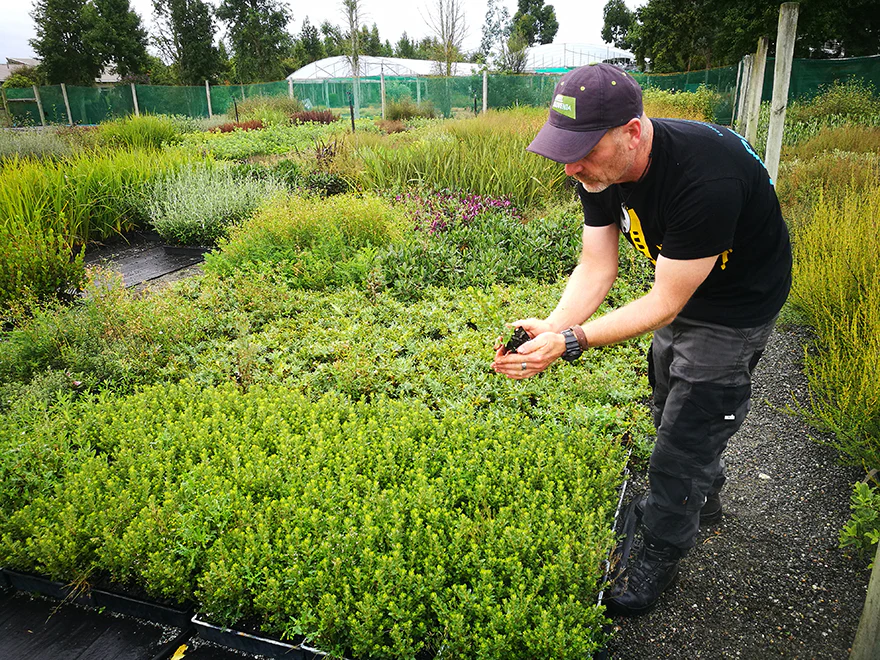
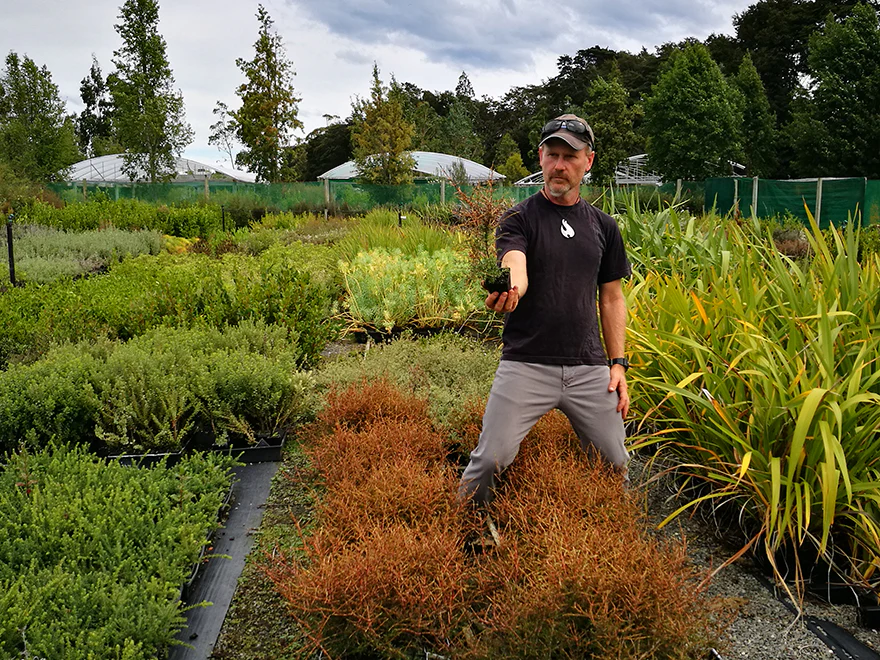
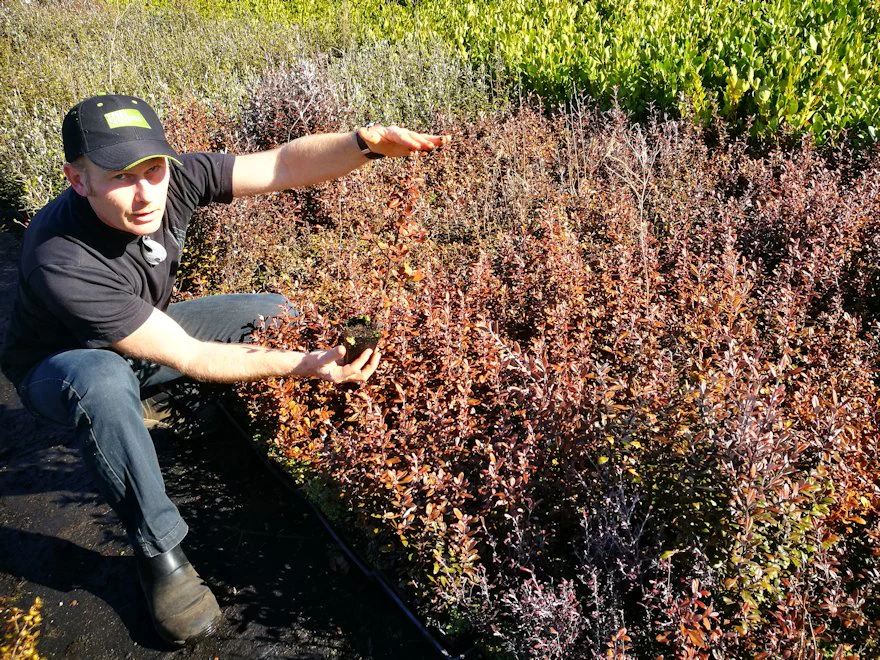
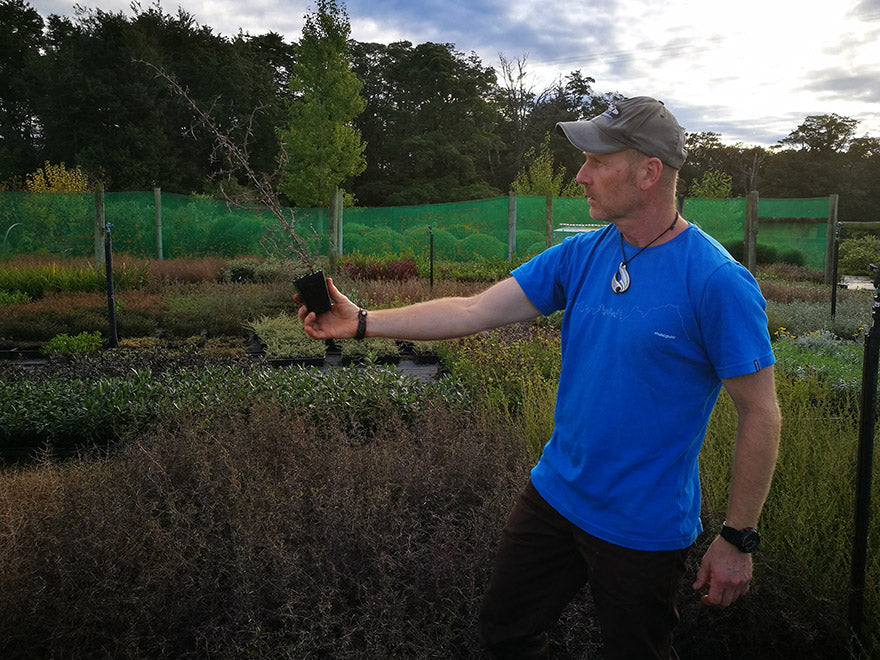
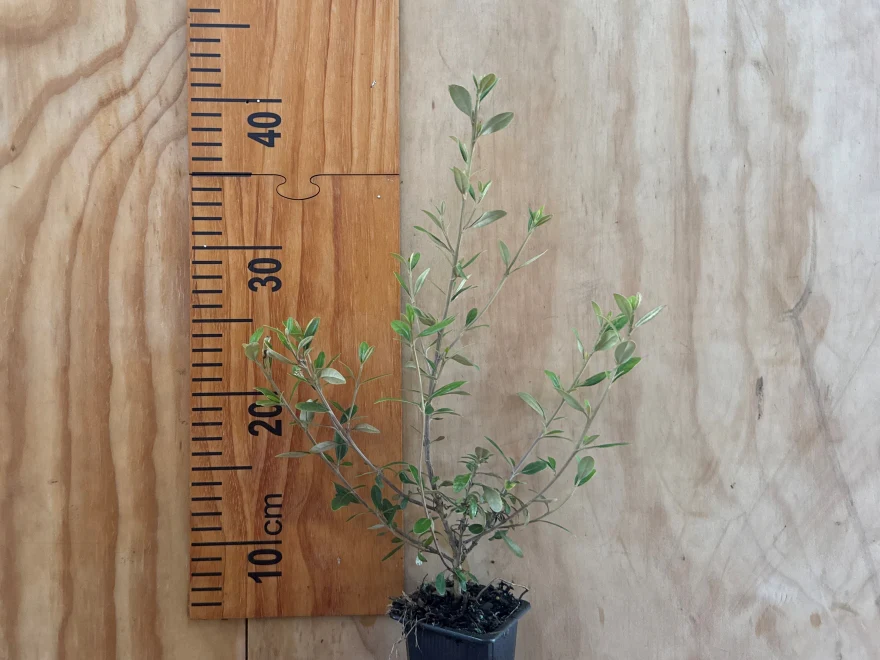
Pot Size: These are our standard size in 7cm square pots.
Product Information
Product Information
Shipping & Returns
Shipping & Returns
Description
Olearia oleifolia
Common Names: Olive-leaved Daisy Bush
Family: Asteraceae
Origin: New Zealand (South Island – alpine and subalpine regions)
Plant Type: Evergreen Shrub
Overview:
Olearia oleifolia is a hardy New Zealand native shrub valued for its narrow, olive-like leaves and tough alpine constitution. Naturally found in exposed, dry upland environments, it forms a compact, rounded shrub that handles wind, frost, and poor soils with ease. Its subtle silvery foliage provides year-round structure and contrast in native or dry garden plantings.
Key Features:
Foliage: Narrow, leathery, olive-shaped leaves with grey-green to silvery tones beneath. Evergreen and dense.
Flowers / Fruit: Small white daisy-like flowers in summer; attractive to pollinators.
Form & Habit: Upright to rounded, compact and tidy with fine-textured branching.
Growth Rate: Slow to moderate.
Cultural & Ecological Value: Excellent for dryland restoration, alpine gardens, and providing nectar for insects.
Mature Size:
| Attribute | Size |
|---|---|
| Height | 1–2 m |
| Spread | 1–1.5 m |
| Form | Upright, rounded shrub |
Ideal Growing Conditions:
| Requirement | Detail |
|---|---|
| Light | Full sun |
| Water | Low once established; drought tolerant |
| Soil | Free-draining, rocky or sandy soils preferred |
| pH Range | Neutral to slightly alkaline |
| Frost Tolerance | Very frost hardy; alpine tolerant |
Landscaping & Garden Uses:
-
Dry, exposed gardens and alpine plantings
-
Coastal or wind-prone sites
-
Native shrub borders
-
Low shelter or screening in harsh climates
Care & Maintenance:
Pruning: Light trim after flowering to maintain shape.
Watering: Water during establishment; minimal once settled.
Feeding: Generally not required; thrives in lean soils.
Pests & Diseases: Typically pest- and disease-free.
Additional Tips:
Plant in well-drained soil — avoid heavy, waterlogged conditions. Excellent choice for South Island climates including Otago and Canterbury where frost and wind exposure are common.
Fun Fact / Botanical Insight:
The species name oleifolia means “olive-leaved,” referencing its slender foliage that resembles that of the olive tree.
Why Choose Olearia oleifolia?
A tough, elegant native shrub that thrives where others struggle. Its silvery foliage and hardy alpine nature make it ideal for dry, exposed, or frost-prone gardens.
Pot Size: These are our standard size in 7cm square pots.