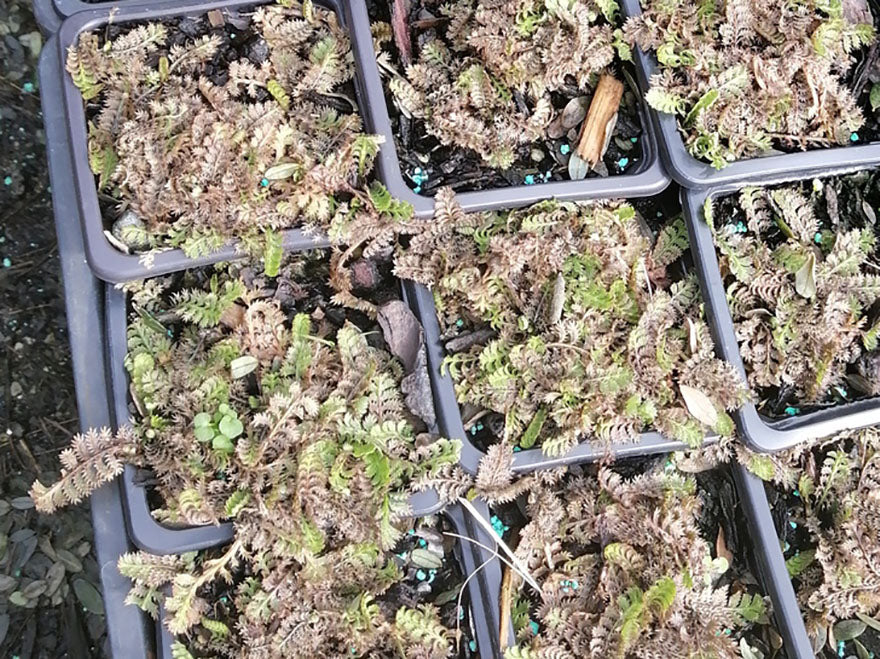
5x Banks Peninsula Button Daisy - $5.99 each
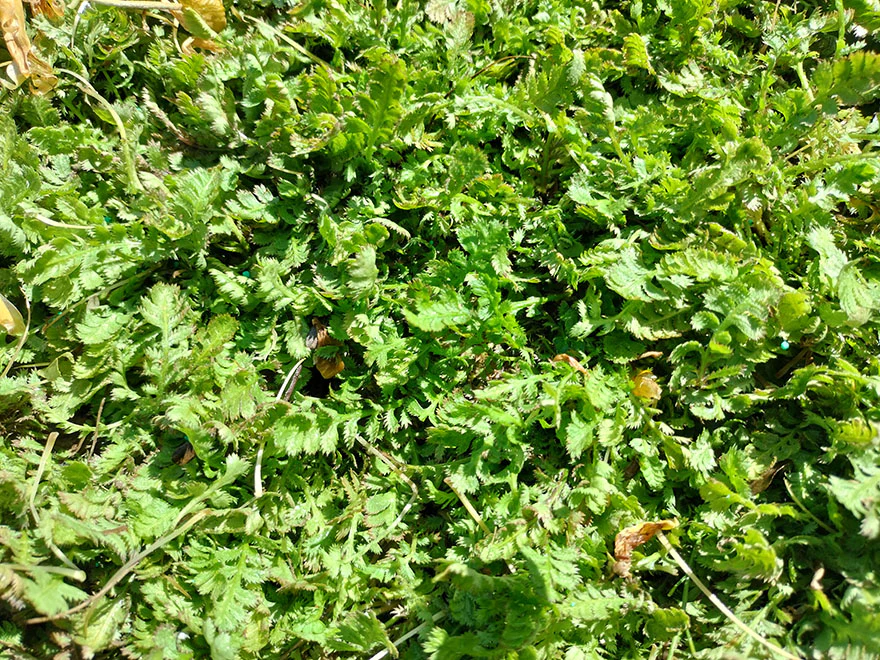
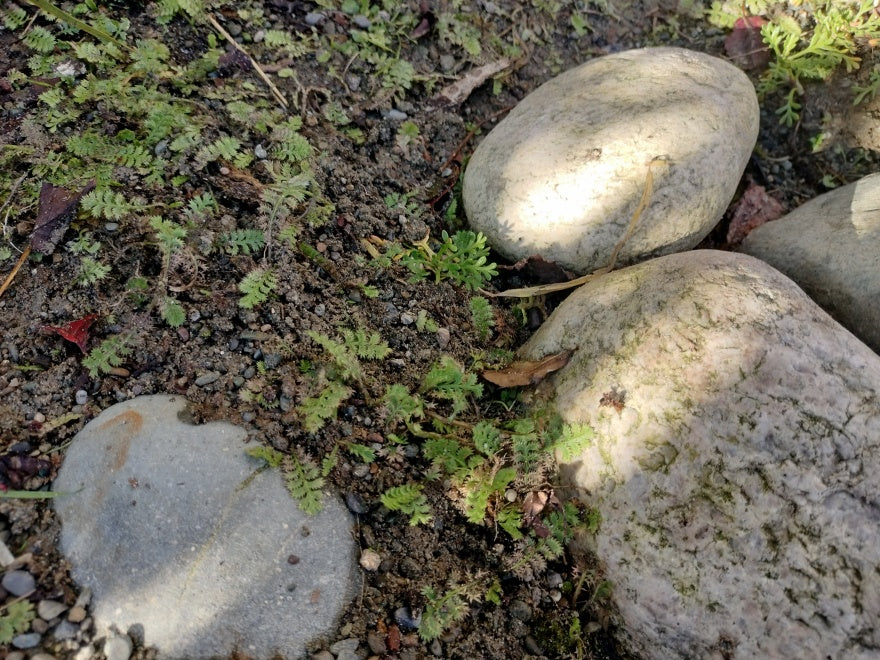
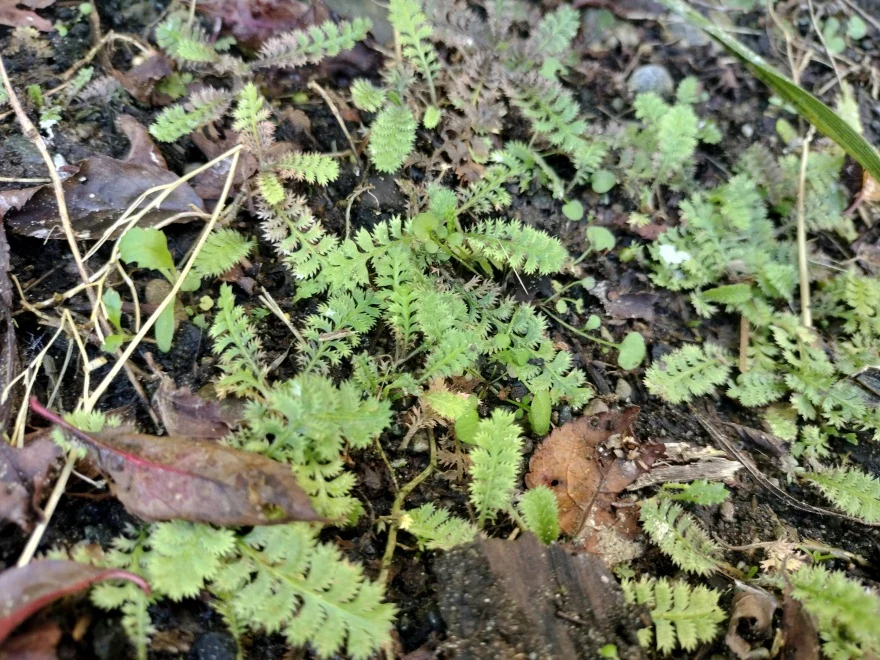
Leptinella minor (Leptinella minor)
Common Names: Button Carpet, Cotula, Brass Buttons (minor form)
Family: Asteraceae
Origin: Native to New Zealand
Plant Type: Groundcover, evergreen perennial
Overview:
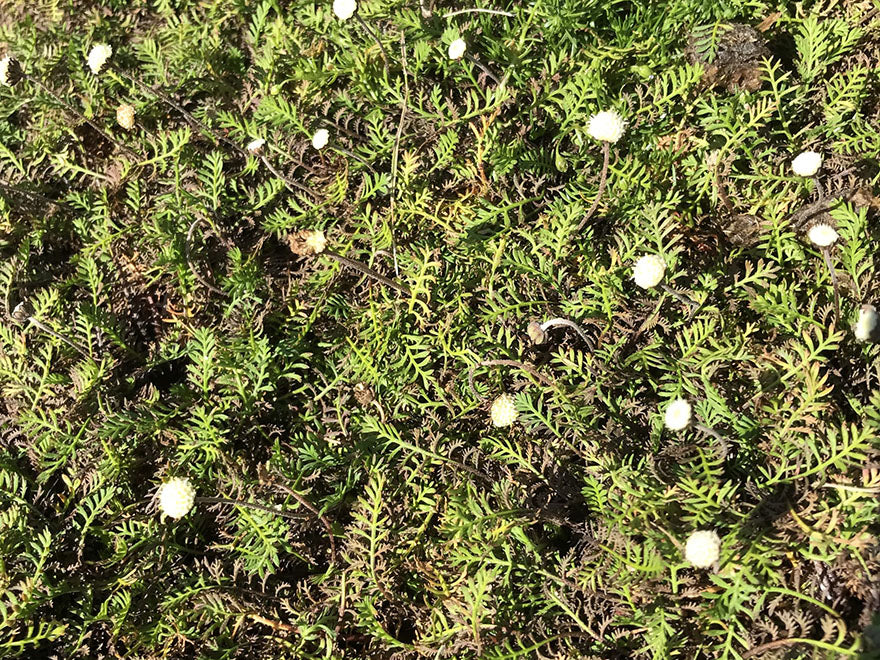
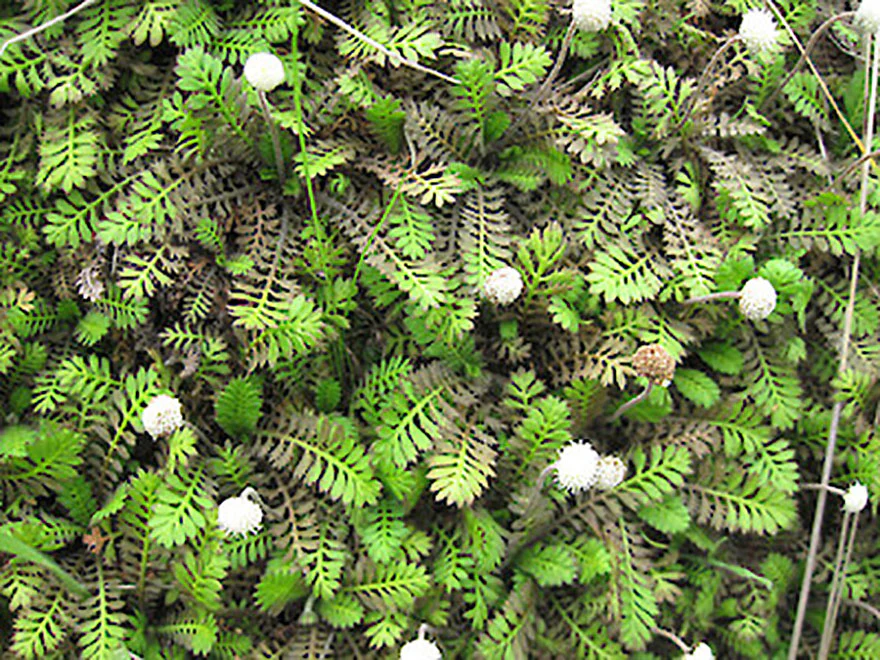
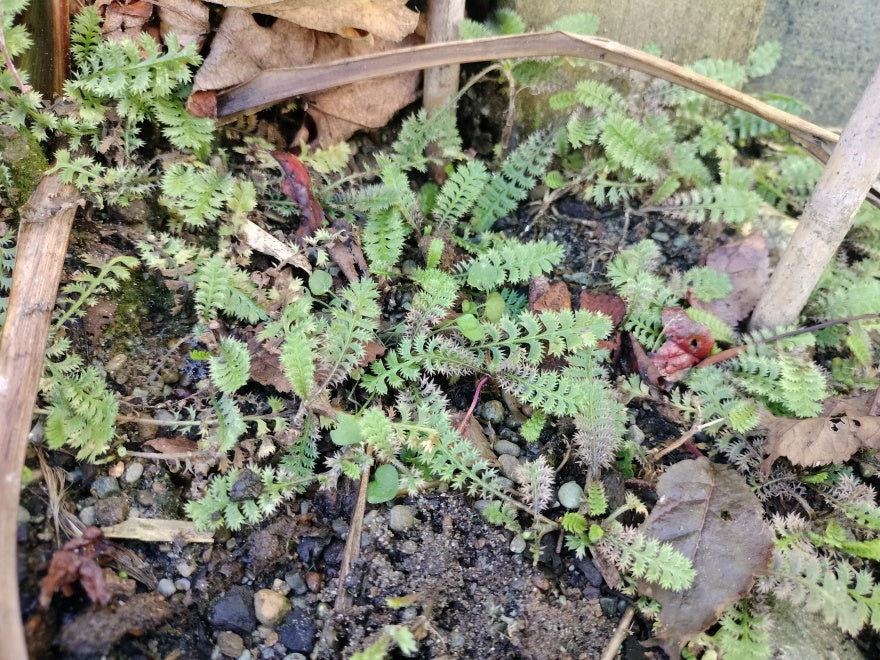
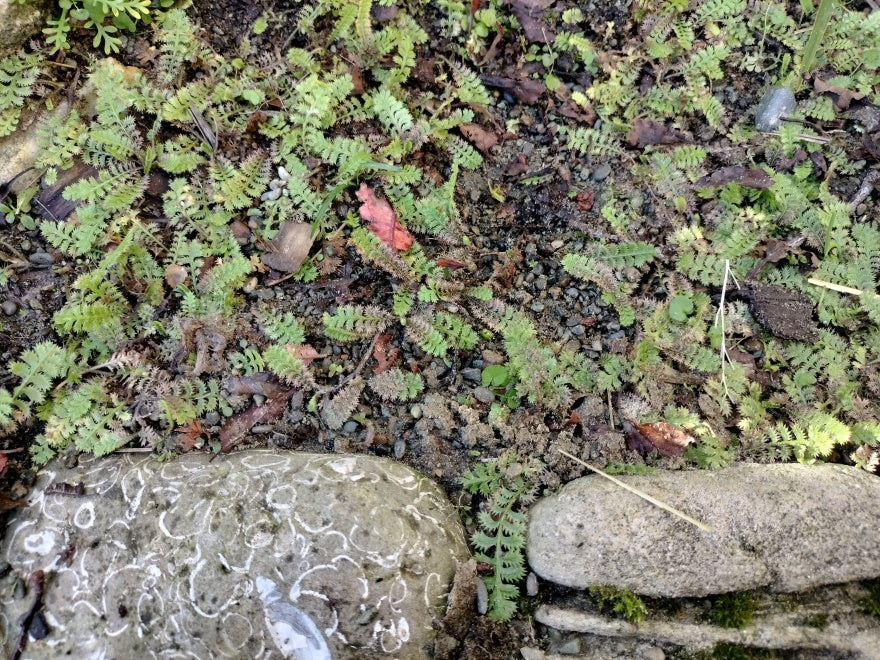
Leptinella minor is a delicate, mat-forming groundcover prized for its fine, fern-like foliage and dense, spreading habit. Native to New Zealand, it forms a soft, mossy carpet that works beautifully between stepping stones, in shady borders, or as a lawn alternative in lightly trafficked areas. This low-growing perennial stays evergreen in mild climates and offers both aesthetic charm and practical ground coverage for moist, cool sites.
Key Features:
-
Foliage: Finely divided, feathery foliage in bright green; forms a low, spreading mat
-
Flowers/Fruit: Tiny yellow-green button-like flowers may appear in spring or summer but are generally inconspicuous
-
Form & Habit: Prostrate, creeping growth with dense surface coverage
-
Growth Rate: Moderate to fast under ideal conditions
-
Cultural or Ecological Value: Native to alpine and subalpine habitats in New Zealand; excellent for ecological or native garden plantings
Mature Size:
| Attribute | Size |
|---|---|
| Height | 1 – 3 cm |
| Spread | 30 – 60 cm (spreading) |
| Form | Dense, low-growing mat |
Ideal Growing Conditions:
| Requirement | Detail |
|---|---|
| Light | Partial shade to full shade; tolerates filtered sun |
| Water | Moderate to high; prefers consistently moist soil |
| Soil | Moist, well-drained soils; tolerates clay and loam |
| pH Range | Neutral to slightly acidic |
| Frost Tolerance | Tolerates light frost; semi-evergreen in colder climates |
Landscaping and Garden Uses:
-
Lawn substitute in low-traffic areas
-
Between pavers, stepping stones, or rock paths
-
Underplanting for trees and shrubs
-
Woodland or shady garden groundcover
-
Moist border edges or rain gardens
Care and Maintenance:
-
Pruning: Trim or divide as needed to control spread or rejuvenate old patches
-
Watering: Keep soil consistently moist, especially during hot or dry spells
-
Feeding: Minimal feeding needed; use diluted balanced fertilizer in spring if growth is slow
-
Pests and Diseases: Generally pest-free; avoid waterlogged soil to prevent rot
-
Additional Tips: Not suitable for high foot traffic; thrives in cool, damp microclimates
Fun Fact or Botanical Insight:
The genus Leptinella includes many groundcover species once classified under Cotula. Leptinella minor is among the finest-textured, making it ideal for miniature gardens, fairy gardens, or Japanese-style moss lawns without the maintenance of true moss.
Why Choose Leptinella minor?
Leptinella minor offers the perfect solution for softening hardscapes, adding texture to shaded spaces, or replacing turf in low-use areas. Its elegant foliage, ecological value, and low profile make it a versatile and charming addition to any cool-climate garden.
Original: $17.83
-65%$17.83
$6.24Product Information
Product Information
Shipping & Returns
Shipping & Returns
Description
Leptinella minor (Leptinella minor)
Common Names: Button Carpet, Cotula, Brass Buttons (minor form)
Family: Asteraceae
Origin: Native to New Zealand
Plant Type: Groundcover, evergreen perennial
Overview:
Leptinella minor is a delicate, mat-forming groundcover prized for its fine, fern-like foliage and dense, spreading habit. Native to New Zealand, it forms a soft, mossy carpet that works beautifully between stepping stones, in shady borders, or as a lawn alternative in lightly trafficked areas. This low-growing perennial stays evergreen in mild climates and offers both aesthetic charm and practical ground coverage for moist, cool sites.
Key Features:
-
Foliage: Finely divided, feathery foliage in bright green; forms a low, spreading mat
-
Flowers/Fruit: Tiny yellow-green button-like flowers may appear in spring or summer but are generally inconspicuous
-
Form & Habit: Prostrate, creeping growth with dense surface coverage
-
Growth Rate: Moderate to fast under ideal conditions
-
Cultural or Ecological Value: Native to alpine and subalpine habitats in New Zealand; excellent for ecological or native garden plantings
Mature Size:
| Attribute | Size |
|---|---|
| Height | 1 – 3 cm |
| Spread | 30 – 60 cm (spreading) |
| Form | Dense, low-growing mat |
Ideal Growing Conditions:
| Requirement | Detail |
|---|---|
| Light | Partial shade to full shade; tolerates filtered sun |
| Water | Moderate to high; prefers consistently moist soil |
| Soil | Moist, well-drained soils; tolerates clay and loam |
| pH Range | Neutral to slightly acidic |
| Frost Tolerance | Tolerates light frost; semi-evergreen in colder climates |
Landscaping and Garden Uses:
-
Lawn substitute in low-traffic areas
-
Between pavers, stepping stones, or rock paths
-
Underplanting for trees and shrubs
-
Woodland or shady garden groundcover
-
Moist border edges or rain gardens
Care and Maintenance:
-
Pruning: Trim or divide as needed to control spread or rejuvenate old patches
-
Watering: Keep soil consistently moist, especially during hot or dry spells
-
Feeding: Minimal feeding needed; use diluted balanced fertilizer in spring if growth is slow
-
Pests and Diseases: Generally pest-free; avoid waterlogged soil to prevent rot
-
Additional Tips: Not suitable for high foot traffic; thrives in cool, damp microclimates
Fun Fact or Botanical Insight:
The genus Leptinella includes many groundcover species once classified under Cotula. Leptinella minor is among the finest-textured, making it ideal for miniature gardens, fairy gardens, or Japanese-style moss lawns without the maintenance of true moss.
Why Choose Leptinella minor?
Leptinella minor offers the perfect solution for softening hardscapes, adding texture to shaded spaces, or replacing turf in low-use areas. Its elegant foliage, ecological value, and low profile make it a versatile and charming addition to any cool-climate garden.