5x NZ Iris - $9.99 each
Libertia ixioides
Common names: New Zealand Iris, Mikoikoi
Family: Iridaceae
Origin: New Zealand
Plant Type: Evergreen Perennial / Clump-forming Iris
Overview
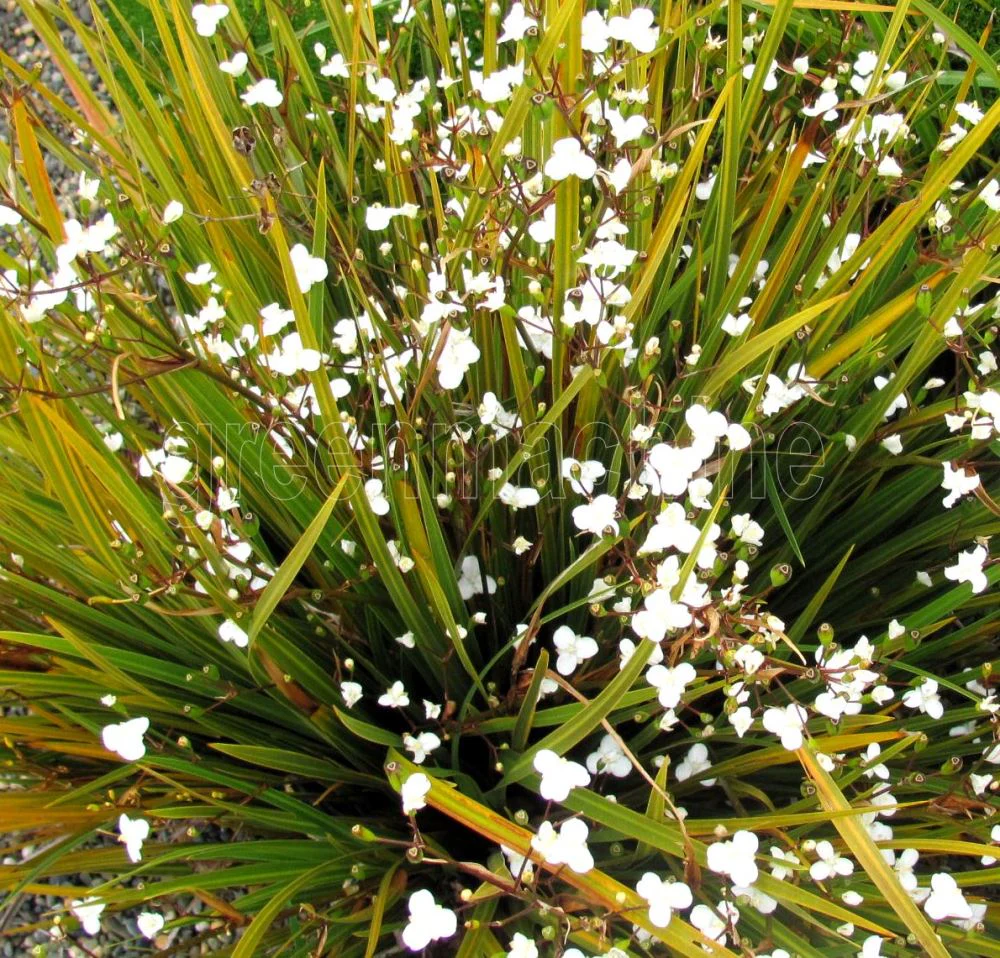
Libertia ixioides is a striking NZ native perennial prized for its stiff, upright, sword-like leaves and clean architectural form. Its foliage ranges from green to golden hues depending on cultivar, and it produces a delicate display of white star-shaped flowers in late spring to early summer. Exceptionally hardy and low-maintenance, it is ideal for modern landscapes, mass plantings, and tough sites.
Key Features
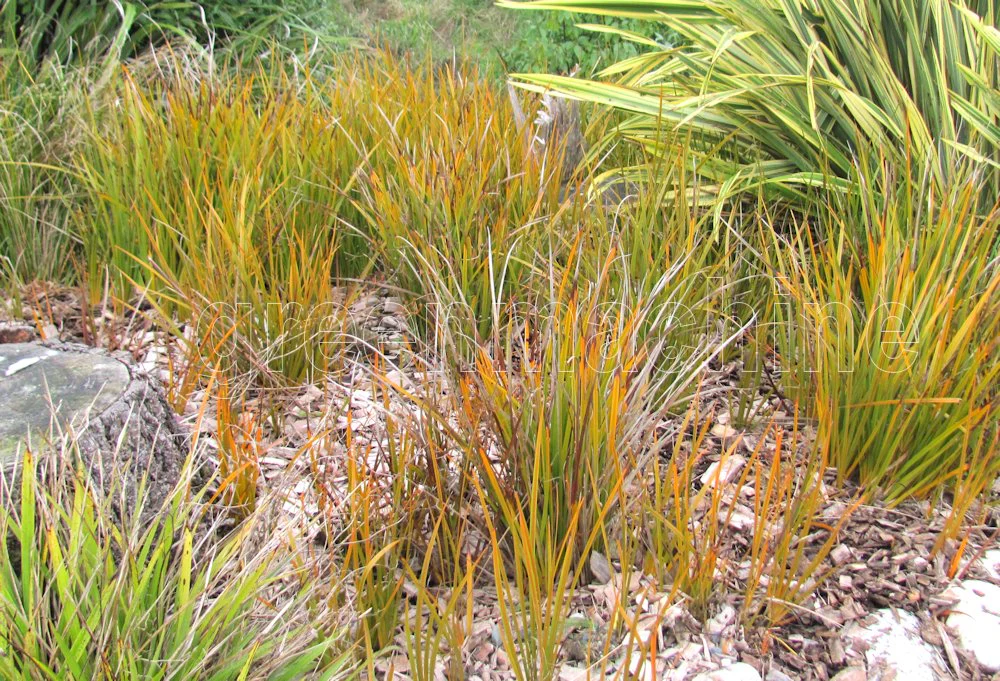
Foliage: Upright, rigid, sword-like leaves forming a dense clump; colour typically green to golden-green depending on conditions.
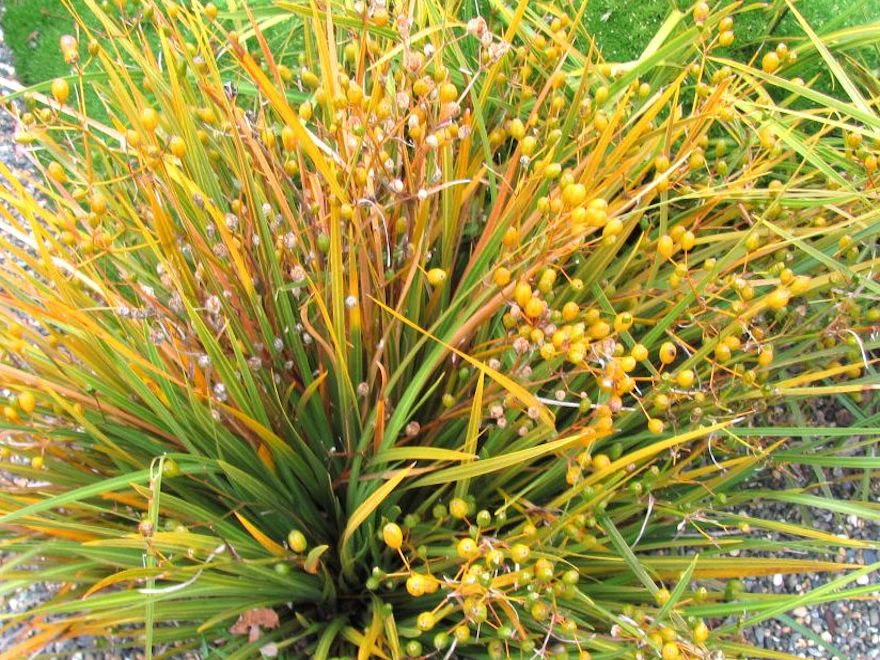
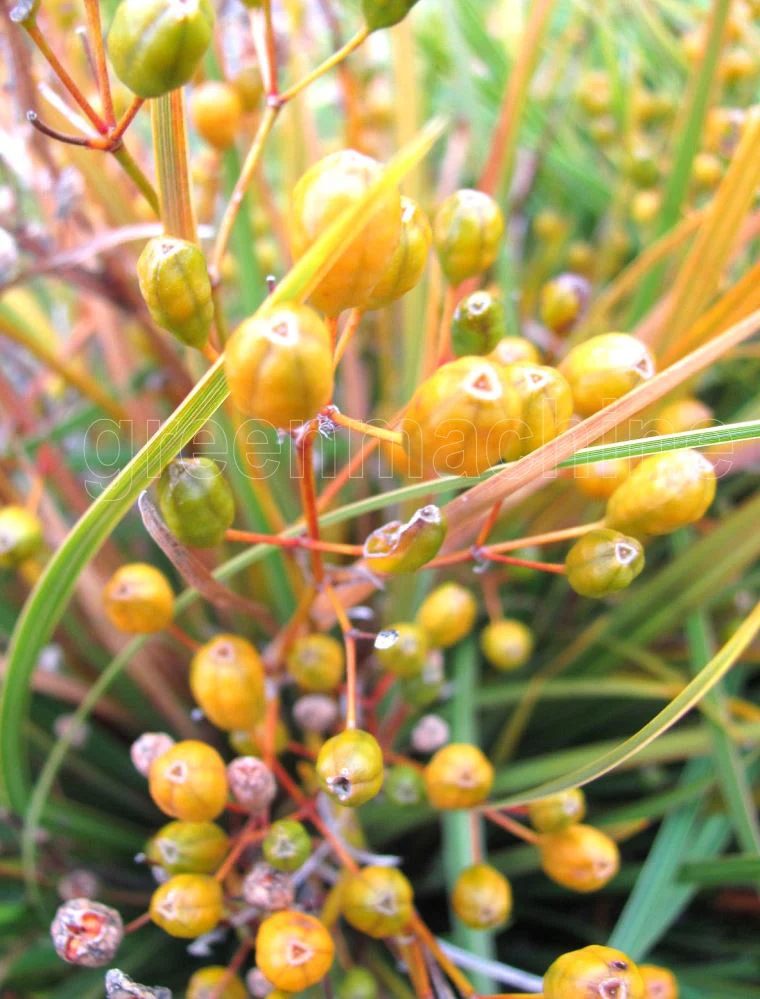
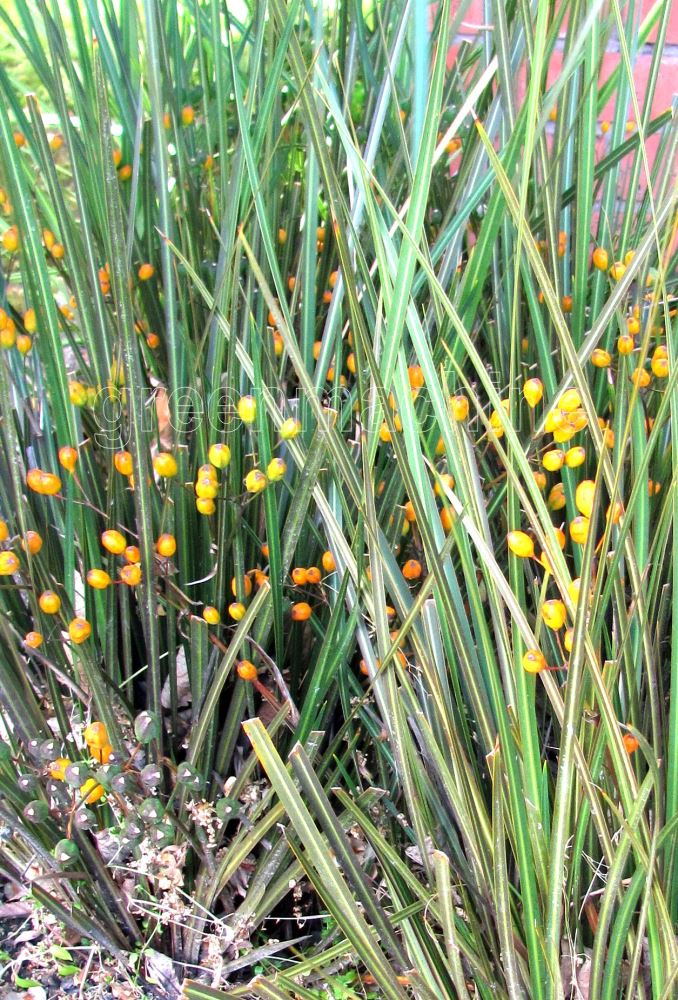
Flowers / Fruit: White starry flowers in late spring–early summer, followed by attractive orange seed pods that extend seasonal interest.
Form & Habit: Clump-forming perennial with a clean, architectural silhouette.
Growth Rate: Moderate.
Cultural & Ecological Value: Provides habitat structure, attracts pollinators, and performs well in dry, exposed, or coastal environments.
Mature Size
| Attribute | Size |
|---|---|
| Height | 40–60 cm |
| Spread | 40–60 cm |
| Form | Upright, clump-forming perennial |
Ideal Growing Conditions
| Requirement | Detail |
|---|---|
| Light | Full sun to part shade (best colour in full sun) |
| Water | Low to moderate; drought-tolerant once established |
| Soil | Free-draining soils; thrives in sand, gravel, or poor soils |
| pH Range | Neutral to slightly acidic |
| Frost Tolerance | Hardy; tolerates frost, coastal wind, and exposed sites |
Landscaping & Garden Uses
-
Architectural accent plant in modern or native gardens
-
Mass planting for strong structural impact
-
Excellent for coastal and dry landscapes
-
Works well along paths, borders, and rockeries
-
Great companion to flaxes, grasses, hebes, and coprosmas
Care & Maintenance
Pruning: Remove old or damaged leaves as needed; trim spent flower stems after flowering.
Watering: Water during establishment; low water needs afterwards.
Feeding: Responds to a light spring fertiliser in poor soils.
Pests & Diseases: Very hardy and generally pest-free.
Additional Tips
-
Plant in full sun to maximise colour and form.
-
The orange seed capsules provide long-lasting ornamental value.
-
Ideal for low-maintenance, drought-tolerant gardens.
Fun Fact / Botanical Insight
The genus Libertia is named after Marie-Anne Libert, a pioneering Belgian botanist—though this species is uniquely New Zealand, thriving in conditions many other irises cannot tolerate.
Why Choose Libertia ixioides?
A bold, architectural NZ native offering year-round structure, seasonal flowers, and impressive durability—perfect for modern landscapes, restoration projects, and low-maintenance garden design.
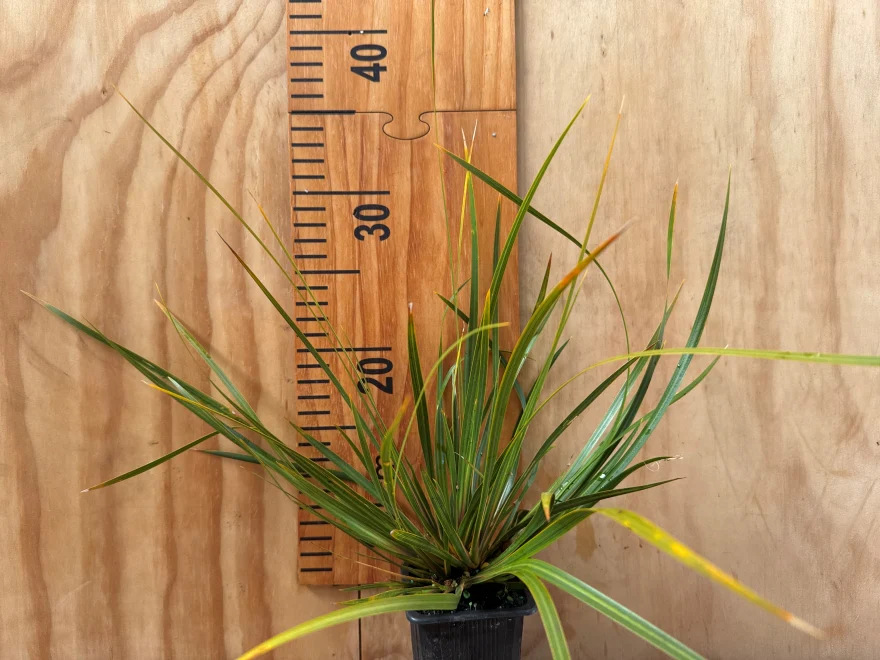
Pot Size: These are our standard size in 7cm square pots.
Original: $29.74
-65%$29.74
$10.41Product Information
Product Information
Shipping & Returns
Shipping & Returns
Description
Libertia ixioides
Common names: New Zealand Iris, Mikoikoi
Family: Iridaceae
Origin: New Zealand
Plant Type: Evergreen Perennial / Clump-forming Iris
Overview
Libertia ixioides is a striking NZ native perennial prized for its stiff, upright, sword-like leaves and clean architectural form. Its foliage ranges from green to golden hues depending on cultivar, and it produces a delicate display of white star-shaped flowers in late spring to early summer. Exceptionally hardy and low-maintenance, it is ideal for modern landscapes, mass plantings, and tough sites.
Key Features
Foliage: Upright, rigid, sword-like leaves forming a dense clump; colour typically green to golden-green depending on conditions.
Flowers / Fruit: White starry flowers in late spring–early summer, followed by attractive orange seed pods that extend seasonal interest.
Form & Habit: Clump-forming perennial with a clean, architectural silhouette.
Growth Rate: Moderate.
Cultural & Ecological Value: Provides habitat structure, attracts pollinators, and performs well in dry, exposed, or coastal environments.
Mature Size
| Attribute | Size |
|---|---|
| Height | 40–60 cm |
| Spread | 40–60 cm |
| Form | Upright, clump-forming perennial |
Ideal Growing Conditions
| Requirement | Detail |
|---|---|
| Light | Full sun to part shade (best colour in full sun) |
| Water | Low to moderate; drought-tolerant once established |
| Soil | Free-draining soils; thrives in sand, gravel, or poor soils |
| pH Range | Neutral to slightly acidic |
| Frost Tolerance | Hardy; tolerates frost, coastal wind, and exposed sites |
Landscaping & Garden Uses
-
Architectural accent plant in modern or native gardens
-
Mass planting for strong structural impact
-
Excellent for coastal and dry landscapes
-
Works well along paths, borders, and rockeries
-
Great companion to flaxes, grasses, hebes, and coprosmas
Care & Maintenance
Pruning: Remove old or damaged leaves as needed; trim spent flower stems after flowering.
Watering: Water during establishment; low water needs afterwards.
Feeding: Responds to a light spring fertiliser in poor soils.
Pests & Diseases: Very hardy and generally pest-free.
Additional Tips
-
Plant in full sun to maximise colour and form.
-
The orange seed capsules provide long-lasting ornamental value.
-
Ideal for low-maintenance, drought-tolerant gardens.
Fun Fact / Botanical Insight
The genus Libertia is named after Marie-Anne Libert, a pioneering Belgian botanist—though this species is uniquely New Zealand, thriving in conditions many other irises cannot tolerate.
Why Choose Libertia ixioides?
A bold, architectural NZ native offering year-round structure, seasonal flowers, and impressive durability—perfect for modern landscapes, restoration projects, and low-maintenance garden design.
Pot Size: These are our standard size in 7cm square pots.