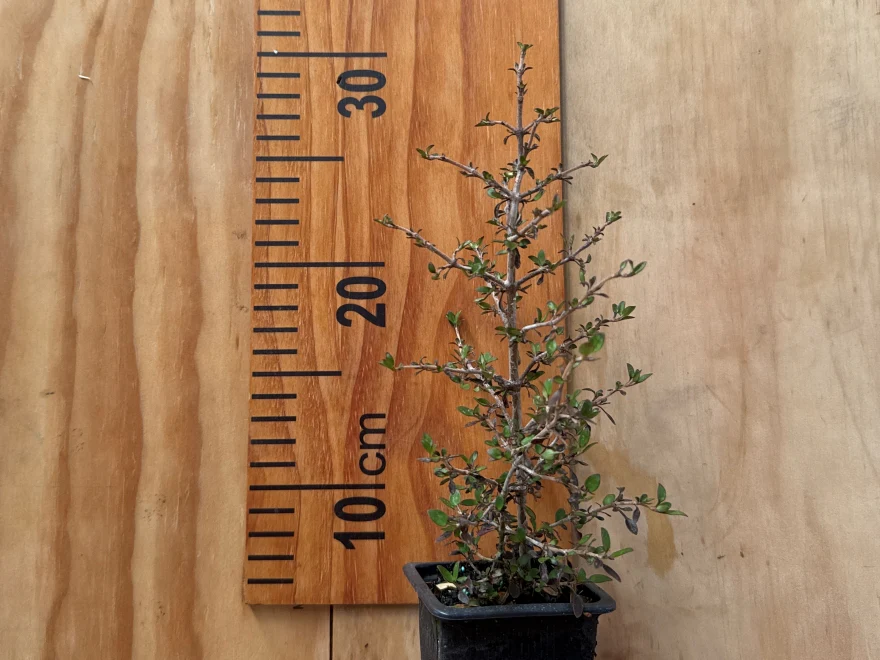
25x Mingi Mingi Coprosma - $4.99 each
Coprosma propinqua (Coprosma propinqua)
Common Names: Mingimingi, Coprosma
Family: Rubiaceae
Origin: Endemic to New Zealand
Plant Type: Evergreen shrub or small tree
Overview:
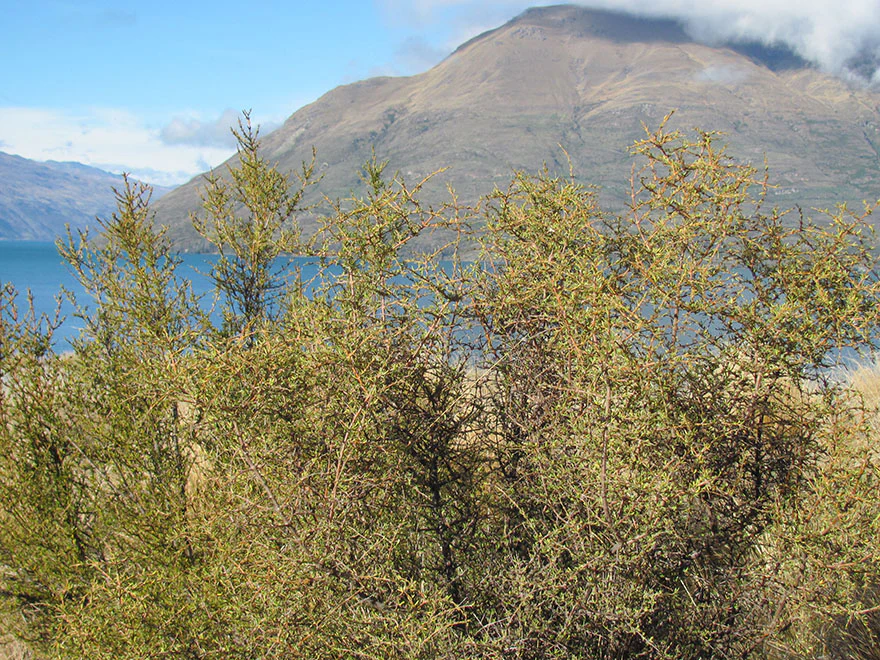
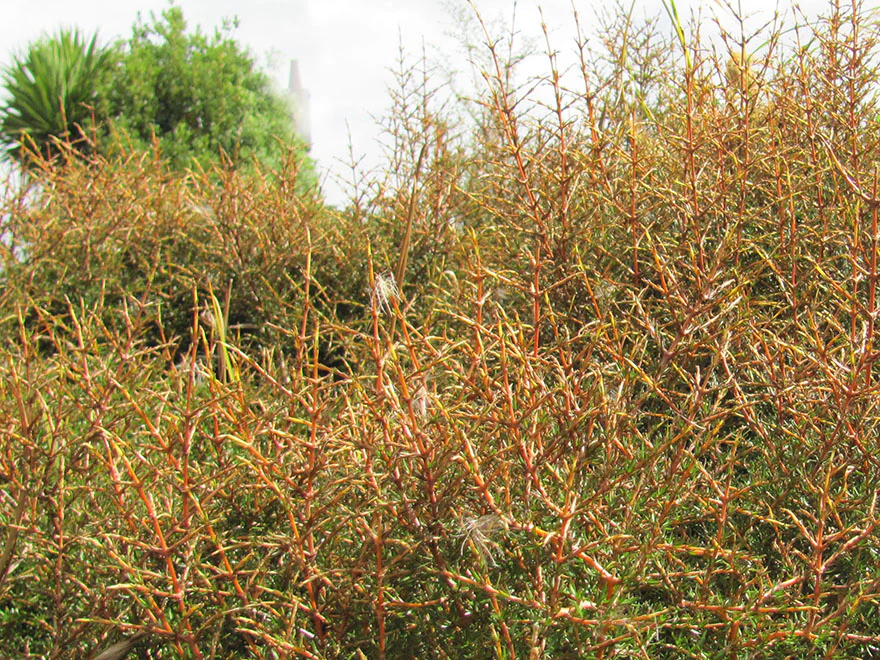
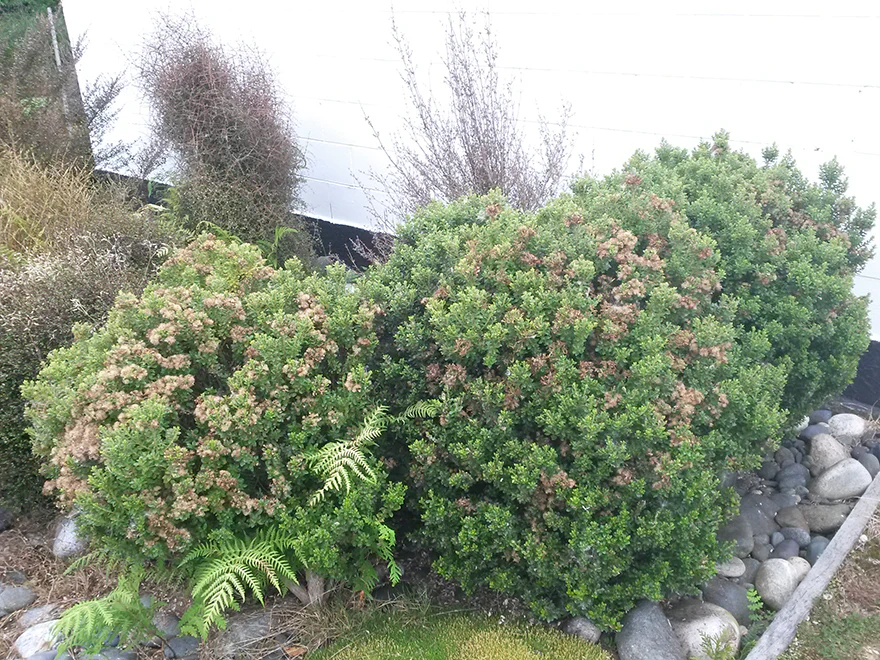
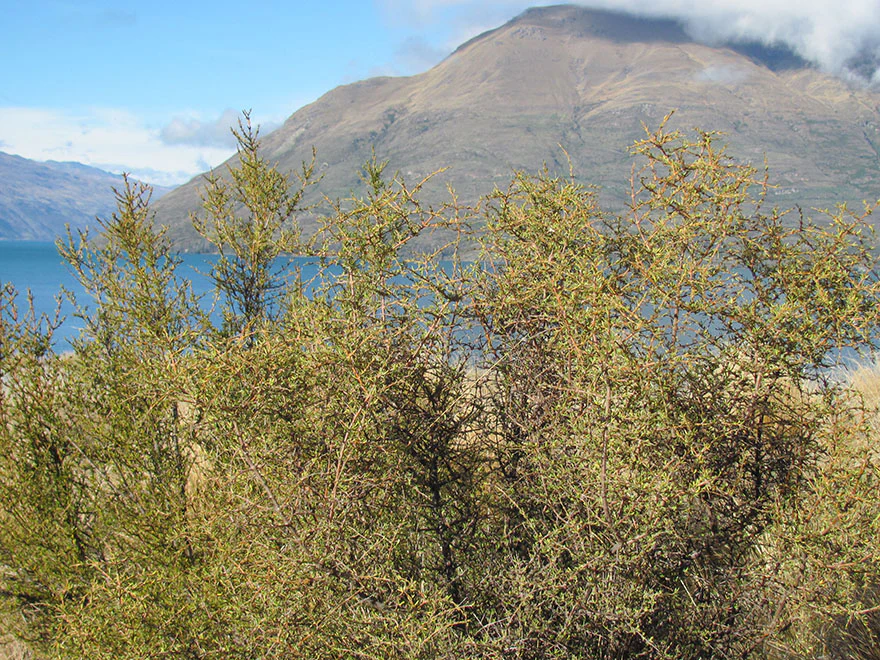
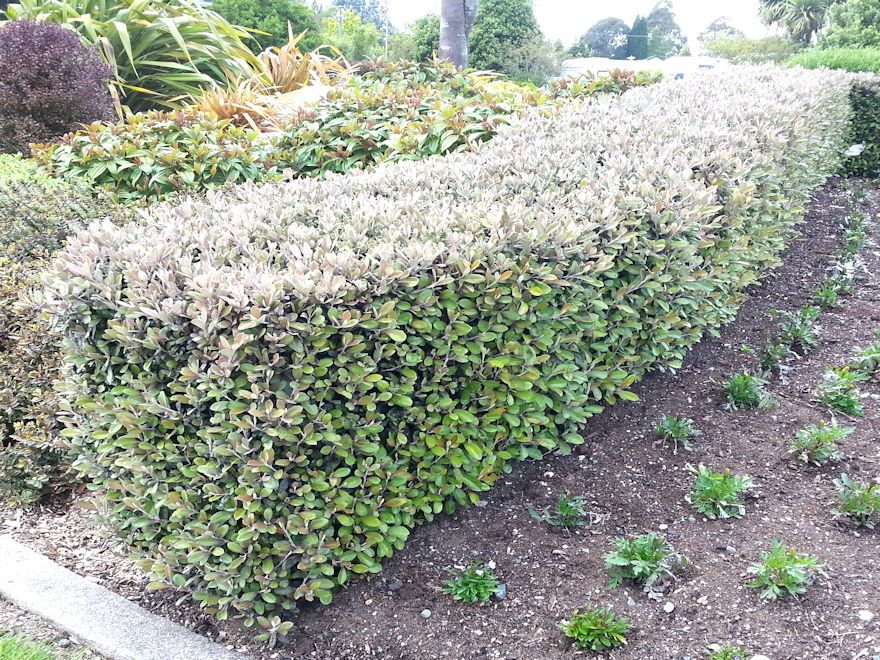
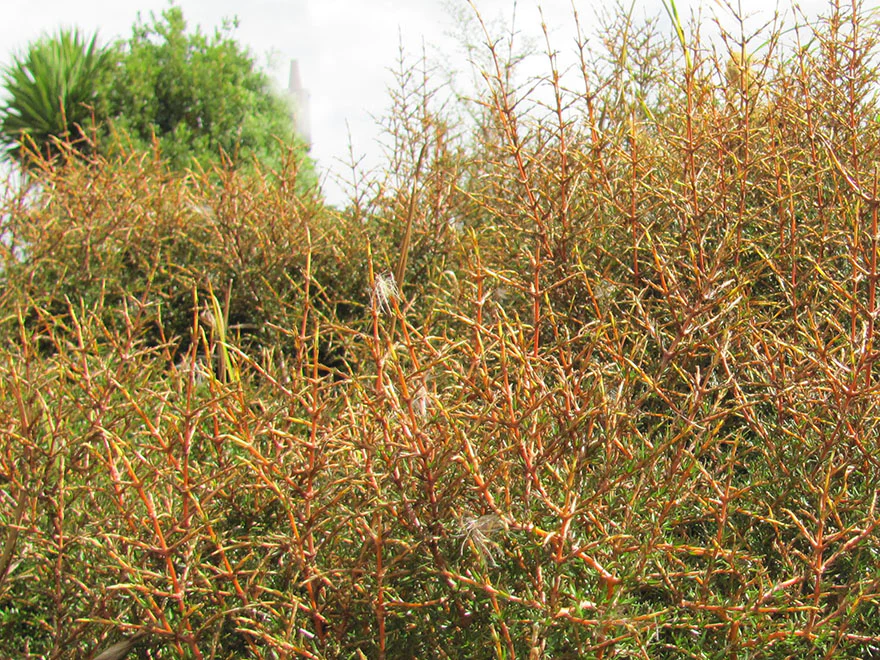
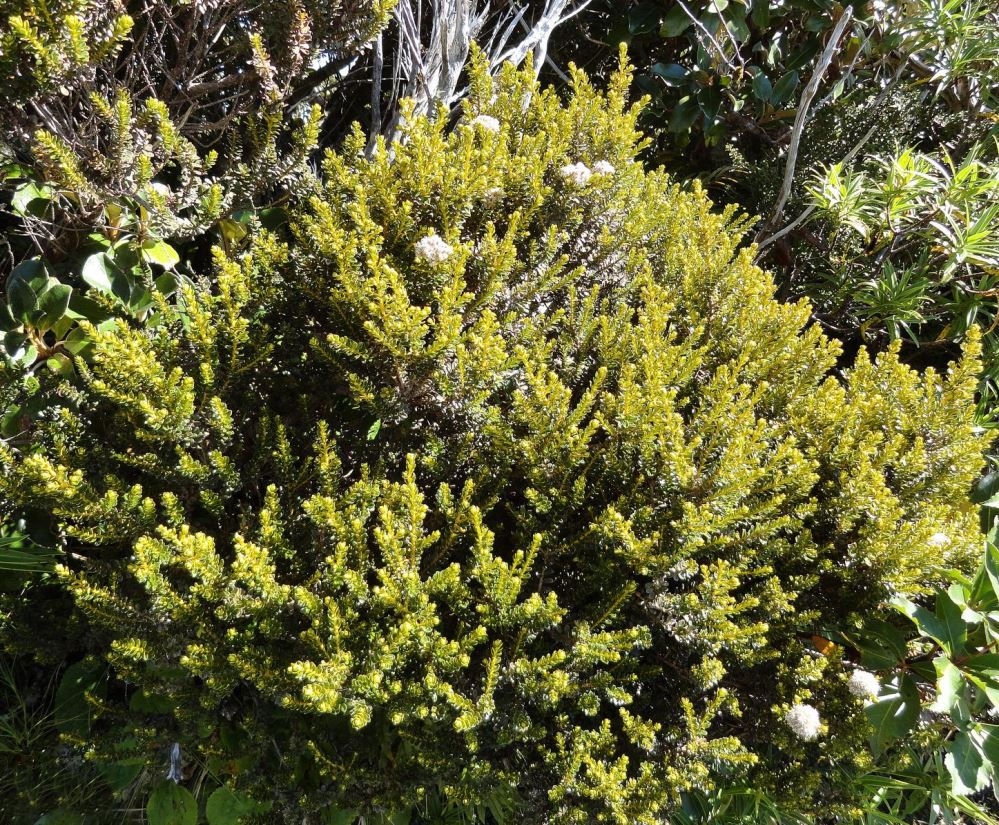
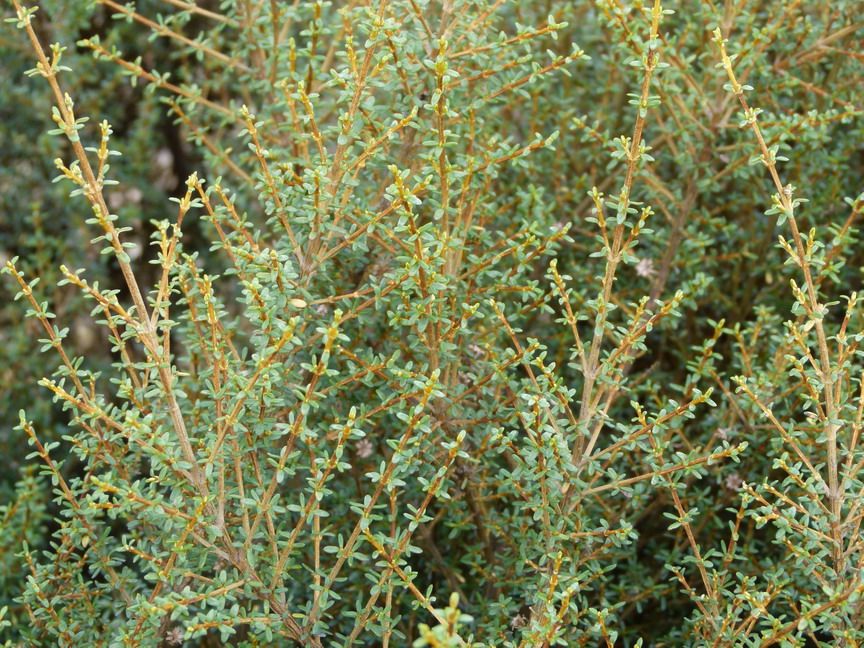
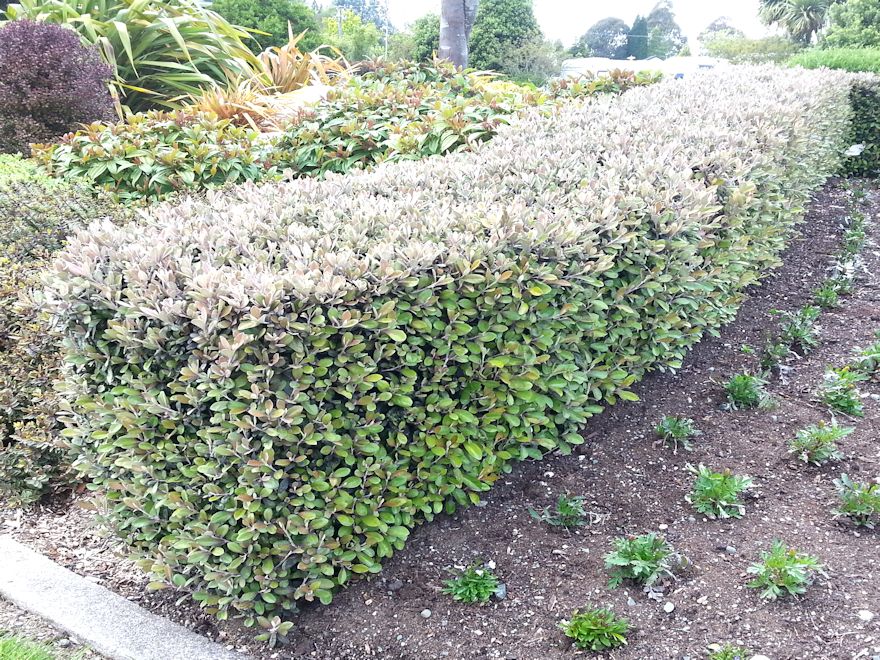
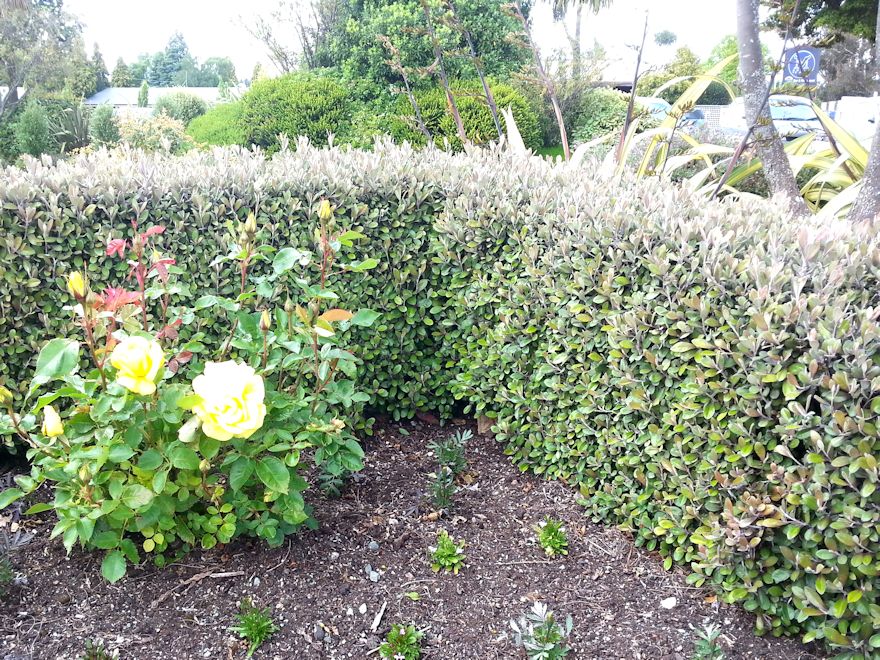
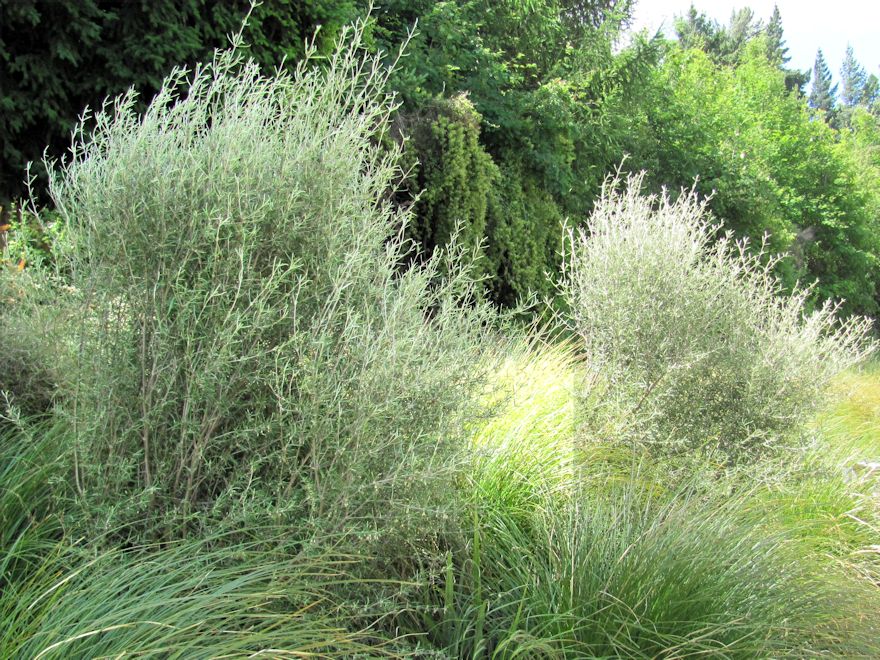
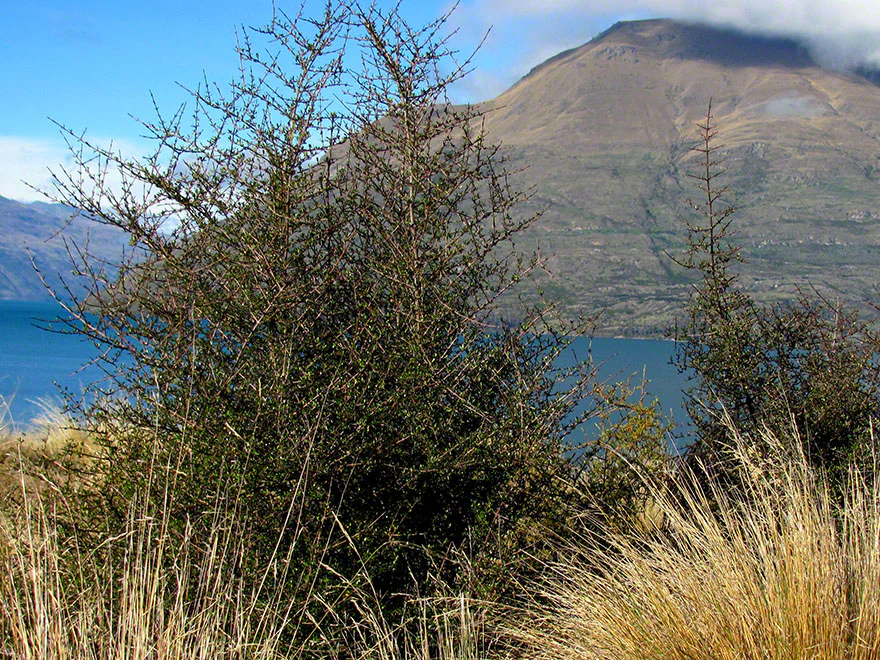
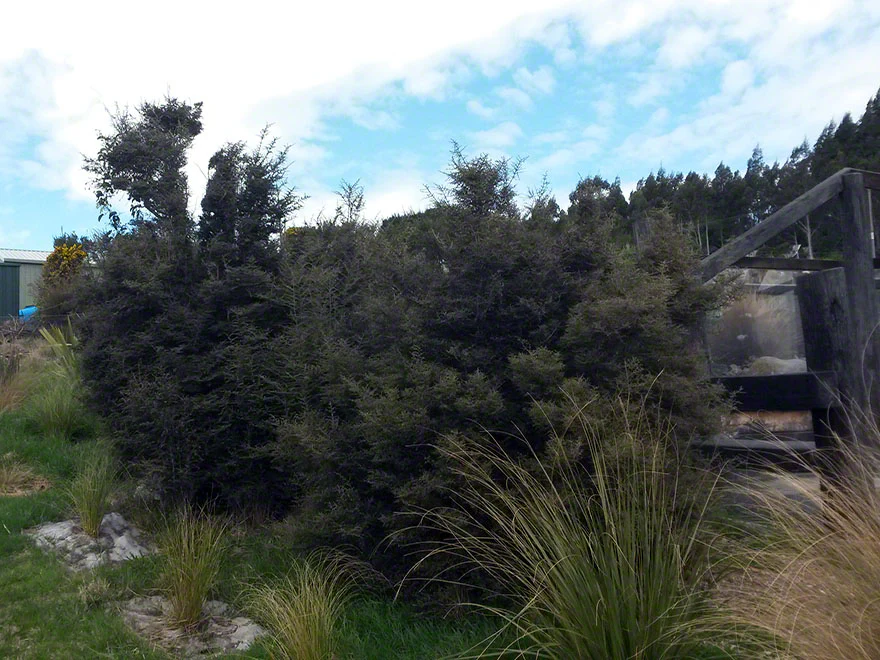
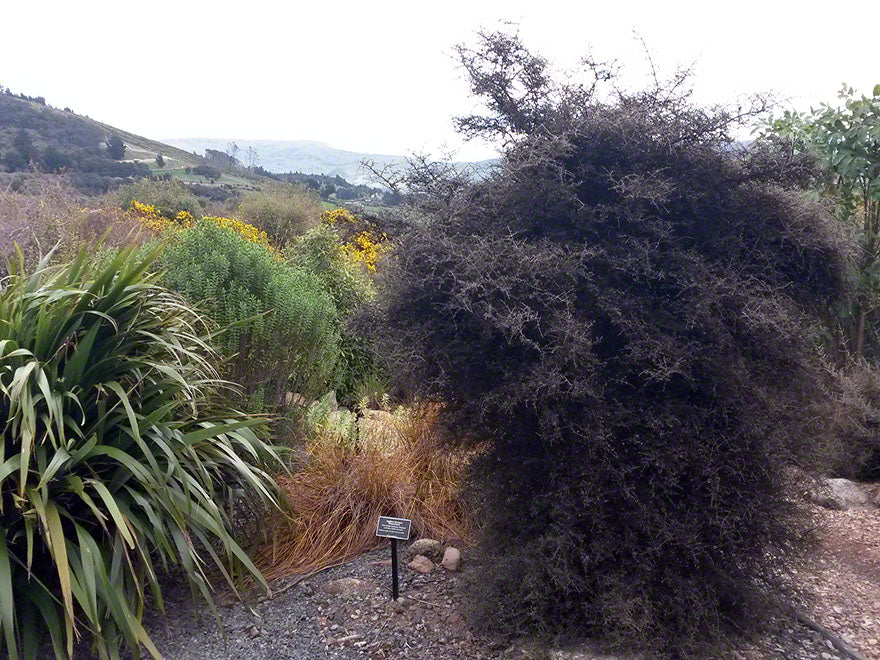
Coprosma propinqua is a versatile, hardy native shrub or small tree that grows naturally in a wide range of habitats across New Zealand, including coastal areas, lowland forests, and scrublands. Known for its dense, bushy habit and glossy, dark green foliage, it is often used for hedging, shelter planting, and native restoration projects. The plant produces small fragrant flowers followed by attractive berries that provide food for native birds, making it an excellent choice for wildlife-friendly gardens.
Key Features:
-
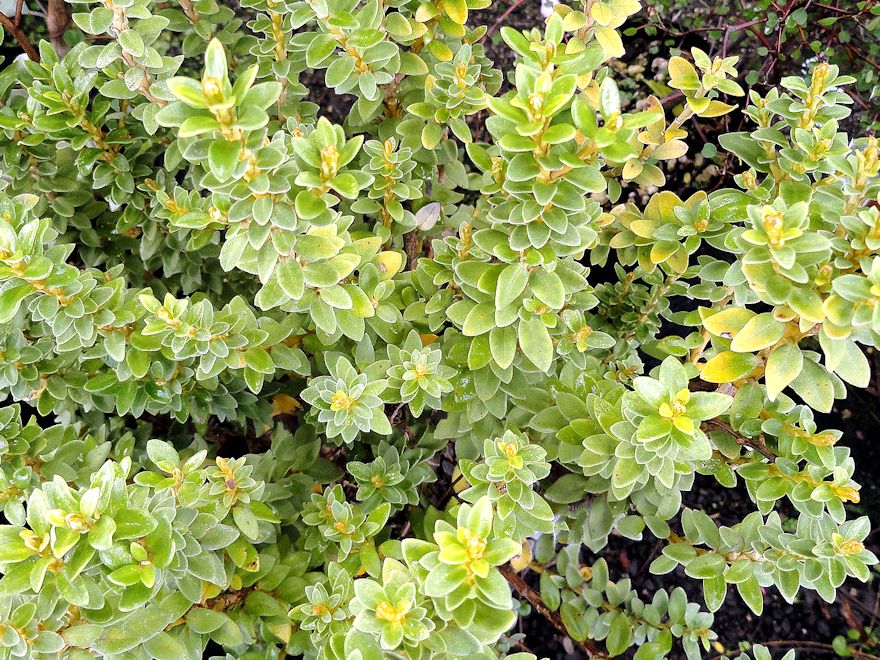
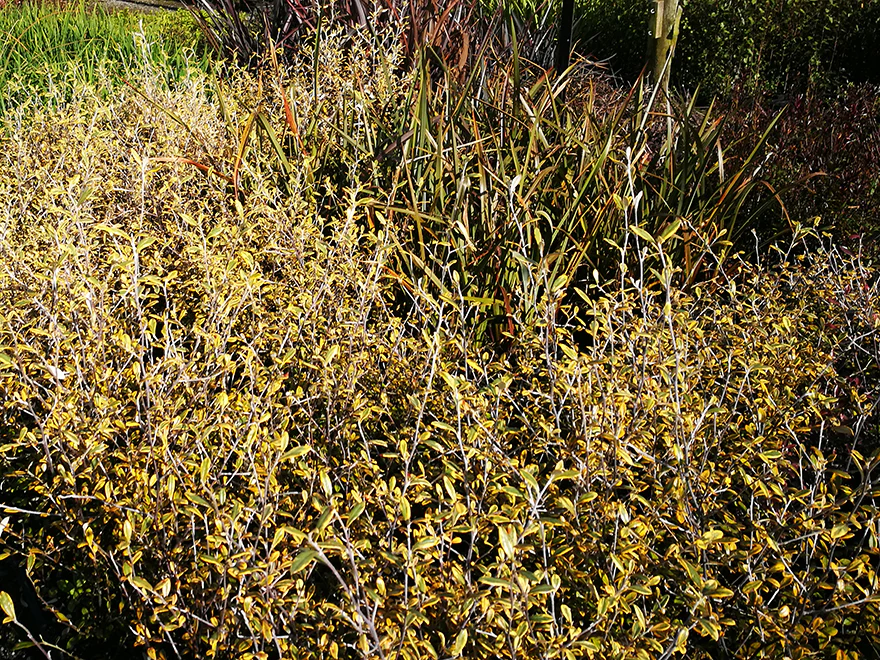
Foliage: Glossy, oval-shaped dark green leaves with a smooth texture
-
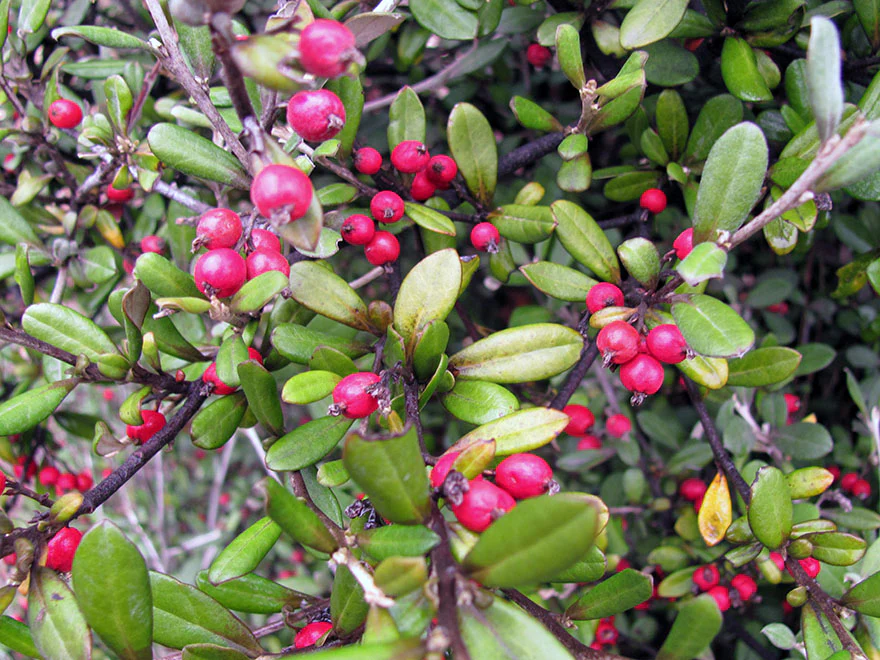
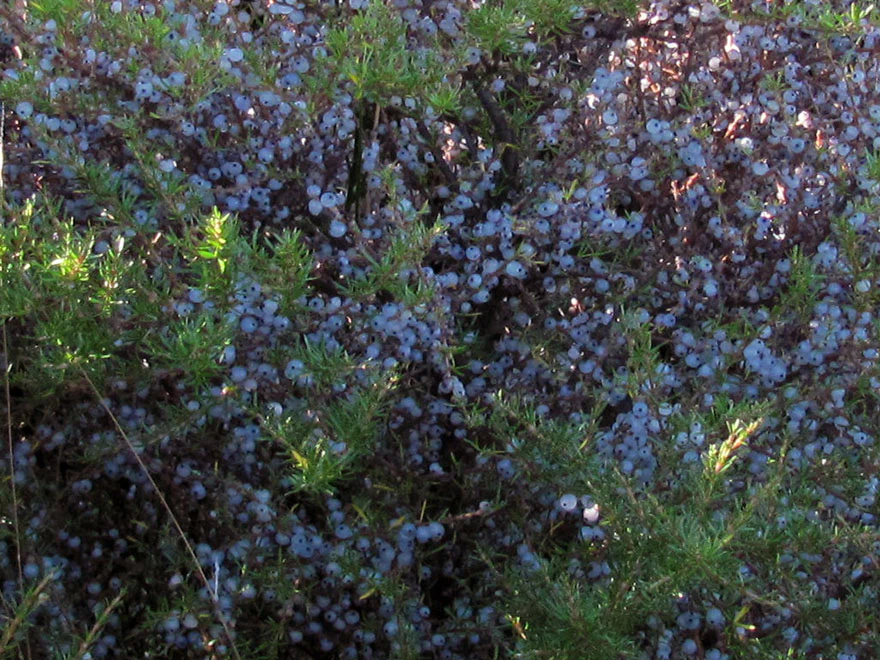
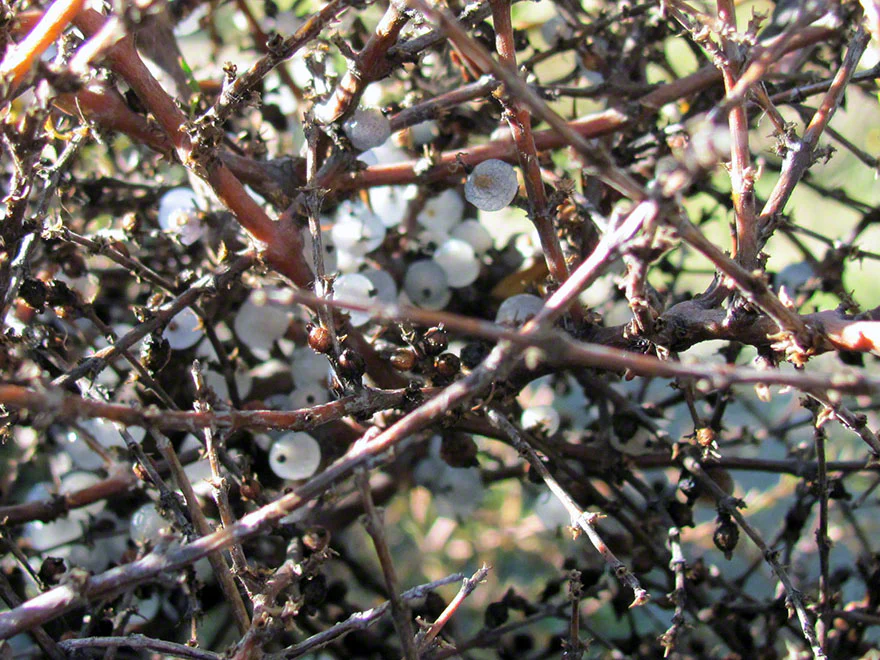
Flowers/Fruit: Small, fragrant cream to pale green flowers; followed by clusters of orange to red berries that attract birds
-
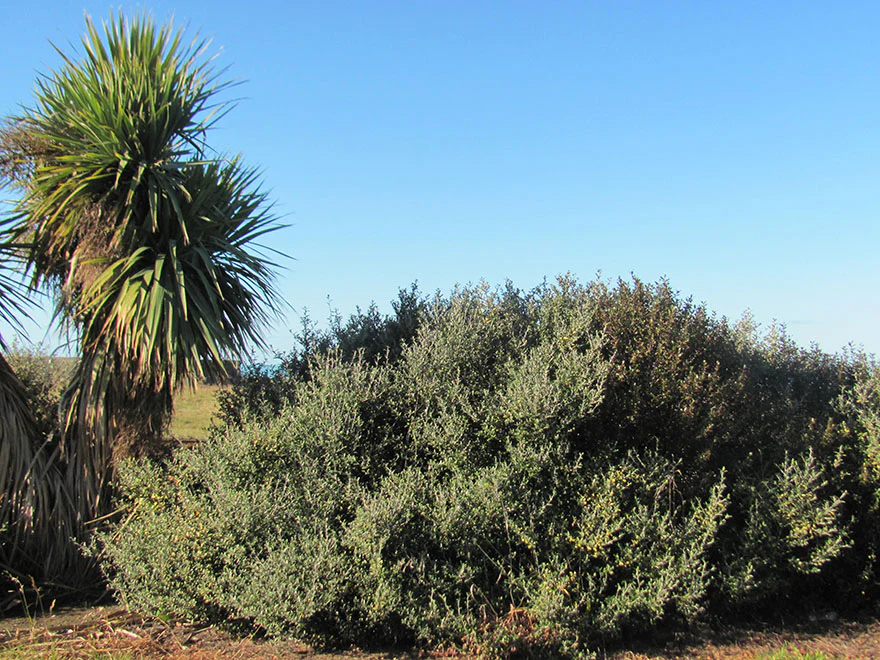
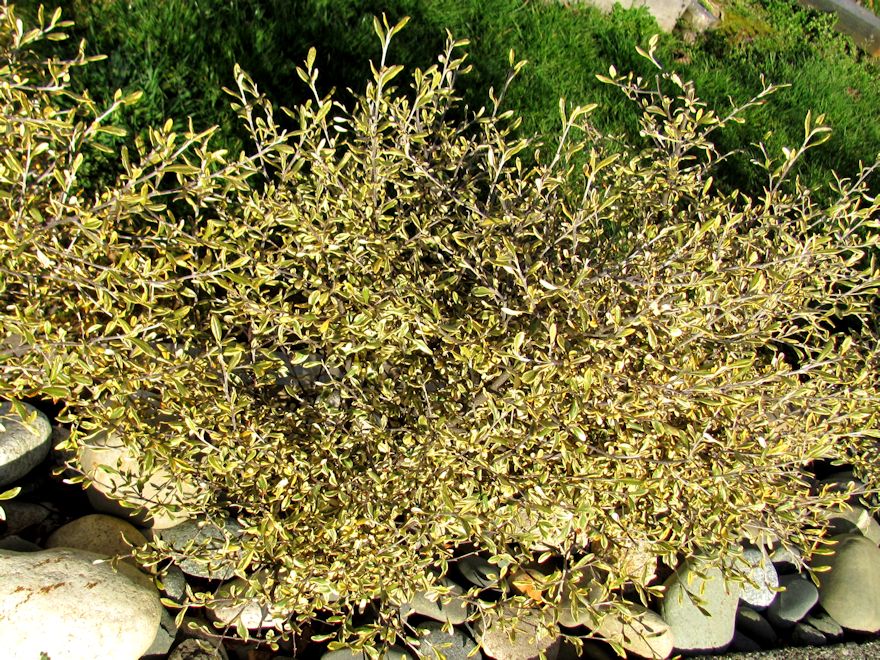
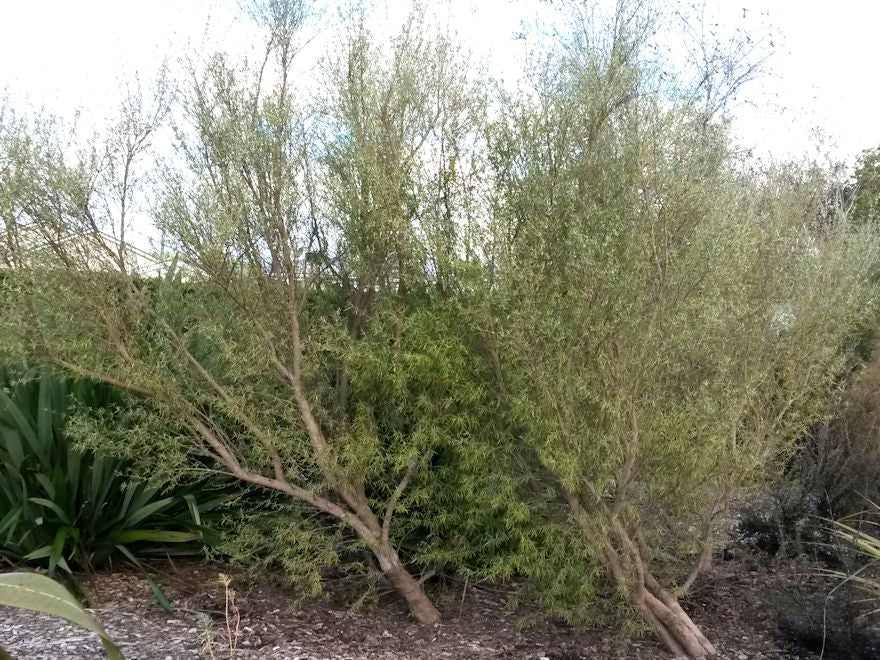
Form & Habit: Dense, bushy shrub or small tree with a rounded to spreading canopy
-
Growth Rate: Moderate
-
Cultural or Ecological Value: Important for native wildlife; provides habitat and food source for birds and insects
Mature Size:
| Attribute | Size |
|---|---|
| Height | 2 meters |
| Spread | 1 meters |
| Form | Rounded, dense shrub or small tree |
Ideal Growing Conditions:
| Requirement | Detail |
|---|---|
| Light | Full sun to partial shade |
| Water | Moderate; tolerates periods of drought once established |
| Soil | Prefers well-drained soils but adaptable to various soil types |
| pH Range | Neutral to slightly acidic |
| Frost Tolerance | Hardy to light frost |
Landscaping and Garden Uses:
-
Native shelter belts and hedging
-
Wildlife gardens and bird-friendly landscapes
-
Coastal and lowland native plantings
-
Informal screening and boundary planting
-
Restoration and revegetation projects
Care and Maintenance:
-
Pruning: Prune to maintain shape or promote bushiness; responds well to trimming
-
Watering: Water regularly during establishment; drought-tolerant once mature
-
Feeding: Occasional fertilizing in spring if growth slows
-
Pests and Diseases: Generally pest-resistant; monitor for occasional scale or aphids
-
Additional Tips: Well-suited to coastal conditions and exposed sites; mulch to retain moisture
Fun Fact or Botanical Insight:
The name Coprosma means “smelly stigma,” referring to the sometimes pungent scent of the flowers in some species. Coprosma propinqua is valued for its adaptability and is a common component of New Zealand’s native shrubland and coastal ecosystems.
Why Choose Coprosma propinqua?
With its reliable growth, attractive foliage, and ecological benefits, Coprosma propinqua is an excellent choice for gardeners and landscapers aiming to create resilient, wildlife-friendly native plantings. Its versatility and robust nature make it a standout for shelter planting and hedging in a variety of environments.
Pot Size:
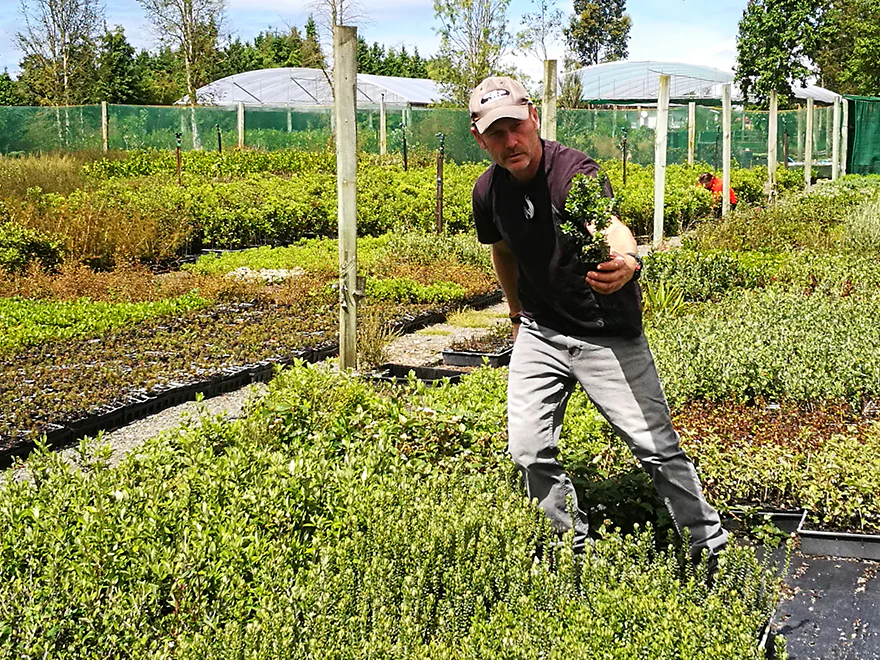
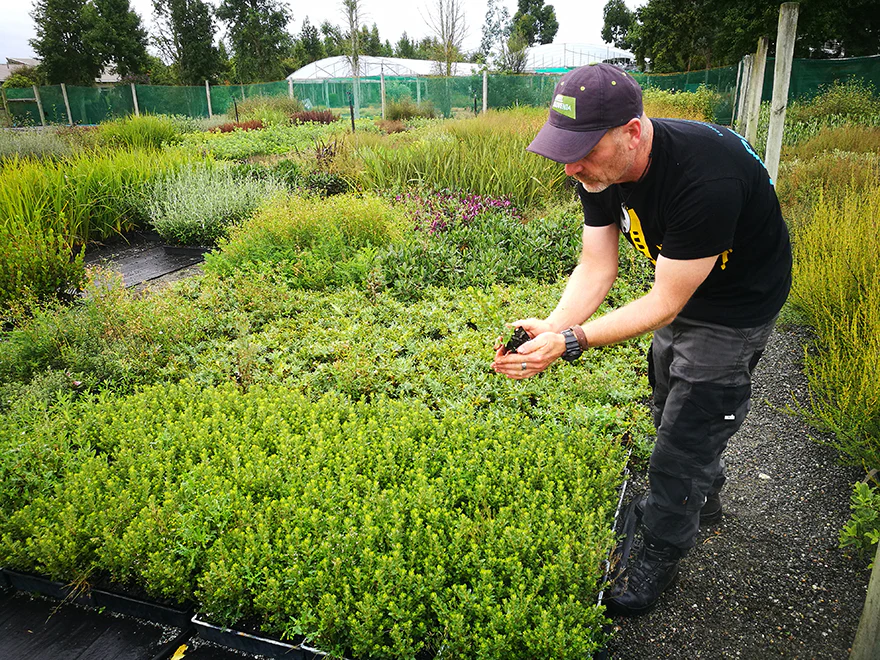
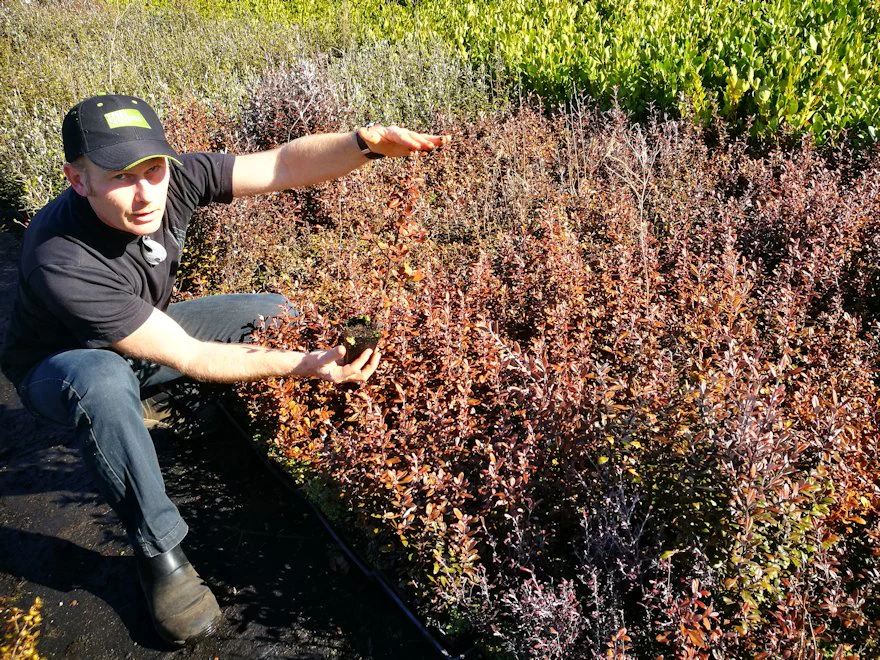
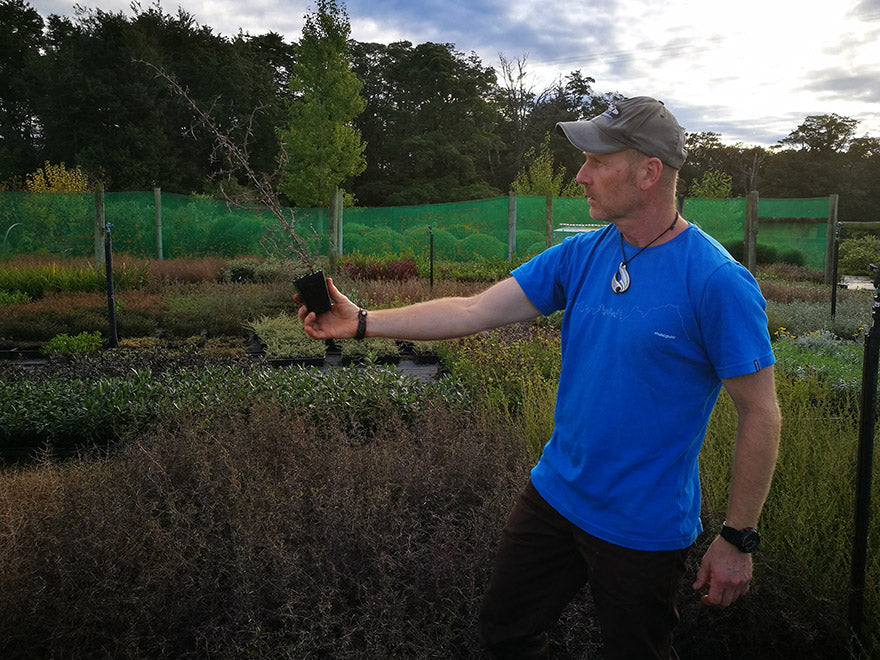
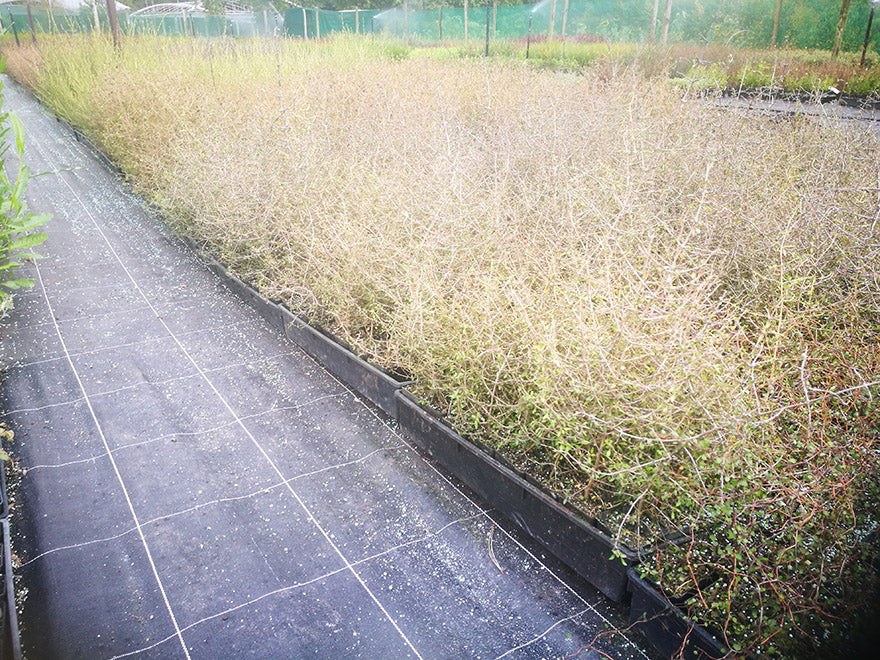
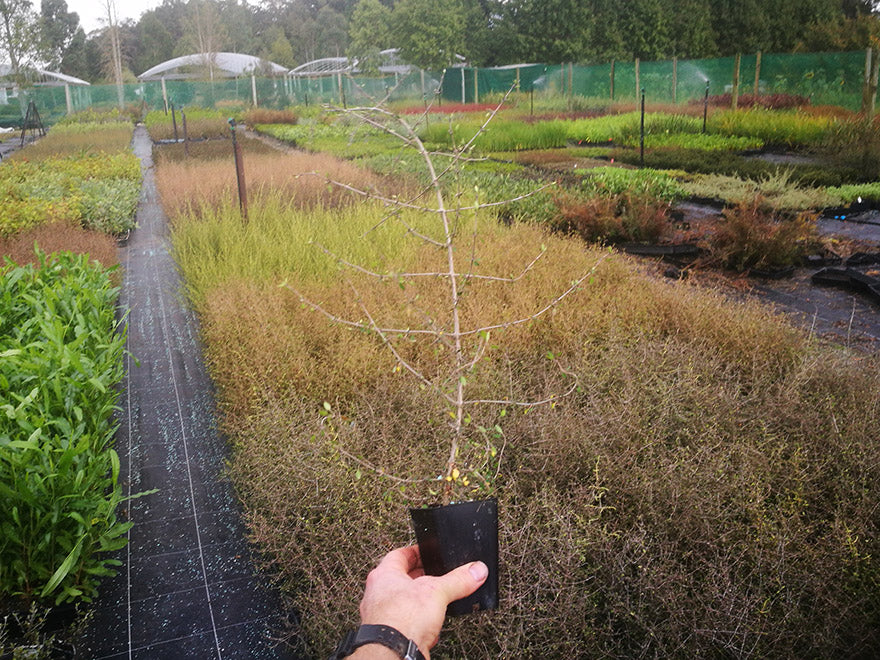
These are our standard size in 7cm square pots.
Original: $74.27
-65%$74.27
$25.99Product Information
Product Information
Shipping & Returns
Shipping & Returns
Description
Coprosma propinqua (Coprosma propinqua)
Common Names: Mingimingi, Coprosma
Family: Rubiaceae
Origin: Endemic to New Zealand
Plant Type: Evergreen shrub or small tree
Overview:
Coprosma propinqua is a versatile, hardy native shrub or small tree that grows naturally in a wide range of habitats across New Zealand, including coastal areas, lowland forests, and scrublands. Known for its dense, bushy habit and glossy, dark green foliage, it is often used for hedging, shelter planting, and native restoration projects. The plant produces small fragrant flowers followed by attractive berries that provide food for native birds, making it an excellent choice for wildlife-friendly gardens.
Key Features:
-
Foliage: Glossy, oval-shaped dark green leaves with a smooth texture
-
Flowers/Fruit: Small, fragrant cream to pale green flowers; followed by clusters of orange to red berries that attract birds
-
Form & Habit: Dense, bushy shrub or small tree with a rounded to spreading canopy
-
Growth Rate: Moderate
-
Cultural or Ecological Value: Important for native wildlife; provides habitat and food source for birds and insects
Mature Size:
| Attribute | Size |
|---|---|
| Height | 2 meters |
| Spread | 1 meters |
| Form | Rounded, dense shrub or small tree |
Ideal Growing Conditions:
| Requirement | Detail |
|---|---|
| Light | Full sun to partial shade |
| Water | Moderate; tolerates periods of drought once established |
| Soil | Prefers well-drained soils but adaptable to various soil types |
| pH Range | Neutral to slightly acidic |
| Frost Tolerance | Hardy to light frost |
Landscaping and Garden Uses:
-
Native shelter belts and hedging
-
Wildlife gardens and bird-friendly landscapes
-
Coastal and lowland native plantings
-
Informal screening and boundary planting
-
Restoration and revegetation projects
Care and Maintenance:
-
Pruning: Prune to maintain shape or promote bushiness; responds well to trimming
-
Watering: Water regularly during establishment; drought-tolerant once mature
-
Feeding: Occasional fertilizing in spring if growth slows
-
Pests and Diseases: Generally pest-resistant; monitor for occasional scale or aphids
-
Additional Tips: Well-suited to coastal conditions and exposed sites; mulch to retain moisture
Fun Fact or Botanical Insight:
The name Coprosma means “smelly stigma,” referring to the sometimes pungent scent of the flowers in some species. Coprosma propinqua is valued for its adaptability and is a common component of New Zealand’s native shrubland and coastal ecosystems.
Why Choose Coprosma propinqua?
With its reliable growth, attractive foliage, and ecological benefits, Coprosma propinqua is an excellent choice for gardeners and landscapers aiming to create resilient, wildlife-friendly native plantings. Its versatility and robust nature make it a standout for shelter planting and hedging in a variety of environments.
Pot Size:
These are our standard size in 7cm square pots.