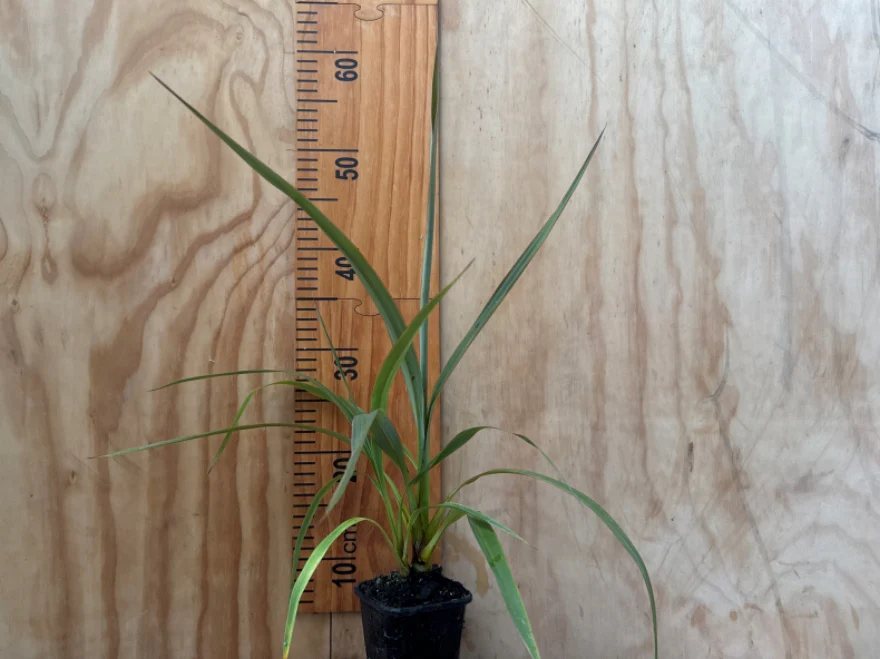
Cordyline Indivisa
Cordyline indivisa
Common Names: Mountain Cabbage Tree, Broad-leaved Cabbage Tree
Family: Asparagaceae
Origin: New Zealand (North, South and Stewart Islands)
Plant Type: Evergreen Tree
Overview
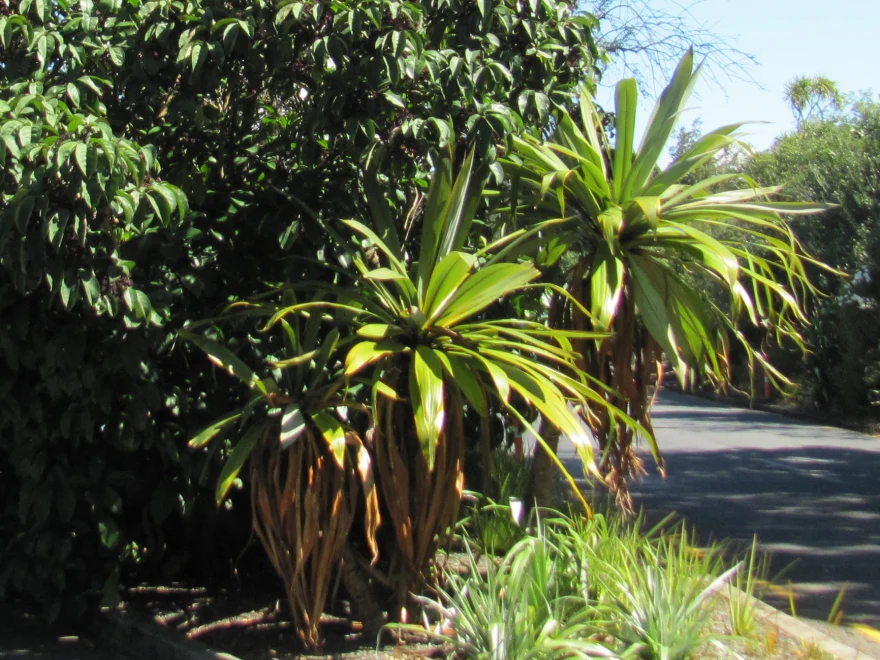
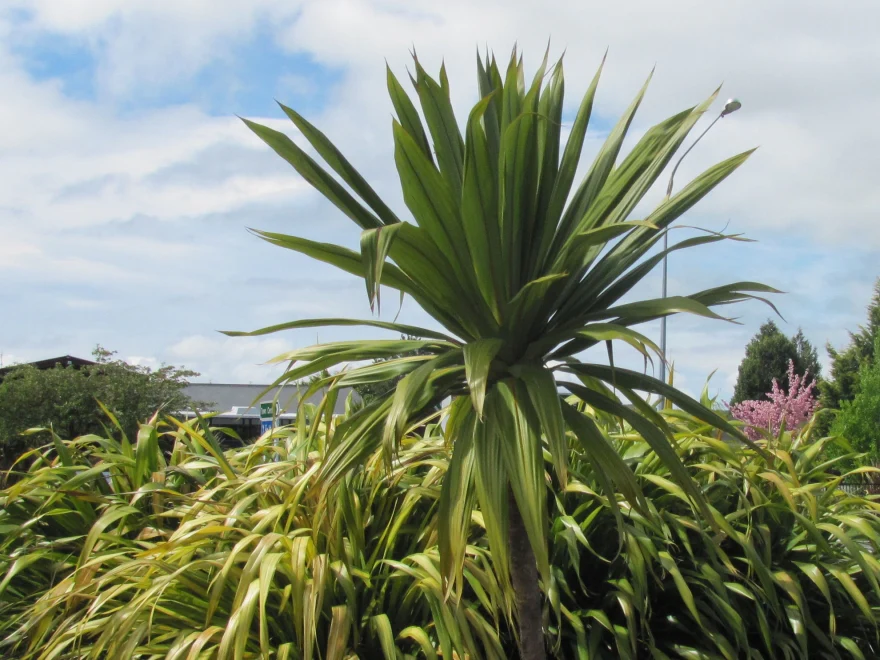
A distinctive New Zealand native with broad, blue-green leaves and a bold architectural presence. Cordyline indivisa adds dramatic form and texture to native plantings, revegetation projects and cool-climate gardens.
Key Features
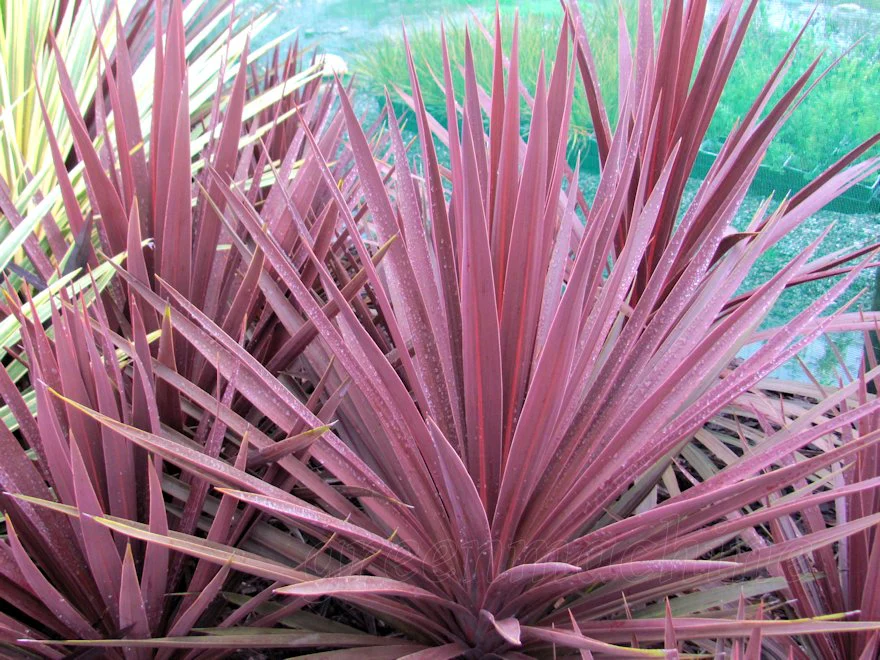
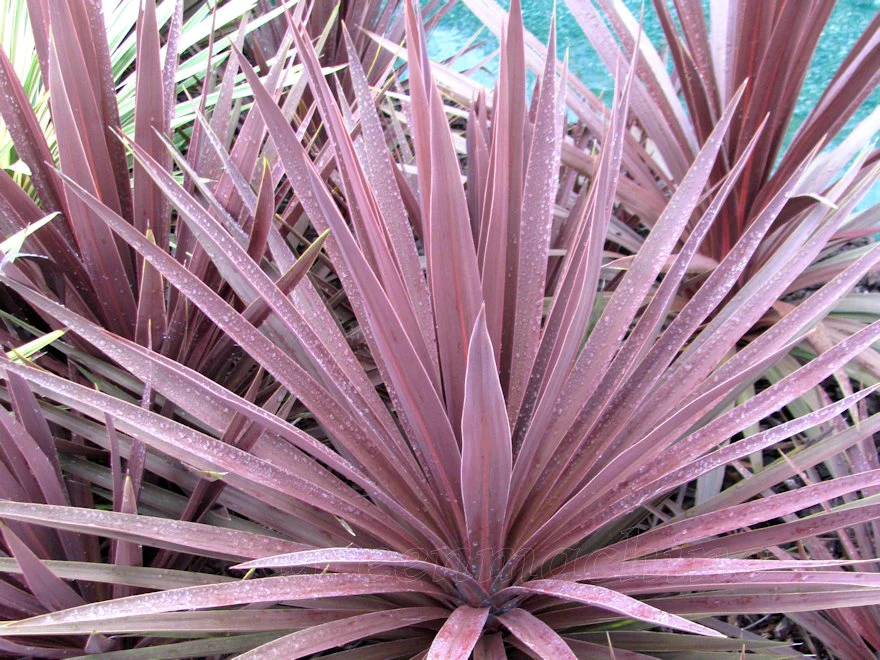
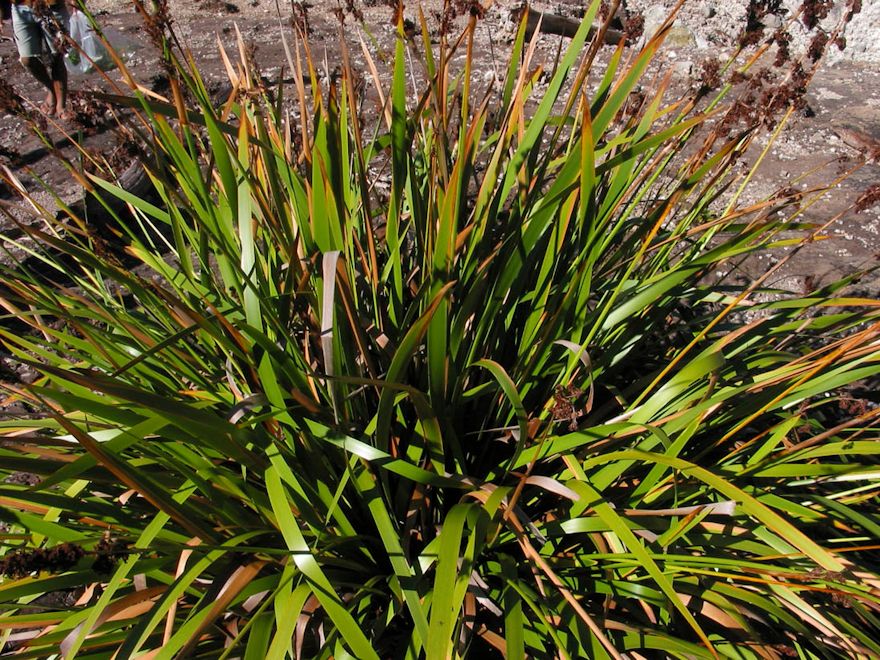
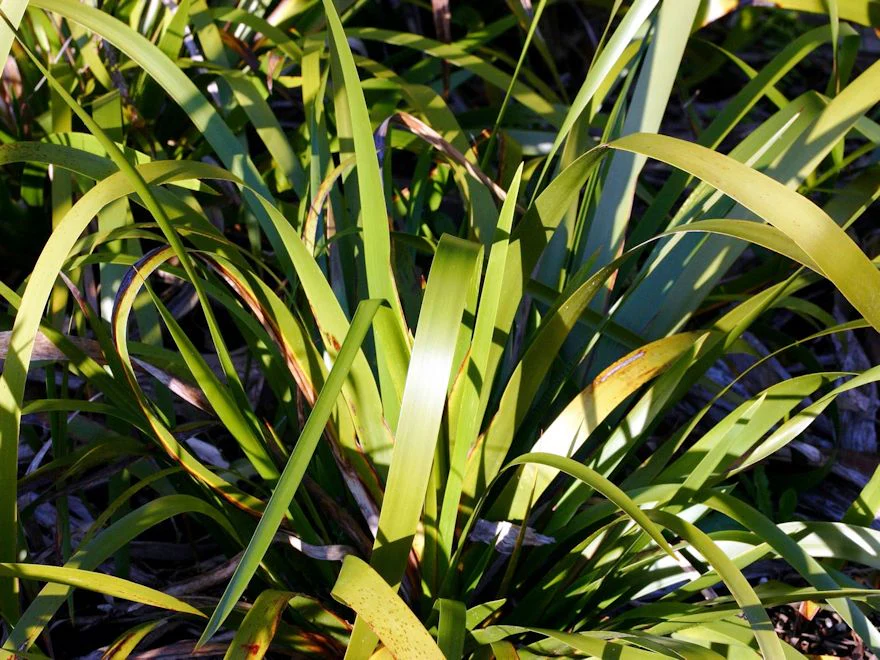
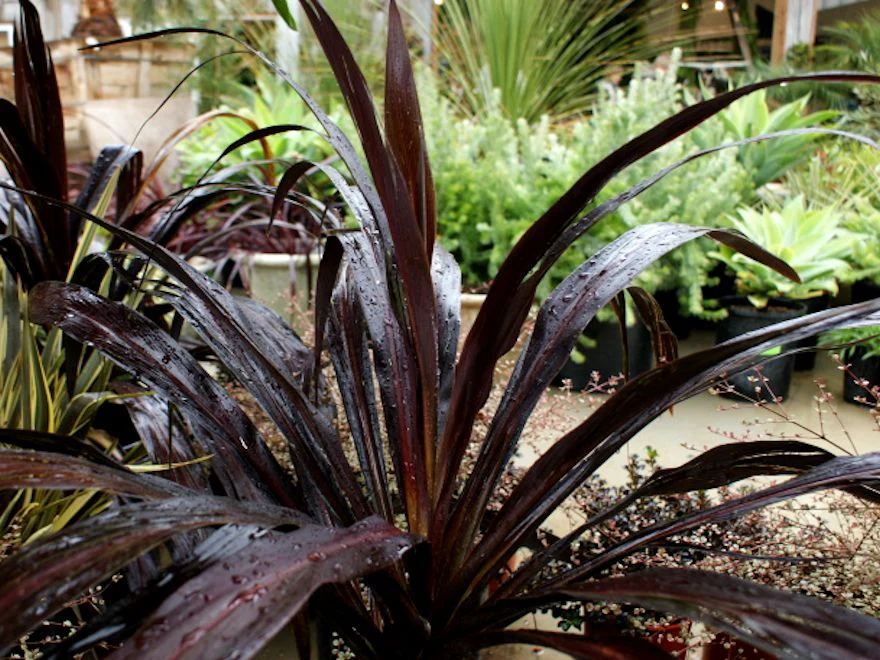
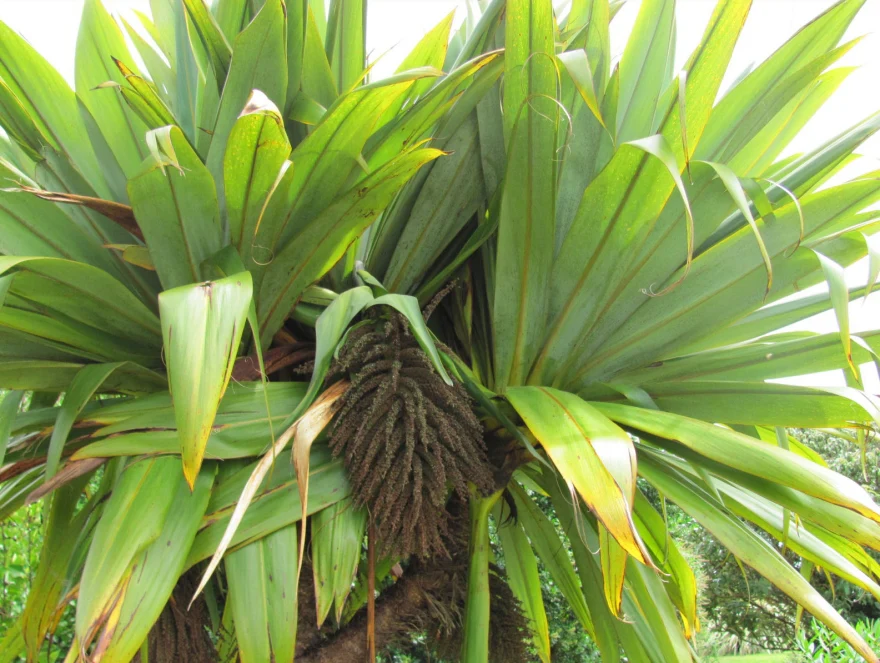
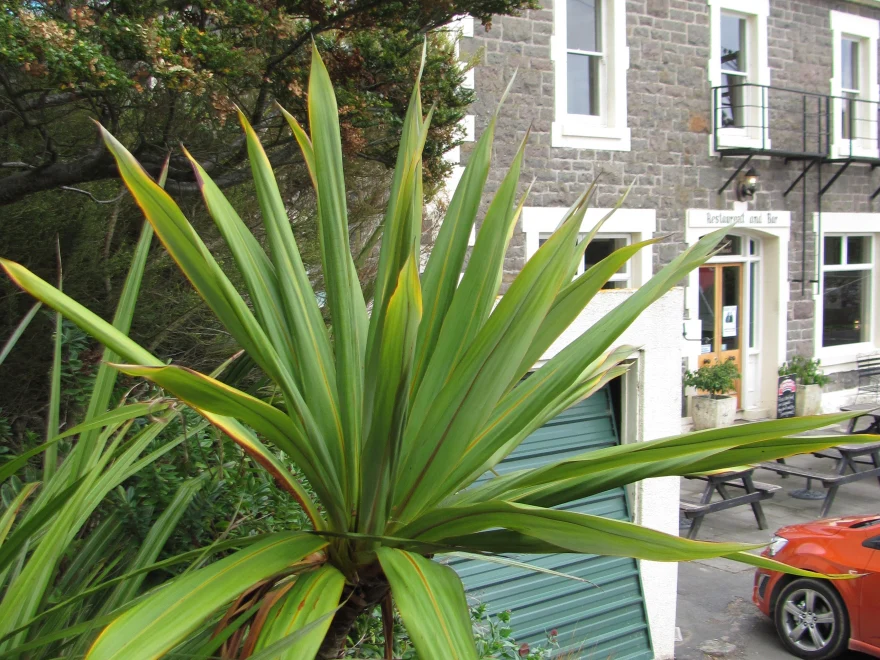
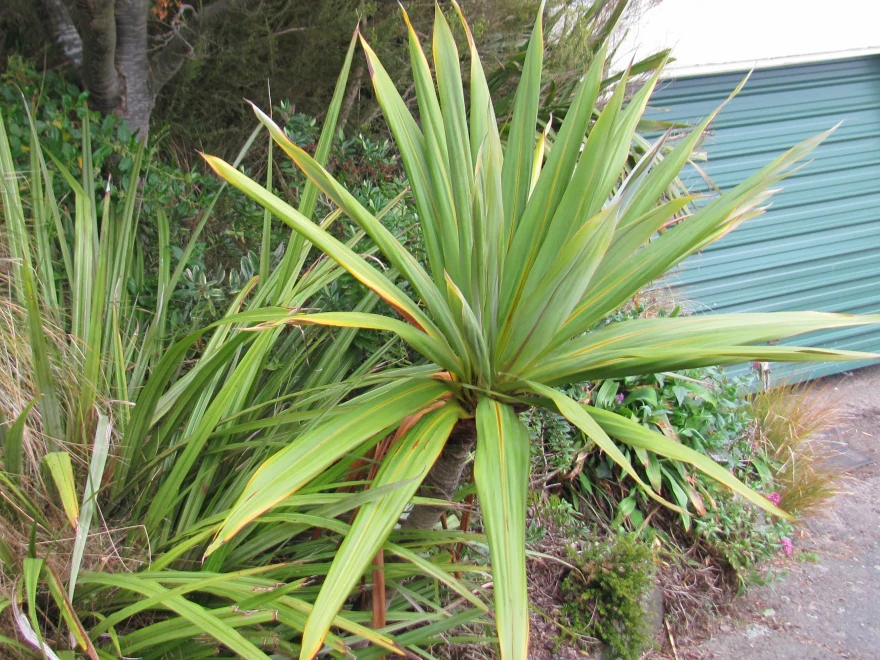
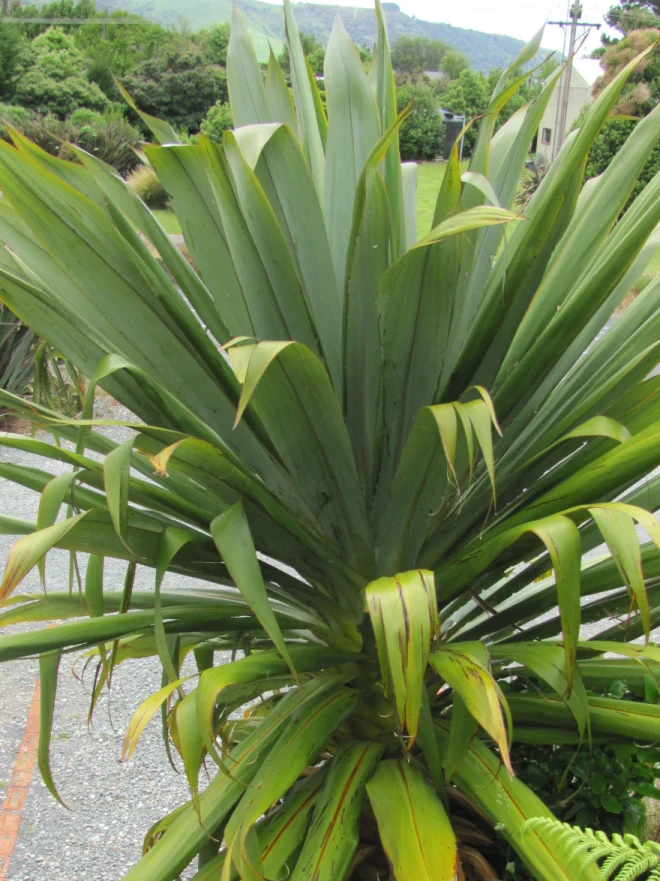
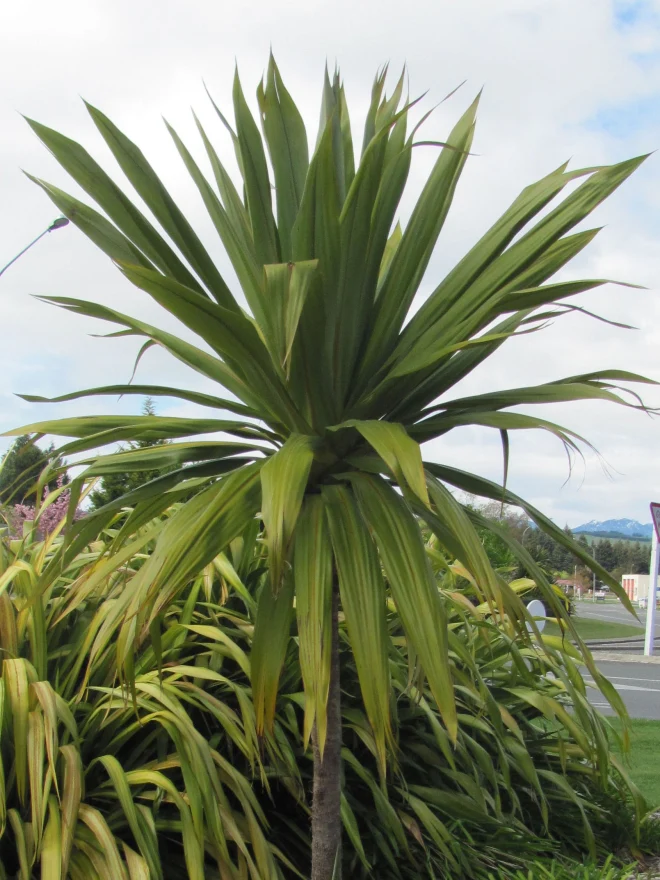
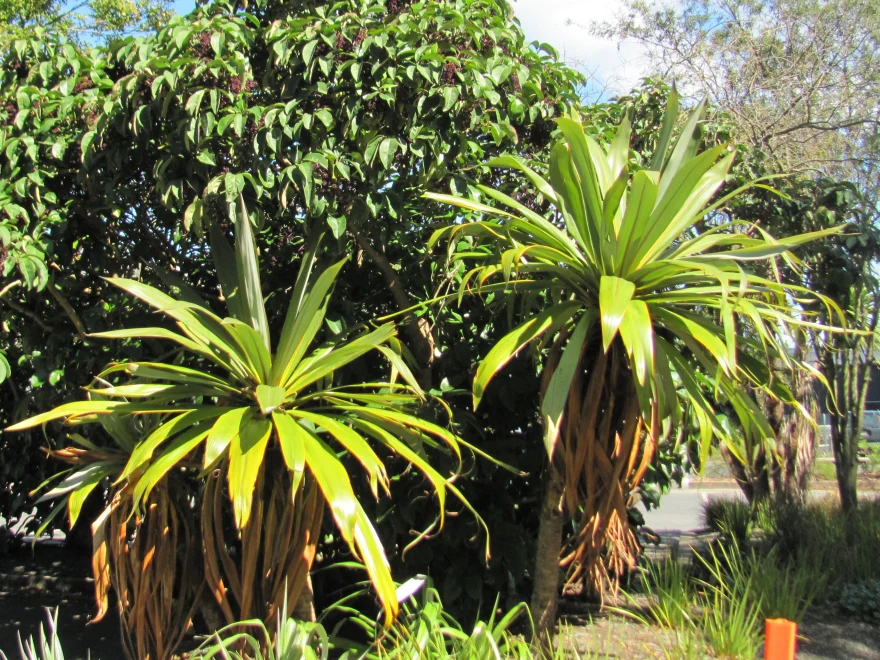
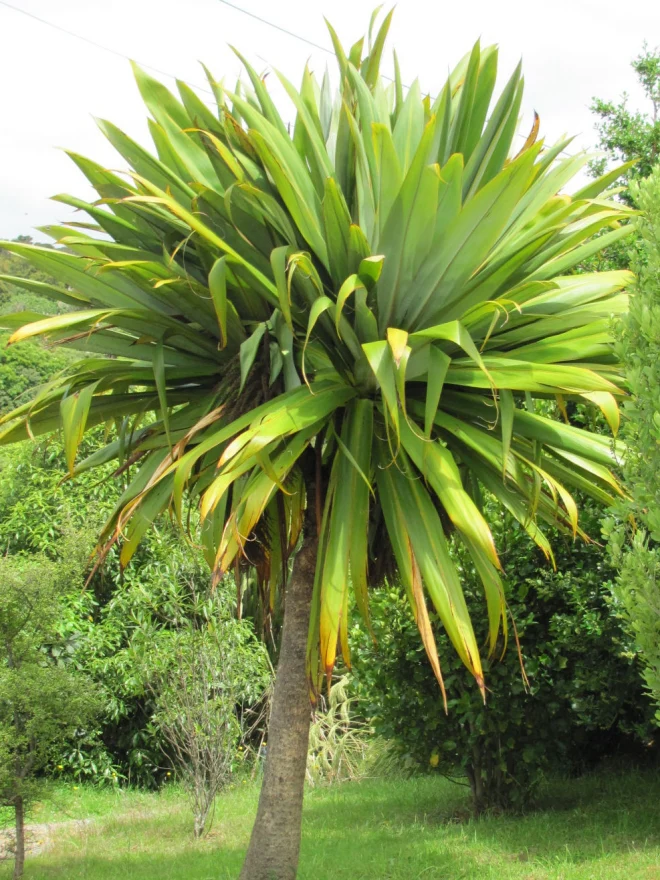
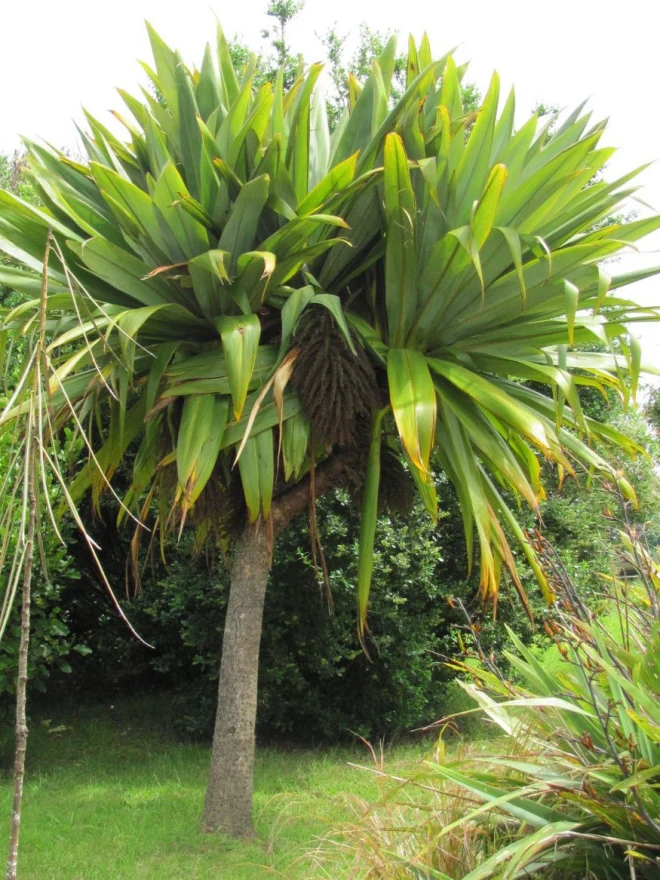
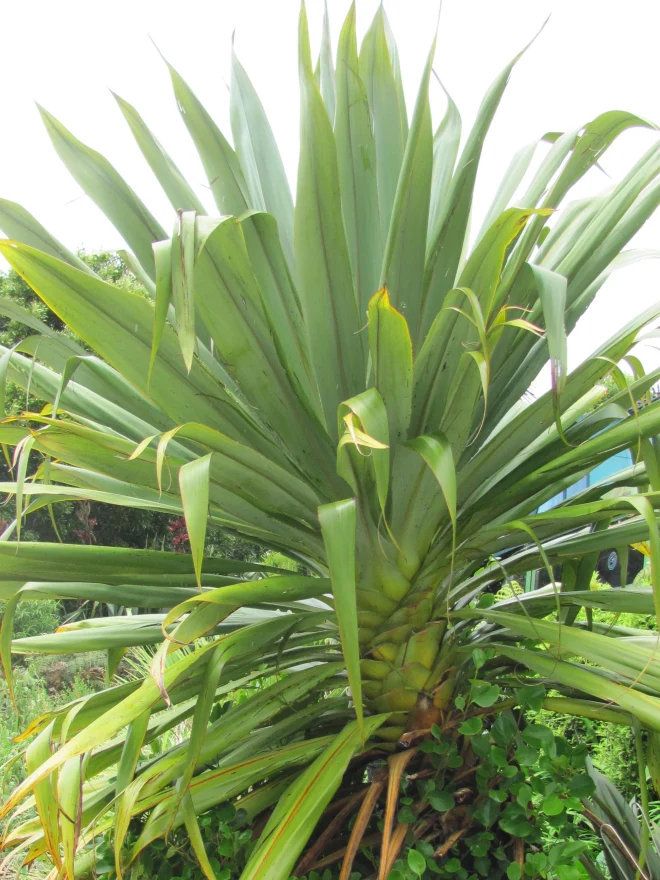
Foliage: Very broad, arching leaves up to 1 m long and 10–15 cm wide; glaucous blue-green with reddish midribs; evergreen.
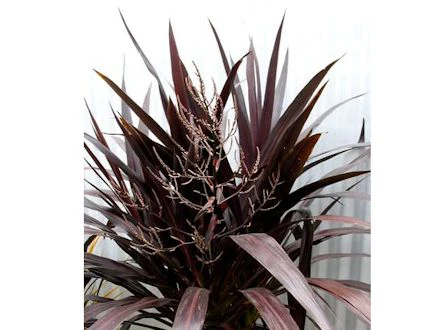
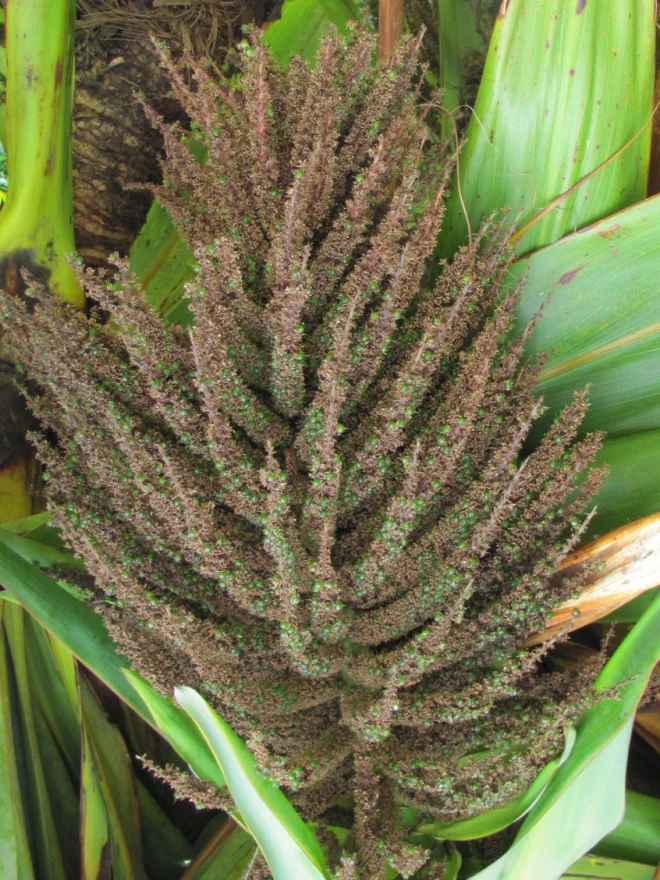
Flowers / Fruit: Large, hanging panicles of fragrant creamy-white flowers in spring to early summer, followed by small orange berries loved by birds.
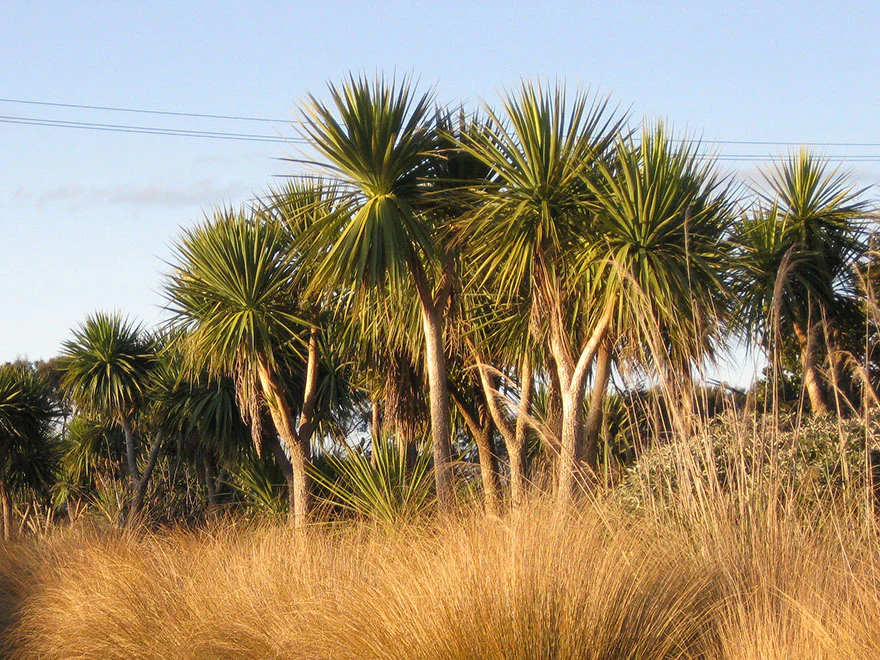
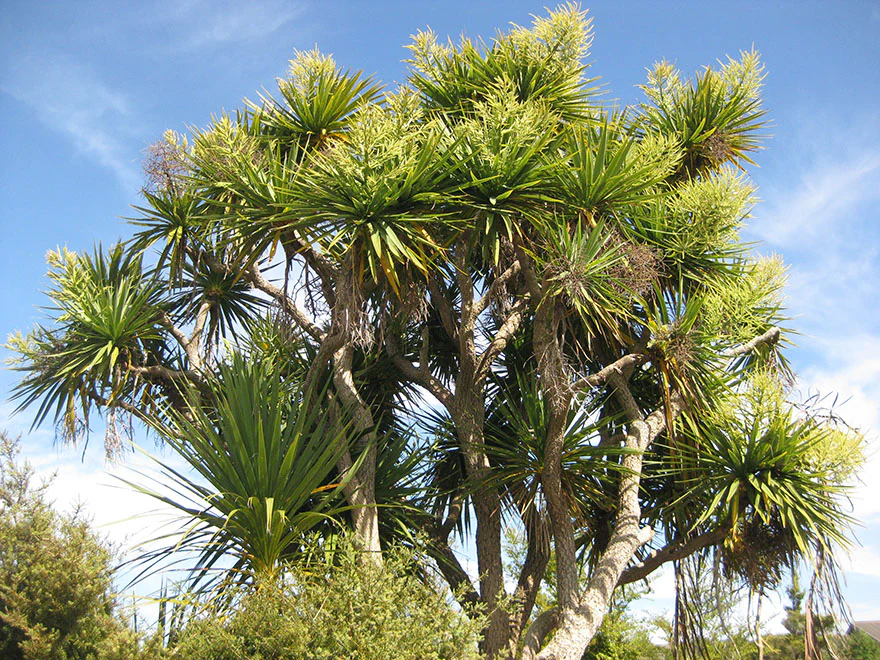
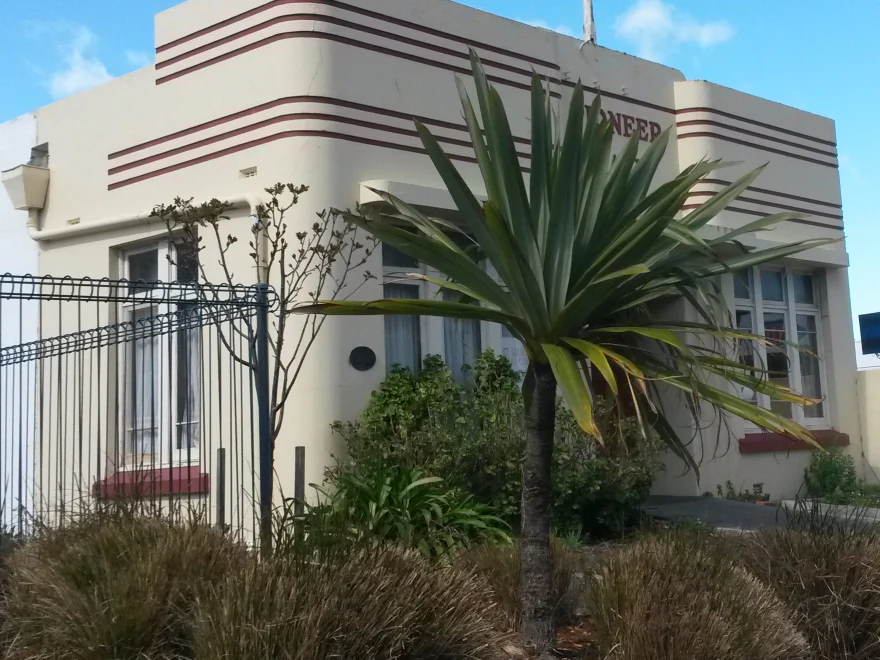
Form & Habit: Single-trunked, palm-like tree with a symmetrical, rounded crown of wide foliage; forms an umbrella-like canopy.
Growth Rate: Slow to moderate.
Cultural & Ecological Value: Provides food and nesting for native birds; ideal for cool upland or moist coastal restoration sites.
Mature Size
| Attribute | Size |
|---|---|
| Height | 3–8 m |
| Spread | 2–4 m |
| Form | Single-stemmed, broad-crowned evergreen tree |
Ideal Growing Conditions
| Requirement | Detail |
|---|---|
| Light | Full sun to part shade |
| Water | Prefers consistent moisture; avoid prolonged drought |
| Soil | Deep, free-draining but moisture-retentive soil; dislikes hot, dry sites |
| pH Range | Acid to neutral |
| Frost Tolerance | Hardy to moderate frosts; prefers cool, humid conditions |
Landscaping & Garden Uses
-
Striking specimen or architectural focal point
-
Excellent for cool-climate or high-rainfall gardens
-
Pairs well with ferns, flaxes and other native foliage plants
-
Suitable for native revegetation or wildlife corridors
Care & Maintenance
Pruning: Remove old leaves as they age; otherwise minimal pruning required.
Watering: Keep moist, especially in dry periods or container growth.
Feeding: Apply slow-release native fertiliser in spring.
Pests & Diseases: Generally hardy; protect from root-rot in poorly drained soils.
Additional Tips
Avoid hot, windy, and drought-prone sites — Cordyline indivisa thrives best in cooler, moist conditions with shelter from extreme heat. Mulch well to conserve moisture.
Fun Fact / Botanical Insight
Known to Māori as “tōī,” Cordyline indivisa is distinct from the common cabbage tree (C. australis) by its much broader leaves and preference for cooler mountain habitats.
Why Choose Cordyline indivisa?
An iconic mountain species bringing strong architectural form, lush texture, and genuine New Zealand character to your garden or restoration project.
Pot Size:
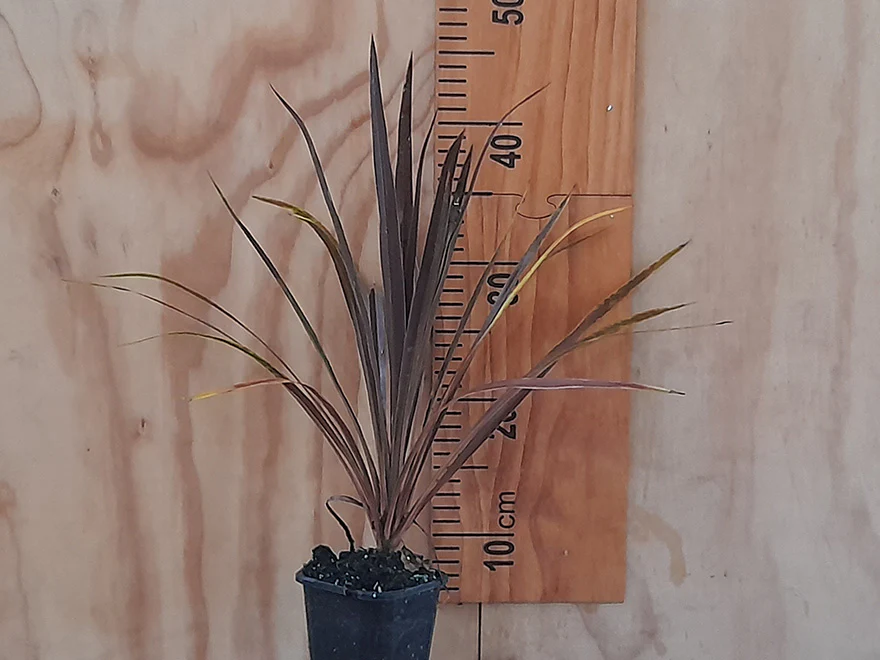
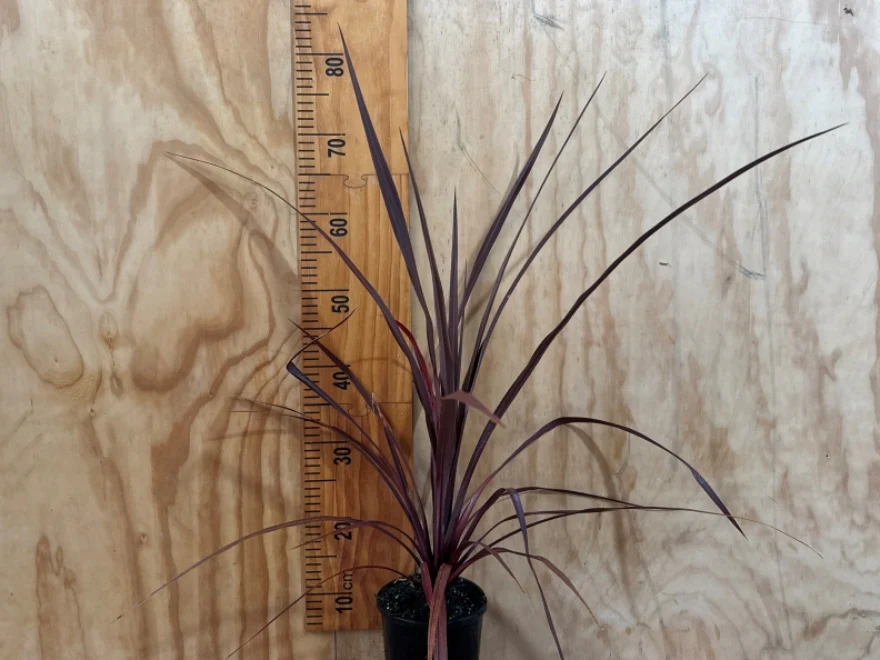
These are our standard size in 7cm square pots.
Original: $11.88
-65%$11.88
$4.16Product Information
Product Information
Shipping & Returns
Shipping & Returns
Description
Cordyline indivisa
Common Names: Mountain Cabbage Tree, Broad-leaved Cabbage Tree
Family: Asparagaceae
Origin: New Zealand (North, South and Stewart Islands)
Plant Type: Evergreen Tree
Overview
A distinctive New Zealand native with broad, blue-green leaves and a bold architectural presence. Cordyline indivisa adds dramatic form and texture to native plantings, revegetation projects and cool-climate gardens.
Key Features
Foliage: Very broad, arching leaves up to 1 m long and 10–15 cm wide; glaucous blue-green with reddish midribs; evergreen.
Flowers / Fruit: Large, hanging panicles of fragrant creamy-white flowers in spring to early summer, followed by small orange berries loved by birds.
Form & Habit: Single-trunked, palm-like tree with a symmetrical, rounded crown of wide foliage; forms an umbrella-like canopy.
Growth Rate: Slow to moderate.
Cultural & Ecological Value: Provides food and nesting for native birds; ideal for cool upland or moist coastal restoration sites.
Mature Size
| Attribute | Size |
|---|---|
| Height | 3–8 m |
| Spread | 2–4 m |
| Form | Single-stemmed, broad-crowned evergreen tree |
Ideal Growing Conditions
| Requirement | Detail |
|---|---|
| Light | Full sun to part shade |
| Water | Prefers consistent moisture; avoid prolonged drought |
| Soil | Deep, free-draining but moisture-retentive soil; dislikes hot, dry sites |
| pH Range | Acid to neutral |
| Frost Tolerance | Hardy to moderate frosts; prefers cool, humid conditions |
Landscaping & Garden Uses
-
Striking specimen or architectural focal point
-
Excellent for cool-climate or high-rainfall gardens
-
Pairs well with ferns, flaxes and other native foliage plants
-
Suitable for native revegetation or wildlife corridors
Care & Maintenance
Pruning: Remove old leaves as they age; otherwise minimal pruning required.
Watering: Keep moist, especially in dry periods or container growth.
Feeding: Apply slow-release native fertiliser in spring.
Pests & Diseases: Generally hardy; protect from root-rot in poorly drained soils.
Additional Tips
Avoid hot, windy, and drought-prone sites — Cordyline indivisa thrives best in cooler, moist conditions with shelter from extreme heat. Mulch well to conserve moisture.
Fun Fact / Botanical Insight
Known to Māori as “tōī,” Cordyline indivisa is distinct from the common cabbage tree (C. australis) by its much broader leaves and preference for cooler mountain habitats.
Why Choose Cordyline indivisa?
An iconic mountain species bringing strong architectural form, lush texture, and genuine New Zealand character to your garden or restoration project.
Pot Size:
These are our standard size in 7cm square pots.